

Contrary to popular belief, Lorem Ipsum is not simply random text. It has roots.

Contrary to popular belief, Lorem Ipsum is not simply random text. It has roots.

Contrary to popular belief, Lorem Ipsum is not simply random text. It has roots.

Contrary to popular belief, Lorem Ipsum is not simply random text. It has roots.

Contrary to popular belief, Lorem Ipsum is not simply random text. It has roots.

Contrary to popular belief, Lorem Ipsum is not simply random text. It has roots.

Contrary to popular belief, Lorem Ipsum is not simply random text. It has roots.

Contrary to popular belief, Lorem Ipsum is not simply random text. It has roots.

Contrary to popular belief, Lorem Ipsum is not simply random text. It has roots.

Contrary to popular belief, Lorem Ipsum is not simply random text. It has roots.
Contrary to popular belief, Lorem Ipsum is not simply random text. It has roots.
Contrary to popular belief, Lorem Ipsum is not simply random text. It has roots.
Contrary to popular belief, Lorem Ipsum is not simply random text. It has roots.

A data-driven digital marketing agency in Kolkata helps businesses achieve targeted and measurable online growth by offering services such as SEO, paid advertising management, conversion rate optimization, content marketing, and website design. These agencies develop marketing strategies tailored to the specific goals and needs of each business by analyzing real data and utilizing specialized tools.
Receiving a free audit from these agencies provides a comprehensive review of your SEO, content, social media, advertising, and website performance at no cost, clearly identifying paths for improvement and increased efficiency. Businesses such as startups, online stores, local service providers, and real estate agencies benefit the most from these services.
When choosing an agency, diversity of services, track record of success, transparency, strategy personalization, and industry experience are important factors. Data-driven agencies ensure your investment delivers optimal returns by providing ongoing reporting and setting key performance indicators, and, with a deep understanding of Kolkata’s local market, they offer strategies tailored to the city’s competitive environment.
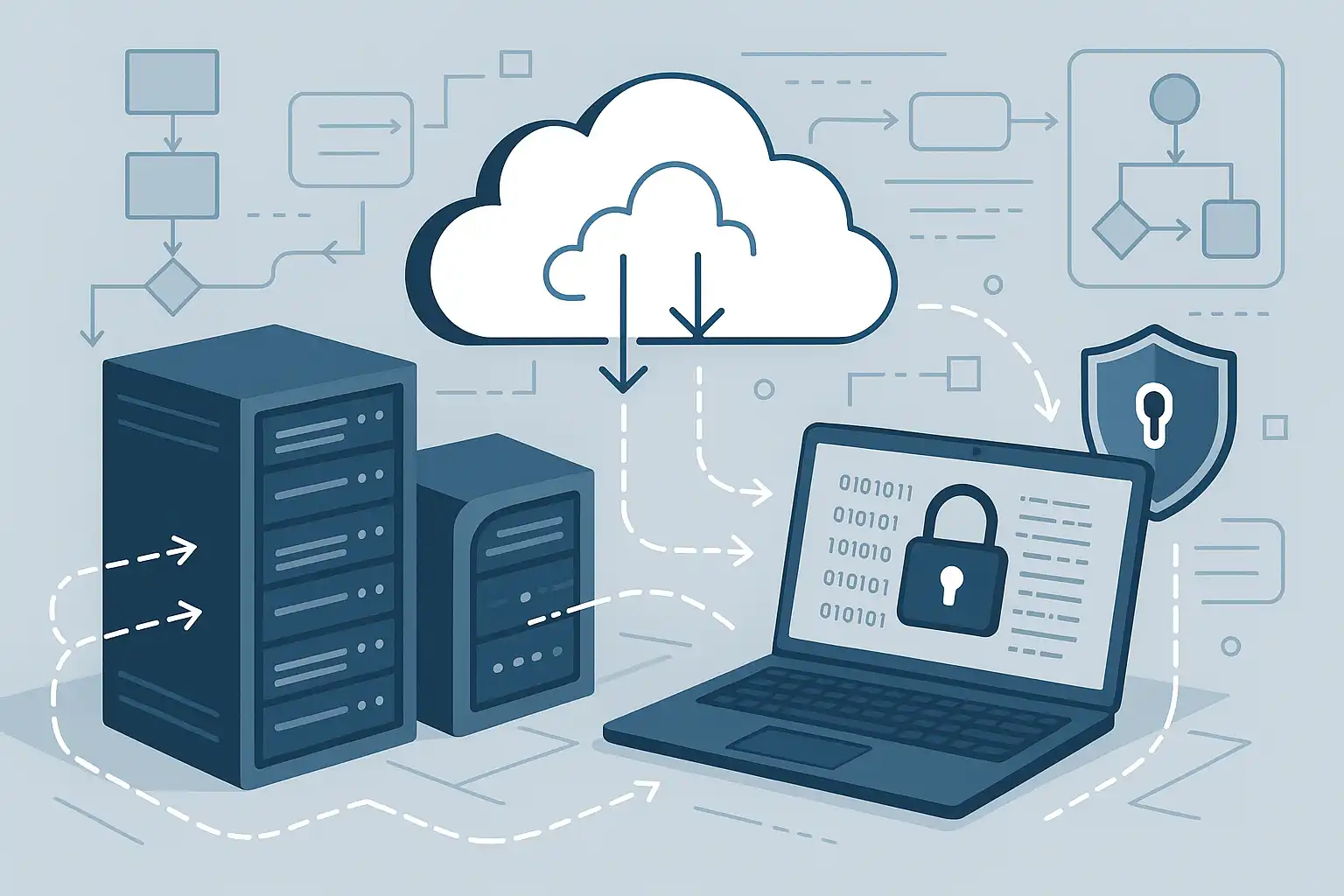
Data migration consulting services, by providing expertise and professional guidance, minimize the risks associated with transferring organizational data to new systems. Consultants manage the data migration process securely and efficiently through thorough assessment of the current system, custom planning, ensuring data security and integrity, minimizing system downtime, and complying with legal requirements.
Utilizing modern tools such as Azure Data Factory and AWS Database Migration Service helps ensure error-free transfers and protects sensitive information. Data migration consulting is especially important for organizations with sensitive data, complex environments, or a need for minimal downtime, and helps prevent issues such as data loss, security breaches, unexpected costs, and non-compliance with regulations.
Choosing experienced consultants with deep industry knowledge and a successful track record guarantees the success of your data migration project and enables improvements in your organization's IT solutions. Consulting services are suitable for businesses of all sizes and ensure stability and future growth.
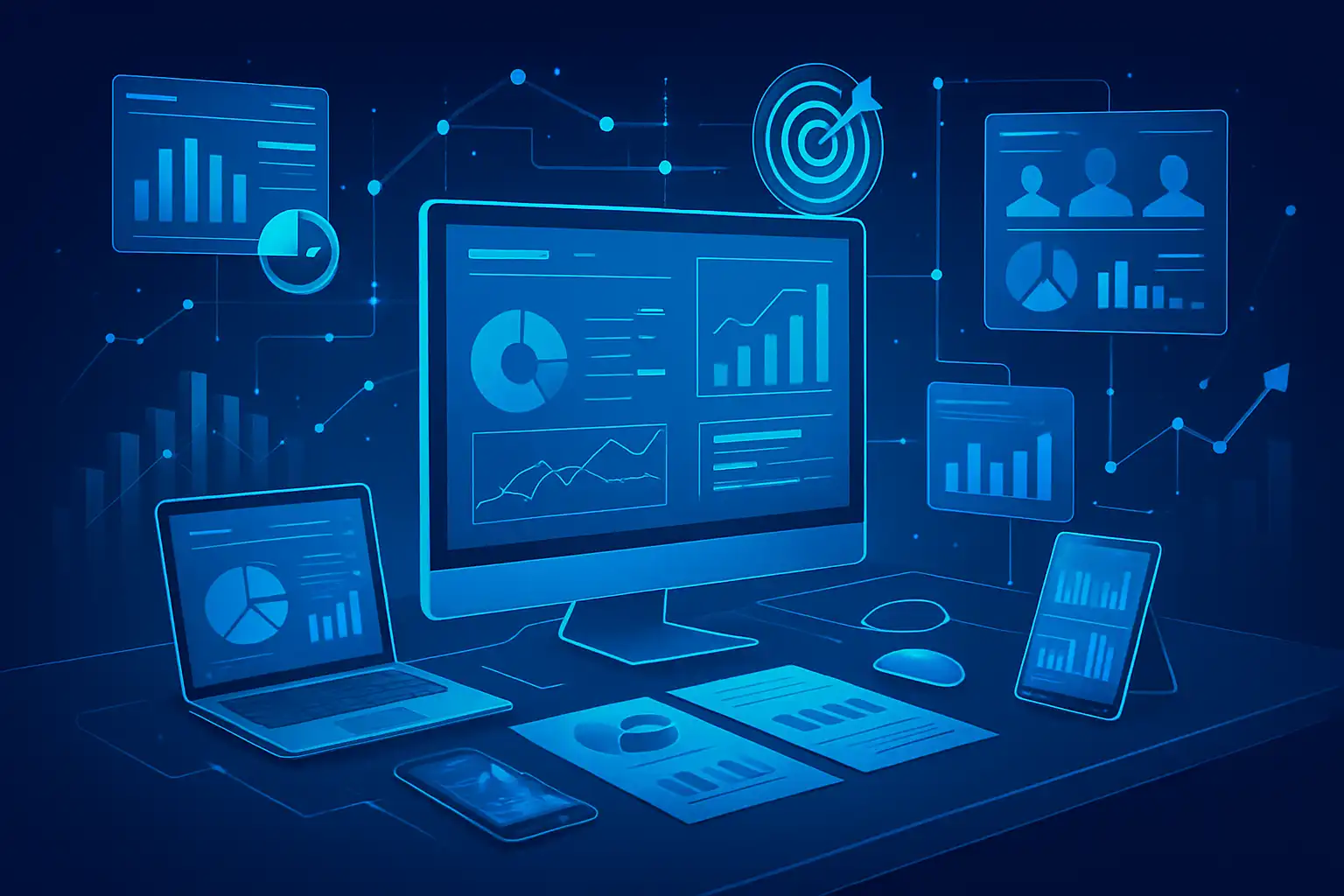
Data-driven marketing companies utilize data analysis and advanced tools to deliver targeted and measurable campaigns that improve return on investment (ROI). These companies monitor and report the performance of each campaign transparently by setting SMART goals, precise audience segmentation, message personalization, continuous optimization, and using modern analytical tools.
The advantages of this approach include increased conversion rates, reduced customer acquisition costs, enhanced marketing effectiveness, and the ability to make more accurate predictions. Challenges include the need for up-to-date technology, skilled analysts, and compliance with data privacy regulations.
When choosing a suitable company, attention should be paid to experience, transparency, the technologies used, and the ability to personalize solutions. The financial, retail, technology, and e-commerce industries benefit the most from this method.
Success in data-driven marketing requires setting clear objectives, deep audience understanding, continuous testing and optimization, and transparency in reporting so that businesses can maximize the return from their marketing budget.
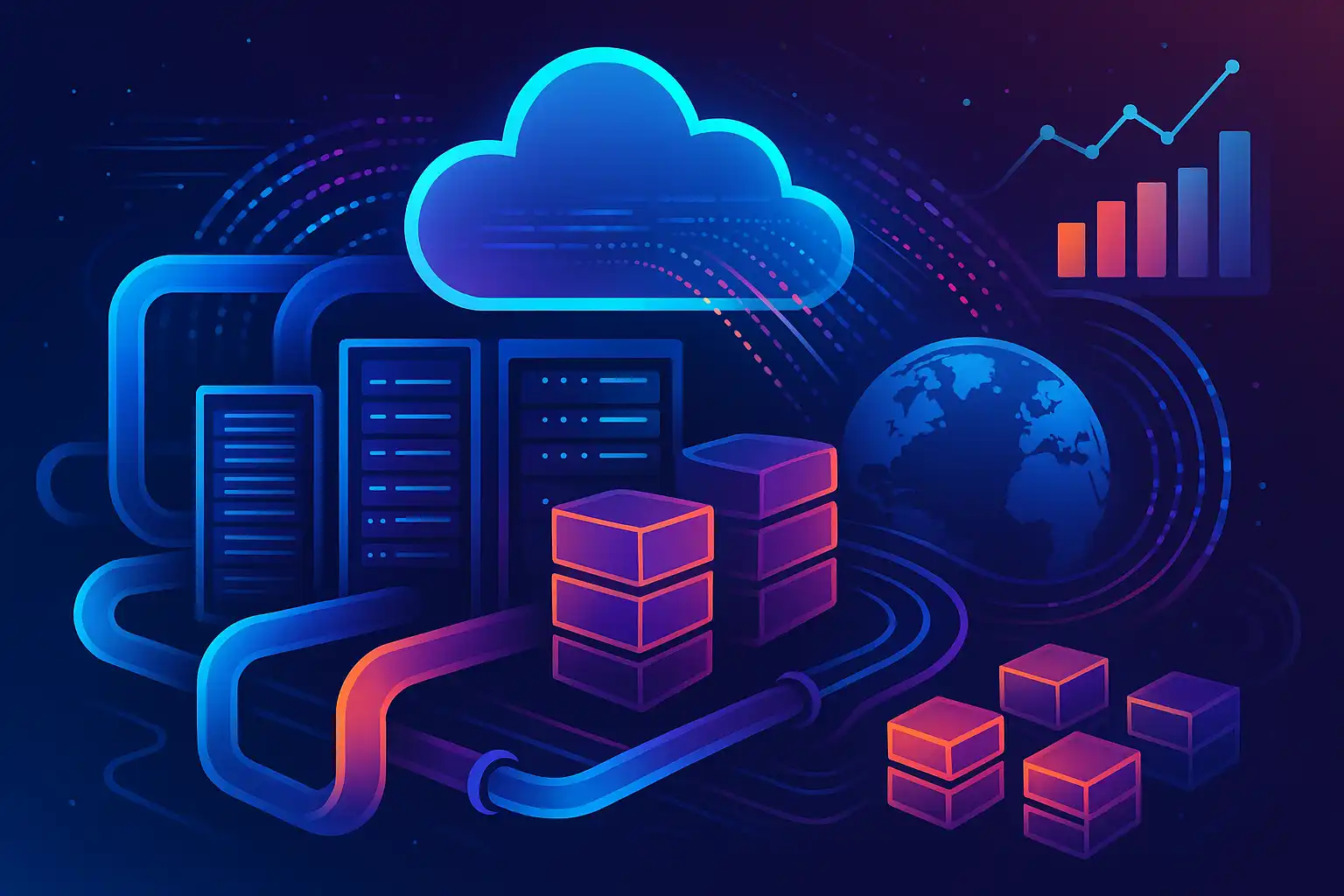
Cloud Data Engineering with AWS enables organizations to process and analyze massive volumes of data quickly, cost-effectively, and securely. With its extensive global infrastructure, advanced data analytics tools, flexible pricing, and more than 200 specialized services, AWS offers a scalable solution for real-time data analytics and large-scale projects.
Key advantages include global scalability, robust security (encryption, access control, and compliance with standards), optimized cost, rapid innovation, and comprehensive support. Services such as Amazon S3, Redshift, Glue, Kinesis, and QuickSight provide solutions for storage, big data processing, ETL, and real-time analytics.
Selecting the right AWS provider should be based on expertise, security, cost management, a comprehensive service portfolio, and a proven track record.
Common applications of these solutions are found in sectors such as retail, healthcare, finance, manufacturing, and education, enabling large-scale data analytics, trend identification, and intelligent decision-making. With AWS cloud services, businesses can rapidly scale in line with their changing needs without the requirement for physical infrastructure.
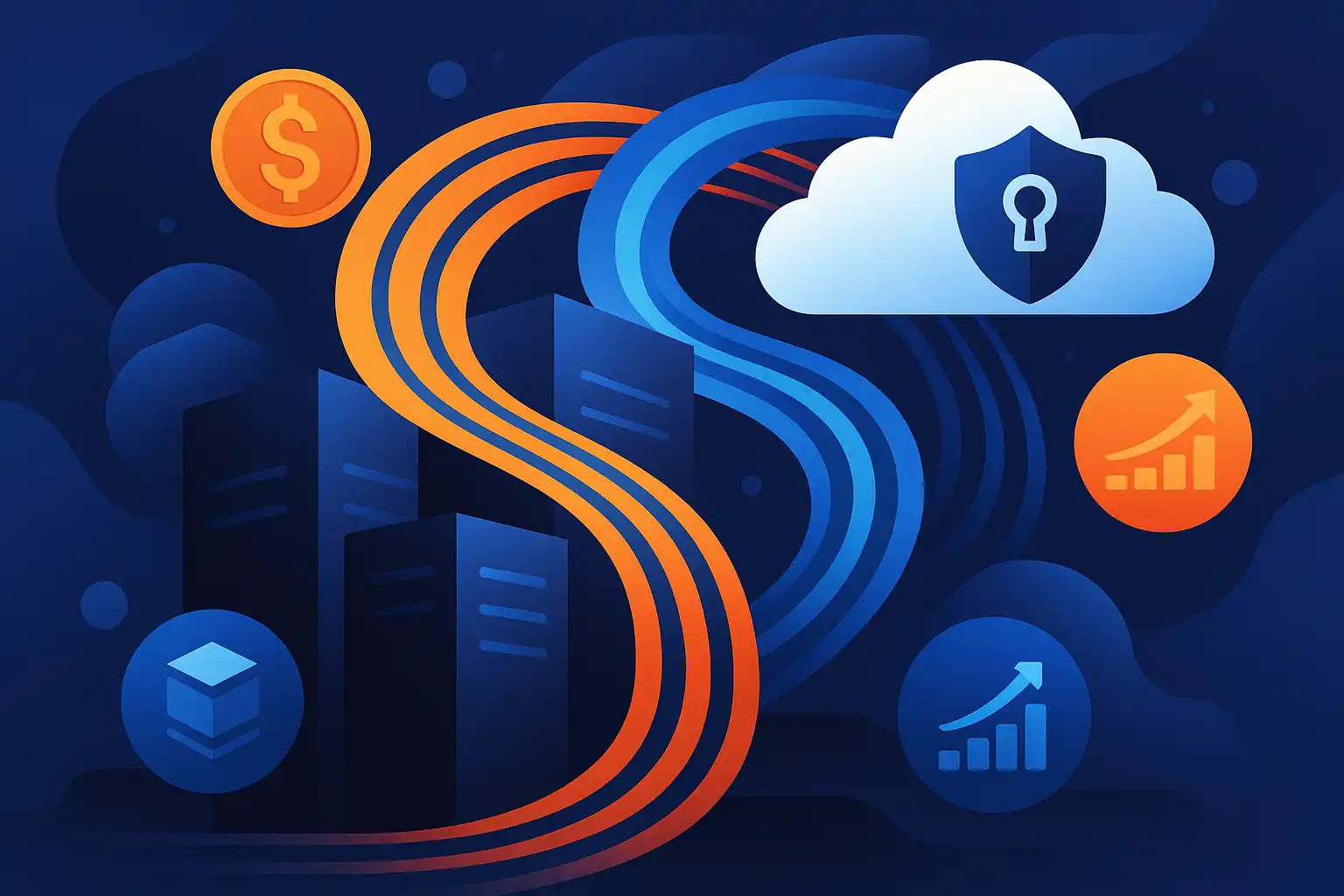
Outsourcing data management is an effective strategy for reducing costs and increasing data quality in businesses. By entrusting complex data processes to external specialists, companies can save up to 40% in expenses and focus on their core objectives. This approach transforms fixed costs into variable ones and enables scalability as well as the use of the latest technologies. Outsourcing guarantees data quality through advanced tools, validation, and data cleansing, reducing the risk of errors. These services include data collection, entry, cleansing, enrichment, validation, data migration, and regular reporting. Various industries such as healthcare, finance, retail, and education benefit the most from these services. To manage risks such as information security and compliance, it is crucial to choose reputable partners with high security and contractual standards. Criteria such as expertise, technology, compliance, transparent reporting, and strong support are important in selecting a partner. In addition to reducing costs and increasing quality, outsourcing data management lessens the workload of the internal team and enables rapid growth.

Salaries for Real-Time Data Services specialists vary significantly depending on experience, technical expertise, industry, and geographic location. In the United States, the average annual salary ranges from $110,000 to $135,000, while in the United Kingdom, it falls between £50,000 and £80,000. Cities such as San Francisco, London, and Frankfurt offer the highest pay levels.
Entry-level professionals typically earn between $70,000 and $95,000 per year, while experienced specialists can make up to $180,000 annually. Key factors influencing compensation include proficiency with tools such as Apache Kafka and AWS, years of experience, the specific industry (finance, healthcare, e-commerce), company size, and educational background.
These experts are responsible for designing and managing real-time data processing systems, optimizing data pipelines, and ensuring security and performance. The finance, healthcare, and technology sectors generally offer the highest salaries. Possessing recognized certifications (such as AWS Data Analytics or Google Data Engineer) and specialized technical skills can further boost earning potential.
The job market for real-time data professionals is expanding rapidly, offering strong career prospects and a promising future outlook.

Data mining consultants help organizations uncover hidden patterns and trends through advanced data analysis, enabling smarter decision-making, increased sales, optimized operations, and competitive advantage. These experts use techniques such as predictive analytics, customer segmentation, and pattern recognition to deliver practical and actionable solutions.
Industries including retail, finance, healthcare, manufacturing, and e-commerce benefit from data mining consulting services by improving customer experience, reducing risk, increasing revenue, and cutting costs. The workflow of data mining consultants typically involves assessing data quality, collecting and integrating information, conducting analyses, validating findings, and presenting clear, data-driven recommendations.
These services are valuable not only for large enterprises but also for small businesses, fostering sustainable growth and innovation. Leading data mining consultants—equipped with technical expertise, proficiency in tools like Python and R, and strong communication skills—translate complex data into simple, effective insights that drive business growth.
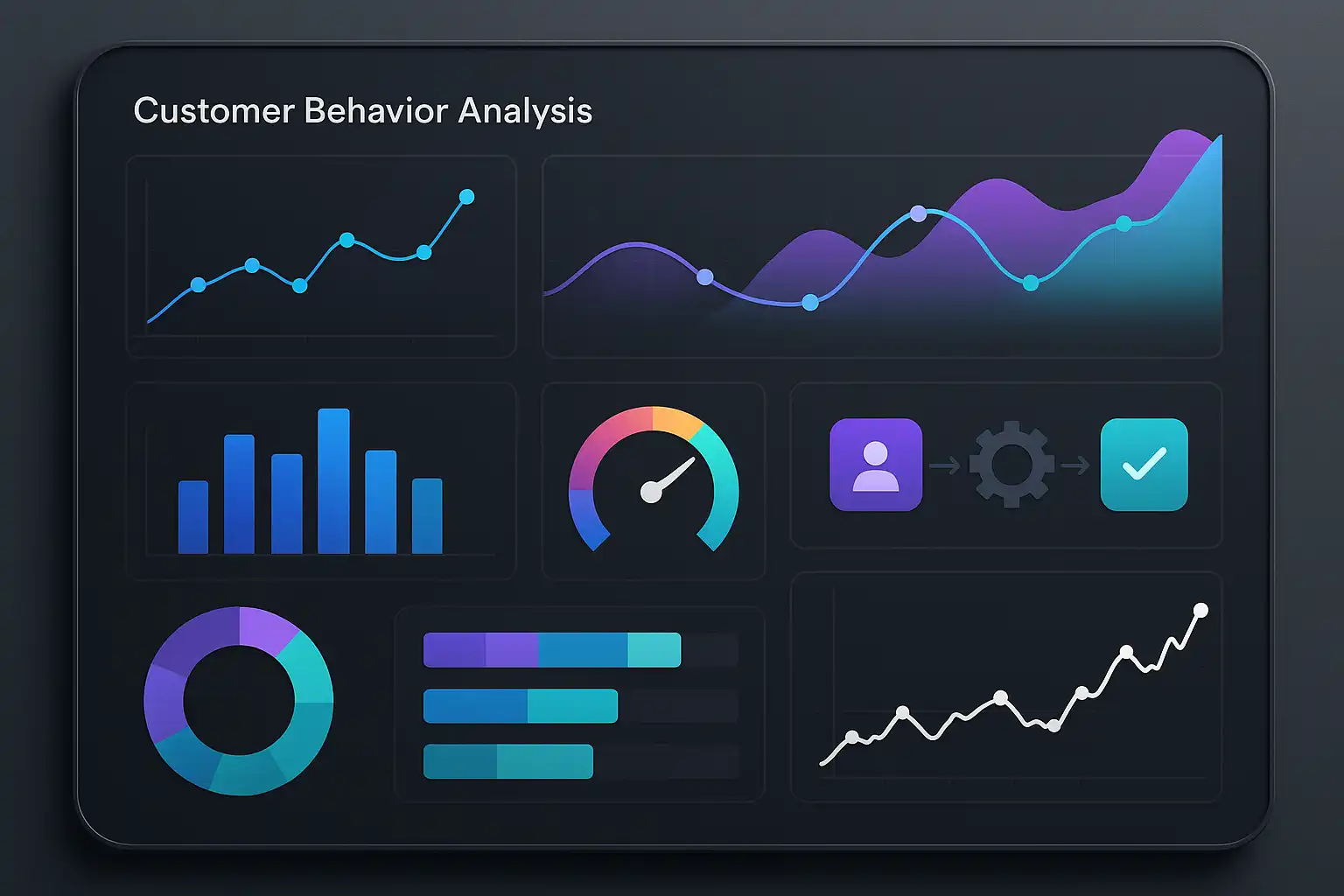
Customer behavior analysis in ServiceNow is a powerful tool for enhancing customer experience and increasing satisfaction. This process begins with collecting data related to service requests, communication channels, and customer satisfaction levels. The data is then categorized, patterns are identified, and dashboards and analytical tools within ServiceNow are used to uncover weaknesses and improvement opportunities.
Implementing customer behavior analysis helps identify common issues, improve response times, automate processes, and increase the efficiency of the support team. To succeed in this process, it is essential to define clear goals, gather comprehensive data, segment customers, use analytical tools, and take action based on the findings.
Ensuring data quality, maintaining privacy, preparing transparent reports, and performing regular updates are considered best practices. Both large and small organizations can leverage ServiceNow’s advanced capabilities—such as performance analytics, artificial intelligence, and automation—to transform the customer experience and achieve tangible results like higher satisfaction, reduced problem resolution times, and increased self-service growth.
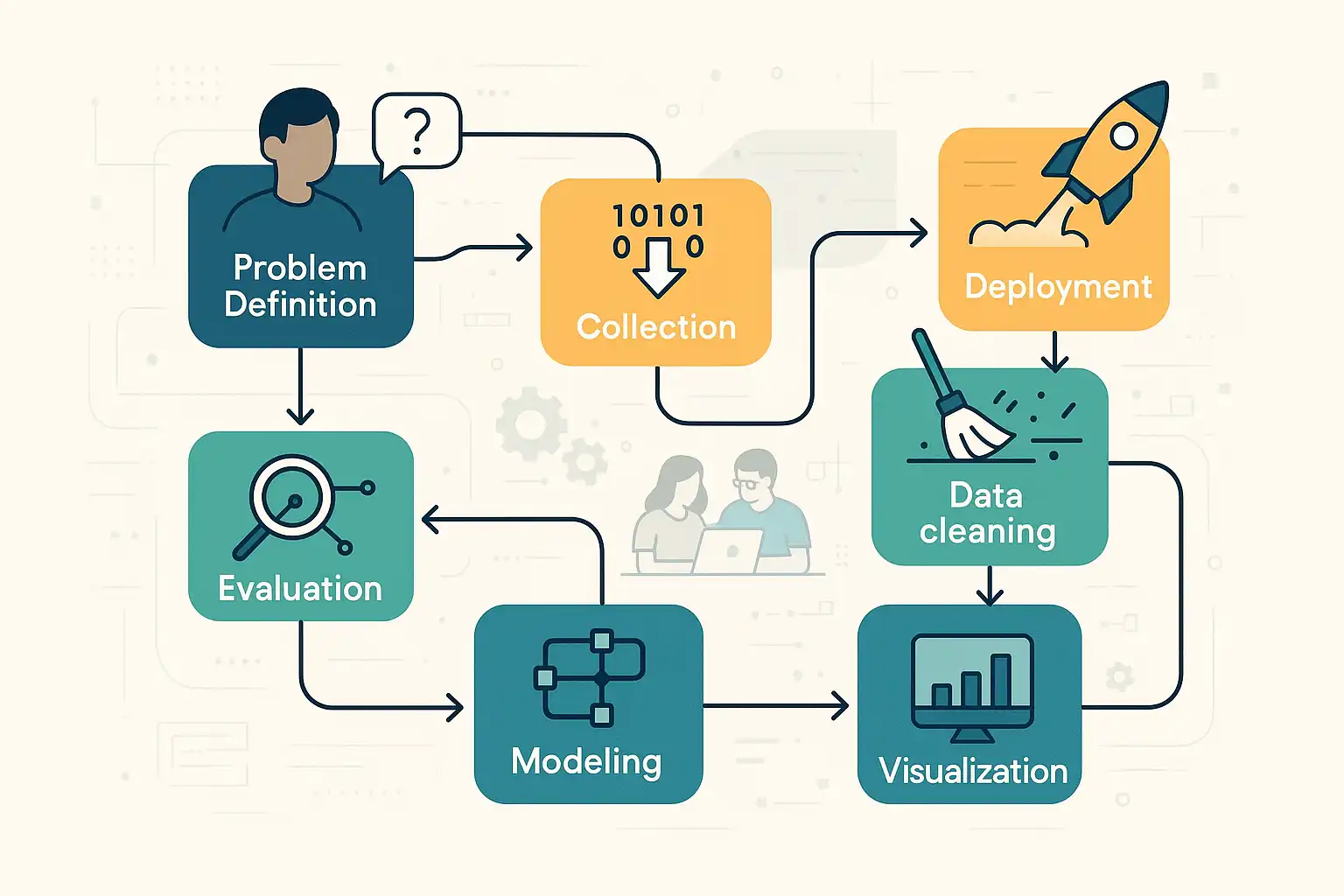
A data science workflow is a structured, step-by-step process guiding data projects from defining a problem to deploying solutions. Essential for organizing teams and ensuring repeatable, reliable results, it typically involves these phases: defining the problem, collecting data, cleaning/preparing data, exploring/analyzing, model building, evaluating results, communicating findings, and deployment/monitoring. Popular frameworks like CRISP-DM, OSEMN, and the Harvard Data Science Workflow provide templates, but many organizations customize workflows for their needs. Key tools for each stage include brainstorming and project management apps, SQL, Python, R, Jupyter Notebooks, machine learning libraries (scikit-learn, TensorFlow), and deployment platforms (MLflow, Kubeflow). Best practices—such as starting with clear objectives, thorough documentation, regular communication, validating assumptions, embracing iteration, and ongoing monitoring—ensure efficient, trustworthy outcomes. Choosing the right workflow depends on team expertise, project complexity, and stakeholder needs. Adapting frameworks with team input, piloting on small projects, and maintaining transparency maximize impact. While data pipelines automate data movement, workflows encompass the entire project life cycle. Following a robust data science workflow supports collaboration, minimizes errors, and helps new data scientists learn best practices.

Automated reporting tools streamline business decision-making by delivering real-time, accurate data and eliminating manual reporting tasks. These platforms integrate data from multiple sources, generate customizable dashboards, and offer advanced visualizations, enabling teams to access consistent, up-to-date insights instantly. Key features include robust data integration, scheduled report generation, mobile accessibility, and built-in analytics for forecasting. Popular solutions like Power BI, Tableau, Google Data Studio, Looker, and Zoho Analytics cater to diverse organizational needs. By automating repetitive tasks, these tools reduce human error, save time, and enhance collaboration—especially in remote or cross-functional teams. While initial setup and training may be required, and integration with legacy systems can pose challenges, the benefits of rapid, data-driven decision-making far outweigh the drawbacks. Automated reports foster transparency and unified action across departments, allowing teams to focus on strategy and problem-solving. For best results, organizations should clearly define reporting goals, regularly update dashboards, invest in user training, and ensure data quality. Automated reporting tools do not replace analysts but empower them to deliver deeper analysis, driving confident, agile business decisions.

A data mining specialist salary varies depending on experience, education, technical skills, industry, and location. Entry-level positions typically offer $55,000 to $75,000 annually, while mid-level roles range from $80,000 to $110,000. Senior specialists can earn $120,000 to $150,000 or more, especially in high-demand sectors like finance and tech. The national average is around $100,000 per year, with higher pay in major tech hubs such as San Francisco and New York. Key factors influencing salary include expertise in programming languages (Python, R, Java), database management (SQL, NoSQL), machine learning, data visualization (Tableau, Power BI), and relevant certifications. Industries such as finance, technology, and healthcare offer the most competitive salaries, while regional differences also play a significant role. Demand for data mining specialists remains strong, driven by the growing need for data-driven decision-making across sectors. Career advancement is enhanced by continual learning, networking, demonstrating business impact, and effective negotiation. While the field offers high earning potential and job security, professionals must adapt to evolving tools, manage complex datasets, and communicate insights clearly. Overall, data mining is a lucrative and expanding career path.

A robust data strategy and roadmap are essential for aligning analytics with business goals, ensuring that data initiatives drive real value rather than just generating reports. An effective data strategy connects business objectives with technology, skilled teams, and strong data governance. Key components include aligning analytics with organizational priorities, adopting a scalable modern data stack, establishing clear data ownership and privacy policies, nurturing a data-literate workforce, and maintaining a flexible, regularly updated roadmap. By linking analytics directly to business outcomes—such as customer retention or operational efficiency—organizations gain actionable insights, accelerate decision-making, and foster collaboration across departments. Building a future-ready analytics team requires clear roles, ongoing training, and strong partnerships with business units. Creating and maintaining a data strategy involves assessing current capabilities, engaging stakeholders, defining clear objectives, designing scalable architecture, prioritizing impactful projects, and continuously reviewing progress. Tools like cloud platforms, governance solutions, and BI tools support this process. Regular updates keep the strategy relevant amid evolving business needs and technology trends. Ultimately, a well-executed data strategy and roadmap empower organizations to turn data into meaningful business growth and smarter decisions.

Custom AI software development services deliver tailored artificial intelligence solutions designed to meet the unique needs of businesses across various industries. Unlike off-the-shelf AI products, custom AI software is built to align precisely with your workflows, data, and strategic objectives, ensuring maximum efficiency, accuracy, and value. Key benefits include increased productivity through automation, improved decision-making via AI-driven analytics, cost savings, enhanced customer experiences, and accelerated innovation. Industries such as healthcare, retail, manufacturing, finance, and energy particularly benefit from these customized solutions. The development process involves thorough consultation, requirement analysis, solution design, model development, integration, and ongoing support. Leading technologies like machine learning frameworks, NLP, computer vision, and cloud platforms are used based on project needs. When choosing a provider, consider their industry experience, end-to-end service capabilities, development methodology, commitment to ethical AI, and client references. Challenges such as data quality, privacy, change management, and cost can be overcome with careful planning and the right partner. Ultimately, custom AI solutions empower businesses of all sizes to innovate, streamline operations, and maintain a competitive edge in today’s digital landscape.

AI powered business services are revolutionizing business operations by automating repetitive tasks, enhancing data analysis, and enabling faster, smarter decision-making. Leveraging advanced technologies like machine learning, deep learning, and neural networks, these services streamline workflows, reduce human error, and free up employees for strategic work. Key features include automated customer service, predictive analytics, personalized marketing, cybersecurity, and efficient inventory management. Popular tools include conversational AI platforms, business intelligence solutions, generative AI for content creation, and predictive analytics engines. Adopting AI leads to tangible benefits such as cost reduction, improved operational efficiency, enhanced customer satisfaction, better risk management, and increased innovation. To get started, businesses should identify high-impact areas, pilot solutions, train staff, and ensure data quality. Best practices include promoting AI literacy, choosing scalable tools, and aligning AI strategies with overall business goals. Address challenges like data privacy and ethical usage by implementing strong protections and continuous staff training. AI powered business services are accessible to companies of all sizes, offering measurable gains in efficiency, accuracy, and growth while maintaining robust security and compliance standards.

Cloud based video analytics services leverage AI and machine learning to deliver smarter, real-time monitoring without the need for onsite hardware. By processing video streams securely in the cloud, these solutions offer organizations scalability, cost efficiency, remote access, and automatic updates. Key features include real-time alerts, object and facial recognition, license plate detection, heat mapping, and seamless integration with other security systems. Common use cases span retail analytics, city surveillance, workplace safety, healthcare monitoring, and educational facility security. Leading providers such as Google Cloud, Microsoft Azure, Amazon Rekognition, Cisco Meraki, and Genetec offer robust solutions with strong encryption, access controls, and compliance with privacy regulations like GDPR and HIPAA. While cloud video analytics reduce hardware costs and offer flexible, subscription-based pricing, organizations should consider bandwidth, privacy requirements, long-term costs, and potential vendor lock-in. To maximize benefits, assess your existing infrastructure, choose the right provider, establish privacy policies, and train staff accordingly. Cloud video analytics empower businesses to enhance security, gain actionable insights, and optimize operations, making them an ideal choice for modern, data-driven organizations.

Customer behavior analysis in the service industry is vital for understanding what drives customer choices and enhancing services across sectors like hospitality, healthcare, and retail. By leveraging both quantitative methods (such as purchase history and web analytics) and qualitative techniques (like interviews and feedback surveys), businesses gain actionable insights to personalize offerings, streamline operations, and boost satisfaction. Key trends shaping this field include real-time feedback, predictive analytics, omnichannel data integration, and a growing focus on data privacy. Best practices involve mapping the customer journey, responding promptly to feedback, personalizing experiences, aligning cross-functional teams, and measuring success through satisfaction and retention metrics. Tools such as CRM platforms, analytics software, and sentiment analysis solutions help organizations of all sizes turn data into meaningful improvements. Overcoming challenges like data quality, privacy, and resource constraints ensures even small businesses can benefit. Regular customer behavior analysis enables companies to anticipate needs, reduce churn, and increase revenue, providing a crucial competitive edge in today’s dynamic service environment.

An automated reporting system streamlines data collection, analysis, and reporting, enabling businesses to access accurate, timely insights with minimal manual effort. By integrating with various platforms and automating repetitive tasks, these systems minimize human error, ensure data consistency, and deliver real-time information essential for agile decision-making. Key benefits include increased accuracy, speed, resource savings, and the ability to customize reports for specific business needs. Leading tools like Power BI, Tableau, Google Data Studio, and Zoho Analytics offer scalable, user-friendly solutions with robust integration and security features. Automated reporting empowers organizations across finance, marketing, sales, and operations to spot trends, respond swiftly to market changes, and drive growth. Best practices for implementation include setting clear goals, involving key users, ensuring data quality, and providing staff training. While challenges such as complex setup, data quality issues, and user resistance may arise, regular audits and tailored solutions can mitigate risks. Automated reporting systems—whether scheduled, on-demand, or alert-based—are vital for modern businesses seeking to enhance decision-making, boost efficiency, and stay competitive in a data-driven landscape.
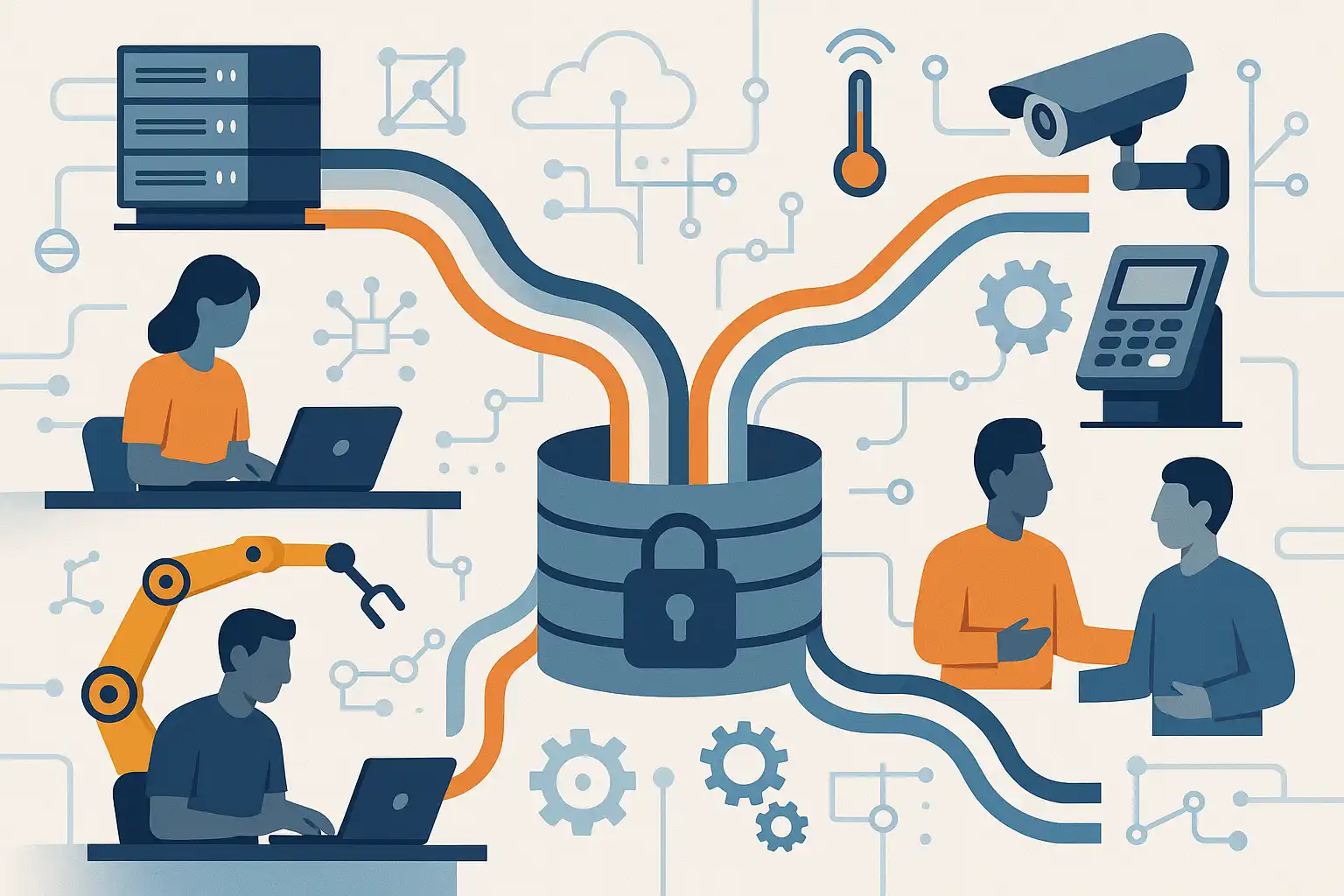
Industry-specific data science challenges are critical hurdles for organizations aiming to leverage data for strategic advantage. Key obstacles include integrating data from diverse sources, a shortage of skilled data scientists, ensuring data privacy and regulatory compliance, cleaning and preparing messy datasets, and effectively communicating insights to non-technical stakeholders. Sectors such as healthcare, finance, retail, and manufacturing face unique issues—like patient privacy, fraud detection, omni-channel analysis, and IoT integration—requiring tailored solutions. To overcome these challenges, businesses should adopt robust data integration tools, invest in ongoing staff training, implement strong data governance and security measures, automate data cleansing, and prioritize clear, visual communication of results. Customizing approaches for each industry, fostering collaboration between technical and business teams, and staying current with regulations are essential for successful data-driven strategies. Both large enterprises and small businesses can benefit from applying these best practices, enabling more efficient operations and better decision-making.

Start your data science career with a free online bootcamp—no experience or financial investment required. Free online data science bootcamps offer structured, intensive training on foundational topics such as Python, Excel, SQL, statistics, data analysis, and real-world project work. Leading platforms like Correlation One’s Data Science For All (DS4A), Fullstack Academy’s Data Analyst Accelerator, and Hack the Hood provide immersive learning, mentorship, and career support, often focusing on underrepresented groups or specific regions. Most bootcamps are remote, flexible, and designed for beginners, students, and career changers. To get started, define your goals, research eligibility, prepare basic skills, apply thoughtfully, and engage with mentors and peers. Build a strong portfolio through hands-on projects and leverage career services to enhance job prospects. While free bootcamps may have competitive entry and cover mainly fundamentals, they deliver job-ready skills for entry-level roles in analytics and data science. With commitment and continued self-study, graduates can secure interviews, internships, or junior positions. Certificates may be offered, but practical projects and networking matter most to employers. Start learning data science online for free and unlock new career opportunities today.

Time series forecasting is a specialized data analysis technique that predicts future values based on historical, time-ordered data. Unlike traditional prediction models that assume data points are independent, time series forecasting accounts for temporal patterns such as trends, seasonality, and cycles—making it essential for applications like financial market analysis, retail sales predictions, energy demand planning, weather forecasting, healthcare resource management, and supply chain optimization. Key forecasting models include ARIMA, Exponential Smoothing, Facebook Prophet, and LSTM neural networks, each suited for different data characteristics. The forecasting process involves data exploration, cleaning, feature engineering (like adding lagged variables), model selection, validation using time-series-specific metrics (RMSE, MAPE), and ongoing model refinement. Popular tools include Microsoft Excel, Python libraries (pandas, statsmodels, Prophet), R packages, and cloud platforms like AWS Forecast and Google Cloud AI. Benefits of time series forecasting include improved planning, resource optimization, and proactive trend identification. Challenges involve ensuring data quality, model selection, and adapting to unexpected events. Best practices emphasize thorough visualization, careful handling of missing data, maintaining time order during validation, and regularly updating models. Effective time series forecasting enables businesses to gain actionable insights, drive automated reporting, and make data-driven decisions.

Data conversion services are essential for organizations aiming to migrate, upgrade, or consolidate their data across new systems, platforms, or software. These services go beyond simple data transfer—they clean, deduplicate, standardize, and transform data for compatibility, accuracy, and immediate usability. Key industries like healthcare, finance, retail, technology, and manufacturing benefit most from professional data conversion, as it ensures regulatory compliance, protects sensitive information, and supports seamless operations. The typical process involves data assessment, preparation, mapping, transformation, verification, and finalization, ensuring high data quality and reduced business risk. Techniques vary for structured and unstructured data, utilizing tools like ETL software, OCR, and NLP for optimal results. Data cleaning is a critical step, boosting accuracy, efficiency, and compliance while minimizing post-migration issues. Professional services offer advantages such as expert oversight and reduced downtime but may involve additional costs and require collaboration. Best practices include thorough planning, early data validation, clear documentation, and stakeholder communication. Data conversion is vital for successful data migration, especially during legacy system upgrades, and ensures data security through encryption and strict protocols, supporting modern business needs with reliable, organized data.

Healthcare data solutions in fabric are revolutionizing patient care by integrating and harmonizing data from multiple sources such as EHRs, imaging, labs, and social determinants of health. By breaking down data silos, these platforms enable unified, real-time access to patient information, supporting faster, safer, and more personalized medical decisions. Key technologies like FHIR, OMOP, and DICOM ensure data interoperability, while AI and advanced analytics deliver actionable insights, automate diagnostics, and streamline care delivery. Fabric-based solutions enhance operational efficiency, lower costs, and support compliance with privacy laws like HIPAA and GDPR. Leading platforms, including Microsoft Fabric and Azure Health Data Services, empower healthcare organizations to move past legacy systems and manual processes, enabling proactive risk identification, tailored treatments, and advanced research capabilities. Ultimately, healthcare data fabric fosters a modern, secure, and flexible environment, driving innovation and improving patient outcomes across hospitals, clinics, and research centers.

The data science team augmentation process enables organizations to accelerate project delivery and improve flexibility by temporarily adding external data experts to their in-house teams. This approach allows businesses to quickly bridge skill gaps, scale resources for urgent or specialized tasks, and access advanced expertise in machine learning, analytics, and engineering without long-term hiring commitments. Key benefits include rapid onboarding, reduced recruitment cycles, improved team morale, and exposure to the latest tools and best practices. Successful team augmentation relies on clear role definitions, strong communication, robust project management tools (like Jira, Trello, Slack), and thorough onboarding. Leading brands such as IBM and Deloitte utilize this model to drive digital transformation. While it offers quick, scalable talent and cost-effectiveness for short-term projects, challenges include integration, data confidentiality, and potential limits to organizational learning. Measuring success involves tracking project delivery times, quality, cost savings, and knowledge transfer. Suitable for organizations of all sizes, data science team augmentation ensures agility, high-quality outcomes, and future readiness by blending internal strengths with external expertise.

Cloud-based analytics solutions empower organizations with agile, real-time insights by centralizing data access, analysis, and sharing in the cloud. These platforms enhance decision-making speed, scalability, and cost efficiency, eliminating the need for heavy on-premises infrastructure. Key benefits include instant data integration, advanced security, seamless collaboration, and powerful data visualization. Businesses can process massive data sets, spot trends, and respond immediately to opportunities or challenges, staying competitive in fast-changing markets. Features to seek in a cloud analytics platform include real-time dashboards, predictive analytics, robust security, multi-source integration, and user-friendly collaboration tools. Popular solutions like Microsoft Power BI, TIBCO, and Google Cloud offer flexible options for different needs. Cloud analytics supports a variety of industries—retail, finance, healthcare, manufacturing, and marketing—by enabling use cases such as sales optimization, fraud detection, patient monitoring, supply chain management, and campaign analysis. Implementation is straightforward with careful planning, phased rollout, and staff training. The cloud approach also improves disaster recovery and supports remote work, though businesses should consider connectivity, vendor lock-in, and compliance. Overall, cloud-based analytics solutions drive smarter, faster, and more secure business decisions for agile organizations.
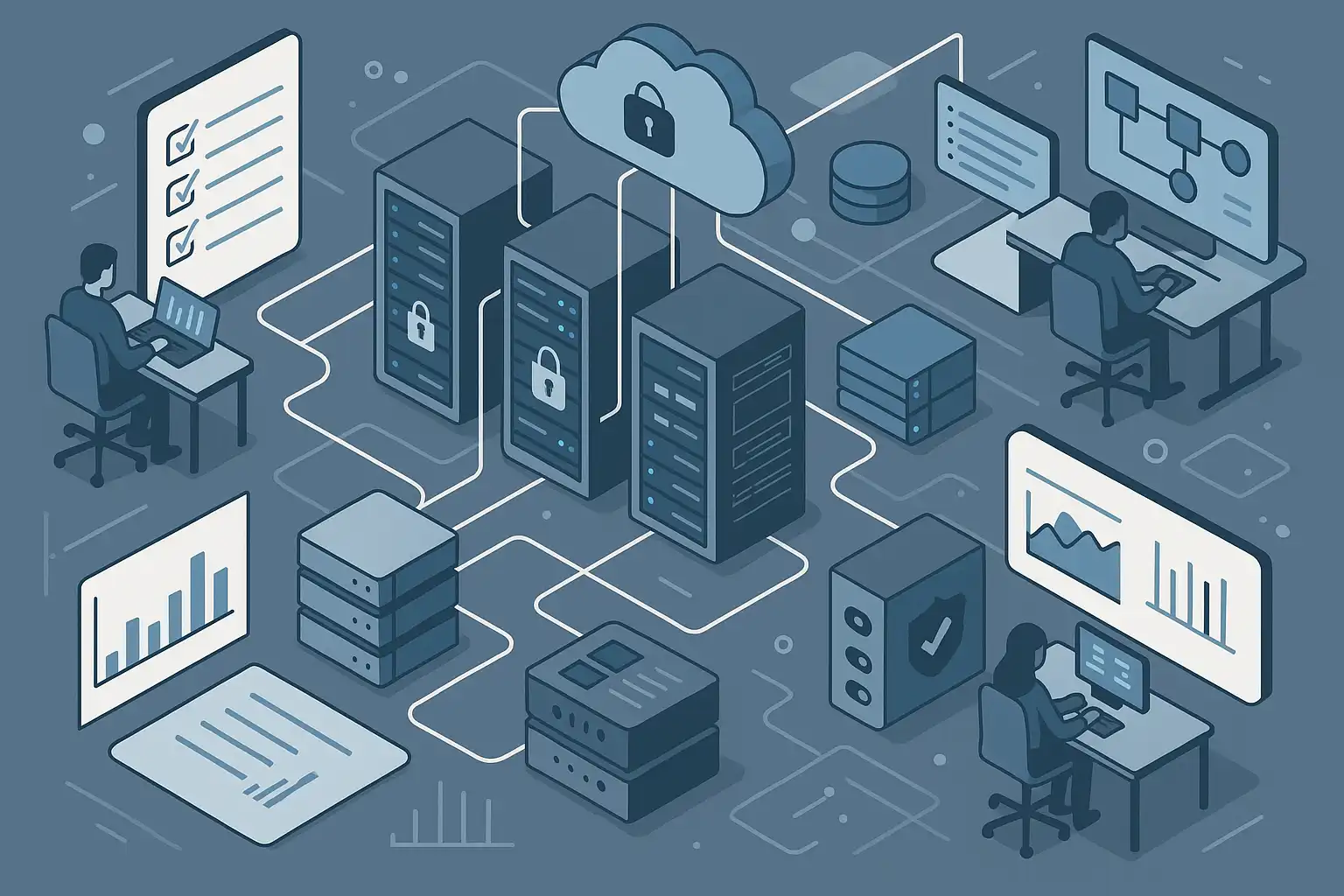
A robust data governance strategy and roadmap is vital for organizations managing personal, financial, or operational data to ensure regulatory compliance and build stakeholder trust. Key components include a clear operating model aligned with business goals, defined roles using frameworks like RACI/DACI, adequate skills and funding, structured process phases, modular and scalable technology, centralized metadata management, and automation powered by AI. Engaging stakeholders and enhancing data literacy across all levels further strengthens the governance framework. To comply with regulations like GDPR, HIPAA, or CCPA, organizations should prioritize risk-based projects, assign clear ownership, leverage modern governance platforms, centralize policies, and regularly measure and update compliance efforts. Building trust involves transparent, reliable data practices, executive sponsorship, consistent communication, and cross-functional collaboration. Implementing a successful data governance roadmap requires assessing current processes, defining goals, building a dedicated team, mapping workflows, selecting appropriate technology, ongoing training, and continuous improvement. Leading tools such as Collibra, Informatica, Alation, Microsoft Purview, and cloud platforms like AWS and Azure support these efforts with features like metadata management and policy automation. Even small organizations benefit from data governance, which enables secure, compliant, and data-driven decision-making while reducing risks and fostering business growth.

A data mining expert salary is highly competitive, varying widely based on experience, industry, job role, skills, and location. Entry-level salaries typically start at $70,000, rising to $150,000 or more for seasoned professionals, especially those with advanced skills or leadership roles. Key responsibilities include analyzing large datasets, applying statistical models, and providing insights that drive business decisions across sectors like technology, finance, healthcare, and retail. Tech and finance offer the highest compensation—often $100,000 to $180,000+—while academia and government roles pay less but may offer other benefits. Geographic location significantly impacts pay, with major tech hubs in North America, Europe, and Australia offering the highest salaries. Desired skills include Python, R, machine learning frameworks, SQL, cloud platforms, and data visualization tools; continuous learning and specialization in areas like real-time analytics or deep learning further boost earning potential. Advanced degrees can lead to higher salaries, but relevant experience and skills are crucial. Data mining expertise is transferable across industries, and staying competitive requires ongoing education and professional networking. Overall, data mining experts enjoy strong demand, excellent earning prospects, and diverse career opportunities worldwide.

Enroll in a top-rated Data Science Training Course in Noida to gain practical, industry-relevant skills and boost your career in analytics and technology. These courses, ideal for students, professionals, and career switchers, offer an industry-aligned curriculum covering Python, Java, statistics, machine learning, data visualization, databases, AI, cloud deployment, and web basics. You’ll work on real-world projects, build a strong portfolio, and receive official certification, enhancing your job prospects in IT, finance, healthcare, and more. Flexible learning formats, job placement support, mentoring, and hands-on experience set Noida’s programs apart. Courses typically last 3-6 months and include live projects, career counseling, and resume building. No advanced coding skills are needed to start—courses guide you step by step. After completion, you can apply for roles like data analyst, junior data scientist, or ML engineer, and benefit from robust employer networks. Start your data-driven career today by researching local institutes, comparing curriculums, and enrolling in a course that fits your schedule and goals. Noida’s thriving tech scene and expert-led training make it a smart choice for aspiring data professionals.

Time series forecasting is a powerful technique that leverages historical, time-stamped data to predict future trends, making it invaluable for businesses seeking data-driven planning and improved decision-making. It is particularly effective when there is consistent historical data, clear patterns or seasonality, and a need for ongoing, repeatable forecasts—such as predicting sales, resource needs, or customer demand. Organizations of all sizes, from retailers and manufacturers to energy providers and small businesses, can benefit by optimizing inventory, budgeting confidently, and adapting to changing market conditions. Modern forecasting tools, including machine learning models like ARIMA and Prophet, enhance accuracy and automate insights, enabling rapid response and continuous improvement. However, success depends on data quality, sufficient historical records, and choosing models that balance complexity with usability. While time series forecasting cannot predict unforeseen events, it significantly reduces risk by supporting better resource allocation and operational planning. To implement, identify key metrics, collect and clean data, analyze patterns, select and train a suitable model, and integrate forecasts into regular planning cycles. Ultimately, time series forecasting empowers organizations to anticipate trends, minimize losses, and align strategies with business goals.

Choosing the right machine solution provider for automation and AI is crucial for businesses seeking increased efficiency, cost reduction, and competitive advantage. A machine solution provider delivers customized AI and automation solutions, such as custom software development, robotic process automation (RPA), data analytics, system integration, and ongoing support. Leading providers tailor their offerings to specific industry needs—whether in retail, healthcare, finance, or manufacturing—ensuring scalable and secure solutions that integrate seamlessly with existing infrastructure. Key factors to consider when selecting a provider include proven industry experience, ability to customize solutions, skilled expert teams, integration capabilities, transparent pricing, and robust security and compliance standards. Top providers utilize advanced technologies like generative AI, computer vision, NLP, cloud integration, and predictive analytics to enable end-to-end digital transformation. A strong, long-term partnership with a machine solution provider ensures continuous innovation, regular updates, training, and alignment with evolving business objectives. This approach helps businesses of all sizes—from startups to enterprises—maximize ROI and stay ahead in the rapidly changing landscape of automation and AI.
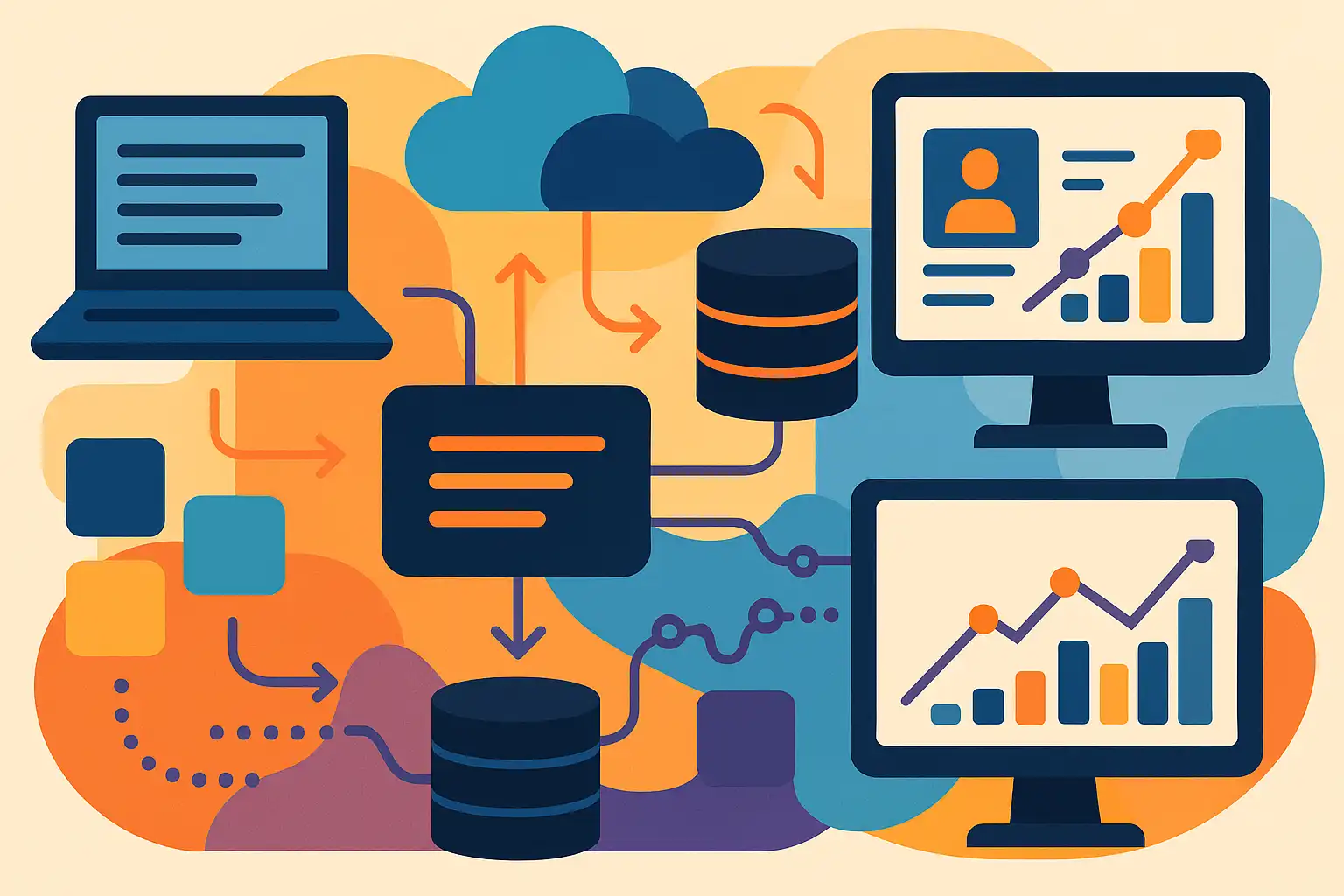
Data processing services empower businesses of all sizes to transform raw data into actionable insights, automate repetitive tasks, and make data-driven decisions. Leading companies like Amazon, Netflix, Uber Eats, McDonald’s, Starbucks, and Accuweather leverage these services for dynamic pricing, personalized recommendations, optimized deliveries, targeted marketing, and precise forecasting. A typical data processing workflow includes data collection, cleaning, transformation, storage, analysis, and visualization, allowing organizations to streamline operations and respond swiftly to market changes. Key features to consider when selecting data processing solutions include scalability, real-time processing, support for diverse data types, robust data quality assurance, actionable insights, and seamless integration with existing systems. Tools such as Apache Spark, Hadoop, Google BigQuery, Azure Data Factory, Tableau, and Power BI are popular choices for processing and visualizing data. Data processing services not only automate routine tasks and minimize errors but also uncover new business opportunities and support regulatory compliance. Even small businesses can benefit through affordable cloud-based platforms and user-friendly interfaces, making advanced analytics accessible without extensive technical expertise.

Automated reporting solutions revolutionize business data management by streamlining data collection, analysis, and distribution. By directly integrating with key data sources such as Google Analytics, CRMs, and social media through secure APIs, these tools drastically reduce manual workload, minimize human error by up to 90%, and cut report generation time by up to 50%. Key features include API-based integrations, customizable dashboards, advanced data validation, automated scheduling, collaboration tools, and robust security controls. Companies adopting automated reporting often realize significant cost savings—up to 30%—and improved ROI, especially in marketing and IT operations. Popular solutions range from business intelligence platforms (like Power BI and Tableau) to marketing analytics, financial reporting tools, and custom in-house systems. While setup and integration require initial investment and ongoing updates, the benefits include accelerated insights, centralized information, enhanced collaboration, and scalable workflows. To implement automated reporting, businesses should identify vital data sources, define KPIs, select appropriate platforms, and pilot solutions within one department before scaling. Automated reporting supports, rather than replaces, data analysts, enabling better strategic decisions. Secure and suitable for businesses of all sizes, these solutions are essential for organizations seeking efficiency, accuracy, and real-time data-driven decision-making.

Data compliance and security services are crucial for safeguarding your business in today’s digital landscape. These solutions integrate advanced technologies—such as data encryption, multi-factor authentication, automated audits, and vulnerability assessments—with regulatory practices to protect sensitive data and ensure adherence to laws like GDPR, HIPAA, and PDPA. Effective services go beyond technology, emphasizing ethical data handling, staff training, secure data disposal, and ongoing compliance reviews. They help prevent data breaches, avoid costly fines, and build trust with customers by demonstrating your commitment to privacy. When selecting a provider, prioritize comprehensive coverage, real-time monitoring, customizable controls, regulatory support, and easy integration with existing systems. Seamless implementation involves risk assessments, clear policies, robust controls, regular training, and incident response planning. Proactively adopting these services reduces risks, enhances operational efficiency, and strengthens your competitive edge—benefiting businesses of all sizes and industries.
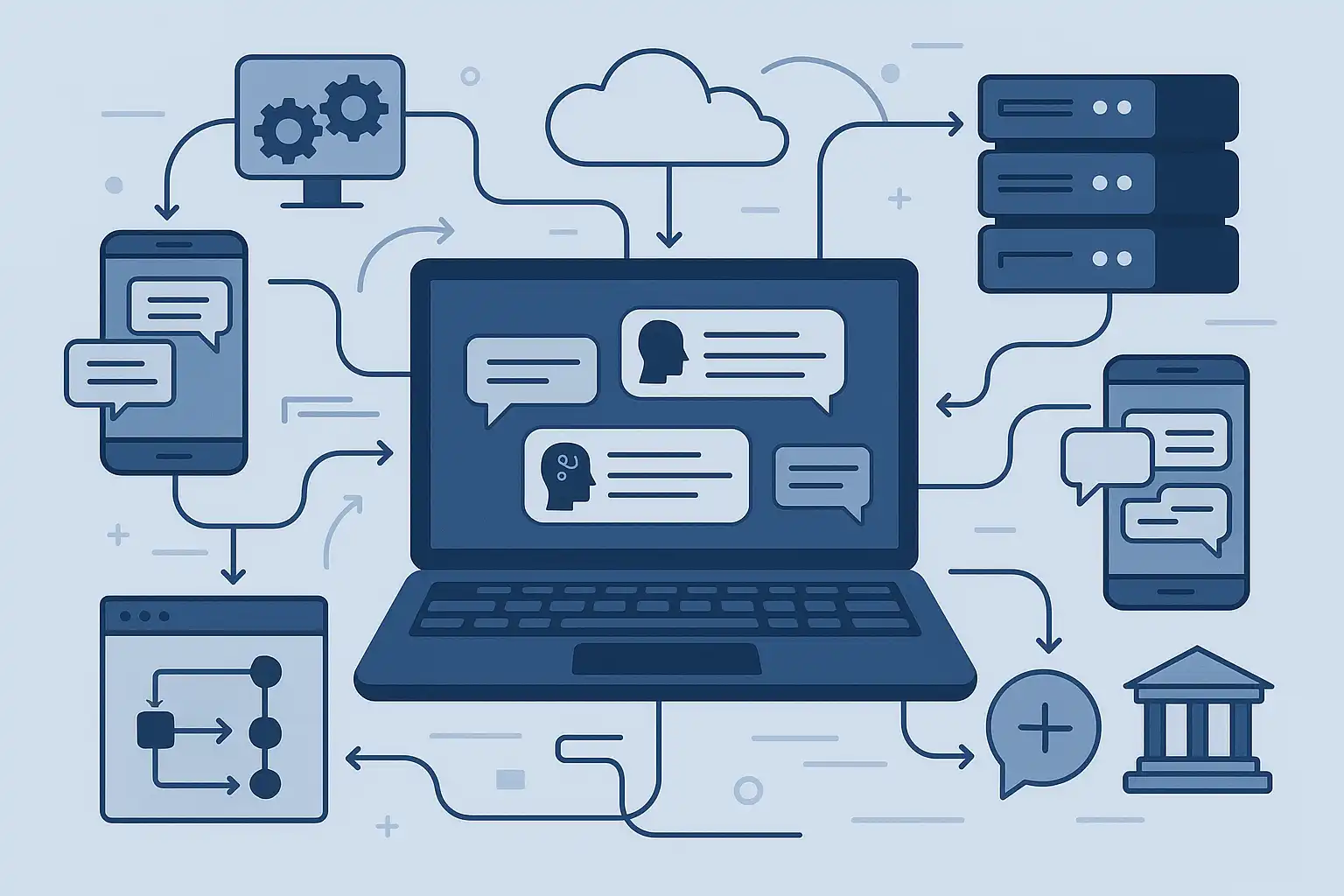
Leading natural language processing (NLP) services for conversational AI—such as Google Dialogflow, IBM Watsonx Assistant, Amazon Lex, Rasa, Kore.ai, Zendesk, Moveworks, ServiceNow, Aisera, Haptik.ai, Leena.ai, Avaamo.ai, Verloop.io, Rezolve.ai, and Conversational Cloud—empower organizations to build intelligent chatbots and virtual assistants. These platforms leverage advanced NLP, machine learning, and sometimes generative AI to understand user intent, manage context, automate workflows, and deliver natural, context-aware conversations across multiple channels (web, mobile, voice, messaging apps). Key features to consider when choosing an English-language conversational AI platform include robust NLP, integration with business tools (e.g., Microsoft Teams, Salesforce), workflow automation, security, analytics, scalability, and industry-specific solutions. Businesses in IT, HR, healthcare, education, and banking use these services to automate support, reduce costs, enable 24/7 self-service, and improve customer and employee satisfaction. Modern platforms offer low-code/no-code interfaces for easy deployment, support both text and voice interactions, and continually improve through AI-driven learning. Adopting conversational AI streamlines operations, enhances user experiences, and provides actionable insights for ongoing improvement.
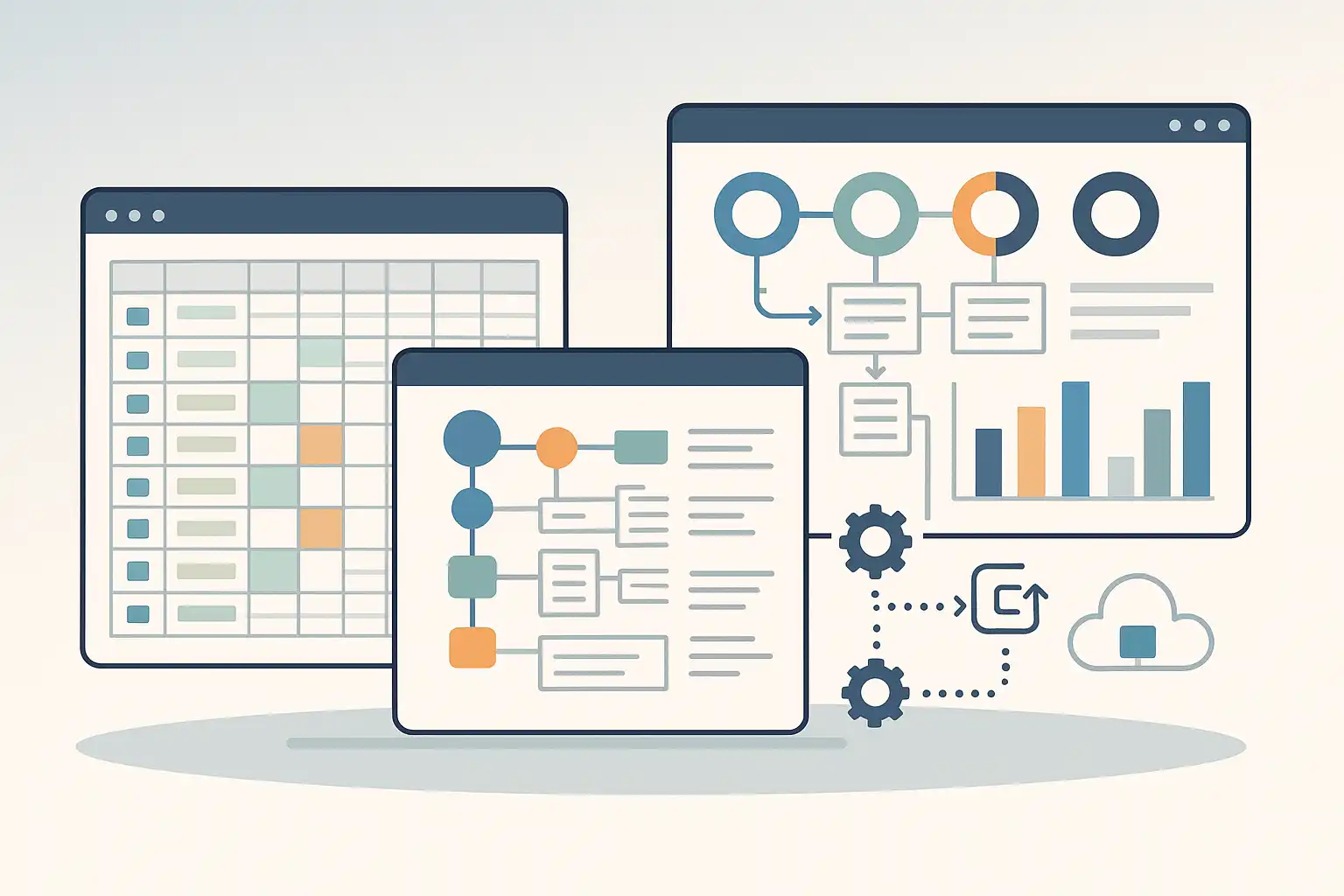
Data quality assessment forms are essential tools for ensuring your organization's data is accurate, reliable, and fit for decision-making. These structured forms or templates help you evaluate key dimensions such as accuracy, completeness, consistency, validity, timeliness, uniqueness, and data integrity. Effective forms include clearly defined quality checks, issue management fields, quality metrics tracking, automation capabilities, and compliance metadata. To choose the right form, align it with your critical datasets and business objectives, selecting relevant dimensions and integrating it into your workflow. Best practices include aligning with your data governance strategy, using standard or customized dimensions, embedding automation, supporting issue tracking, utilizing metadata, and providing team training. Automated tools like Great Expectations, Deequ, and lakeFS can enhance assessments by streamlining checks and maintaining version control, leading to more trustworthy analytics and better business decisions. Ready-to-use templates range from basic spreadsheets to advanced enterprise platforms, allowing organizations to start simple and scale as needed. Begin by selecting a key dataset, applying a basic template, and refining your process over time, ensuring data quality becomes a routine part of your business operations.
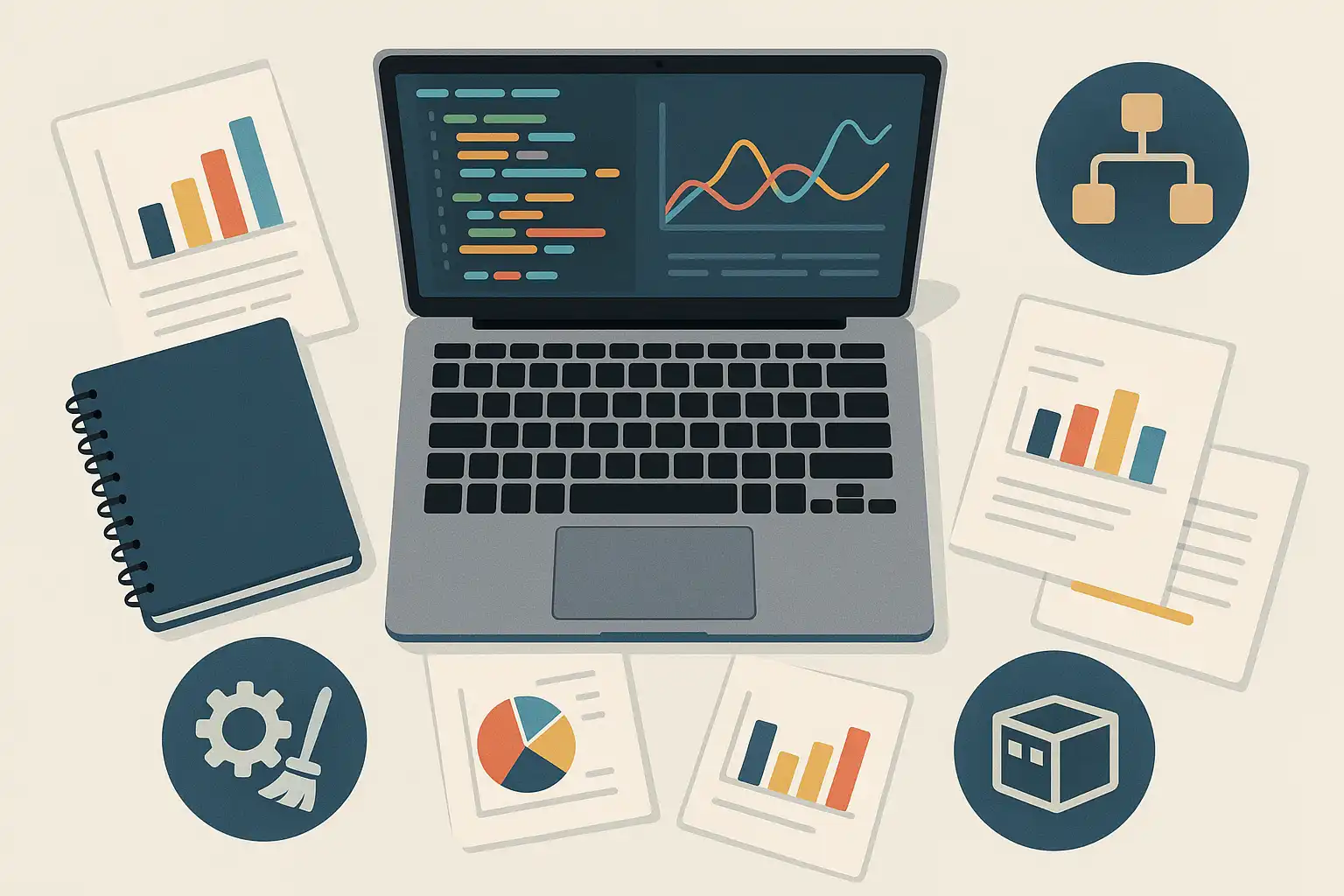
Create your own machine learning model in minutes with this step-by-step guide, perfect for beginners and professionals alike. Start by collecting relevant data, then preprocess it to ensure accuracy. Choose the right model type—regression for predictions or classification for categories—and split your data into training and testing sets. Train your model using popular tools like Python’s scikit-learn, and evaluate performance using metrics such as accuracy, precision, or mean squared error. Optimize your model with techniques like cross-validation, then deploy it using platforms like Docker and Kubernetes for scalable, real-world use. Leverage user-friendly tools such as Python and Jupyter Notebooks, and simplify development with AutoML platforms like Google Cloud AutoML and Microsoft Azure Machine Learning. Beginners should focus on learning key concepts—features, labels, and data splits—and start with simple models. Avoid common mistakes like ignoring data quality or overfitting, and always test on unseen data. Deployment is streamlined with containerization and cloud services, making your model accessible via APIs. With these best practices and resources, anyone can efficiently build, evaluate, and deploy machine learning models, accelerating innovation for both individuals and organizations.

Choosing a reliable business intelligence (BI) service provider is crucial for transforming data into actionable business insights. Trusted BI providers offer secure, scalable, and user-friendly solutions tailored to your business objectives. Key qualities include transparent alignment with business goals, advanced analytics, robust data integration, strict security measures, intuitive interfaces, responsive support, and clear pricing. Top BI providers—such as Microsoft Power BI, Tableau, Qlik Sense, Google Looker, Sisense, and Zoho Analytics—stand out for their strong security, integration capabilities, and scalability, catering to both small businesses and large enterprises. For small businesses, affordable, no-code platforms like Zoho Analytics and Sisense enable quick setup, mobile access, and seamless integration with popular business tools. Reliable BI providers deliver benefits such as improved decision-making, increased efficiency, enhanced data security, scalability, cost savings, and compliance support. When selecting a provider, define your objectives, assess technical and support needs, ensure scalability, and compare real-world reviews. Look for features like real-time dashboards, customizable metrics, drag-and-drop visualization, and strong data governance. Ultimately, the right BI partner empowers your organization with secure, actionable insights for strategic growth.
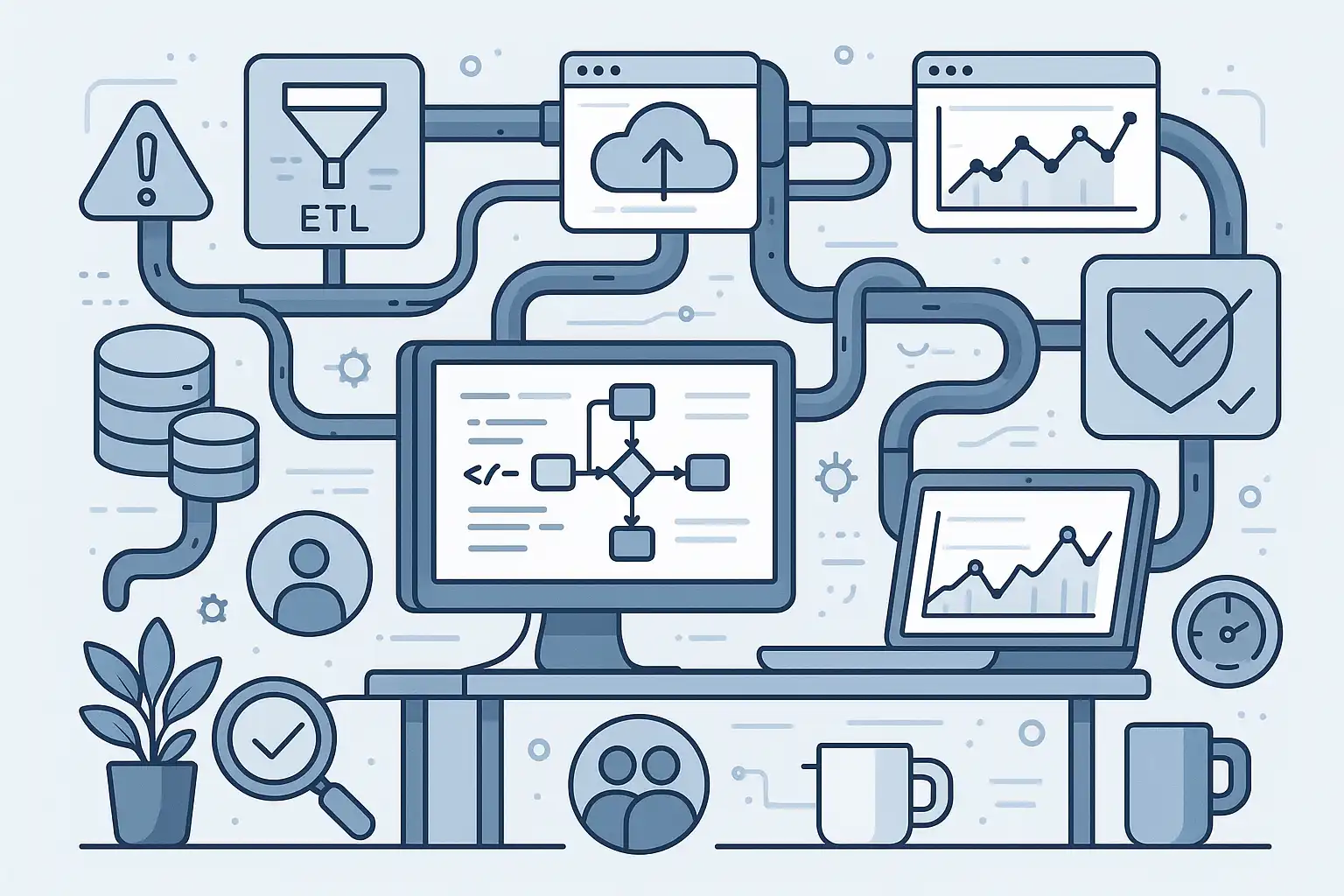
Essential Data Support Engineer Interview Questions and Answers Preparing for a data support engineer interview requires mastering both technical skills and effective communication. Common interview questions cover daily responsibilities, expertise in SQL and Python, differences between star and snowflake schemas, OLAP vs. OLTP databases, handling missing or corrupted data, and real-world project experiences. Candidates should demonstrate proficiency with ETL tools (like Apache Airflow, Talend), data modeling, troubleshooting, and data quality assurance. Interviewers also assess behavioral competencies, such as teamwork, problem-solving, stakeholder management, and adaptability under pressure. Effective preparation involves reviewing core data engineering concepts, practicing technical questions with real examples, and being ready to explain past projects and compliance knowledge (e.g., GDPR). Key tools include cloud data warehouses (Redshift, BigQuery, Snowflake), big data platforms (Hadoop, Spark), relational databases, and monitoring systems (Prometheus, Datadog). To excel, showcase your ability to design, monitor, and optimize data pipelines, ensure data quality, and communicate technical solutions clearly. Mock interviews and continuous feedback are recommended for refining your responses. Ultimately, balance technical expertise with strong interpersonal skills to stand out as a top data support engineer candidate.

Professional data labeling software is essential for developing high-quality AI systems, providing the accuracy and consistency required for effective model training. These tools enable teams to efficiently label text, images, audio, and video, ensuring data meets stringent quality standards and minimizing errors or bias. Key features to seek include multi-format support, customizable annotation guidelines, complex tagging structures, multi-annotator workflows, robust quality control, workflow management, automation integration, and continuous feedback. Such capabilities streamline annotation, enhance scalability, and support both manual and automated labeling. Top brands like Labelbox, Scale AI, SuperAnnotate, Snorkel Flow, and Amazon SageMaker Ground Truth offer flexible workflows and integrations for efficient data management. Best practices for software selection include evaluating data type support, workflow efficiency, scalability, integration options, and quality control mechanisms. Quality assurance is strengthened by involving multiple annotators and leveraging automated pre-labeling with human review. This human-in-the-loop approach ensures reliable, unbiased datasets, critical in high-stakes industries like healthcare and autonomous vehicles. Ultimately, professional data labeling software underpins AI success by delivering precise, well-annotated datasets, driving superior model performance and trustworthy results.

AI powered business intelligence (BI) revolutionizes decision-making by delivering real-time, actionable insights as data is generated. Unlike traditional BI, which focuses on historical data and delayed reporting, AI-driven platforms enable organizations to proactively identify trends, risks, and opportunities, supporting faster, smarter choices. Key features include immediate data processing, predictive analytics, automation of tasks like data cleaning and reporting, personalized dashboards, and instant alerts. These capabilities empower teams across retail, logistics, healthcare, finance, and manufacturing to optimize operations, reduce costs, and enhance customer experiences. Implementing AI powered BI involves assessing current data systems, integrating data sources, automating analytics, customizing dashboards, and training users. Challenges such as data quality and change management can be addressed through automation and staff training. AI powered BI is scalable and accessible for businesses of all sizes, breaking down data silos and fostering organization-wide agility. By leveraging AI for business intelligence, companies gain a significant competitive edge, achieving faster, data-driven decisions and improved business growth.

India is a global leader in Natural Language Processing (NLP) and AI innovation, with top companies such as Ksolves, Tata Elxsi, Fractal Analytics, Haptik, Arya.ai, Mad Street Den, Locus, SigTuple, and Uniphore driving advancements across diverse sectors. These firms excel in developing generative AI, large language models, conversational chatbots, fraud detection, and predictive analytics—delivering robust solutions for finance, healthcare, retail, logistics, and automotive industries. Leveraging India’s strong English language expertise and vast talent pool, these companies offer scalable, cost-effective, and culturally attuned NLP products, powering global brands and streamlining operations worldwide. Their technological stack includes open-source frameworks like TensorFlow and PyTorch, cloud platforms such as AWS and Azure, and custom-trained language models for English and regional languages. Indian NLP providers are recognized for their strict data security standards and ability to deliver multilingual and business-specific AI solutions. Noteworthy innovations include AI-powered diagnostics, multilingual chatbots, predictive analytics for retail, and advanced conversational platforms. This ongoing commitment to excellence, technical skill, and client-focused delivery ensures Indian NLP companies remain at the forefront of global AI and language technology.

Hiring data scientists for online jobs is an effective way for businesses to fill talent gaps in analytics, machine learning, and big data, especially when local candidates are scarce. By leveraging remote hiring, companies gain access to a global pool of skilled professionals, enabling faster, more flexible, and cost-efficient recruitment. Top platforms for finding remote data science talent include Upwork, Fiverr, Kaggle Jobs, DataJobs, LinkedIn, and specialized tech boards like Dice and AngelList. When hiring remotely, assess candidates through detailed resumes, online portfolios (e.g., GitHub, Kaggle), video interviews, and technical challenges to ensure technical and communication skills. Remote data scientists offer benefits such as scalability, lower overhead, and increased work-life balance, making them an attractive option for fast-growing or project-based needs. To ensure hiring success, clearly define job requirements, streamline the screening process, provide structured onboarding, and foster virtual collaboration. Essential skills for remote data scientists include expertise in Python or R, machine learning, data visualization, independent work, and strong online communication. By adopting these strategies, organizations can quickly and confidently hire data scientists online to drive data-driven growth and stay competitive.

The data strategy roadmap for the federal public service is a comprehensive plan designed to enhance data management, improve decision-making, and foster public trust across government departments. Central to the roadmap are four mission areas: Data by Design, Data for Decision-making, Enabling Data-driven Services, and Empowering the Public Service. The strategy emphasizes ethical data use, fairness, inclusion, and Indigenous data sovereignty, supported by strong governance and clear accountabilities, such as the role of Chief Data Officer. Key actions include setting data standards, supporting open data initiatives, building workforce capabilities through ongoing training, and implementing robust monitoring with performance indicators. These measures enable efficient service delivery, evidence-based policymaking, greater transparency, and improved collaboration. The roadmap also prioritizes privacy, security, and ethical practices, ensuring that sensitive data is managed responsibly. Successful implementation examples include improved pandemic response and faster project delivery through shared tools and open data. Challenges such as siloed data, skills gaps, and balancing openness with privacy are addressed through common standards, training, and privacy-by-design approaches. Ultimately, the data strategy roadmap creates a trustworthy, responsive government, empowering both public servants and citizens.

Data analytics empowers small companies to drive smarter growth by transforming everyday data into actionable insights. By analyzing information across marketing, sales, finance, and customer behavior, small businesses can identify new opportunities, optimize resources, and make informed decisions. Easy-to-use, cost-effective analytics tools like Google Analytics, Tableau, HubSpot, Zoho, and QuickBooks enable even non-technical teams to track key metrics, visualize trends, and improve performance. Starting with clear goals and relevant KPIs, small businesses can collect, clean, and analyze data, then act on findings to boost efficiency and customer satisfaction. The main benefits include improved decision-making, cost savings, targeted marketing, and agility in response to market changes. However, challenges such as limited budgets, lack of expertise, and data integration must be addressed, often with affordable tools or expert support. Consistent use of analytics fosters a data-driven culture, leading to collaboration, innovation, and sustained growth. For more guidance, resources like data science workflow guides and strategy alignment materials can help small businesses maximize the value of analytics.

The demand for industry-specific data science jobs is soaring across diverse sectors such as technology, finance, healthcare, retail, automotive, and media. Companies like Amazon, JPMorgan Chase, Tesla, and Walmart seek data professionals for roles involving AI, analytics, and automation. To stand out, candidates need strong programming skills (Python, R, SQL), expertise in machine learning and cloud platforms, and relevant domain knowledge—such as regulatory compliance in finance or EHR familiarity in healthcare. Building a public portfolio, earning certifications, and tailoring applications to specific industries significantly boost job prospects. Job seekers should utilize company career pages, LinkedIn, niche job boards, and networking to uncover opportunities, including contract roles via team augmentation programs. Effective communication, real-world problem-solving, and ongoing learning are essential, as employers value both technical proficiency and business insight. Adapting to sector-specific challenges, such as data privacy in healthcare or automated analytics in retail, further increases employability. Continuous skill development and proactive engagement with industry trends are key to securing and excelling in industry-specific data science roles.

Enroll in a data science training course in Delhi to unlock top career opportunities in India’s thriving tech and business hub. Delhi offers access to leading companies like IBM, Accenture, and Deloitte, renowned institutes (IIT Delhi, IIIT Delhi, Delhi University), and a vibrant network of seminars and meetups. Courses cover essential skills: Python, SQL, data visualization (Tableau, Power BI), machine learning, AI, and big data tools (Spark, Hadoop), with hands-on projects and real-world case studies. No advanced degree is needed—anyone with basic computer skills can join, making it ideal for students, professionals, or career switchers. Benefit from practical training, internships, and placement assistance for roles like Data Analyst, Data Scientist, Machine Learning Engineer, and Business Intelligence Analyst across IT, finance, healthcare, and more. Choose institutes with updated curriculum, experienced instructors, and strong industry ties to maximize learning and job prospects. Delhi’s affordable living, diverse job market, and active professional network make it the perfect place to launch or advance your data science career. Start your journey today for a brighter, data-driven future.

Data science team augmentation is a strategic approach for rapidly scaling companies to access skilled data scientists, engineers, and machine learning experts without the delays of traditional hiring. Unlike outsourcing or consulting, augmentation embeds external specialists directly into internal teams, enabling faster project delivery, smoother communication, and enhanced flexibility. This model is ideal for startups, scaleups, and enterprises facing talent shortages, tight deadlines, or evolving technical needs. Key benefits include immediate access to rare expertise, reduced recruitment cycles, cost efficiency, and minimized risk through real-time collaboration and knowledge sharing. Augmented teams frequently bring advanced skills in leading technologies such as TensorFlow, PyTorch, Apache Spark, Tableau, and major cloud ML platforms. Successful augmentation depends on clearly defined goals, open communication, and the right cultural fit. Best practices include selecting reputable providers with stringent vetting processes, prioritizing data privacy, and integrating external professionals seamlessly into daily workflows. Leading brands in fintech, healthcare, and ecommerce have leveraged data science team augmentation to accelerate innovation and maintain a competitive edge. For organizations aiming to scale quickly and efficiently, partnering with trusted augmentation providers offers a proven path to boost capabilities, modernize analytics, and drive faster results.

Text analysis services leverage advanced natural language processing (NLP) and machine learning to extract actionable insights from large volumes of unstructured text. These platforms enable organizations to quickly analyze customer feedback, social media, emails, business reports, and more—identifying sentiment, uncovering key themes, recognizing entities, summarizing content, and extracting keywords. The typical workflow includes data ingestion, preprocessing, analysis, extraction, and reporting, making it easy for even non-technical users to interpret results through user-friendly dashboards. Industries such as retail, e-commerce, banking, healthcare, legal, and media benefit significantly by improving products, detecting fraud, summarizing patient notes, and monitoring public opinion. Popular tools like MonkeyLearn, Google Cloud Natural Language, IBM Watson, and Amazon Comprehend offer scalable, secure, and accurate solutions, though challenges like messy data, language limitations, and nuanced context require careful data preparation and some human oversight. Choosing the right text analysis service involves evaluating accuracy, ease of use, security, integration, and scalability. By automating text analysis, organizations save time, reduce manual bias, and gain deeper insights, enabling more informed decisions and a competitive edge in a data-driven world.

Time series forecasting software enables businesses and organizations to predict future trends by analyzing historical, time-based data. These tools utilize advanced statistical models, machine learning, and artificial intelligence to deliver accurate forecasts for applications like inventory management, sales prediction, budgeting, and sensor monitoring. Key features include automated data import, model selection (such as ARIMA, exponential smoothing, or neural networks), data visualization, and integration with various data sources. Leading solutions include Microsoft Azure Machine Learning, Amazon Forecast, Google Cloud AI Forecasting, Tableau, IBM SPSS, and open-source Python libraries like Prophet and TensorFlow. The software is vital for reducing costs, mitigating risks, optimizing resources, and enhancing customer satisfaction across industries including retail, finance, healthcare, energy, and transportation. Choosing the best tool depends on ease of use, flexibility, data integration, visualization, accuracy, support, and budget. While these solutions automate forecasting and improve accuracy, challenges remain with data quality, sudden market shifts, and model selection. Many platforms are beginner-friendly, support real-time data, and offer scenario analysis. Combining reliable software with human expertise delivers the most robust and actionable predictions.
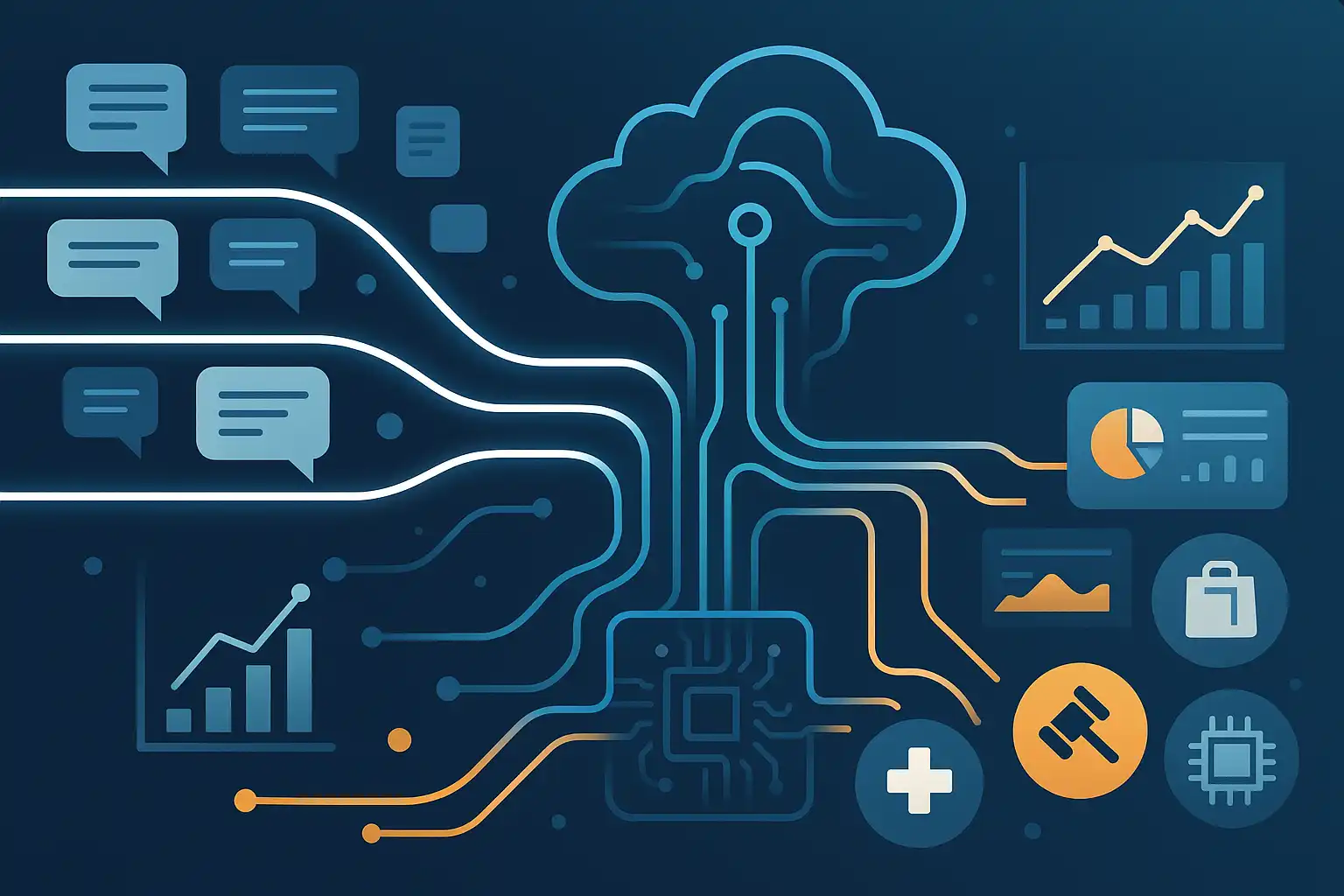
Natural Language Processing (NLP) companies leverage advanced AI algorithms to transform vast amounts of text and speech into actionable insights for organizations. By teaching machines to interpret and respond to human language, NLP firms enable efficient analysis of emails, chats, documents, and audio data across industries such as healthcare, finance, retail, legal, and technology. Their solutions automate tasks like sentiment analysis, entity recognition, and intent detection, delivering real-time, accurate, and scalable results that help businesses improve decision-making, customer experience, and operational efficiency. Leading NLP companies ensure data privacy and ethical usage through encryption, anonymization, and compliance with regulations like GDPR. They also offer customizable solutions to cater to diverse languages, dialects, and industry needs. Popular tools include open-source platforms like NLTK and spaCy, alongside commercial enterprise platforms. As AI-driven chatbots, virtual assistants, and voice technologies evolve, NLP’s role in sectors such as education, fraud detection, and media monitoring continues to expand. Even small businesses can benefit from scalable NLP services to automate communication and gain valuable insights, making NLP a strategic asset for organizations of all sizes.

Cloud-based analytics services empower businesses to make real-time, data-driven decisions by collecting, processing, and analyzing information through remote servers. Unlike traditional on-premises solutions, these platforms offer instant insights without heavy infrastructure investment, leveraging AI and machine learning for rapid analysis. Real-time analytics enables organizations to quickly respond to market shifts, detect operational changes, and personalize customer experiences, delivering competitive advantages across industries such as retail, finance, healthcare, and manufacturing. Key features to look for include live data stream integration, real-time dashboards and alerts, AI/ML support, scalability, automation, security, and user-friendly interfaces. Benefits include faster decision-making, operational efficiency, cost savings, improved logistics, and enhanced customer satisfaction. Modern solutions like Oracle HeatWave and AWS cloud analytics streamline data integration and visualization, making advanced analytics accessible even for non-technical users. Getting started involves defining business goals, identifying data sources, selecting a suitable cloud analytics provider, and configuring dashboards and alerts for continuous monitoring and automation. Secure, scalable, and cost-effective, cloud-based analytics services help businesses of all sizes anticipate trends and stay ahead in the fast-paced digital landscape.

NLP solution providers are essential for businesses seeking advanced chatbots and actionable customer insights. When choosing a provider, prioritize features such as robust security (GDPR, ISO 27001, HIPAA compliance), multilingual support, easy integration with CRM and support platforms, user-friendly interfaces, customization, scalability, advanced analytics, and transparent pricing. Leading solutions like Google Dialogflow, Microsoft Azure Language Service, Amazon Lex, Rasa, and IBM Watson Assistant offer powerful tools, while regional startups provide tailored options for local markets. Top trends for 2024 include omni-channel and voice-activated chatbots, enhanced privacy, instant deployment, and richer analytics, enabling businesses to meet global customer needs and extract deep insights. NLP providers boost chatbot performance through machine translation, context recognition, automated data collection, and ongoing optimization. To get started, assess business needs, shortlist and demo providers, check integrations, review contracts, pilot deployments, and scale as needed. Industries like retail, banking, healthcare, and travel benefit most from NLP chatbots, which streamline support and gather insights across languages. Effective integration, security certifications, and analytics dashboards are key to measuring ROI and ensuring data protection.

Text analytics solutions empower organizations to transform unstructured text—such as customer feedback, social media, emails, and surveys—into actionable insights using AI and Natural Language Processing (NLP). These tools efficiently process vast volumes of written information, revealing patterns, trends, and customer sentiment while reducing manual labor and bias. Key features include robust data preparation, comprehensive NLP techniques (like sentiment analysis and topic modeling), advanced visualizations, AI automation, customization options, and strong governance. Industries such as business intelligence, healthcare, finance, government, e-commerce, and technology leverage text analytics to drive informed, data-driven decisions. Benefits include rapid data processing, consistent and objective analysis, discovery of hidden patterns, scalability, cost savings, and actionable recommendations. Leading solutions include IBM Watson, Microsoft Azure Text Analytics, Google Cloud Natural Language, and open-source tools like spaCy and NLTK. Best practices involve setting clear goals, ensuring data quality, choosing user-friendly platforms, regularly refining models, and safeguarding data privacy. Text analytics solutions are accessible to businesses of all sizes, offering high accuracy and significant value across various written data sources, helping organizations stay competitive and responsive in a data-driven world.
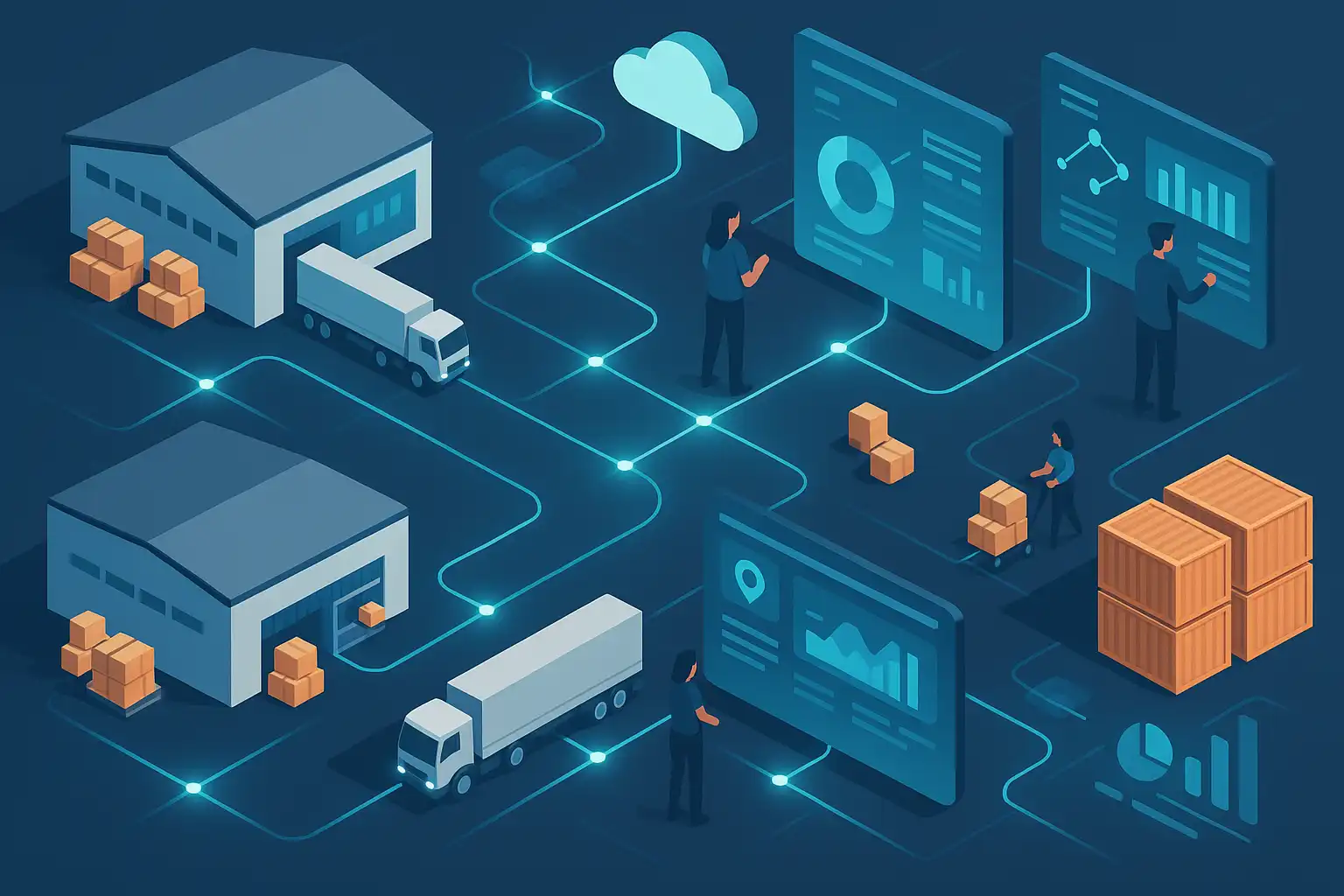
Supply chain analytics empower companies to cut costs and boost efficiency by leveraging data-driven strategies across procurement, inventory, and logistics. Leading organizations like Deere & Company, Starbucks, and Intel have achieved significant savings by optimizing logistics networks, implementing RFID for real-time inventory tracking, and improving delivery reliability with better third-party logistics. Tools such as Transportation Management Systems (TMS), cloud-based analytics, and advanced forecasting models enable firms to streamline operations, reduce excess inventory, and enhance supplier performance. Key analytics techniques—diagnostic, predictive, prescriptive, and descriptive—help identify inefficiencies, forecast demand, and recommend actionable improvements. Benefits include lower transportation and holding costs, improved market responsiveness, and greater supply chain visibility. Businesses can start by mapping current processes, gathering key data, and adopting scalable analytics tools, with many affordable SaaS options available. Continuous monitoring and iterative improvements ensure ongoing cost reduction and adaptability. Supply chain analytics are especially impactful in sectors like consumer goods, electronics, and food & beverage, setting industry benchmarks for efficiency and resilience.

Business intelligence (BI) services empower organizations to collect, analyze, and visualize data for faster, more informed decision-making. Leveraging BI tools like Power BI, Tableau, and Qlik, companies can turn raw data into actionable insights, automate reporting, and monitor key metrics in real time. Core benefits include accelerated reporting, deeper analytics, improved customer understanding, better inventory and risk management, and support for data-driven cultures. Successful BI implementation involves defining business objectives, assessing data quality, selecting suitable tools, integrating diverse data sources, creating intuitive dashboards, training staff, and continuously refining strategies. Essential metrics to track with BI include operational KPIs, reporting speed, inventory turnover, financial performance, data quality, compliance, and real-time operational data. Adoption challenges—such as data quality issues, user resistance, and legacy system integration—can be overcome through early data cleansing, inclusive planning, practical training, and agile improvement. BI services are vital for organizations of all sizes, enabling responsive, evidence-based strategies and sustained competitive advantage.

A time series service is essential for real-time streaming analytics, enabling organizations to process and analyze fast-moving, time-stamped data from sources like IoT sensors, financial transactions, and application logs. Unlike traditional batch systems, time series services capture data in chronological order, supporting instant insights, anomaly detection, and predictive analytics across industries such as finance, manufacturing, energy, healthcare, and logistics. Leading tools like Apache Kafka, Amazon Kinesis, and Apache Pulsar, along with frameworks like Flink and Spark Streaming, offer scalable, distributed solutions for handling high-velocity data streams. Key features of effective time series services include continuous data ingestion, strict ordering, automatic scaling, fault tolerance, end-to-end security, and robust monitoring. Best practices for integration involve aligning tools to workloads, optimizing partitioning, replicating data for resilience, encrypting and controlling access, and monitoring system performance. Time series services empower businesses to make data-driven decisions in real time, reduce downtime, improve operational efficiency, and gain a competitive edge. Their critical role in streaming analytics makes them indispensable for modern data-driven enterprises.
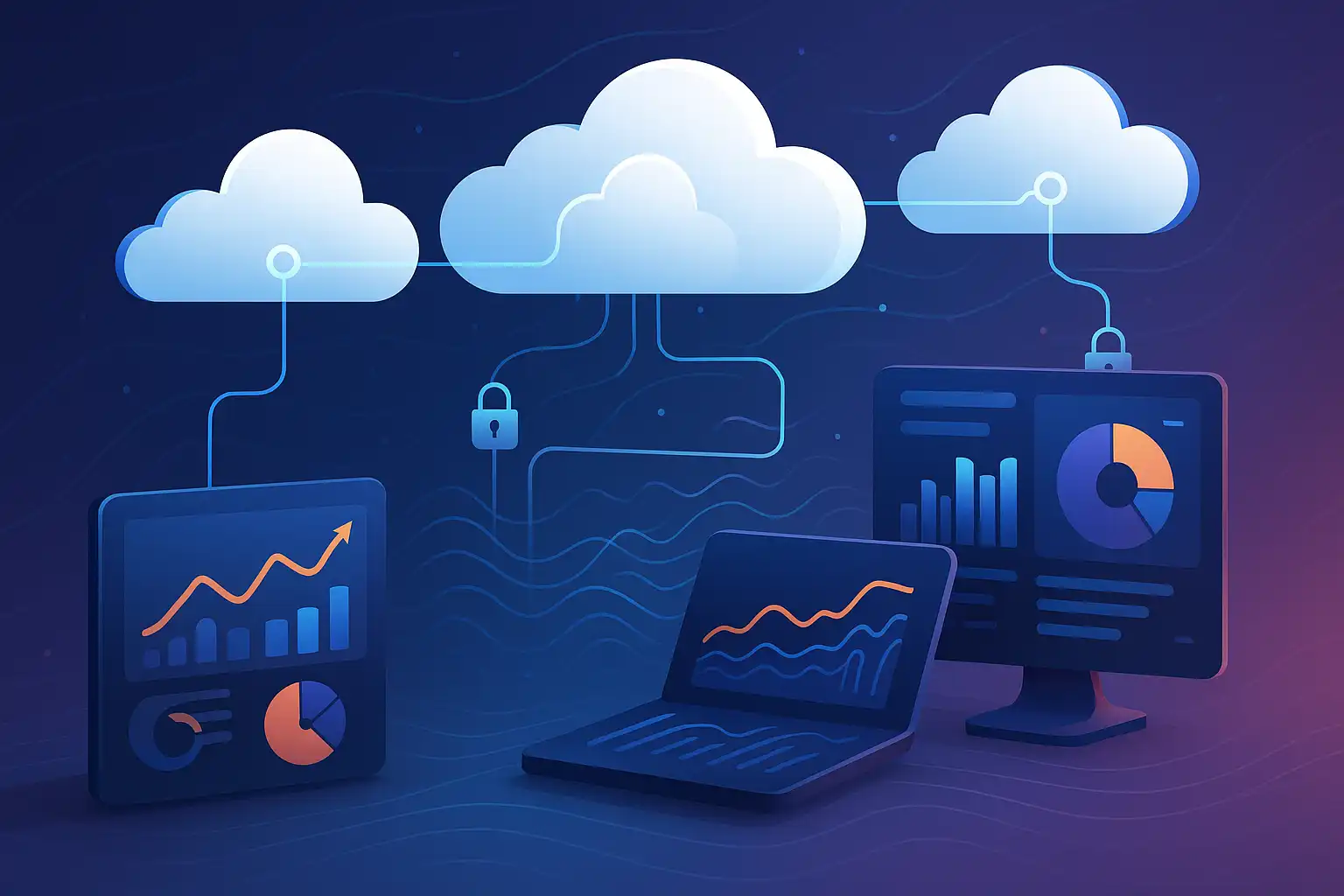
Cloud-based analytics empowers businesses with faster, more insightful reporting by leveraging scalable, secure, internet-accessible platforms. Unlike traditional on-premise tools, cloud analytics enables real-time data processing, instant access to key metrics, and seamless collaboration from any location or device. Leading providers such as Microsoft Azure, Google Cloud, and Amazon Web Services offer robust solutions that eliminate manual data exports and slow queries, allowing teams to make data-driven decisions quickly. Key features to prioritize include real-time data processing, easy integration with existing systems, customizable dashboards, and strong security measures like encryption and multi-factor authentication. Cloud analytics also supports business growth by enabling rapid innovation, accurate performance tracking, and agile responses to market changes. Popular tools such as Tableau Online, Google Data Studio, and Microsoft Power BI are known for user-friendly interfaces and powerful integrations. Transitioning to the cloud involves assessing current processes, selecting the right platform, ensuring data security, and training teams for optimal adoption. While migration may pose challenges, clear planning and ongoing communication maximize returns. Ultimately, cloud-based analytics offers businesses of all sizes a competitive edge through faster reporting, improved accuracy, cost efficiency, and secure, collaborative access to data insights.

Data science consulting jobs offer dynamic opportunities for professionals skilled in data analysis, machine learning, and business strategy. These roles involve advising companies across industries—such as finance, healthcare, retail, manufacturing, and marketing—on leveraging data to solve business problems and enhance decision-making. Typical responsibilities include client consultations, data collection and cleaning, exploratory data analysis, predictive modeling, and presenting actionable insights through clear reports and visualizations. To qualify, candidates usually need a bachelor’s or master’s degree in statistics, mathematics, computer science, or a related field, along with expertise in programming languages like Python or R, statistical analysis, machine learning, data visualization, and strong communication skills. Industry-specific experience or certifications in analytics and cloud platforms (AWS, Azure) can boost employability. Job seekers can find opportunities on company websites, job boards, professional networks, and freelance platforms. Entry-level applicants should highlight relevant projects, industry knowledge, and communication abilities. While data science consulting offers variety, learning, and career growth, it can involve tight deadlines and shifting client demands. Building a solid technical foundation, gaining hands-on experience, and networking are key steps for launching a successful consulting career in data science.

A data-driven creative agency expertly blends artistic vision with advanced analytics to deliver marketing campaigns that are both inspiring and measurable. By leveraging audience insights from digital footprints, sentiment analysis, and real-time feedback, these agencies create targeted, emotionally resonant brand experiences that drive real results. Their process includes audience listening, comprehensive data collection, insight generation, collaborative ideation, tailored content creation, and ongoing optimization. This approach benefits industries like healthcare, financial services, and fast-moving consumer goods, where trust, relevance, and rapid adaptation are essential. Key advantages include precise storytelling, measurable returns, strategic creativity, and a strong competitive edge. Businesses of any size can partner with these agencies by clearly defining objectives, reviewing past campaigns, ensuring robust analytics capabilities, and setting transparent performance metrics. Leveraging AI-powered tools and automated reporting, data-driven creative agencies enable brands to lead conversations and maximize marketing ROI through informed, impactful storytelling and continuous campaign improvement.

Data analytics empowers small businesses to make smarter decisions, maximize ROI, and drive growth by transforming raw data into actionable insights. By setting clear objectives—such as increasing leads, improving customer retention, or optimizing marketing spend—small businesses can focus their efforts effectively. Essential steps include tracking key metrics (e.g., website traffic, conversion rates, email performance), integrating data sources (like CRM, social media, and advertising), and utilizing accessible tools such as Google Analytics, HubSpot, or Tableau. Analyzing data through segmentation, A/B testing, and attribution modeling enables businesses to refine strategies, boost conversions, and improve customer satisfaction. Focusing on the right KPIs, such as bounce rates, open rates, and ROI on ads, reveals what works and where to adapt. Overcoming challenges is achievable by starting with basic analytics, aligning data strategies with business goals, and training teams on chosen tools. The process involves setting goals, auditing data, selecting the right platforms, integrating systems, and regularly measuring results for continuous improvement. Ultimately, data-driven decision making helps small businesses optimize budgets, adapt to market trends, and compete more effectively, delivering measurable benefits in profit, efficiency, and customer loyalty.

Deep learning project help from experts is essential for businesses and individuals aiming to develop robust AI solutions. Professional support ensures accuracy, efficiency, and innovation in tasks such as image recognition, natural language processing, and custom AI software development. Experts guide projects through model selection, data preparation, training, deployment, and ongoing optimization, leveraging top frameworks like TensorFlow, PyTorch, and Keras. Their experience is crucial for handling complex data, scaling solutions, meeting regulatory requirements, and addressing challenges like computational demands, data quality, model interpretability, and ethical considerations. Choosing the right expert involves assessing their proficiency with leading tools, ability to manage diverse datasets, industry track record, and communication skills. Deep learning professionals also help organizations stay current with trends such as edge AI and explainable AI, ensuring future-proof solutions. For rapid project delivery and overcoming in-house knowledge gaps, hiring data scientists or augmenting teams is recommended. Overall, expert deep learning project help accelerates innovation, minimizes risk, and delivers tailored, high-performance AI systems across industries.

Hiring data scientists on Reddit offers access to engaged, experienced professionals through active subreddits like r/datascience, r/forhire, r/freelance, and r/MachineLearning. These communities enable direct, transparent connections with freelancers and full-time candidates, ideal for niche or project-based roles. To post effectively, clearly outline job requirements, skills needed, project scope, compensation, and contact details while adhering to subreddit rules. Engaging promptly with respondents and verifying portfolios, GitHub links, and references ensures quality hires. Reddit’s pros include free posting, honest feedback, and access to passive candidates, but challenges involve manual screening, variable response quality, and no built-in verification. For sensitive or large-scale projects, supplement Reddit sourcing with formal hiring platforms or managed data science services. Combining Reddit with traditional job boards enhances reach and candidate quality. Always vet candidates thoroughly through samples, interviews, and test tasks to mitigate risks. Reddit excels for freelance, short-term, and specialized data science roles, providing a valuable alternative to conventional job boards for businesses seeking skilled data professionals.

A supply chain analytics consultant leverages advanced data analysis to optimize business operations by identifying inefficiencies, forecasting demand, and enhancing decision-making. Using tools like Power BI, Tableau, SAP, and Oracle, they analyze supply chain data—inventory, suppliers, shipping, and sales—to reduce costs, improve delivery times, and boost customer satisfaction. These consultants implement data-driven strategies including risk management, process automation, and AI integration to streamline workflows and adapt quickly to market changes. Effective collaboration involves setting clear goals, sharing accurate data, engaging cross-functional teams, and embracing new technologies. Consultants also enhance global trade compliance by monitoring regulations and recommending cost-saving strategies such as Foreign Trade Zones. Companies benefit from lower operational costs, faster deliveries, improved resilience, and better regulatory adherence. Small businesses can also gain tailored solutions to optimize their supply chains. Results often appear within months through improved reporting and process adjustments. While adopting new technologies carries some risk, consultants mitigate this via planning and training, leading to a more efficient, agile, and competitive supply chain.

Data analytics experts play a vital role in solving complex business challenges by transforming raw data into actionable insights using advanced technologies like AI, machine learning, and natural language processing. They manage the entire analytics lifecycle—from data collection and cleansing to analysis, visualization, and secure governance—ensuring accurate, compliant, and insightful results. By consolidating fragmented data into centralized repositories and automating workflows, these professionals uncover hidden patterns, predict trends, and support informed decision-making across industries such as finance, healthcare, retail, manufacturing, and telecommunications. Their expertise combines technical skills, business understanding, and clear communication, enabling organizations to optimize operations, reduce risks, and drive growth. Collaborating closely with business teams, data analytics experts align analytics projects with strategic goals, enhancing relevance and impact. Utilizing powerful platforms like Tableau, Power BI, and cloud-based tools, they deliver scalable, secure, and user-friendly solutions. While partnering with these experts accelerates ROI, improves data quality, and ensures regulatory compliance, challenges include finding the right provider and integrating analytics into existing workflows. Whether for startups or large enterprises, engaging data analytics professionals empowers organizations to harness data effectively, fostering a data-driven culture and maintaining competitiveness in dynamic markets.

Industry-specific data science customizes data analysis, machine learning, and AI to address the unique challenges of different sectors, offering businesses a competitive edge by uncovering tailored insights and predictive capabilities. This approach enables companies in industries like fintech, healthtech, retail, manufacturing, and more to optimize operations, reduce risks, and enhance customer experiences through precise, actionable analytics. Developing effective strategies involves defining clear objectives, collecting relevant data, customizing models, integrating insights into workflows, and fostering a data-driven culture. Despite challenges such as data integration, talent shortages, scalability, and compliance, organizations can succeed by starting with focused use cases, investing in training, and partnering with experts. Industry-specific data science outperforms generic analytics by aligning closely with sector needs, driving smarter decision-making for businesses of all sizes. Regular model updates ensure ongoing relevance amid evolving market conditions. Overall, tailored data science transforms raw data into strategic advantages, helping companies anticipate trends, streamline processes, and unlock new growth opportunities.

Data engineer support in India offers businesses a flexible, scalable, and cost-effective solution to enhance their data capabilities. Leveraging a vast talent pool, especially in tech hubs like Bangalore, Indian teams provide quick access to skilled professionals proficient in technologies such as Hadoop, Spark, AWS, and Azure. Key benefits include reduced hiring time, flexible staffing models, and quality technical fit, ensuring seamless integration with existing systems through expertise in ETL pipelines, cloud platforms, and agile workflows. Indian agencies emphasize clear communication, adapting to global time zones, and maintaining high standards through rigorous candidate screening. Companies benefit from tailored hiring options, transparent pricing, and proven experience in scaling data engineering teams for diverse industries including finance, healthcare, and e-commerce. Indian data engineers support building and optimizing data infrastructure, automating ETL processes, managing cloud migrations, and ensuring security and compliance. This makes India a preferred destination for startups and enterprises seeking efficient team augmentation and reliable data operations. The onboarding process involves thorough discovery, skill matching, and continuous collaboration, promoting smooth transitions and sustained productivity. Overall, Indian data engineer support teams enable businesses worldwide to scale effectively with robust, secure, and optimized data solutions.

Charlotte, NC is emerging as a key hub for enterprise data science firms that help businesses leverage data to drive growth, optimize operations, and maintain competitive advantage. When selecting a data science partner, companies should prioritize alignment with business goals, expertise in handling diverse data types securely, and proven industry-specific success. Leading firms utilize advanced tools like Tableau, Power BI, Python, AI, and machine learning to deliver customized analytics and visualization solutions. They distinguish themselves through deep domain knowledge, long-term support, adaptive contracts, and effective communication that bridges technical and business teams. Key industries benefiting include retail, manufacturing, financial services, telecom, energy, and utilities, where data science enhances supply chain management, predictive maintenance, fraud detection, and operational efficiency. Successful projects start with clear objectives, quality data assessment, collaborative model refinement, and ongoing performance monitoring. Charlotte’s top data science providers offer services ranging from predictive modeling to team augmentation, tailored to enterprises of all sizes. Maximizing value requires fostering a data-driven culture, continuous collaboration, and flexible resource scaling. Overall, choosing a firm that combines technical excellence with strong business insight is critical for unlocking actionable insights and sustaining growth in Charlotte’s dynamic market.

Custom AI and ML software development services offer tailored solutions that enhance business efficiency, automate tasks, and provide actionable insights across industries like healthcare, finance, retail, manufacturing, and logistics. Unlike generic tools, custom AI software aligns with specific business goals, workflows, and data, enabling automation, predictive analytics, intelligent chatbots, and advanced recognition technologies. Key benefits include scalability, seamless integration, improved security, and a competitive edge through smarter decision-making and operational cost reduction. The development process involves discovery, data preparation, model building, testing, integration, deployment, and ongoing support. Selecting the right development partner requires evaluating industry experience, technical expertise, security practices, and client feedback. Custom AI ML solutions empower businesses to optimize resources, personalize customer experiences, and innovate, driving growth and efficiency. Costs and timelines vary by project scope, with flexible data requirements and integration capabilities ensuring compatibility with existing systems. Investing in bespoke AI ML software is a strategic move to future-proof operations and outperform competitors through enhanced automation, risk management, and real-time analytics.

This comprehensive guide outlines how to choose and design impressive deep learning project topics that demonstrate advanced skills and solve real-world problems. It emphasizes selecting projects that combine technical depth, creativity, and practical relevance, such as fine-tuning large language models, building multi-lingual speech recognition systems, or applying generative models like Stable Diffusion. The article details a structured workflow—from problem definition and data preparation to model training, evaluation, and deployment—to ensure projects deliver tangible impact. Innovative ideas span healthcare image analysis, domain-specific LLM customization, autonomous driving perception, and reinforcement learning agents. Aligning projects with industry needs by researching trending challenges and engaging with communities enhances their value. Popular tools like TensorFlow, PyTorch, Keras, and Hugging Face facilitate development, while platforms like Google Colab offer accessible computing resources. The guide also covers best practices for reporting and presenting work, dataset selection, model integration, and hardware considerations. Overall, it serves as a practical resource for students, professionals, and researchers aiming to create deep learning projects that impress employers and contribute meaningful solutions.

Leading IoT data analytics consulting companies drive business transformation by turning massive IoT data streams into actionable insights. They offer comprehensive services including partner ecosystem strategy, regulatory compliance, staff upskilling, tailored solution design, process optimization, data management, seamless integration, and ongoing support. These consultancies empower smarter decision-making through AI-powered analytics, predictive maintenance, and real-time monitoring, enhancing operational efficiency and reducing risks. Key criteria for selecting the right firm include full-service capabilities, proven industry expertise, focus on people development, adaptability to emerging technologies, risk management, and strong market presence. Top industry players like Accenture, Deloitte, Capgemini, Cognizant, and Wipro leverage advanced cloud analytics platforms (Azure IoT, AWS IoT, Google Cloud IoT), AI/ML toolkits, data integration software, and visualization tools to deliver scalable, secure, and customized IoT solutions. Both large and boutique consultancies cater to various sectors, including healthcare and manufacturing, aligning IoT strategies with broader data governance and business goals. Ongoing support post-deployment is vital to ensure sustained compliance, security, and system effectiveness. With a focus on practical, use-case-driven development, leading IoT analytics consulting firms enable organizations to unlock the full potential of connected devices and accelerate digital innovation.

Big data strategy consulting jobs are in high demand as organizations across finance, healthcare, retail, manufacturing, and technology seek experts to leverage data for competitive advantage. These roles involve guiding companies in collecting, analyzing, and applying large data sets to align with business goals, especially amid evolving data privacy laws and AI integration. Job seekers should utilize online platforms like Indeed and LinkedIn for targeted searches and networking, tailoring applications to specific company needs. Employers prioritize candidates with a blend of technical skills—proficiency in SQL, Python, R, Tableau, cloud technologies—and strong communication, business acumen, and stakeholder management abilities. Industry trends emphasize data privacy, ethical use, AI adoption, and a shift towards actionable insights. To stand out, applicants should customize resumes, highlight project impacts, continuously update skills, network strategically, and pursue relevant certifications. Career paths typically progress from analyst roles to strategic leadership positions, with ongoing learning essential to navigate challenges such as shifting client priorities and technological changes. This dynamic field offers rewarding opportunities for those combining analytics expertise with strategic business insight.
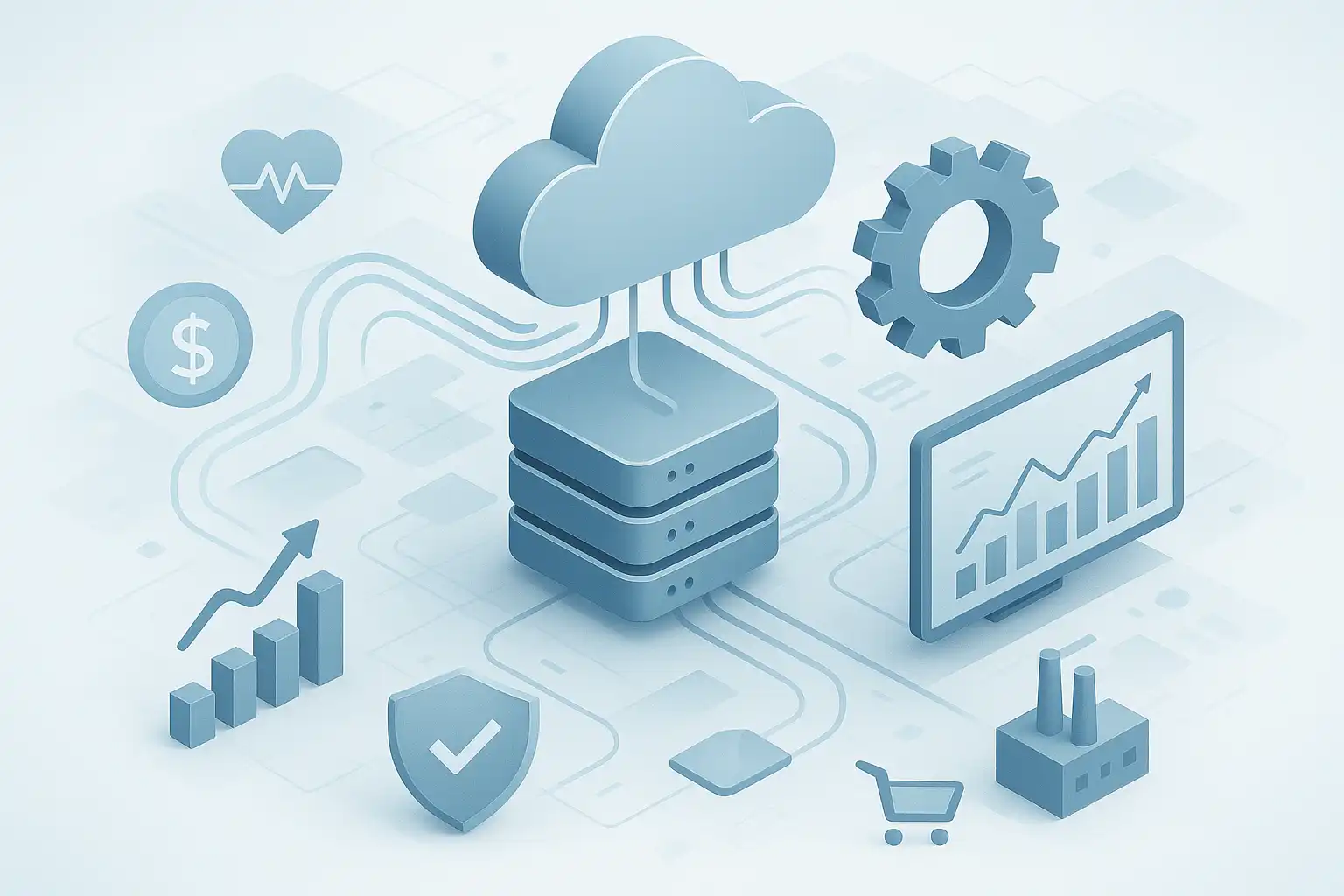
Machine learning service providers enable businesses to build, deploy, and scale AI solutions without requiring in-house technical expertise. They offer consulting, data preparation, custom model development, deployment, and ongoing support to automate processes, enhance customer experiences, and extract valuable insights. Scalability is crucial, allowing AI systems to handle increasing data and users efficiently, ensuring consistent performance and cost control. Providers use leading platforms like Amazon SageMaker, Microsoft Azure, and Google Cloud AI to deliver secure, flexible, and rapid AI development. Suitable for various industries—including retail, healthcare, finance, and manufacturing—these services help startups validate ideas and enterprises expand AI capabilities. Key benefits include faster time-to-value, expert support, and adaptable solutions, while challenges involve ongoing costs and data privacy considerations. Security is prioritized through encryption, compliance with standards like GDPR, and strict access controls. The onboarding process typically involves consultation, data preparation, model training, deployment, and continuous improvement. Overall, partnering with a machine learning service provider empowers businesses to innovate, scale efficiently, and maintain competitive advantage in an evolving market.

Data science consulting services help businesses transform raw data into actionable strategies that boost profits, optimize processes, and enhance decision-making. Effective consultants combine technical expertise with deep understanding of business needs, offering tailored solutions that focus on practical implementation and measurable results. Their workflow includes discovery, data assessment, problem framing, model building, deployment, and ongoing support, ensuring alignment with business goals. Common consulting benefits include customer insights, sales forecasting, fraud detection, process optimization, and market analysis. Choosing the right consultant involves evaluating experience, communication skills, tools proficiency, references, and support offerings. A clear data strategy is essential for maximizing consulting success, preventing wasted resources by focusing on defined objectives and measurable outcomes. Success is measured through increased revenue, cost savings, improved customer satisfaction, and faster decision-making. Data science consulting suits businesses of all sizes, especially small and medium enterprises seeking expert skills without full-time hires. While consulting offers quick wins and expert perspectives, costs and knowledge transfer require careful management. Overall, partnering with skilled data science consultants drives sustainable growth by turning complex data into clear, impactful business value.
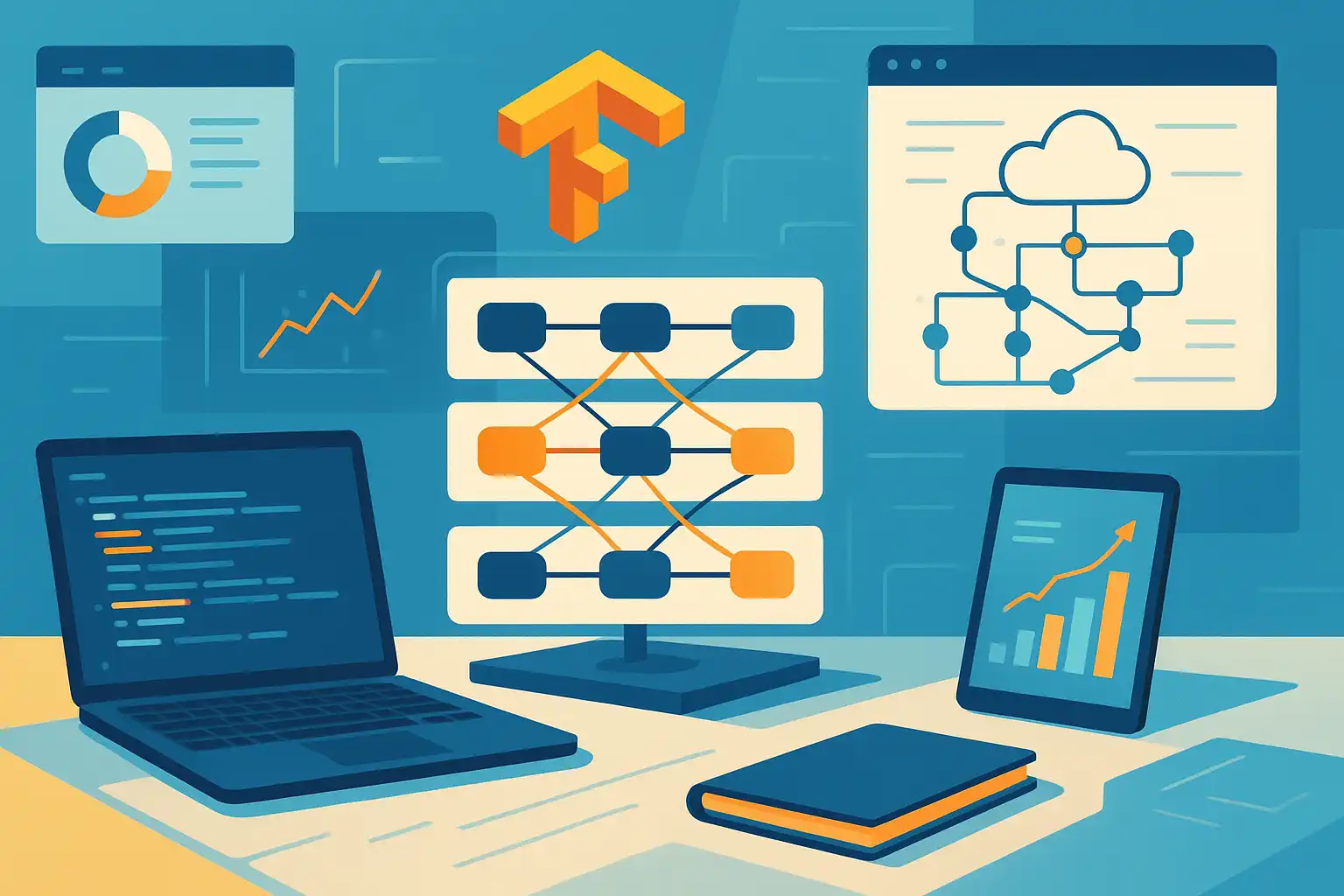
This comprehensive guide explains how to start a deep learning project using TensorFlow, a leading open-source library for building neural networks. It details essential steps, including environment setup, data preparation, model building with Keras Sequential API, compilation, training, and evaluation. The guide highlights TensorFlow’s user-friendly features like easy model construction, activation functions, and training methods, making deep learning accessible even for beginners. A practical example using the MNIST handwritten digit dataset demonstrates building an image classification model that achieves over 97% accuracy. Additionally, it covers useful tools such as Colab, TensorBoard, and TensorFlow Hub to streamline development. Common challenges like data issues, overfitting, and slow training are addressed with practical solutions. The FAQ section clarifies interpreting model outputs, expanding TensorFlow applications beyond image classification, improving models with techniques like data augmentation, and the minimal skills required to get started. This guide is ideal for beginners and intermediate learners aiming to build effective deep learning models with TensorFlow efficiently.

Analytics experts transform scattered data into actionable insights that drive smarter business decisions. They possess technical skills in programming (Python, R, SQL), data visualization (Tableau, Power BI), statistics, data wrangling, and machine learning, combined with strong communication and critical thinking abilities. Their process involves data collection, cleaning, transformation, analysis, visualization, and clear communication to deliver trustworthy insights. Partnering with analytics professionals improves decision-making, operational efficiency, customer satisfaction, and competitive advantage. Experts ensure accuracy through rigorous data validation, documentation, automation, and quality checks. Businesses across industries, from healthcare to retail, benefit by leveraging analytics for strategic planning, cost savings, and risk reduction. Analytics services range from descriptive and diagnostic to predictive and prescriptive analytics, helping organizations understand past trends, identify causes, forecast outcomes, and recommend actions. Continuous learning keeps experts updated with evolving tools and methods, including AI. Analytics expertise suits organizations of all sizes, offering tailored solutions that align with specific goals. Choosing the right expert involves assessing technical credentials, project experience, communication skills, and alignment with business challenges. Investing in analytics expertise enables data-driven growth and competitive leadership in today’s data-rich environment.

Data support engineers ensure organizations manage and utilize data efficiently by maintaining data systems, troubleshooting issues, and supporting users. Their key responsibilities include monitoring databases, performing backups, resolving system problems, ensuring data accuracy, documenting procedures, and enforcing security measures. They collaborate closely with IT teams and business units to support data integration, system upgrades, and migrations. Essential technical skills include database management (SQL Server, Oracle), ETL processes, scripting (Python, Shell), and backup solutions, complemented by soft skills like problem-solving, communication, and teamwork. Typical daily tasks involve system monitoring, handling support tickets, optimizing performance, and participating in projects. Data support engineers differ from data engineers by focusing on system maintenance rather than building new data pipelines. Common tools include SQL databases, monitoring solutions (Datadog, SolarWinds), and automation scripts. Certifications from Microsoft, Oracle, or cloud providers can enhance career prospects. Advancement to senior roles requires expertise in troubleshooting, automation, cloud platforms, and leadership. Data support engineers are vital across industries such as finance, healthcare, and retail, ensuring data integrity, availability, and security for effective business decision-making.

Real Time Data Services Gurgaon offers cutting-edge cloud computing, cybersecurity, and digital transformation solutions from one of India’s premier tech hubs. The Gurgaon office specializes in scalable public cloud services, managed cybersecurity, hosted virtual desktops, and cloud telephony, backed by ISO/IEC 27001:2022 certification ensuring top-tier data security. Supported by sister companies AceCloud and Acefone, it delivers a comprehensive portfolio including Infrastructure as a Service (IaaS), Kubernetes orchestration, GPU computing, and VoIP systems. Partnering with industry leaders like Microsoft, AWS, and CrowdStrike, the firm enables businesses to reduce IT costs, enhance operational efficiency, and leverage real-time analytics for smarter decision-making. Career opportunities at Gurgaon emphasize innovation and growth, providing employees with advanced technology exposure, mentorship, and fast-track promotions within an open, creative work culture. The office’s end-to-end services help diverse industries improve customer engagement and streamline workflows, making it a trusted partner for digital transformation. With a focus on reliability, security, and client success, Real Time Data Services Gurgaon empowers organizations to thrive in the evolving digital economy.

A data-driven digital marketing agency in India offers a free audit to help businesses enhance their online presence by analyzing real data rather than relying on assumptions. This audit evaluates website performance, SEO, content effectiveness, UI/UX, conversion rates, marketing automation, and eCommerce integrations using tools like Google Analytics, SEMrush, and Hotjar. The process includes data collection, analysis, benchmarking, and personalized recommendations, enabling businesses to identify strengths, weaknesses, and growth opportunities. Such audits provide transparency, actionable insights, and a tailored growth roadmap, helping companies optimize campaigns, improve user experience, and increase ROI, often by 20-30%. Agencies employ advanced MarTech platforms and AI-driven analytics for precise results, benefiting various industries and local markets, including specialized regional audits like those for Kolkata. The key advantage is informed decision-making that aligns marketing strategies with business goals, reducing guesswork and maximizing digital marketing investments.

Professional data labeling is essential for training accurate and reliable AI models across various industries. It involves assigning precise tags to diverse data types—images, text, audio, and video—enabling AI systems to recognize patterns and make informed decisions. Skilled annotators reduce errors, bias, and misinterpretations, crucial for applications like healthcare diagnostics, autonomous vehicles, fraud detection, and conversational AI. Labeling methods vary from manual and automated to hybrid and crowdsourced approaches, chosen based on project needs. Best practices include using expert annotators, clear guidelines, rigorous quality control, iterative improvements, and diverse teams to ensure unbiased, high-quality data. Despite challenges such as large data volumes, complexity, cost, and maintaining quality, professional labeling significantly boosts AI model accuracy, speeds up training, reduces bias, and enhances reliability and reproducibility. Hybrid approaches combining automation and human expertise optimize efficiency and precision. Industries benefiting most include healthcare, automotive, finance, and customer service. Overall, investing in professional data labeling is vital for developing robust AI systems capable of performing effectively in real-world scenarios.

Business Intelligence (BI) capabilities and effective implementation strategies are crucial for organizations aiming to leverage data for informed decision-making and competitive advantage. Core BI capabilities include data integration, warehousing, reporting, dashboards, advanced analytics, self-service tools, and collaboration features. Leading BI platforms like Microsoft Power BI, Tableau, and Qlik Sense offer these functionalities, enabling businesses to transform raw data into actionable insights. Successful BI implementation requires clear objectives, stakeholder engagement, data readiness assessment, appropriate tool selection, skill development, and an iterative rollout approach. Addressing challenges such as poor data quality, user adoption barriers, data silos, security concerns, and high costs is essential for sustained BI success. Real-world applications span retail, healthcare, finance, and manufacturing, improving operations, customer experience, risk management, and supply chain efficiency. Emerging trends highlight AI-powered BI for automated analysis and personalized insights, accelerating decision-making and market responsiveness. Measuring BI success involves tracking metrics like decision speed, data quality, revenue growth, and user satisfaction. While BI offers benefits such as enhanced forecasting, efficiency, and customer understanding, risks include privacy issues, costs, and resistance, necessitating careful planning and ongoing training. Tailored BI solutions suit businesses of all sizes, with scalable tools supporting growth and data-driven innovation.

Seeking machine learning project help from industry experts provides invaluable benefits beyond coding, including guidance from problem definition to model deployment. Experts offer deep knowledge in data mining, natural language processing, and neural networks, ensuring high-quality data preparation and effective model selection to avoid pitfalls like overfitting or underfitting. Their experience accelerates project timelines by applying best practices and advanced tools such as TensorFlow and PyTorch. Expert support turns complex datasets into actionable insights through techniques like Bayesian inference and deep learning, enhancing decision-making across industries. They help overcome common challenges, including data quality issues, model tuning, and scaling, while addressing industry-specific needs like real-time analysis and privacy concerns. When choosing experts, prioritize demonstrated technical skills, hands-on experience with large datasets, and proven success across sectors. Effective experts communicate clearly, adapt to project goals, and provide transparent collaboration. Industry support streamlines workflows, ensuring projects stay on track from data collection to model deployment and ongoing updates, reducing costs and risks. Projects in healthcare, finance, e-commerce, and logistics especially benefit from expert involvement, gaining scalable, compliant, and reliable machine learning solutions aligned with business objectives.

Reporting automation uses software to create, update, and share business reports automatically, eliminating manual tasks and reducing errors by up to 90%. It connects to various data sources, refreshing and formatting reports instantly, often with real-time dashboards for immediate insights. Tools like Power BI, Tableau, and Google Data Studio streamline reporting processes across sales, finance, marketing, and operations, enhancing accuracy and enabling faster, data-driven decisions. Benefits include saving time and costs, improving data accuracy, scalability, and fostering collaboration through shared dashboards and scheduled deliveries. Businesses adopt reporting automation to handle growing data volumes efficiently, standardize reporting practices, and improve compliance. Setting up automation involves identifying reporting needs, choosing appropriate tools, connecting data sources, designing templates, scheduling updates, and continuous refinement. Key features to look for in automation software include seamless data integration, customizable templates, automated scheduling, interactive dashboards, user access controls, and scalability. By automating workflows and ensuring real-time data accuracy, organizations gain reliable insights to respond swiftly to market changes and optimize performance. Overall, reporting automation transforms data management into a strategic advantage, delivering timely, accurate, and actionable business intelligence.
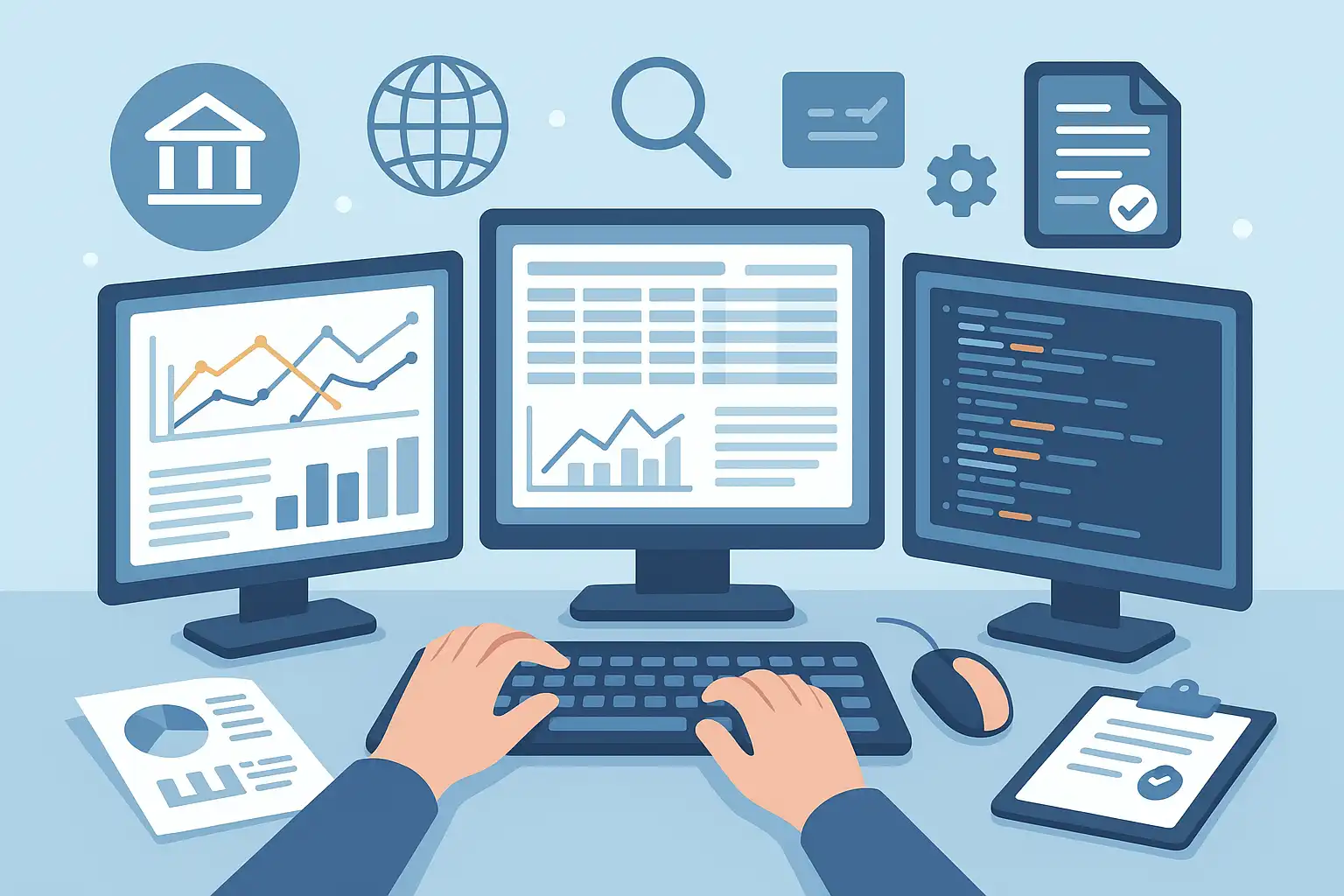
This article explores the best sources and practical tips for using public data in analysis. Reliable public data primarily comes from official government websites with domains like .gov or .mil, including platforms such as data.gov, UN Data Portal, World Bank, and regional portals like Canada’s Open Government. Public data spans diverse fields—demographics, economy, health, environment, education, and transportation—offering valuable insights for students, professionals, and researchers. Proper data preparation, or cleaning, is essential to ensure accuracy by addressing errors, missing values, and formatting inconsistencies, using tools like Excel, Python, or R. Ethical and legal considerations are critical: users must verify sources, respect privacy, follow usage policies, and credit data providers. Despite challenges like quality variance and required cleaning, public data remains a cost-effective resource supporting transparency, research, and decision-making. To maximize benefits, define clear questions, select trustworthy datasets, document workflows, and share results responsibly. Continuous learning and automation can enhance analysis efficiency. This guide emphasizes curiosity, ethical handling, and transparency to build trust and unlock the full potential of public data for varied analytical projects.

Data analytics tools are essential for small businesses aiming to drive growth by identifying trends, understanding customers, and making informed decisions. Affordable and user-friendly options like Power BI, Tableau, Looker Studio, and Google Analytics enable businesses to visualize sales, marketing, and customer data without requiring technical expertise. For predictive insights, tools such as RapidMiner and KNIME offer no-code workflows to forecast trends and sales. Tech-savvy teams can leverage programming languages like Python, R, and SQL for customized, advanced analysis. Integration with existing systems like CRM, spreadsheets, and websites ensures seamless data flow and real-time updates, enhancing collaboration and decision-making. Key features to prioritize include ease of use, integration capabilities, real-time data, powerful visualization, collaboration, and customization. Starting small with simple dashboards and gradually expanding analytics use is recommended. Analytics help small businesses uncover growth opportunities by combining multiple data sources to optimize marketing, inventory, and customer strategies. Many tools offer free or affordable plans, making data-driven growth accessible. Avoid overly complex tools and ensure data privacy and access control. Overall, tailored data analytics empower small businesses to compete effectively by making smarter, faster decisions based on actionable insights.

Data Compliance and Security Services (DCS) are essential for protecting sensitive information, ensuring regulatory compliance, and building customer trust. Reliable DCS providers offer tools like data classification, secure access, flexible IT infrastructure, disaster recovery, and modern digital solutions that surpass traditional methods. These services help businesses comply with laws such as GDPR, HIPAA, PCI-DSS, and SOX by organizing data, maintaining detailed audit trails, and managing user consent effectively. Best practices for selecting DCS providers include prioritizing modern security, thorough record-keeping, customer privacy controls, and experienced vendors. DCS aids businesses in maintaining customer trust through transparency, unified data profiles, and appointing compliance leaders. Failure to adopt robust DCS can lead to fines, data breaches, lost trust, and operational downtime. Unlike outdated paper-based or manual systems, DCS platforms use cloud storage, encryption, real-time monitoring, and automated alerts to enhance security and compliance efficiency. Regular audits supported by DCS verify adherence to regulations, uncover vulnerabilities, and prepare organizations for inspections. Integration with business software and guided transitions from traditional systems make DCS practical and effective. Overall, investing in trustworthy data compliance and security services is crucial for safeguarding data, meeting legal requirements, and sustaining competitive advantage in today’s digital landscape.

Healthcare data solutions transform patient care by collecting, organizing, and analyzing clinical and operational data to improve outcomes. These systems enable early detection of complications, identify care gaps, and use predictive analytics to forecast risks like hospital readmissions. Key components include data collection from multiple sources, structuring unorganized notes, predictive modeling, pathway analysis, and real-time alerts, all designed to unify fragmented information for timely, personalized treatment. Integration with existing hospital systems often involves natural language processing and advanced analytics to monitor patient progress and optimize resources. Popular tools include EHR platforms like Cerner and Epic, analytics software such as Tableau, and cloud services like AWS for scalable data management. Benefits include enhanced patient safety, faster decisions, and resource efficiency, while challenges involve integration costs, data privacy, and staff training. Predictive analytics reduce readmissions by identifying high-risk patients early, supporting proactive care. Privacy is safeguarded through encryption, compliance with standards like HIPAA, and controlled access. The future of healthcare data solutions lies in AI-driven, real-time monitoring and personalized care, aiming to prevent illness and improve healthcare accessibility and effectiveness worldwide.

Data science R&D services drive innovation by combining advanced research with practical data applications to solve complex business challenges. Unlike traditional analytics, these services focus on experimentation, prototype development, and custom algorithm creation to predict trends, automate processes, and discover new market opportunities. Typical projects involve defining problems, collecting data, researching, prototyping, testing, iterating, and deploying scalable solutions. Industries such as healthcare, finance, retail, manufacturing, and logistics benefit from tailored innovations like disease prediction models, fraud detection, personalized recommendations, and supply chain optimization. R&D teams utilize tools like Python, R, TensorFlow, and cloud platforms to build and scale solutions. Investing in data science R&D offers advantages over off-the-shelf tools by providing customized, proprietary technologies that adapt quickly to market changes. Challenges include accessing quality data, aligning goals with business needs, and managing resource demands. Building successful R&D teams requires diverse expertise and sometimes external augmentation for fresh insights. Both large and small businesses can leverage data science R&D to gain competitive advantages through smarter decision-making and innovative product development. Clear project goals and performance metrics are essential to measure success and maximize ROI.

Cloud-based data analytics revolutionizes real-time decision-making by enabling businesses to collect, process, and visualize data instantly via scalable cloud platforms like AWS, Google Cloud, and Microsoft Azure. This approach replaces traditional on-premises systems, offering faster insights, cost savings, and enhanced security. Key industries benefiting include SaaS, finance, retail, healthcare, and manufacturing, where immediate data access drives timely actions and improved outcomes. Cloud analytics platforms provide secure data storage, powerful processing tools, AI-driven forecasting, and user-friendly dashboards, supporting agile business needs and multi-tenant environments. Real-time analytics empower organizations to monitor trends, detect anomalies, and automate responses, enhancing operational efficiency and customer engagement. Despite challenges like data privacy and system integration, leading providers offer robust solutions to ensure compliance and data quality. Cloud analytics also facilitates collaboration across teams globally, with automatic scaling adjusting resources on demand. Small businesses benefit from pay-as-you-go models, gaining enterprise-level insights without heavy upfront costs. Overall, cloud-based data analytics transforms how enterprises harness data for predictive and prescriptive intelligence, enabling faster, smarter, and more secure business decisions in a competitive digital landscape.

Image classification solutions are vital for developing accurate vision AI systems across industries such as healthcare, automotive, retail, and manufacturing. These solutions leverage advanced models like Convolutional Neural Networks (CNNs) and Vision Transformers (ViTs) to analyze images, detect objects, and enable real-time decision-making. Effective image classification depends on high-quality data preprocessing, including resizing, normalization, and augmentation, as well as model training techniques like transfer learning and hyperparameter tuning. Key challenges include limited labeled data, privacy concerns, and balancing model complexity with deployment constraints, especially on edge devices. Best practices emphasize clean, diverse datasets, continuous model monitoring, and regular updates to maintain accuracy. Current trends focus on self-supervised learning, edge computing, and explainable AI to enhance performance and trustworthiness. Popular tools and platforms like TensorFlow, PyTorch, Google Cloud Vision, and OpenCV support rapid development and deployment. Ultimately, customized AI development and expert consultation can accelerate innovation and ensure tailored solutions for specific industry needs, delivering improved efficiency, safety, and insights through precise image classification.

A data support engineer ensures the reliability and efficiency of an organization’s data infrastructure by troubleshooting databases, pipelines, and data systems. Key responsibilities include diagnosing issues, incident response, monitoring systems, maintaining software, documenting procedures, and supporting users. These professionals serve as a bridge between IT, data teams, and end-users, playing a vital role in preventing downtime and ensuring smooth data flow. Essential skills for success include technical troubleshooting, proficiency in SQL and databases, scripting (Python, Shell), familiarity with cloud platforms (AWS, Azure, Google Cloud), monitoring tools, strong communication, teamwork, and attention to detail. A bachelor’s degree in computer science or related fields and certifications like CompTIA Data+, Microsoft Azure Data Engineer, or AWS Certified Data Analytics enhance career prospects. Data support engineers work across various industries such as tech, finance, healthcare, and retail, using tools like MySQL, PostgreSQL, Talend, Prometheus, and Jira. The role offers career growth into senior support, data engineering, or cloud roles and is highly demanded due to increasing reliance on data. While rewarding, the job can be fast-paced and stressful, requiring adaptability and calm under pressure. Unlike data engineers who build pipelines, data support engineers focus on maintaining and troubleshooting existing systems to ensure seamless data operations.

Automated services leverage AI, software, and machines to streamline repetitive tasks across industries, enhancing efficiency, accuracy, and productivity. Key sectors benefiting include finance, healthcare, manufacturing, education, energy, construction, and pharma. Examples range from AI-driven fraud detection in finance to automated patient scheduling in healthcare and robotic assembly in manufacturing. Automation accelerates data handling, reduces errors, ensures compliance, enables real-time reporting, and optimizes resources. Despite challenges like user resistance, data quality issues, and integration complexity, solutions such as staff training, data cleansing, and no-code platforms facilitate smooth adoption and scalability. Automation primarily targets routine, rule-based tasks, allowing employees to focus on creative, judgment-intensive work without replacing jobs. Both large enterprises and SMEs can implement scalable, cloud-based automated solutions tailored to their needs. Overall, automation significantly cuts costs, speeds approvals, improves compliance, and delivers actionable insights, driving competitive advantage across diverse industries.

Data processing services help businesses efficiently manage large volumes of data through tasks like data entry, cleansing, conversion, validation, and analysis. By outsourcing these labor-intensive processes, companies can focus on core activities, reduce errors, save costs, and improve decision-making with accurate, real-time information. Key features to look for in data processing services include accurate data capture, thorough cleansing, advanced analytics, seamless integration, strong security, scalability, and automation using AI or machine learning. Outsourcing is especially beneficial for scaling operations, managing seasonal spikes, and accessing expert resources without heavy infrastructure investment. Industries such as healthcare, retail, finance, and logistics rely heavily on these services to ensure compliance, enhance customer experience, and optimize supply chains. Leading providers like IBM, Microsoft, and Google offer robust platforms that support fast, secure, and flexible data handling. Overall, data processing services streamline workflows, reduce operational costs, minimize errors, and empower businesses with actionable insights, making them essential for growth and competitiveness in today’s data-driven market.

AI integration is revolutionizing company workflows by automating routine tasks, reducing errors, and accelerating service delivery across industries like finance, healthcare, retail, and logistics. Utilizing low-code platforms such as Decisions.com enables businesses to deploy AI-driven automation without extensive technical expertise, transforming manual processes into efficient, intelligent workflows. Key AI tools include Robotic Process Automation (RPA), machine learning, natural language processing (NLP), and process mining, all enhancing decision-making and operational agility. Successful AI adoption involves identifying critical processes, setting clear goals, choosing compatible tools, integrating with existing systems, and continuous monitoring and improvement. Challenges like legacy system compatibility, data quality, employee resistance, and compliance require strategic planning and training to overcome. Treating AI integration as an ongoing journey fosters innovation, boosts productivity, and drives customer satisfaction. Scalable AI solutions are accessible to businesses of all sizes, enabling faster processing, cost savings, and improved outcomes. This modern approach empowers employees to focus on higher-value tasks, increasing engagement and supporting sustainable growth.

Data migration consultants play a crucial role in ensuring the accurate, secure, and efficient transfer of data between systems during organizational changes such as ERP upgrades or cloud migrations. Their responsibilities include analyzing existing data, planning migration strategies, cleansing and transforming data, selecting appropriate tools, and validating results to maintain data integrity. They coordinate with cross-functional teams, document processes, provide training, and support post-migration issues. Consultants prioritize data security by implementing encryption, compliance with regulations like GDPR, and rigorous testing and backup procedures. Essential skills include expertise in ETL tools, programming, data modeling, and strong project management and communication abilities. Organizations rely on these consultants to minimize downtime, prevent data loss, ensure regulatory compliance, and navigate complex challenges with contingency planning and process automation. While small projects may not always require a consultant, their involvement significantly reduces risks in complex or sensitive migrations. Commonly used tools include Informatica, Talend, SSIS, and custom scripting in Python or SQL. Overall, data migration consultants enhance the reliability and success of data transfer projects, enabling businesses to maintain smooth operations and prepare for future technological changes.

Customer Behavior Analysis Services LLC specializes in evidence-based Applied Behavior Analysis (ABA) therapy to support children with autism and their families. Their mission is to enhance life quality through personalized treatment plans focused on skill acquisition, compassionate care, and community involvement. Using a data-driven approach, they assess each child’s strengths and needs, develop tailored plans, monitor progress, and adjust interventions to ensure effective outcomes. Their services benefit healthcare providers, educational institutions, and community organizations by fostering inclusive environments and improving communication, daily living, and social skills. The company prioritizes ongoing staff training, ethical standards, and caregiver education to maximize therapy success. While ABA requires commitment and may have regional limitations, the measurable, adaptable, and person-centered methods provide reliable results. Beyond healthcare, their behavior analysis principles offer valuable insights for businesses aiming to enhance customer understanding and service quality. Customer Behavior Analysis Services LLC emphasizes collaboration, continuous improvement, and real-world impact, making their ABA services a trusted choice for families seeking comprehensive autism support.

Seasonal time series forecasting predicts future values by analyzing data with repeating cyclical patterns over time, such as increased ice cream sales in summer or higher electricity use in winter. This approach helps businesses, researchers, and planners anticipate demand fluctuations, optimize inventory, staffing, and pricing. Recognizing seasonality involves identifying consistent patterns at fixed intervals using visualization tools like Excel, R, or Python. Common forecasting methods include moving averages, exponential smoothing, ARIMA, and Facebook’s Prophet, each suited for different complexity levels. Key steps involve gathering regular interval data, visualizing trends, detecting seasonality, selecting a forecasting model, building and testing it, and applying predictions for informed decision-making. Avoid pitfalls like ignoring external events or overfitting by validating models and handling outliers carefully. While seasonal forecasting is simple and effective when patterns are regular, it requires sufficient historical data, typically covering multiple seasonal cycles, and may miss unexpected events or new trends. Beginners can start with Excel or Google Sheets, while advanced users may leverage programming languages and cloud-based analytics platforms. Overall, seasonal time series forecasting is a valuable tool that transforms historical patterns into actionable insights for better planning across industries.

"Managing Data Science Projects" by Kirill Dubovikov is a leading guide for effectively overseeing data science initiatives. Unlike traditional IT projects, data science projects involve uncertainty, messy data, and cross-functional collaboration. This book offers a comprehensive framework for defining clear objectives, motivating diverse teams, managing stakeholder expectations, and delivering real business value. It emphasizes iterative discovery, agile methodologies, and the importance of communication between technical and non-technical stakeholders. Readers benefit from practical tools such as templates, checklists, risk assessments, and real-world case studies across industries like banking and healthcare. The book addresses common challenges including poor problem definition, shifting requirements, technical debt, and measuring impact. Ideal for project managers, data scientists transitioning to leadership, analysts, engineers, and executives, it provides insights on aligning stakeholders, fostering collaboration, and maintaining motivation. Updated with modern agile and lean practices, it helps teams navigate the unique demands of data-driven projects. By applying the book’s strategies, you can improve project kickoff, progress tracking, risk management, and business-focused outcome measurement, ensuring smoother, more successful data science project delivery across organizations of any size.

Business analysis services are crucial for aligning organizational strategy with effective project delivery. They translate high-level business goals into actionable requirements, ensuring clear communication between executives, managers, and technical teams. By understanding strategy, engaging stakeholders, designing solutions, and validating outcomes, business analysts bridge the gap between planning and execution. Common methodologies include Waterfall, Agile, Lean, and Six Sigma, tailored to fit project needs. These services enhance communication through workshops, documentation, and visual aids, reducing misunderstandings and accelerating results. Benefits include clearer priorities, reduced risks, faster delivery, improved employee engagement, and measurable success. Poor alignment often leads to project failures and wasted resources. Organizations can start by identifying misalignments, involving stakeholders, defining success, choosing appropriate methodologies, and investing in skilled analysts. Popular tools supporting business analysis include process mapping, requirements management, and collaboration platforms. Business analysis is distinct from project management, focusing on defining the “what” and “why” behind projects. Industries ranging from finance to healthcare benefit from these services, and small businesses can also leverage them to improve processes and outcomes. Ultimately, business analysis services ensure that strategic objectives translate into tangible, successful results.
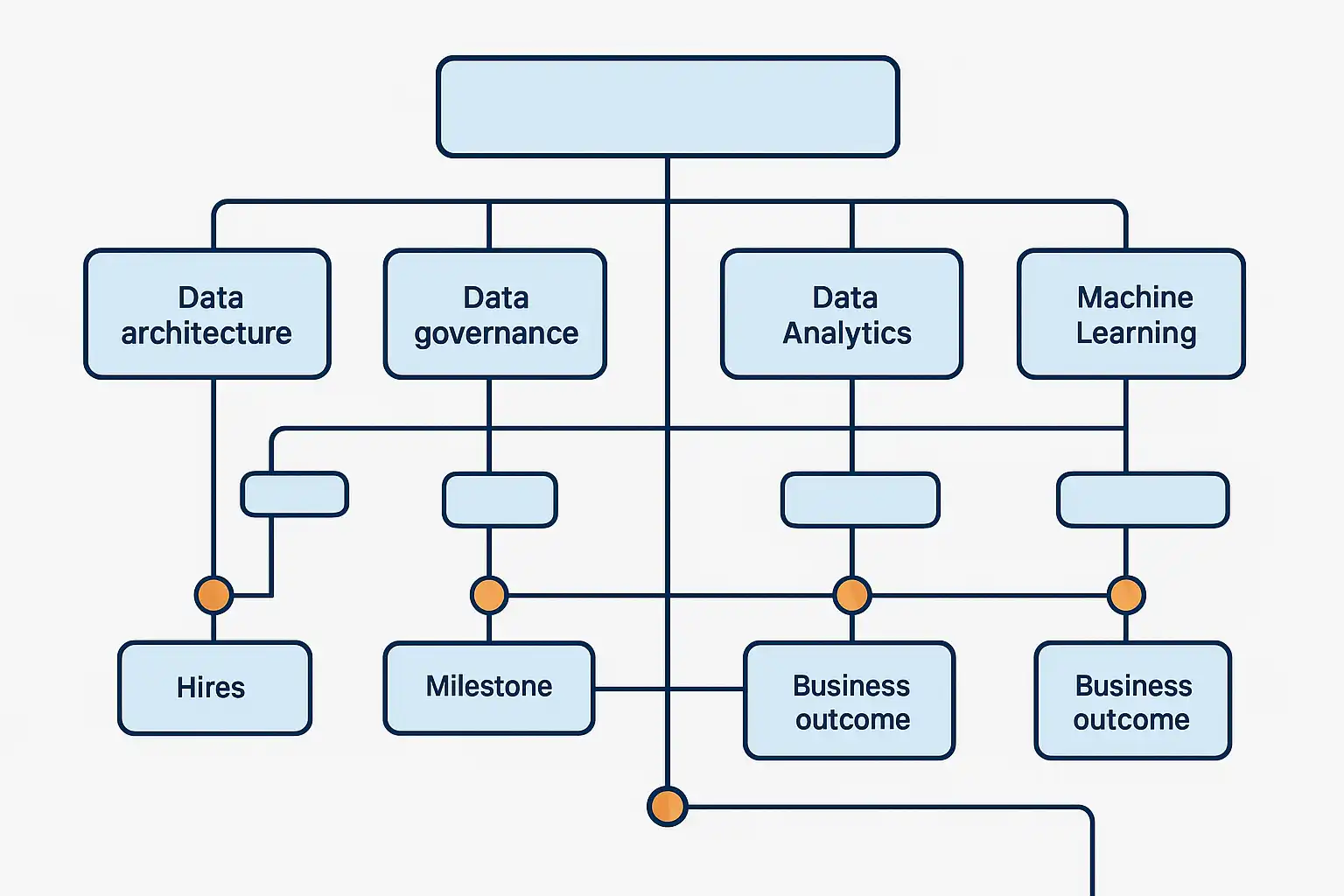
A customizable data strategy roadmap template is essential for planning and managing data initiatives aligned with business goals. It structures key components such as data architecture, governance, analytics, AI/ML, and talent strategy, linking each initiative to measurable outcomes like ROI or customer retention. Tailoring the template to your organization's unique needs ensures relevant prioritization, resource planning, risk management, and stakeholder alignment. Best practices include engaging stakeholders early, setting clear timelines, specifying deliverables, emphasizing business impact, and maintaining the roadmap as a living document with regular updates. Effective roadmap management fosters transparency, supports decision-making, and enhances adoption by clarifying dependencies and staffing needs. Utilizing collaborative tools like Excel, Google Sheets, or specialized platforms enables seamless tracking and communication. Ultimately, a well-customized data strategy roadmap drives better data management, improves operational efficiency, and empowers executives and teams to make informed, timely decisions that propel business success.
This practical guide explains the importance of using a data science project management template to streamline team workflows, improve communication, and enhance project outcomes. A well-designed template organizes key stages such as project overview, data collection, exploratory data analysis, modeling, evaluation, deployment, documentation, roles, timelines, and risk management. Templates can range from simple checklists to integrated tools in platforms like Trello, Asana, Jira, Notion, or specialized data science environments like Dataiku and Azure ML Studio. Implementing a template involves selecting the right tool, customizing it to fit team needs, assigning responsibilities, and regularly updating it. Benefits include improved structure, consistency, onboarding, and progress tracking, while drawbacks may involve rigidity or over-documentation if not maintained. Customization is essential to address specific project or industry requirements. Common pitfalls include neglecting communication, overcomplicating templates, and ignoring updates. Both large teams and solo practitioners benefit from templates that balance detail and usability. Regular reviews ensure continuous improvement. Overall, adopting tailored data science project management templates boosts team productivity, accountability, and successful delivery of complex data projects.

Personalized learning powered by machine learning (ML) is revolutionizing education by tailoring lessons, feedback, and resources to individual student needs, skills, and learning paces. ML algorithms analyze student data—such as quiz scores and response times—to adapt content in real time, enhancing engagement and reducing frustration. Key applications include adaptive learning systems, intelligent tutoring systems, predictive analytics for early intervention, personalized recommendations, and support for learners with special needs. Common ML techniques like classification, recommendation systems, regression, and clustering enable dynamic content adjustment and targeted feedback. Benefits include increased motivation, improved outcomes, reduced anxiety, and greater independence for students, while empowering teachers with actionable insights for curriculum planning. Challenges involve data quality, access to technology, algorithmic bias, and privacy concerns, requiring responsible data management and collaboration among educators, parents, and technology providers. Beyond traditional classrooms, ML-driven personalized learning extends to corporate training, professional development, language learning, and test preparation, supporting lifelong education. Future trends promise deeper personalization, enhanced natural language processing, immersive VR/AR experiences, cross-platform integration, and broader inclusion. Ultimately, ML-enhanced personalized learning aims to close achievement gaps, foster equitable education, and empower both learners and educators in diverse settings.
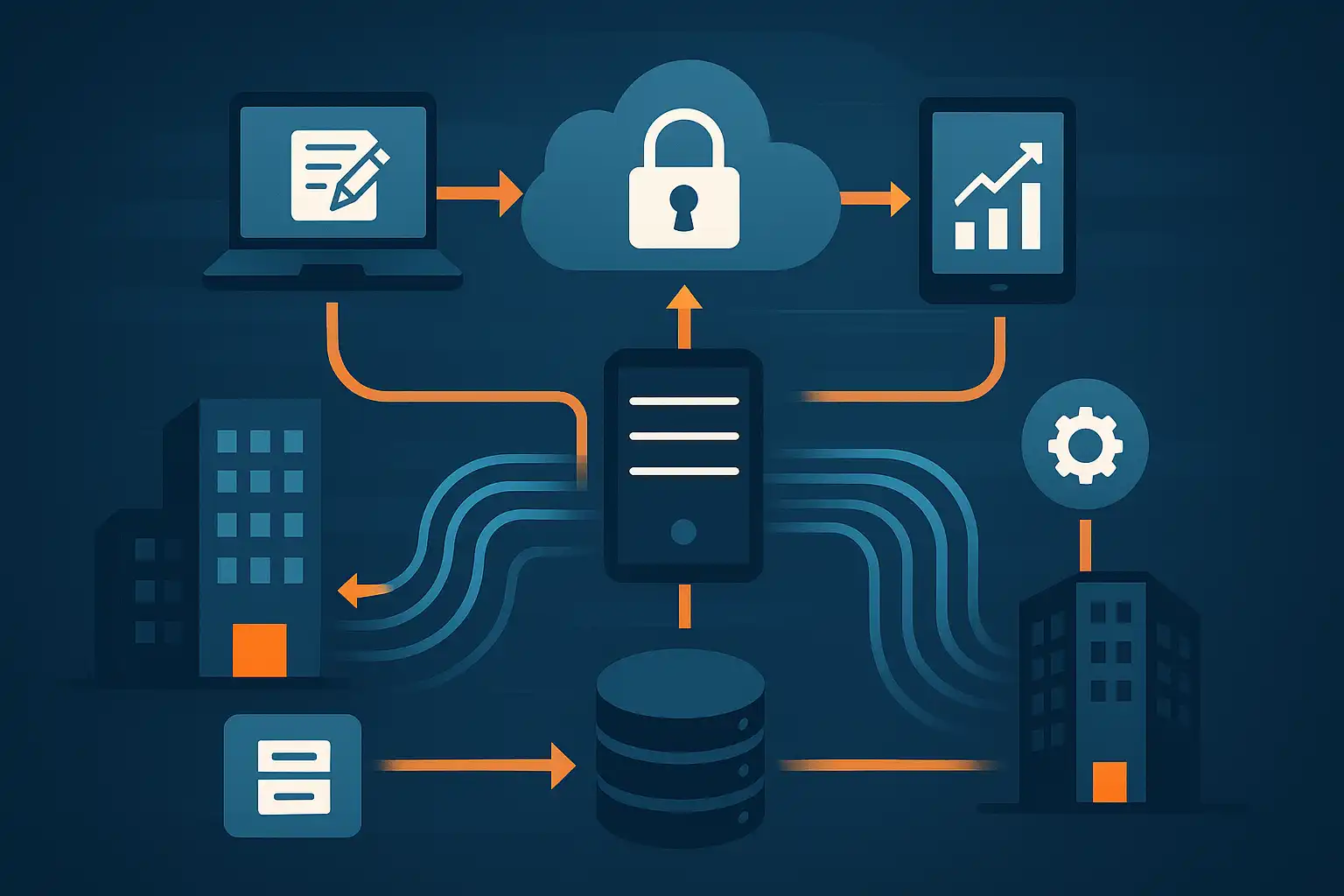
Data outsourcing involves hiring external providers to manage data-related tasks like entry, processing, migration, analytics, and storage. This practice helps businesses reduce costs, access specialized expertise and advanced technology, and focus on core operations. Common outsourcing types include data cleansing, visualization, and big data projects, often supported by AI and cloud-based platforms. Key benefits are cost savings, improved accuracy, scalability, enhanced compliance, and 24/7 support. However, challenges such as data security risks, integration issues, communication barriers, and potential hidden costs must be carefully managed. Successful data outsourcing requires selecting a reliable partner with proven expertise, strong security measures, transparent pricing, and good communication. Industry trends emphasize AI automation, cloud services, outcome-based contracts, and niche specialization. To ensure project success, businesses should clearly define objectives, set performance metrics, maintain open communication, plan onboarding, and continuously monitor security. Overall, data outsourcing offers scalable, efficient solutions for managing growing data demands while mitigating risks through strategic planning and trusted partnerships.

Data science R&D services salaries vary widely based on experience, industry, location, education, and company size. Entry-level professionals in the US earn around $98,000, rising to over $113,000 mid-career, with senior roles reaching median salaries of $124,000 or more. Industries like real estate ($168,634), information technology ($166,562), and agriculture ($151,636) offer some of the highest median salaries. Advanced degrees (master’s or PhD) and specialized skills in AI, deep learning, and cloud computing significantly boost earning potential. Location impacts pay, with tech hubs like San Francisco and New York offering higher salaries due to demand and living costs. Large companies provide structured career paths, higher pay, and benefits, while startups offer equity and rapid growth opportunities. To increase salary, professionals should build in-demand skills, pursue certifications, stay current with technology, network actively, and demonstrate measurable project results. Common R&D roles include research data scientist, machine learning engineer, data engineer, AI researcher, and product data scientist, each with varying responsibilities and pay scales. Overall, data science R&D remains a lucrative and evolving field with diverse opportunities across sectors, driven by innovation and data-driven decision-making.
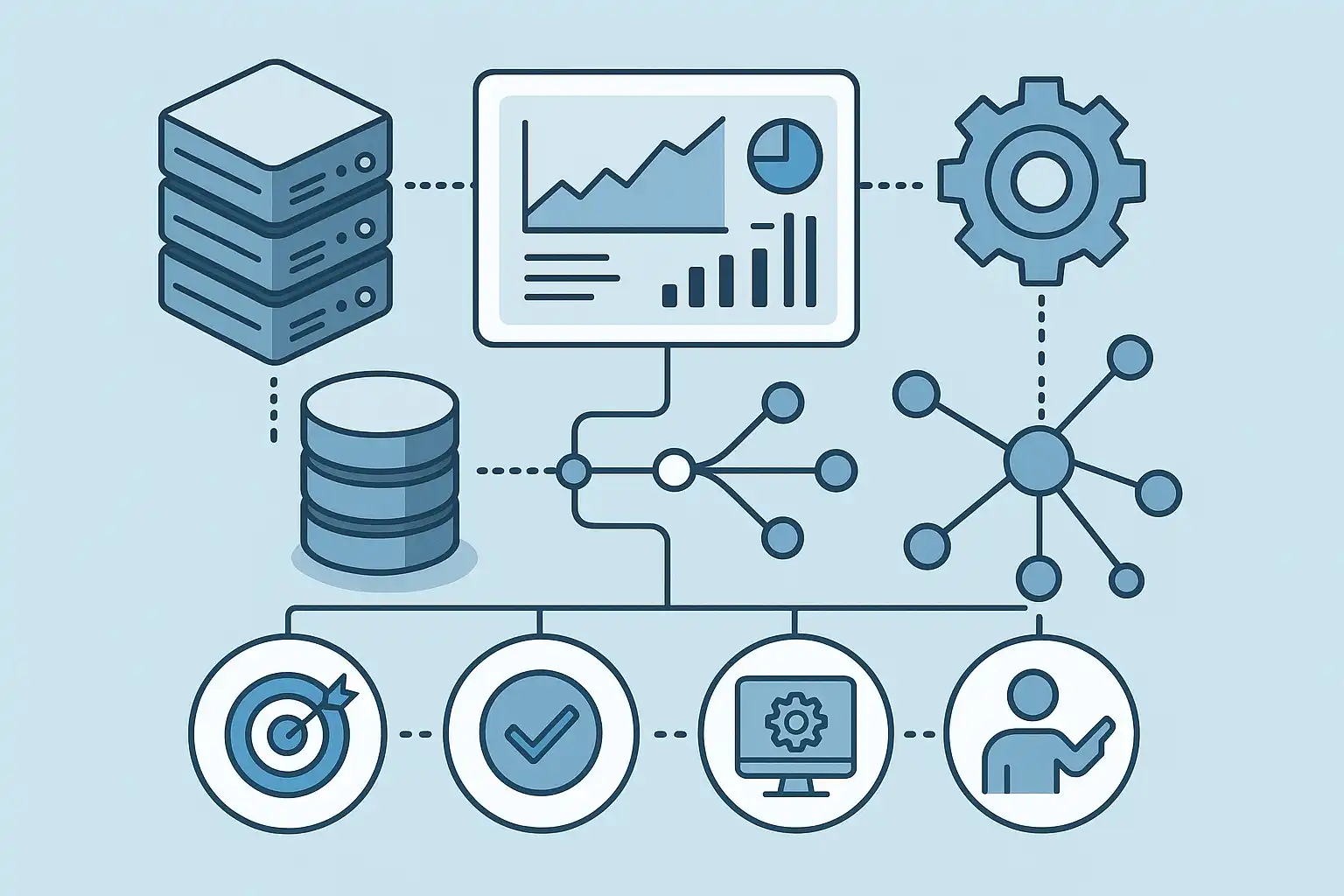
Business intelligence (BI) implementation hinges on several critical factors beyond just technology choices. Success requires clear goal setting, thorough business requirement analysis, strong stakeholder engagement, and leadership commitment. Selecting the right BI platform—such as Power BI, Tableau, or Qlik—ensures scalability, integration, and ease of use. High data quality, robust data warehousing, and seamless integration of diverse data sources are vital for accurate insights. Visualization tools and user-friendly dashboards promote adoption across teams. A systematic BI rollout involves defining objectives, gathering data, modeling, dashboard creation, testing, launching, and continuous improvement. Organizational culture and leadership play key roles; supportive leaders and a data-driven mindset accelerate adoption and maximize BI benefits. Common challenges include poor data quality, lack of user engagement, complex tools, insufficient training, and weak leadership support, all of which require proactive solutions like regular audits, inclusive communication, and ongoing education. Training tailored to user needs fosters confidence and tool utilization, directly impacting ROI. Measuring BI success combines tracking KPIs, user adoption, and business outcomes. Continuous monitoring and system upgrades ensure BI remains aligned with evolving business demands. Ultimately, effective BI implementation transforms raw data into actionable insights, driving informed decisions and sustainable growth across organizations of all sizes.

Business analytics service providers empower businesses to unlock growth by transforming complex data into actionable insights. They utilize descriptive, diagnostic, predictive, and prescriptive analytics to help organizations identify profitable opportunities, forecast trends, optimize operations, and make faster, smarter decisions. These providers serve diverse industries such as retail, finance, healthcare, manufacturing, logistics, and technology, leveraging advanced tools like Tableau, Power BI, SAS, and cloud platforms to enhance data visualization and analysis. By offering expertise in data integration, quality assurance, and predictive modeling, they enable companies to improve efficiency, reduce risks, and innovate effectively. Selecting the right provider involves assessing their analytics capabilities, industry experience, technology stack, and ongoing support. Business analytics services also cater to small businesses with flexible, budget-friendly solutions. Ultimately, partnering with expert analytics firms drives evidence-based decision-making, enhances operational performance, and fosters sustainable revenue growth, giving companies a competitive edge in rapidly changing markets.

Healthcare analytics services revolutionize patient care by transforming vast medical data into actionable insights, enabling healthcare providers to improve outcomes, personalize treatments, and enhance operational efficiency. These services leverage various analytics types—descriptive, diagnostic, predictive, prescriptive, and discovery—to identify risks, optimize workflows, and reduce costs while maintaining high-quality, ethical care. Key technologies include machine learning, data management platforms, clinical informatics systems, and visualization tools, supported by robust security measures to protect patient privacy. Successful implementation relies on data integrity, clinical relevance, compliance, and continuous improvement. Challenges such as data silos, privacy concerns, and cultural resistance can be addressed through integration, training, and collaboration. Emerging trends like AI-driven analytics, real-time monitoring via wearables, and population health management are shaping the future of healthcare analytics. These innovations support evidence-based medicine, enabling providers to deliver personalized, preventive, and cost-effective care. Both large and small healthcare organizations can benefit from scalable analytics solutions, fostering a data-driven culture essential for sustained improvement. Despite upfront costs and technical demands, healthcare analytics services offer significant long-term advantages, including improved patient safety, reduced readmissions, and enhanced regulatory compliance, ultimately driving better, more efficient healthcare delivery.
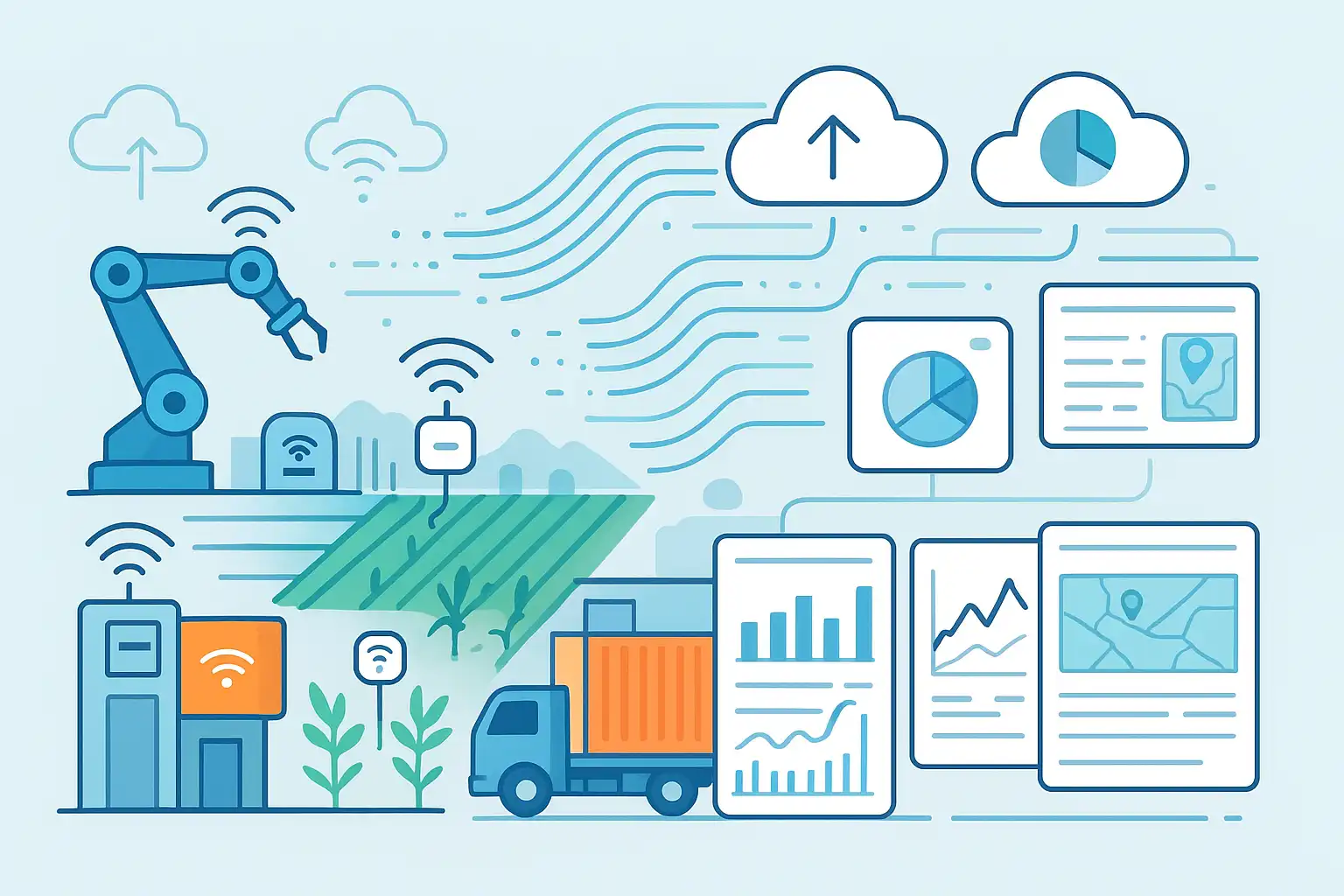
IoT data analytics consulting transforms raw sensor data into actionable business insights by applying structured workflows that include data collection, integration, cleaning, advanced analytics, and real-time visualization. This process helps industries like agriculture, manufacturing, transportation, security, and consumer electronics optimize operations, predict failures, enhance customer experiences, and unlock new revenue streams through usage-based monetization and tailored pricing. Key benefits include improved efficiency, reduced downtime, and smarter decision-making supported by customizable dashboards accessible to non-technical users. Challenges such as data fragmentation, quality issues, scalability, and security require expert consulting and robust platforms to ensure seamless integration and compliance. Leading tools include cloud services (AWS, Azure, Google Cloud), connectivity technologies (5G, LoRaWAN), and analytics software (Tableau, Power BI). Starting with clear objectives, pilot projects, and experienced partners maximizes ROI and supports continuous improvement. Specialized solutions for sectors like agriculture and industry emphasize scalable connectivity, edge analytics, and integration with external data for enhanced context. Overall, IoT data analytics consulting enables businesses to convert sensor networks into strategic assets that drive operational excellence and sustainable growth.
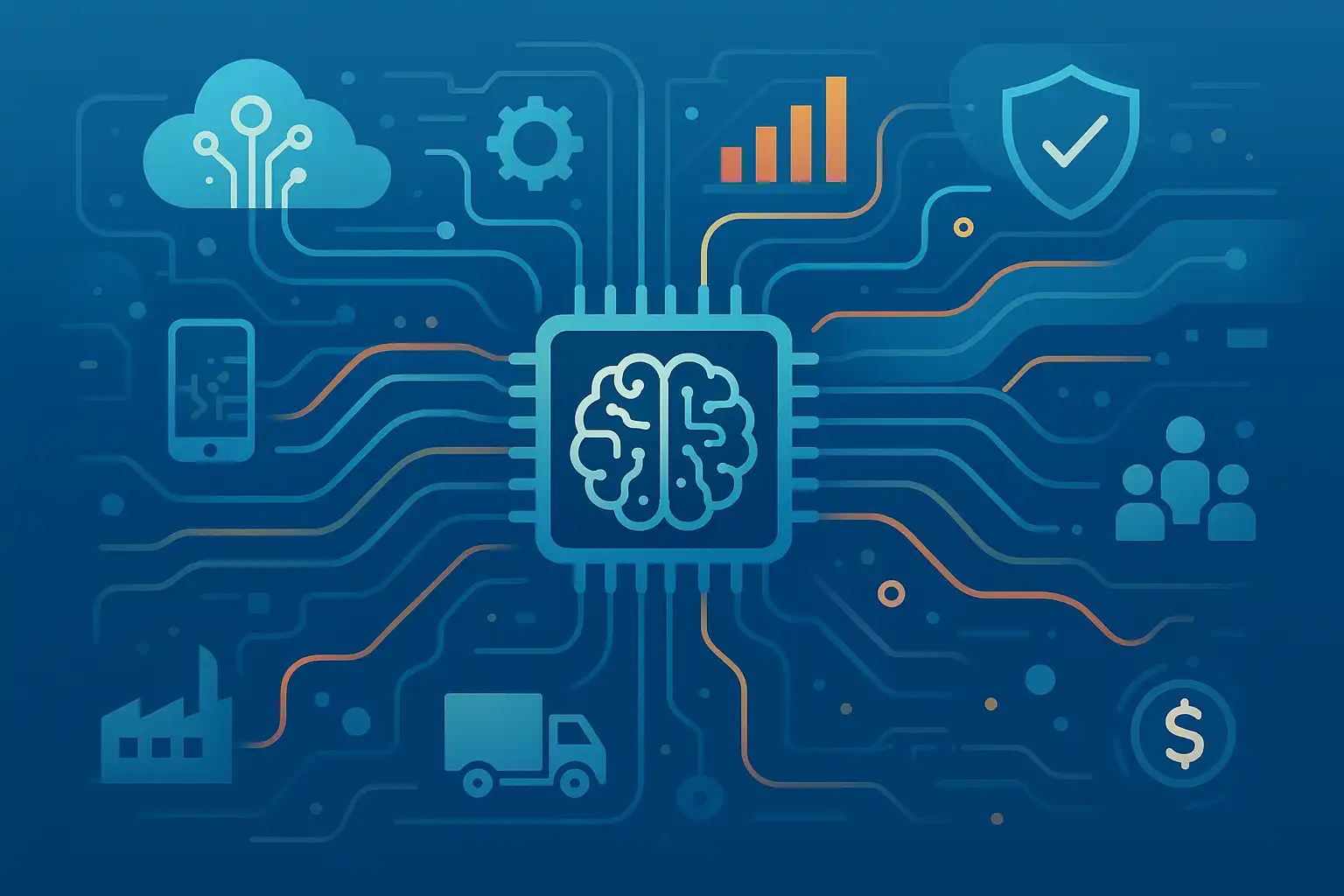
Choosing the right custom generative AI development services provider is crucial for businesses seeking tailored AI solutions that drive innovation, efficiency, and competitive advantage. These providers create bespoke AI systems that automate workflows, generate content, and deliver predictive insights aligned with specific industry needs, including healthcare, finance, retail, and more. Key benefits include enhanced operational efficiency, innovation, revenue growth, scalability, and seamless integration with existing systems. Successful providers prioritize security, compliance, ongoing support, and transparent communication. The development process involves discovery, data preparation, model building, integration, training, and continuous improvement. Custom generative AI applications span content creation, conversational AI, image and video generation, code automation, personalization, and predictive analytics. Businesses facing unique challenges, requiring data privacy, or seeking innovative differentiation should consider custom AI solutions. Maximizing AI investment involves clear goal-setting, stakeholder involvement, quality data, iterative testing, and long-term collaboration with providers. As AI technology advances, custom generative AI will play an essential role in digital transformation across industries, offering ethical, scalable, and business-centric solutions that foster sustainable growth and market leadership.

A data driven advertising agency leverages analytics, automation, and expert insights to maximize ROI by targeting the right audience, optimizing budgets, and continuously refining campaigns based on real-time data. Unlike traditional advertising, these agencies focus on measurable results through precision targeting, ongoing optimization, and transparent tracking of key metrics like Customer Acquisition Cost (CAC), Customer Lifetime Value (CLV), conversion rates, and Return on Ad Spend (ROAS). They use advanced tools such as Google Analytics, CRM platforms, marketing automation, and business intelligence dashboards to analyze consumer behavior and allocate budgets efficiently. This approach reduces wasted spend, improves campaign performance, and enhances customer retention through personalized messaging and remarketing. Data driven agencies also address complex attribution challenges, providing clear insights across multiple channels for smarter investment decisions. Businesses of all sizes—from startups to enterprises—benefit by gaining deeper customer understanding, faster adjustments to underperforming ads, and stronger cross-channel collaboration. Partnering with the right agency involves transparency, proven case studies, and cultural alignment to ensure strategic growth. Ultimately, adopting a data driven advertising strategy empowers businesses to make evidence-based decisions, boost efficiency, and achieve measurable marketing success.

A data visualization partnership transforms complex data into clear, engaging stories that drive informed decision-making. By collaborating with experts—designers, analysts, or agencies—businesses turn raw data into meaningful visuals that highlight key insights and trends. This partnership bridges the gap between technical data and diverse audiences, enhancing clarity, focus, and actionable understanding. Choosing the right partner involves assessing their data reliability, narrative skills, purposeful visualization, audience awareness, and simplicity. Collaboration improves data interpretation by translating complexity into memorable, context-rich stories that build trust and align teams. Popular tools like Tableau, Power BI, and Google Data Studio support these efforts, with expertise in the chosen platform ensuring polished results. Best practices include defining clear goals, involving stakeholders, prioritizing data quality, selecting appropriate visuals, iterative design, and ensuring accessibility. Partnerships can be internal teams, external agencies, freelancers, or technology providers, depending on business needs. Storytelling is vital in making data memorable, engaging, and decision-ready. Common challenges such as misaligned expectations and data quality issues are overcome through communication and trust. Starting a partnership involves identifying needs, gathering data, selecting partners, setting objectives, and iterating on visuals and narratives. Ultimately, data visualization partnerships empower organizations of all sizes to harness data’s full value and foster a data-driven culture.

Data engineering support jobs are in high demand across diverse industries like finance, healthcare, retail, technology, and government due to the surge in big data, cloud computing, and digital transformation. These roles focus on maintaining, troubleshooting, and optimizing data pipelines and infrastructure to ensure smooth data flow and system reliability. Key responsibilities include monitoring workflows, resolving issues, managing data quality, automating processes, and collaborating with IT and analytics teams. Essential technical skills involve proficiency in SQL, scripting languages (Python, Bash), ETL tools, and cloud platforms such as AWS, Azure, or Google Cloud. Strong problem-solving, communication, documentation, and teamwork abilities are equally important. Preparing for interviews requires familiarity with database management, data pipelines, and scenario-based troubleshooting. Career growth opportunities include advancement to data engineer, cloud specialist, or managerial roles. Job seekers should leverage major job boards, company portals, recruitment agencies, and networking to find openings, tailoring resumes to highlight relevant technical and support experience. The evolving landscape emphasizes cloud-native tools and automation, making adaptability critical. Certifications in cloud platforms and data tools enhance employability. Remote and hybrid positions are increasingly common, reflecting broader cloud adoption. Salaries vary by experience and location, with entry-level roles starting around $60,000–$80,000 annually. Overall, data engineering support roles offer a promising pathway in the expanding data-driven economy.
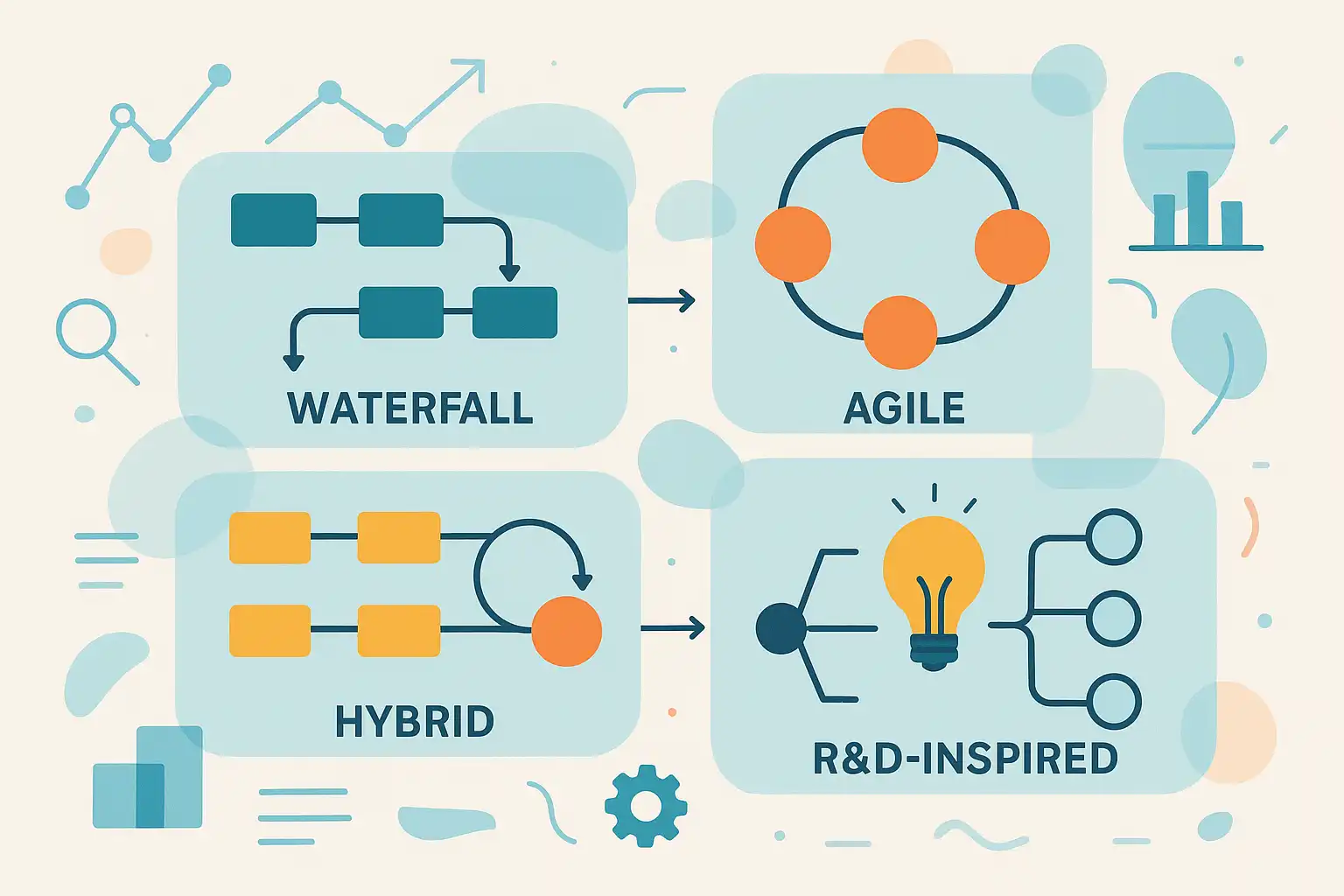
Effective data science project management methodologies provide the necessary structure and flexibility to transform raw data into actionable business insights. Key methodologies include Waterfall, Agile, Hybrid, and R&D-inspired approaches. Waterfall suits projects with clear requirements and regulatory needs, offering predictability but limited flexibility. Agile thrives in dynamic environments with evolving goals, promoting rapid feedback and iterative progress. Hybrid models combine Waterfall’s structure with Agile’s adaptability, ideal for complex projects with mixed requirements. R&D-inspired methods foster innovation through exploration and experimentation, fitting open-ended projects with uncertain outcomes. A typical data science project lifecycle involves problem definition, data collection and preparation, exploratory analysis, modeling, validation, deployment, and ongoing monitoring. Agile enhances project management by breaking tasks into manageable sprints, encouraging collaboration and quick adjustments. Waterfall is preferred when stability and compliance are priorities. Hybrid approaches offer balance, and R&D-inspired methodologies drive creativity at the cost of predictability. Successful project delivery also depends on appropriate tools, team composition, and continuous stakeholder communication to maintain alignment with business objectives. Choosing the right methodology depends on project clarity, data stability, experimentation needs, and regulatory considerations. Adapting methodologies during the project ensures responsiveness to changing requirements, reducing risks and improving outcomes in data science initiatives.

Data Visualization Partners in NYC are essential for transforming complex data into clear, actionable insights that drive informed business decisions. Leading NYC firms combine advanced technologies like AI and machine learning with industry expertise to deliver interactive, real-time dashboards tailored to sectors such as healthcare, finance, retail, and customer service. Top partners, including CallMiner and Periscopic, offer customized solutions integrating data security, compliance, and seamless integration with existing systems. The collaboration process typically involves discovery, design, data integration, development, testing, deployment, and ongoing support, ensuring dashboards align with business goals and user needs. NYC firms leverage tools like Tableau, Power BI, D3.js, and cloud platforms to create scalable, user-friendly visualizations. Key trends include AI-driven predictive analytics, self-service dashboards, real-time data streams, and inclusive design. Choosing the right partner requires evaluating clarity, storytelling ability, technical expertise, security, and compatibility. Local NYC firms offer market-specific knowledge and faster collaboration, while global agencies bring broader resources and scalability. Investing in top-tier data visualization partners yields significant ROI through improved decision-making, operational efficiency, and enhanced customer experiences, supported by training and continuous support post-deployment.
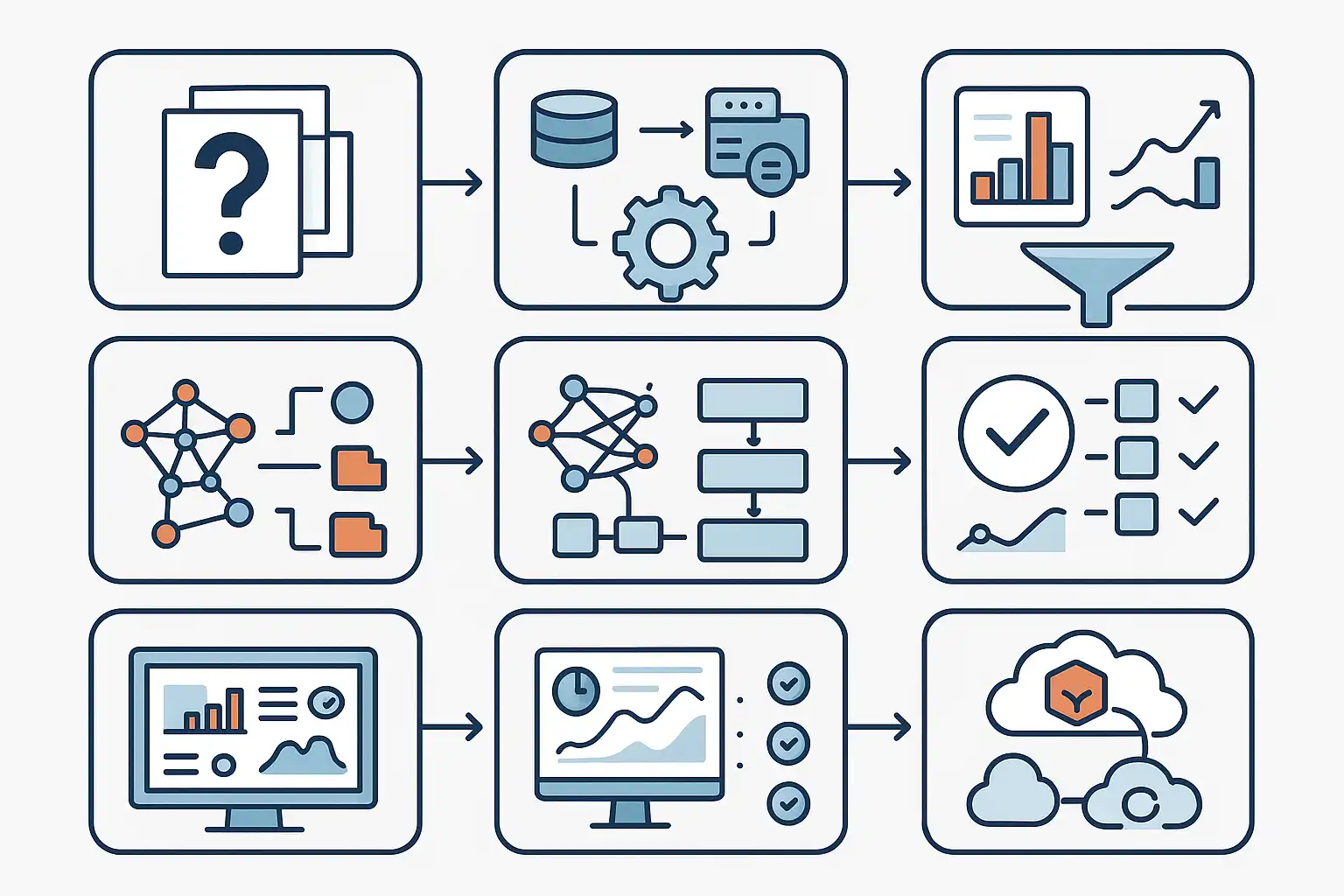
This practical guide outlines a comprehensive data science workflow example, detailing each critical stage from problem definition to deployment and monitoring. Key phases include understanding the problem, data acquisition, exploration and cleaning, modeling, evaluation, communication of results, and deployment. The guide emphasizes starting with clear objectives, using tools like Python, SQL, Tableau, and cloud platforms, and adopting iterative processes to refine models and adapt to changing needs. Popular frameworks such as CRISP-DM, Harvard’s model, and OSEMN provide structured approaches to streamline collaboration, reduce errors, and improve project efficiency. Documenting every step ensures transparency, reproducibility, and ease of onboarding new team members. Challenges without workflows include poor communication, missed steps, and inefficiency. The article highlights customizing workflows to fit team needs, encouraging regular reviews and continuous improvement. By following this structured, iterative workflow, data science teams can deliver actionable insights, enhance collaboration, and ensure reliable, scalable results across projects.

Time series forecasting services leverage historical data to predict future business trends, helping organizations improve planning, reduce waste, and optimize resource allocation. Utilizing advanced statistical models and machine learning, these services analyze patterns in sales, inventory, and production to generate accurate forecasts. Delivered via software platforms, consulting, or cloud-based solutions, they enable proactive decision-making across industries like manufacturing, retail, pharmaceuticals, and food and beverage. Key benefits include reducing inventory waste by up to 60%, accelerating production cycles, cutting operational costs by around 22%, and improving inventory control with real-time tracking and automated alerts. Integrating forecasting with ERP and supply chain systems enhances accuracy and responsiveness, allowing businesses to better manage seasonal demand fluctuations. Starting with assessing data quality and defining goals, companies can select suitable forecasting models—ranging from ARIMA to deep learning—to build, test, and automate forecasts. While challenges like data quality and setup complexity exist, continuous monitoring and model updates ensure reliable predictions. Accessible to businesses of all sizes, time series forecasting transforms reactive planning into strategic foresight, boosting efficiency, reducing costs, and strengthening competitive advantage.

NLP companies in the USA are at the forefront of innovation, transforming how technology understands and processes human language. Leading firms like OpenAI, Vectara, Writer, Unbabel, Clarifai, and Rasa develop advanced AI-driven solutions including large language models, conversational platforms, and hybrid human-AI workflows. These technologies enhance industries such as healthcare, finance, retail, education, and legal by improving communication, automating tasks, and delivering actionable insights from unstructured data. The US NLP ecosystem thrives due to strong research collaboration, abundant talent, robust investment, and a culture of rapid adoption. Emerging trends include domain-specific models, multimodal AI, ethical AI practices, and open-source platforms, ensuring scalable, accurate, and inclusive language solutions. Despite challenges like data privacy and bias, American NLP firms continue expanding global reach through multilingual tools and partnerships. Their innovations enable faster decision-making, enhanced customer support, and broader market access, making the USA a global leader in natural language processing technology.
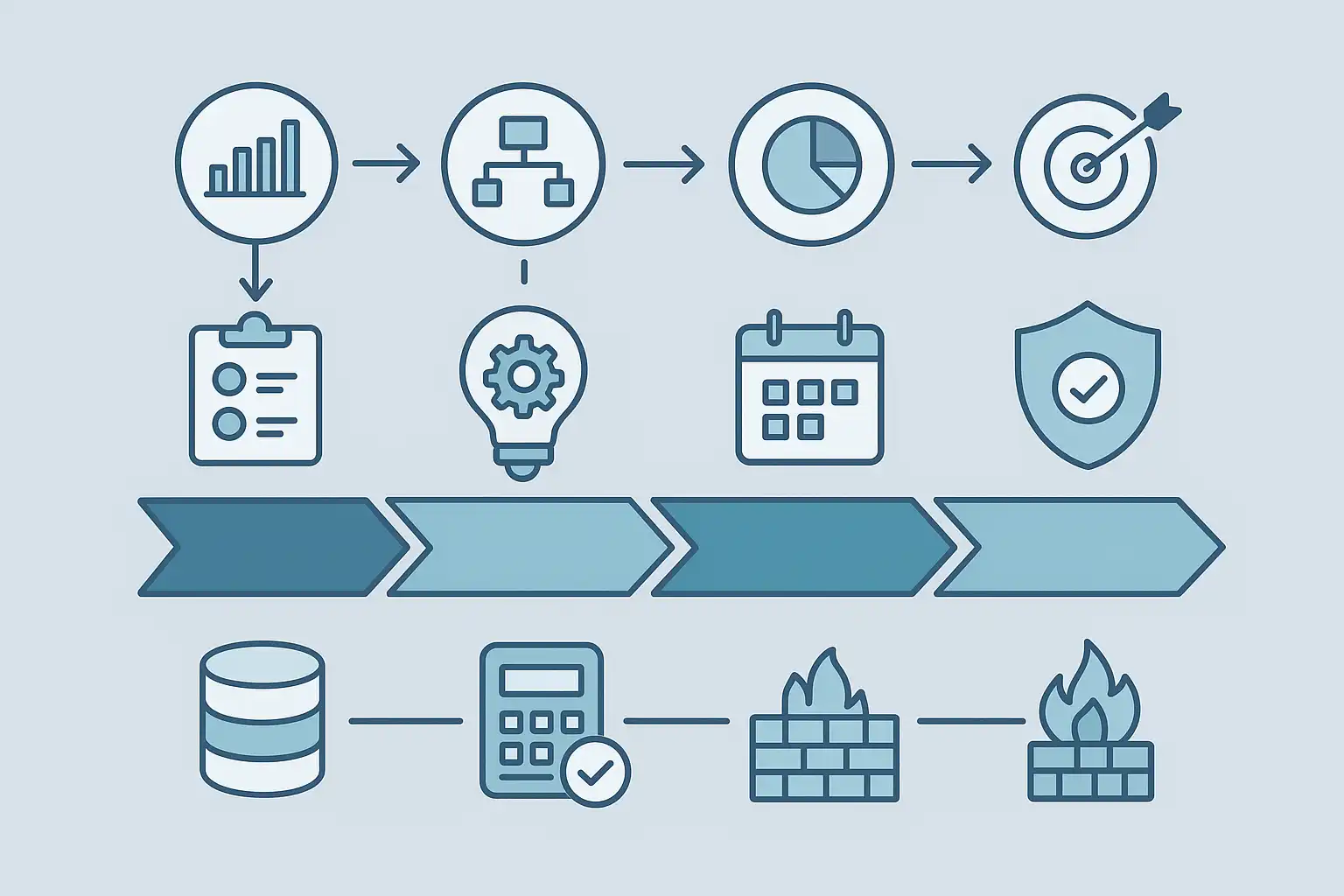
This essential guide explains how to use a data strategy roadmap PPT template to create clear, actionable plans for organizational data initiatives. A data strategy roadmap template visually maps out goals, timelines, phases, responsibilities, budgets, and risk management, aligning data projects with business objectives. It enhances communication among stakeholders, improves coordination, tracks progress, and manages risks through data governance and security features. The guide outlines key components of a good template, including vision, phases, deliverables, timelines, and governance, while emphasizing customization to fit unique organizational needs. It also details steps to download, customize, and maintain a roadmap, encouraging regular reviews and stakeholder feedback to keep the plan relevant. Various roadmap types—from three-month to five-year plans—are discussed, catering to different project scopes. The guide highlights critical template features like multi-phase planning, clear visuals, security elements, and flexible alignment with business strategies. Using these templates streamlines data management by clarifying roles, timelines, and risks, fostering strategic alignment and continuous improvement. Overall, a well-crafted data strategy roadmap PPT template saves time, enhances clarity, and supports effective execution of data initiatives across organizations.

Cloud data engineering providers play a crucial role in enabling modern businesses to harness advanced analytics by managing data collection, transformation, storage, and orchestration in the cloud. They simplify complex technical processes, allowing organizations to focus on deriving actionable insights. Key features to look for include scalability, robust ETL and warehousing, semantic business intelligence, data governance, AI-driven analytics, multi-cloud support, automation, and strong security compliance. Integration with existing infrastructure is seamless through hybrid cloud environments, containerization, and plug-and-play connectors, ensuring smooth transitions without disrupting legacy systems. Cost benefits arise from pay-as-you-go models, elastic scaling, and reduced operational overhead, enabling businesses to scale analytics efficiently and innovate without heavy upfront investments. Leading providers like AWS, Microsoft Azure, Google Cloud, Snowflake, and Databricks offer diverse tools and multi-cloud capabilities tailored to various business needs. AI integration enhances data quality, predictive analytics, and security. To start, businesses should define analytics goals, assess current systems, pilot projects, and prioritize automation and training. Overcoming challenges such as data silos, legacy system integration, and compliance is easier with expert partners. Cloud data engineering is flexible, scalable, and accessible for businesses of all sizes, supporting both real-time and batch analytics for timely decision-making across industries.

Choosing the right data visualization partners is essential for creating impactful dashboards that transform complex data into clear, actionable insights. These experts go beyond basic chart creation by aligning visuals with business goals, audience needs, and datasets to drive informed decision-making. Effective partners focus on clarity, simplicity, and accessibility, using appropriate chart types—such as line, bar, scatter, funnel, and geographical maps—to highlight key messages. They embrace modern tools like Tableau and Power BI and integrate automated reporting to ensure up-to-date information. Collaboration with these partners involves setting clear goals, sharing context, iterative feedback, and user testing to optimize dashboard usability. Key industries benefiting from such partnerships include finance, healthcare, retail, logistics, manufacturing, and government. Avoiding common pitfalls like cluttered visuals and ignoring accessibility ensures dashboards remain user-friendly and impactful. Ultimately, successful data visualization partnerships enhance data storytelling, empower faster, confident decisions, and improve business outcomes through continuous refinement and alignment with evolving needs.
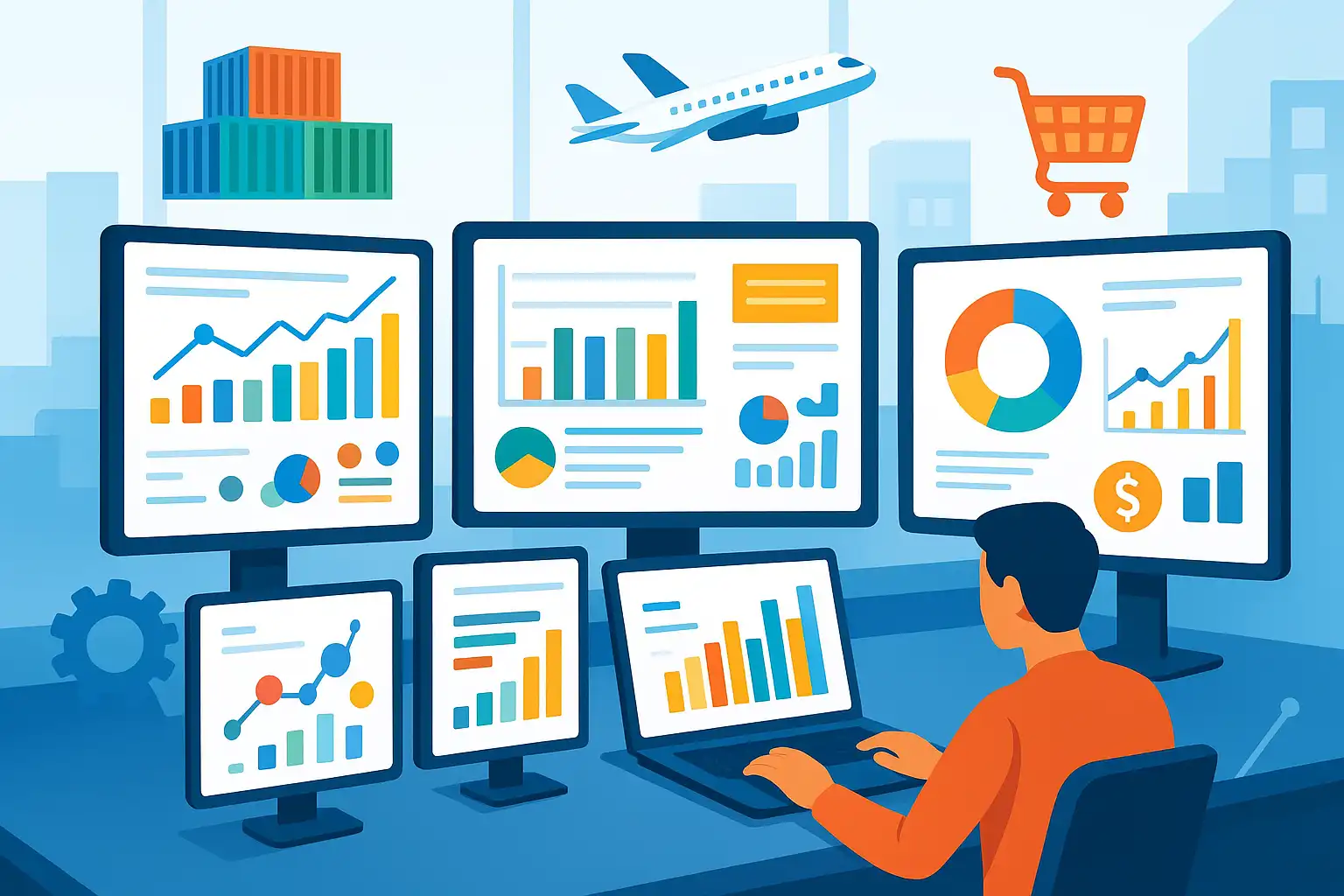
Business intelligence (BI) transforms raw data into actionable insights, driving smarter decisions and operational efficiency across industries. Leading companies like Lotte.com, Cementos Argos, Baylis & Harding, Sabre Airline Solutions, and Univision showcase BI’s impact—from optimizing inventory and forecasting demand to personalizing marketing and enhancing customer engagement. Industries such as retail, finance, manufacturing, airlines, and media leverage BI for real-time analytics, fraud detection, production management, and customer trend forecasting. Successful BI implementation involves setting clear goals, assessing data quality, selecting appropriate tools, integrating data, developing intuitive dashboards, training staff, and continuous refinement. Key success factors include robust data integration, advanced analytics, user-friendly visualizations, scalability, and fostering a data-driven culture. Despite challenges like data quality issues, integration hurdles, and user resistance, effective planning and change management mitigate risks. BI tools like data warehouses, ETL processes, Tableau, Power BI, predictive analytics, and mobile BI enhance accessibility and decision-making speed. Small and medium businesses also benefit from scalable, affordable cloud-based BI solutions, enabling competitive growth and market responsiveness. Ultimately, organizations that embed BI into their strategy and culture achieve faster, evidence-based decisions, improved customer targeting, increased revenue, and sustained competitive advantage.

A predictive analytics expert uses data, statistical models, and machine learning to forecast future business outcomes, enabling informed, data-driven decisions. Combining skills in statistics, programming (Python, R, SQL), and data preprocessing, these professionals transform raw data into actionable insights, helping companies optimize marketing, operations, and resource allocation. Key techniques include regression, classification, clustering, and neural networks, supported by tools like IBM SPSS Modeler, Microsoft Azure ML, and SAP Analytics Cloud. Predictive analytics experts collaborate across teams to define goals, build and validate models, and communicate results clearly to non-technical stakeholders. Their work enhances forecasting accuracy, reduces risks, improves customer targeting, and drives strategic planning across industries such as retail, finance, healthcare, manufacturing, and telecommunications. Challenges include data quality, model maintenance, communication barriers, and privacy concerns, which experts address through rigorous data cleaning, adaptable models, and clear visualizations. Organizations can integrate predictive analytics by hiring experts, training staff, or consulting specialists, starting with focused projects and scaling as capabilities grow. This approach empowers businesses of all sizes to anticipate trends, respond proactively to market changes, and maintain a competitive edge through evidence-based strategies.

Pattern recognition solutions are revolutionizing automation by enabling machines to identify and act on patterns in data, images, and signals, enhancing efficiency and decision-making across industries. Powered by machine learning and deep learning technologies like neural networks, support vector machines, and clustering, these solutions automate complex tasks in healthcare, finance, manufacturing, autonomous vehicles, agriculture, and more. They improve accuracy, speed, and scalability while reducing costs and human error. Developing effective pattern recognition systems involves defining goals, gathering quality labeled data, selecting appropriate algorithms, training models, and integrating them into workflows. Despite challenges such as data quality, privacy concerns, algorithm selection, system integration, and talent shortages, businesses benefit from increased consistency, actionable insights, improved safety, and innovation opportunities. High-quality data and advanced deep learning models, particularly CNNs and RNNs, significantly enhance the capabilities of these solutions, enabling real-time video analysis, natural language processing, and predictive analytics. Organizations starting with pattern recognition should focus on clear objectives, pilot projects, compliance, and continuous improvement. The future promises advances like automated edge computing, self-learning systems, real-time processing, and broader accessibility via cloud platforms, making pattern recognition a vital component of smart, efficient automation strategies across sectors.

Data compliance and security in ServiceNow are vital for protecting sensitive enterprise data and ensuring regulatory adherence. ServiceNow, a leading cloud-based workflow platform, requires organizations to implement strong governance frameworks, role-based access control (RBAC), data encryption, continuous monitoring, automated compliance reporting, and regular patch management to mitigate risks. Compliance with standards like GDPR, HIPAA, ISO 27001, and PCI DSS is essential to avoid legal penalties and maintain customer trust. Key best practices include defining clear policies, restricting access based on roles, documenting data flows, and conducting employee training and incident response planning. ServiceNow’s built-in features such as Security Operations Suite, Policy and Compliance Management, and automated reporting streamline compliance efforts and enhance security posture. Challenges in managing ServiceNow environments include access permission complexities, patch delays, audit trail maintenance, and human error, which can be addressed through automation, monitoring, and continuous training. Prioritizing compliance improves operational resilience, audit readiness, and competitive advantage. Continuous improvement is supported by monitoring trends, automating updates, integrating with SIEM systems, and gathering feedback. Automated compliance reporting simplifies audits by providing real-time, accurate compliance insights, reducing manual workload. Overall, leveraging ServiceNow’s security capabilities ensures enterprises safeguard data, meet regulatory demands, and foster trust while optimizing efficiency.

Data migration consultant salaries in the U.S. range widely, typically between $61,000 and $145,000 annually, depending on experience, location, industry, and job role. Entry-level consultants earn around $61,000–$75,000, mid-level $80,000–$100,000, and senior roles, including solutions architects, can exceed $120,000. Key factors influencing pay include geographic location, technical skills, certifications (AWS, Azure, Informatica), education, and industry sector, with finance and technology paying higher rates. Essential skills encompass database technologies (SQL, Oracle), ETL tools, cloud platforms, programming (Python, PowerShell), and project management. Remote work opportunities are expanding, allowing broader access to higher salaries. Career growth is supported by gaining certifications, leadership roles, and specialization in compliance-heavy sectors. While the role offers strong earning potential, consistent demand, and flexible work, it also involves challenges like tight deadlines and continuous learning. The future outlook is positive due to increasing digital transformation and cloud adoption, ensuring sustained demand for skilled data migration consultants.

A well-structured Data Science Team Augmentation Plan enables rapid scaling of data initiatives by integrating skilled professionals to fill critical skill gaps without lengthy hiring processes. This strategy is essential for businesses facing tight deadlines, expanding analytics capabilities, or launching data-driven services. Key steps include assessing current team skills, defining short- or long-term scaling goals, selecting reliable augmentation partners with flexible engagement models, and ensuring fast onboarding with clear communication protocols. Effective integration relies on agile methodologies, dedicated supervision, and collaboration tools like Slack, Jira, and Asana to maintain productivity and alignment. Challenges such as skill mismatches, cultural barriers, and knowledge continuity are mitigated through thorough vetting, cultural onboarding, clear roles, and documentation. Benefits of team augmentation include speed, flexibility, cost-effectiveness, access to global expertise, and innovation, making it ideal for dynamic business environments. Best practices emphasize knowledge sharing, inclusive participation, ongoing learning, and performance monitoring to maximize outcomes. This approach supports organizations in accelerating project delivery while maintaining quality and adaptability, offering a scalable solution for sustained growth and competitive advantage in data science initiatives.

Cloud-based analytics tools revolutionize modern teamwork by enabling real-time data collection, processing, and collaboration from any location. These platforms, such as Microsoft Power BI, Google Data Studio, and Tableau Online, offer secure, scalable, and cost-effective solutions that eliminate the need for on-premise hardware. Key benefits include enhanced accessibility, seamless collaboration with AI-powered features like meeting summaries and action item tracking, and integration with communication platforms such as Microsoft Teams. These tools support smarter decision-making through instant access to fresh data, automated alerts, and clear visualizations, helping teams respond rapidly to market changes. Popular types range from data visualization and AI-driven BI suites to low-code customization platforms and real-time analytics tools. To adopt cloud analytics successfully, teams should assess needs, select appropriate tools, start with pilot groups, train users, and ensure strong security protocols. Despite requiring stable internet and ongoing subscriptions, the productivity gains from automated workflows, cross-team insights, and agile adaptability make cloud analytics indispensable for businesses across industries. With robust encryption and compliance standards, cloud analytics tools provide secure environments for sensitive data, empowering modern teams to collaborate efficiently and make faster, data-driven decisions in today’s fast-paced business landscape.

Data science consulting empowers organizations to transform raw data into actionable insights that drive measurable business growth. By combining advanced analytics, strategic guidance, and industry-specific expertise, consultants help businesses improve decision-making, operational efficiency, innovation, risk management, and customer experience. The consulting process involves discovery, data auditing, strategy development, implementation of predictive models and dashboards, training, and continuous optimization. Utilizing tools like Power BI, Python, and cloud platforms, consultants address challenges such as data quality, silos, security, and compliance. Key strategies include robust data governance, integration, advanced analytics, continuous monitoring, and collaboration between technical and business teams. Industries benefiting most include healthcare, finance, retail, manufacturing, energy, and private equity, with tailored solutions for each sector. Success hinges on aligning data strategy with business goals through clear objectives, stakeholder engagement, and adaptable roadmaps. Risks include poor data quality, lack of buy-in, overcomplexity, and privacy concerns, which skilled consultants mitigate through best practices and transparency. Results typically begin within weeks to months, with sustained value from measured milestones. Data science consulting is valuable for businesses of all sizes, helping ensure compliance with data privacy laws while maximizing the impact of data-driven initiatives.

Remote data science consulting jobs offer flexible, work-from-home opportunities where professionals analyze data, build models, and provide strategic advice across industries like finance, healthcare, retail, and marketing. These roles require strong technical skills in Python, R, SQL, and machine learning, combined with business acumen, problem-solving, communication, and project management abilities. Applicants should have relevant degrees or experience, certifications, and a proactive learning mindset. To secure remote consulting positions, candidates should build a strong online presence, tailor resumes to highlight consulting and remote work skills, network actively, and prepare for interviews with clear explanations of their projects and remote work capabilities. Typical responsibilities include data assessment, cleaning, modeling, visualization, reporting, and client support. Remote consulting offers benefits such as flexible schedules, diverse projects, global opportunities, and improved work-life balance, though challenges like isolation and time management require discipline and effective communication. Job seekers can find openings on major job boards, freelance platforms, and company career pages, with engagement models ranging from full-time remote employment to freelance and agency-based contracts. Salaries vary widely, from $50,000 for entry-level to over $150,000 for experienced consultants, with freelance rates up to $200 per hour. Success in this career depends on staying organized, continuously learning, maintaining strong client relationships, and leveraging key tools like Tableau, Slack, GitHub, and cloud platforms.
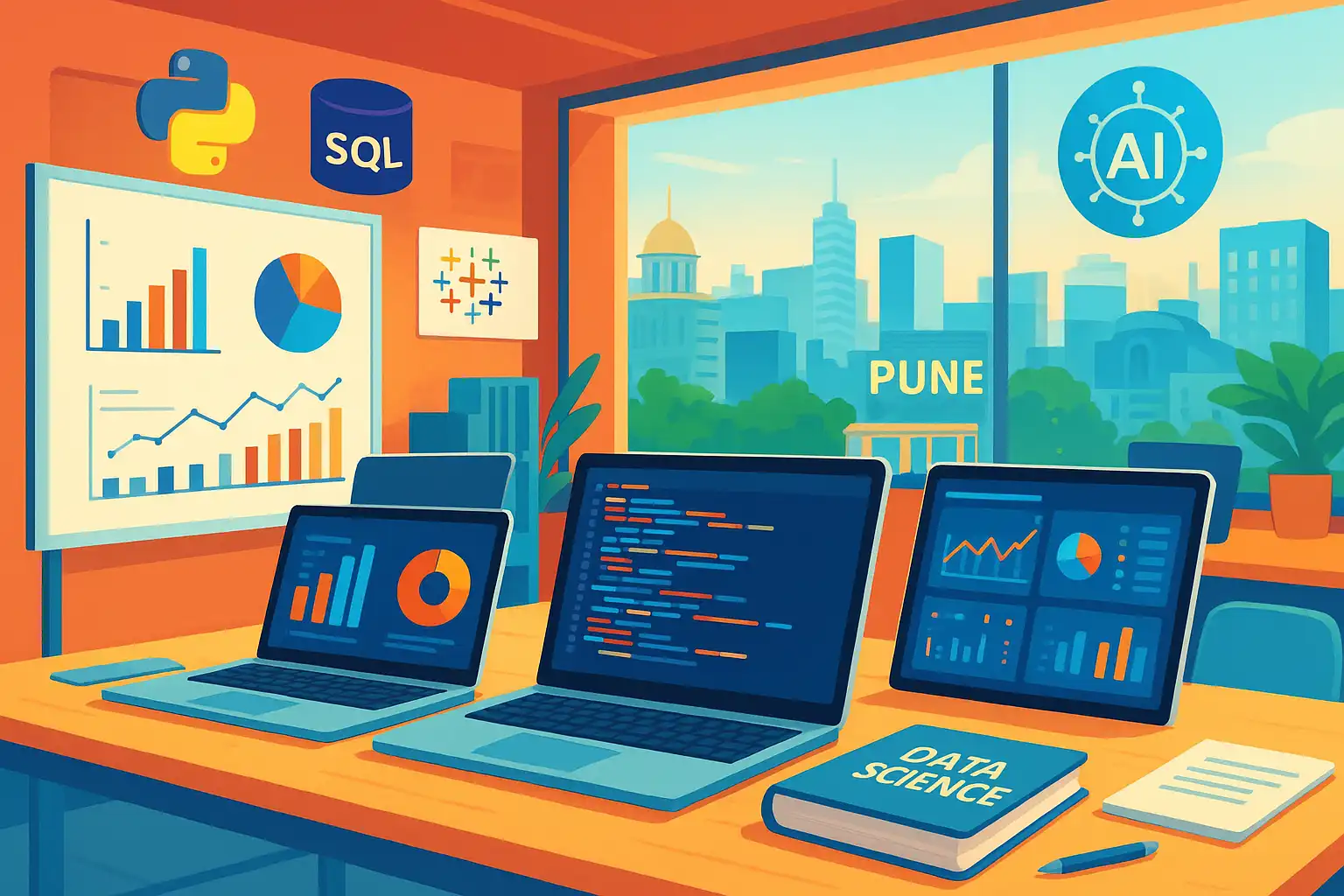
Data Science Training Courses in Pune offer a comprehensive learning experience ideal for beginners and professionals seeking career growth in data science. These courses cover core and advanced Python programming, data analytics, visualization using tools like Tableau and Power BI, mathematics and statistics, machine learning with TensorFlow and Keras, and database management with SQL and Flask. Emphasizing hands-on projects, students gain practical skills by working on real-world datasets, building predictive models, and creating dashboards. Pune’s thriving tech ecosystem, expert instructors, industry exposure, and career support enhance learning outcomes and job readiness. Flexible schedules and project-based learning help learners build strong portfolios, boosting employability across sectors such as IT, finance, healthcare, and retail. Graduates are prepared for roles like data analyst, data scientist, machine learning engineer, and business intelligence analyst. With beginner-friendly curriculums, mentorship, and career services, Pune stands out as a prime destination for data science education that bridges theory and practice, enabling learners to thrive in the competitive data-driven job market.

Data-driven decision making in financial services leverages real-time data, analytics, and advanced technologies to enhance accuracy, speed, and risk management. Banks, insurers, and investment firms use data to detect fraud, optimize credit approvals, forecast market trends, and improve customer service. Key technologies include data analytics platforms, cloud computing, AI, machine learning, and automation, which together enable real-time monitoring and predictive insights. Despite its benefits, challenges such as data literacy, system integration, data diversity, and trust in analytics hinder adoption. Successful implementation requires a clear data strategy, strong governance, staff training, and alignment with business goals. Real-world examples demonstrate improved fraud prevention, personalized products, market prediction, and streamlined compliance. Financial institutions are advised to define objectives, ensure data quality, invest in modern tools, foster a data-centric culture, and continuously monitor outcomes. Future-proofing relies on ongoing investment in technology and skills to adapt to evolving risks, regulations, and customer needs. This data-driven approach empowers financial organizations to make confident, informed decisions, enhancing resilience and competitive advantage in a dynamic industry.

On-demand data scientists offer small businesses flexible, cost-effective expertise to transform raw data into actionable insights for smarter decision-making. They analyze sales, customer behavior, and operations to identify trends, optimize marketing, forecast demand, and improve inventory management without the overhead of hiring full-time staff. Typical projects include customer segmentation, sales forecasting, website analytics, and feedback analysis, using tools like Excel, Python, Tableau, and machine learning. Small businesses benefit from faster results, tailored solutions, and scalable support that align with their budget and goals. Success depends on clear project scopes, high-quality data, and strong communication between business owners and data experts. Even businesses with limited data can gain value by leveraging free tools combined with professional analysis. The growing availability of affordable data science services enables small businesses to compete by personalizing marketing, streamlining operations, and making data-driven decisions. Challenges include ensuring data privacy, clarity of project goals, and integrating insights into existing workflows. Overall, on-demand data science empowers small businesses to improve profitability, customer experience, and operational efficiency through expert analysis delivered exactly when needed.

Customer behavior analysis in ServiceNow enables organizations to leverage data-driven insights to optimize workflows, improve support processes, and enhance customer experiences. By analyzing user interactions across self-service portals, case channels, and communication touchpoints, businesses can identify trends, detect bottlenecks, and prioritize improvements. Key use cases include optimizing case management, enhancing self-service portals with AI-powered search, workforce scheduling, automating routine tasks, managing multi-channel communications, enriching customer profiles, and proactively resolving issues. ServiceNow’s AI tools—such as predictive intelligence, analytics dashboards, and automated workflows—help transform complex behavioral data into actionable strategies, enabling smarter decision-making and resource allocation. Industries like financial services, healthcare, retail, government, and telecommunications benefit significantly from these insights. Despite challenges like data silos, privacy concerns, and the need for change management, adopting strong data governance and staff training maximizes value. Best practices include defining clear objectives, consolidating data, continuous monitoring, and leveraging user feedback. Overall, ServiceNow’s customer behavior analysis drives faster resolution, higher self-service adoption, personalized support, and improved operational efficiency, making it a vital tool for organizations aiming to enhance customer satisfaction and stay competitive.

The data engineer support role is crucial for organizations managing large data volumes, ensuring smooth, reliable data flow for business insights. Responsibilities include designing and maintaining scalable data infrastructure, automating ETL processes, monitoring workflows, troubleshooting errors, and enforcing data governance. Proficiency in programming languages like Python, Java, or Scala, advanced SQL skills, and experience with ETL tools and workflow orchestrators (e.g., Apache Airflow) are essential. Familiarity with cloud platforms (AWS, Azure, Google Cloud) and data warehousing solutions (Snowflake, Redshift) enhances effectiveness. Support engineers focus on maintaining existing systems, optimizing performance, and cost control while enabling self-service data access. Soft skills such as communication, problem-solving, adaptability, and collaboration are vital for translating business needs into technical solutions. Automation and thorough documentation reduce manual errors, improve consistency, and facilitate compliance. Common data sources include transactional databases, SaaS platforms, cloud storage, and streaming services. This role directly impacts operational efficiency, data quality, cost management, and timely business intelligence. Growing demand for skilled data engineer support professionals highlights its importance in sustaining trustworthy, scalable data environments critical for strategic decision-making.
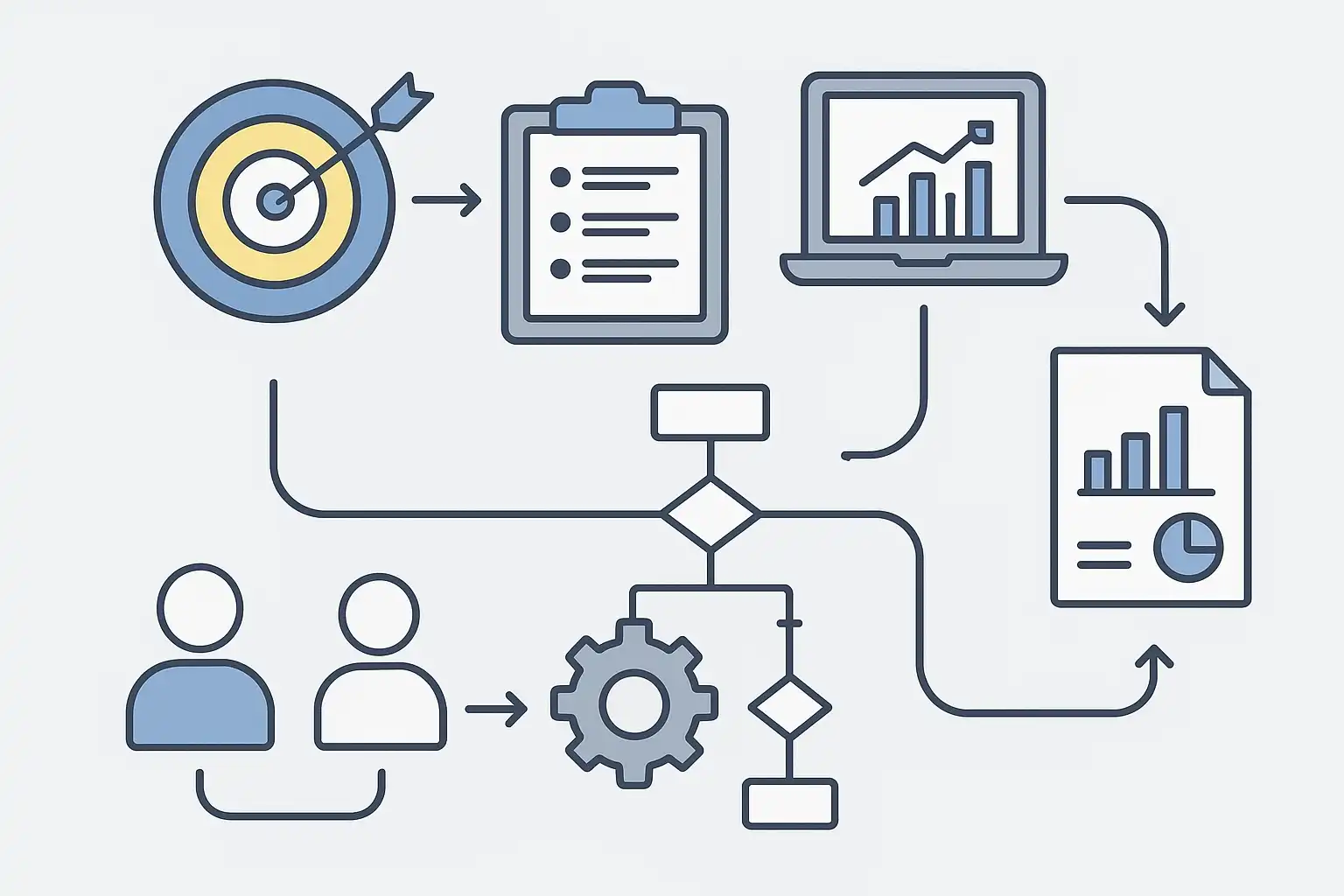
The Business Analysis Service Framework is a structured approach that helps organizations identify needs, analyze challenges, and deliver actionable solutions to improve decision-making and project success. It comprises six core components: goals and objectives alignment, stakeholder identification and engagement, data gathering and analysis, tools and techniques application, clear roles and responsibilities, and best practices for implementation. By following a repeatable process—from defining problems and setting clear objectives to tracking progress with KPIs and fostering continuous improvement—businesses can reduce risks, optimize resources, and enhance collaboration. Key tools like SWOT, PESTLE, root cause analysis, and requirements management software support accurate analysis and actionable insights. Early and consistent stakeholder engagement is critical for clarifying requirements, building trust, and minimizing resistance. Challenges such as unclear goals, poor engagement, and resistance to change can be overcome with clear communication, training, and iterative feedback. The framework is adaptable across industries and supports remote teams through digital collaboration tools. Regular reviews ensure the framework remains effective and aligned with evolving business needs. Overall, implementing this framework drives higher project success rates, better resource use, risk mitigation, and continuous organizational growth.

Leading AI solution providers in 2024 include OpenAI, DeepSeek, Microsoft, Anthropic, Alphabet (Google), Nvidia, Meta, IBM, Baidu, and Alibaba. These companies drive AI innovation across sectors by offering unique strengths such as OpenAI’s advanced generative models, DeepSeek’s coding-focused AI, Microsoft’s cloud infrastructure, and Anthropic’s ethical AI development. Alphabet leads broad AI applications from search to autonomous vehicles, while Nvidia powers AI with high-performance hardware. Meta focuses on social media and immersive AI experiences, IBM delivers enterprise AI solutions in healthcare and finance, and Baidu and Alibaba emphasize natural language processing and e-commerce AI, respectively. Industries benefiting most include healthcare, finance, supply chain, e-commerce, social media, cloud computing, and autonomous transportation. When choosing an AI partner, businesses should consider experience, scalability, data security, ethical standards, customization, and support. Successful AI adoption involves identifying key areas for improvement, piloting solutions, training staff, and scaling proven applications. Both global giants and innovative startups like DeepSeek offer scalable, ethical, and industry-specific AI solutions, making AI accessible to enterprises and smaller businesses alike. This dynamic ecosystem continues to transform how organizations automate workflows, enhance decision-making, and innovate for the future.

Professional data labeling tools are essential for machine learning (ML) teams to convert raw data into accurately annotated datasets, crucial for training effective AI models. These specialized platforms support diverse data types—including images, text, audio, and video—and enhance labeling through automation, collaboration, and quality assurance features. Unlike basic methods like spreadsheets, professional tools offer scalable workflows, real-time collaboration, audit trails, and integration with ML pipelines. Key features to consider include multi-format support, customizable interfaces, AI-assisted automation, robust quality control, security compliance, and scalability. Popular platforms such as Labelbox, Scale AI, and Amazon SageMaker Ground Truth provide advanced annotation and management capabilities. Quality assurance is maintained via consensus labeling, review workflows, and automated validations, ensuring consistent, high-quality data essential for model accuracy. Teams can manage labeling in-house, outsource, or adopt hybrid models depending on control, scalability, and cost needs. Best practices include clear guidelines, ongoing training, continuous feedback, and leveraging automation where appropriate. Despite challenges like onboarding complexity and security concerns, professional tools significantly improve productivity and model outcomes. The future of data labeling is moving toward greater automation, smarter QA, domain-specific workflows, enhanced privacy, and global collaboration, helping ML teams build more accurate, fair, and responsible AI systems.

Data science consulting salaries in the UK range from £45,000 for entry-level consultants to over £200,000 for principal or partner roles, with London-based professionals often earning 10–30% more. Factors influencing pay include experience, location, employer type, skill set, industry, and client base. Consultants with expertise in machine learning, AI, cloud computing, and business insight command higher salaries. Roles vary from strategy and technical consultants to analytics translators and project managers. Consulting firms use structured pay scales, combining base salary with bonuses, while freelancers set rates between £400 and £1,500 per day but face income variability and lack benefits. Higher salaries reflect the need for versatile skills, rapid problem-solving, and adaptability across industries like finance, healthcare, and technology. Advanced degrees and certifications (e.g., CAP, Azure Data Scientist, AWS ML Specialty) enhance earning potential. The future outlook is positive, driven by AI integration and data demand, though competition grows. Effective salary negotiation involves market research, showcasing achievements, and networking. Consulting offers high earnings and diverse projects but may involve unstable income and travel. Overall, data science consulting remains a lucrative and dynamic career path for skilled professionals.

Statistical modeling companies in Des Moines, Iowa, provide essential data-driven solutions that help businesses of all sizes make informed decisions. These experts use advanced techniques such as predictive modeling, risk analysis, regression, and time series analysis to uncover trends, forecast outcomes, and optimize operations across industries like finance, healthcare, agriculture, retail, and logistics. Local firms offer personalized service with a deep understanding of Iowa’s market, enabling faster support, regional insights, and access to relevant data resources. When choosing a statistical modeling partner, consider their industry experience, technical skills, communication clarity, portfolio, ethical practices, and ability to deliver customized solutions. The typical project process includes needs assessment, data collection, model development, validation, and ongoing support, often utilizing tools like R, Python, SAS, and Tableau. Hiring these companies offers benefits such as expert knowledge, time savings, and scalable services, though costs and data privacy should be weighed. Combining statistical modeling with other data science services can enhance business analytics and growth. Preparation with clear goals and quality data ensures successful collaboration. Trusted local experts emphasize transparency, credentials, client references, and long-term partnerships to drive measurable business impact in Des Moines and beyond.
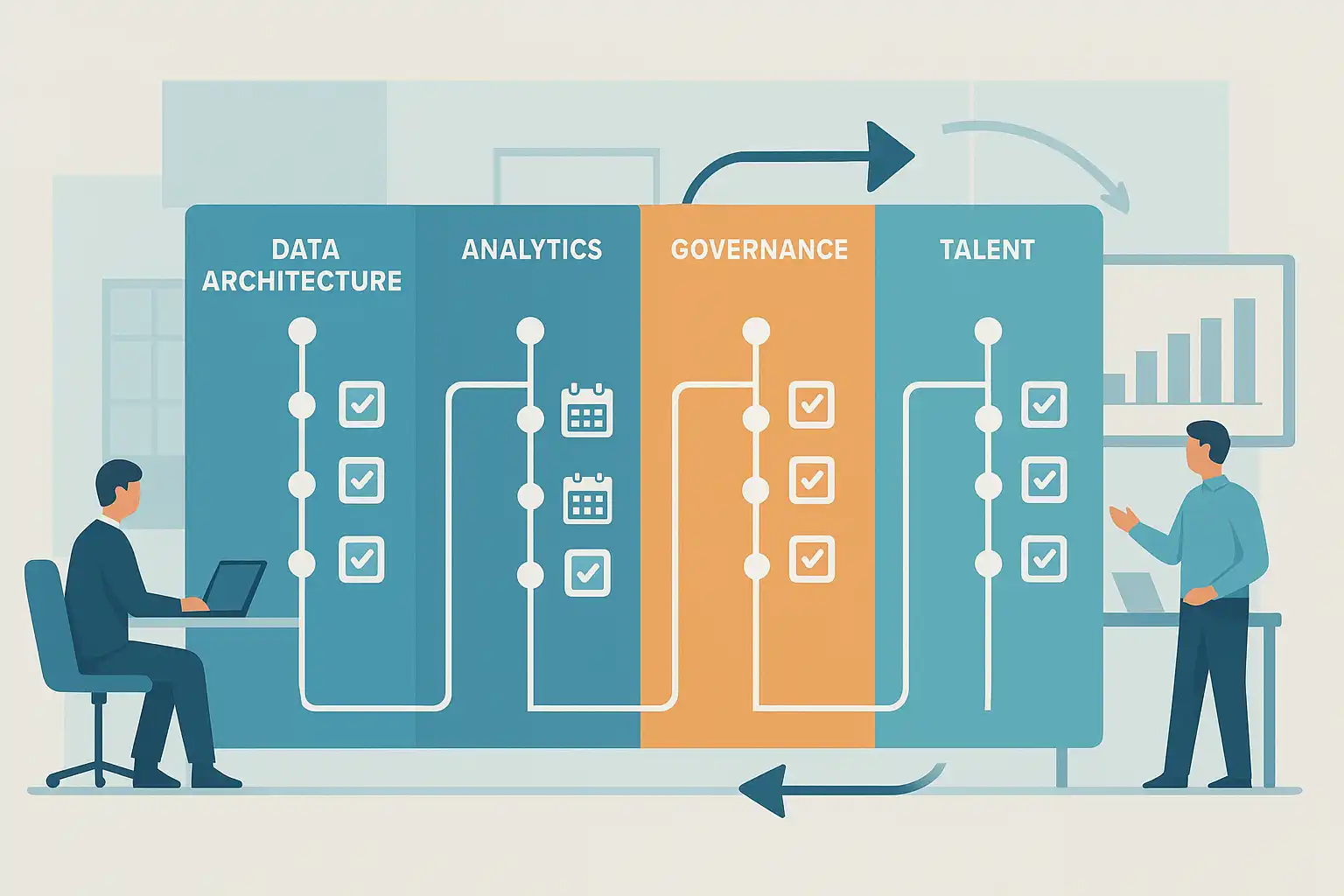
This article provides actionable examples and best practices for creating effective data strategy roadmaps tailored to any business. A data strategy roadmap bridges the gap between high-level vision and execution by outlining clear business outcomes, aligned initiatives, timelines, ownership, resource planning, and impact tracking. It emphasizes the roadmap as a living document, regularly reviewed and adapted to evolving priorities and technologies. Key components include measurable KPIs, stakeholder engagement, and communication plans to ensure accountability and buy-in across departments. The article offers step-by-step guidance for building a roadmap, from gathering stakeholder input to prioritizing use cases and setting milestones. Real-world examples illustrate roadmaps for retail, manufacturing, and healthcare sectors, highlighting industry-specific focuses like compliance, predictive maintenance, and patient data privacy. It stresses tailoring roadmaps to sector realities and balancing quick wins with scalable initiatives. Best practices include starting lean, involving stakeholders early, maintaining flexibility, tracking adoption and business impact, addressing skill gaps, and frequent communication. Success measurement relies on connecting initiatives to business KPIs, adoption rates, milestone completion, feedback loops, and ROI tracking. Overall, this roadmap approach ensures data efforts drive measurable business value while remaining adaptable to change.

Enroll in a comprehensive Data Science Training Course in Indore to jumpstart or advance your career in this high-demand field. Designed for beginners and professionals alike, these courses cover essential topics including Python programming, statistics, machine learning, big data tools like Hadoop and Spark, data visualization, and hands-on real-world projects. Flexible learning options—online, offline, or hybrid—cater to varied schedules, with expert trainers from top companies such as TCS, IBM, and Microsoft providing industry insights and placement support. The curriculum emphasizes practical skills and project-based learning, preparing you for job roles through mock interviews, resume building, and a 100% job guarantee in many programs. Indore’s growing tech ecosystem, affordable training costs, and strong peer network make it an ideal location to pursue data science education. Certification upon completion boosts your professional profile and opens doors to roles across finance, healthcare, e-commerce, and more. Whether you’re a fresh graduate, working professional, or entrepreneur, this course equips you with the knowledge and tools to excel in data-driven careers and meet evolving industry demands. Enroll now to secure your future in the thriving data science industry.

Enterprise data science firms in Charlotte play a vital role in driving innovation and efficiency across key industries like financial services, healthcare, manufacturing, retail, and energy. These firms offer tailored solutions including predictive analytics, AI, data engineering, and advanced cybersecurity, helping businesses make smarter, data-driven decisions while ensuring regulatory compliance. When selecting a data science partner, Charlotte organizations should prioritize firms with proven local experience, strong technical expertise, transparent communication, flexible pricing, and robust security measures. Top firms deliver end-to-end services from strategy to ongoing support, using cutting-edge technologies and maintaining close collaboration to adapt to evolving business needs. Local providers excel in understanding Charlotte's unique market and regulatory environment, offering faster, personalized service compared to national competitors, though many successful firms blend local presence with national resources. Challenges like regulatory compliance, talent shortages, legacy systems, and cybersecurity threats require strategic partnerships with firms capable of scalable, secure, and compliant solutions. Best practices for collaboration include clear goal-setting, stakeholder involvement, regular updates, and knowledge sharing. Overall, partnering with a reputable Charlotte data science firm empowers businesses to optimize operations, enhance decision-making, and maintain competitive advantage in a rapidly growing economy.
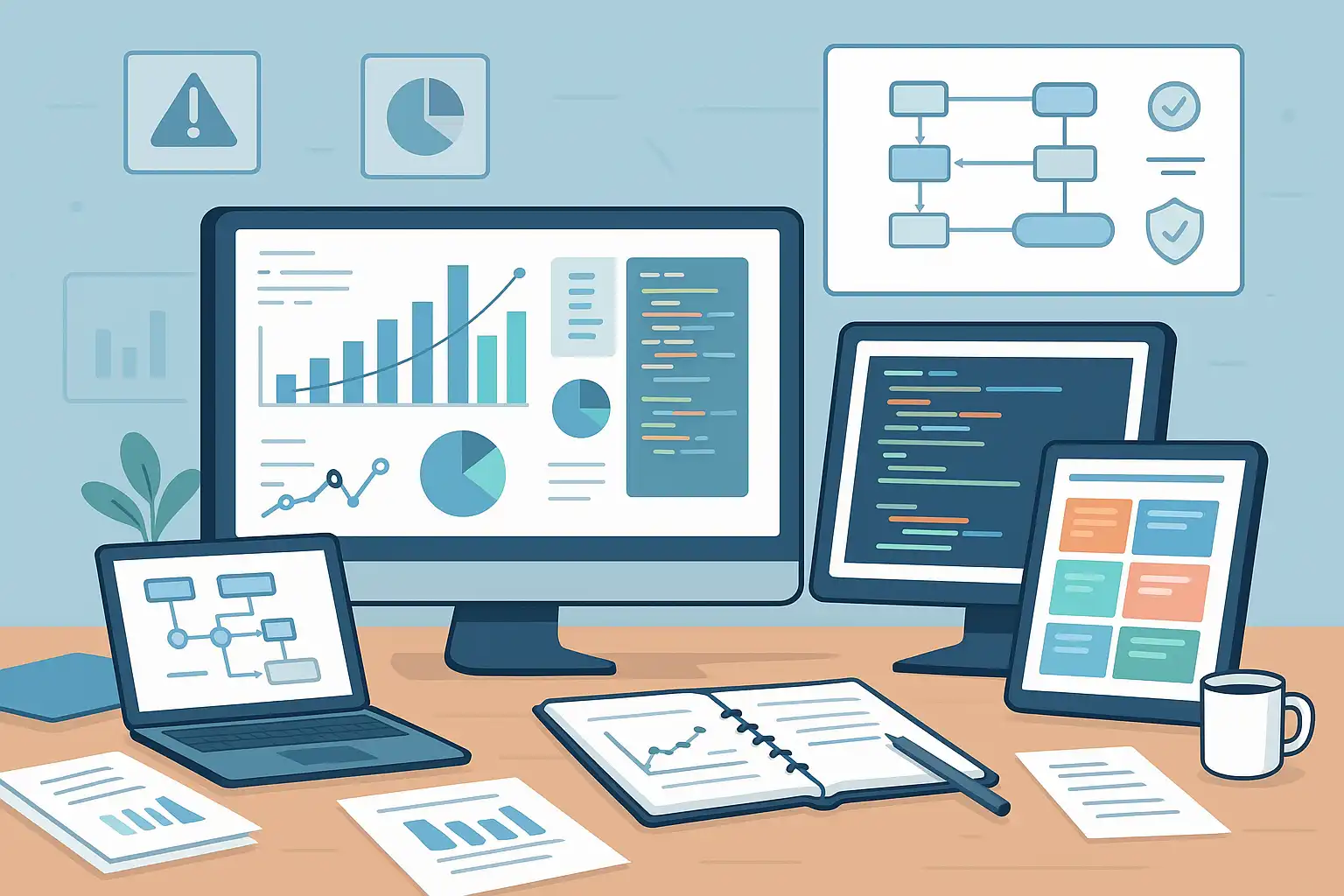
Data science project management is crucial for delivering successful projects on time and within budget, addressing unique challenges like complex data, evolving models, and uncertain outcomes. It requires clear goal-setting, effective communication, and collaboration between technical and business teams. Key project stages include problem definition, data collection, preparation, modeling, evaluation, deployment, and ongoing monitoring. Best practices emphasize proper planning, assembling diverse teams, adopting iterative agile methods, ensuring data quality, maintaining clear communication, managing risks, thorough documentation, ethical compliance, deployment readiness, and continuous improvement. Utilizing tools like Jira, Trello, Git, and Jupyter enhances project organization and collaboration. Avoid common pitfalls such as vague objectives, poor data quality, overengineering, neglecting deployment, and inadequate communication. Success relies on aligning projects with business goals, involving end-users, iterative learning, and measuring both technical and business impacts. Balancing flexibility with structure through combined agile and traditional methods ensures adaptability without losing control. Regular plan updates and strong project management roles help maintain focus and value delivery. These practices benefit organizations of all sizes, enabling data science initiatives to generate actionable insights and real business impact effectively.

This guide provides comprehensive tips for crafting an effective data engineer support resume, emphasizing the importance of showcasing both technical expertise and problem-solving skills. Key resume sections include contact information, a tailored professional summary, relevant skills (e.g., Python, SQL, Hadoop, AWS), professional experience with measurable achievements, education, certifications, and tools used. The resume should be clear, concise, and ATS-friendly, using standard fonts, keyword optimization, and simple formatting. Candidates are advised to customize their resumes for each job by mirroring keywords, highlighting relevant projects, and quantifying their impact. Entry-level applicants should focus on projects, certifications, transferable skills, and demonstrate eagerness to learn. Avoid common mistakes such as exaggerating skills, unclear job titles, and neglecting proofreading. A chronological format is generally preferred to show career progression, while skills-based formats suit career changers. Emphasizing teamwork, communication, and continuous learning enhances appeal. Following these strategies improves the chances of standing out in a competitive job market and successfully passing ATS filters, ultimately increasing opportunities in data engineer support roles worldwide.

Predictive analytics specialists earn competitive salaries ranging from $85,000 to $120,000 annually, with top professionals in major tech hubs like San Francisco, New York, and London earning $130,000 or more. Key factors influencing salary include location, industry (finance and healthcare pay the highest), technical skills in machine learning, statistical analysis, programming, and professional certifications like CAP or Azure Data Scientist. Experience significantly impacts pay, with entry-level roles starting at $60,000-$80,000 and senior positions exceeding $150,000. Soft skills such as communication and leadership also enhance earning potential. The demand for predictive analytics experts is growing rapidly, driven by AI advancements and widespread adoption across sectors, forecasting a 36% job growth from 2023 to 2033. To increase salary prospects, specialists should invest in continuous learning, earn relevant certifications, build impactful portfolios, network, and consider relocating to major tech hubs. The future is promising for those who combine technical expertise with business insight and adaptability, as salary growth is expected to continue across industries globally.

Choosing the right data science consulting firm is crucial for unlocking valuable insights and driving business growth. Firms offer diverse services including predictive modeling, customer behavior analysis, and data strategy development using tools like Python, R, and cloud platforms. To select the best partner, define your business goals, assess data readiness, and shortlist firms based on industry experience, technical expertise, and cultural fit. Evaluate candidates through case studies, references, and clear communication about methodologies and deliverables. Beware of firms promising unrealistic results or lacking transparency. Industry-specific experience ensures compliance with regulations and faster, relevant solutions. Pricing should be compared based on value, considering support and training included. Effective communication and collaboration are essential for project success, ensuring alignment and knowledge transfer. Engaging a data science consulting firm accelerates project delivery, reduces risks, and provides access to advanced tools and objective insights. Small and medium businesses can also benefit from tailored analytics services. Prepare your data by ensuring accuracy and accessibility to maximize consulting outcomes. Following a structured approach enhances the likelihood of a productive, long-term partnership that drives actionable results and business value.

Leading data science service companies empower enterprises by delivering scalable, secure, and advanced analytics solutions tailored to complex business needs. Key selection criteria include technical expertise in AI, machine learning, big data, comprehensive service offerings—from data strategy to visualization—and robust data security compliant with regulations like GDPR and HIPAA. Top providers utilize cutting-edge tools such as Python, R, Tableau, and cloud-based Data Science as a Service (DSaaS) to enhance data modeling, automation, and real-time insights. Partnering with specialized firms offers access to global talent, cost-efficient flexible pricing, and faster project delivery while maintaining strict compliance and security standards. Successful enterprise analytics follow a structured workflow: assessment, data preparation, modeling, deployment, visualization, and continuous improvement. Outsourcing data science services balances benefits like scalability and expertise against challenges including communication and integration complexities. Cloud-based analytics solutions improve agility, collaboration, and cost management. Customizable services ensure alignment with specific business goals, enabling enterprises to leverage data-driven insights effectively. Continuous strategy evaluation and stakeholder engagement are vital for sustained success in enterprise analytics programs. For enterprises seeking to maximize growth and operational efficiency, choosing the right specialized data science partner is critical for unlocking the full potential of their data assets.

Data science development services empower product and platform teams to leverage data for smarter decision-making, optimized user experiences, and business growth. These services include consulting, data engineering, custom algorithm development, visualization, and ongoing support, helping teams transform raw data into actionable insights. Effective data science teams typically comprise roles such as data scientists, analysts, machine learning engineers, and data architects, structured in centralized, decentralized, or hybrid models to align with business goals. Challenges include talent shortages, maintaining data quality, and ensuring insights are practical and relevant. Successful integration involves embedding data experts within workflows, fostering cross-functional collaboration, and utilizing BI tools to promote data-driven cultures. Popular tools include Python, R, TensorFlow, Apache Spark, and visualization platforms like Tableau and Power BI. Partnering with external data science providers offers scalability and expertise but requires managing potential knowledge gaps and dependencies. Team augmentation provides flexible access to specialized skills without long-term hires. Overall, adopting tailored data science development services enables teams to enhance product roadmaps, improve platform performance, and drive innovation efficiently.

When choosing a machine learning consulting services company, evaluate their proven expertise through past projects, technical skills in tools like TensorFlow and PyTorch, and industry-specific knowledge, especially in regulated sectors. Ensure they understand your business goals by assessing how well they listen, align with your workflows, and set clear success metrics. Strong project management is essential; inquire about their methodologies, team roles, deployment strategies, and ongoing monitoring practices. Watch out for vague responses, lack of transparency, or promises of quick fixes. When comparing costs, focus on overall value, including data preparation, support, and intellectual property rights, rather than just price. Verify references, clarify project scope, confirm ongoing support, review contracts thoroughly, and understand exit strategies before signing. Prioritize consultants who adapt their approach to your unique challenges, offer continuous support, define clear success criteria, and demonstrate cultural fit through open communication and collaboration. This comprehensive vetting ensures a productive partnership that delivers measurable business impact and scalable AI solutions.
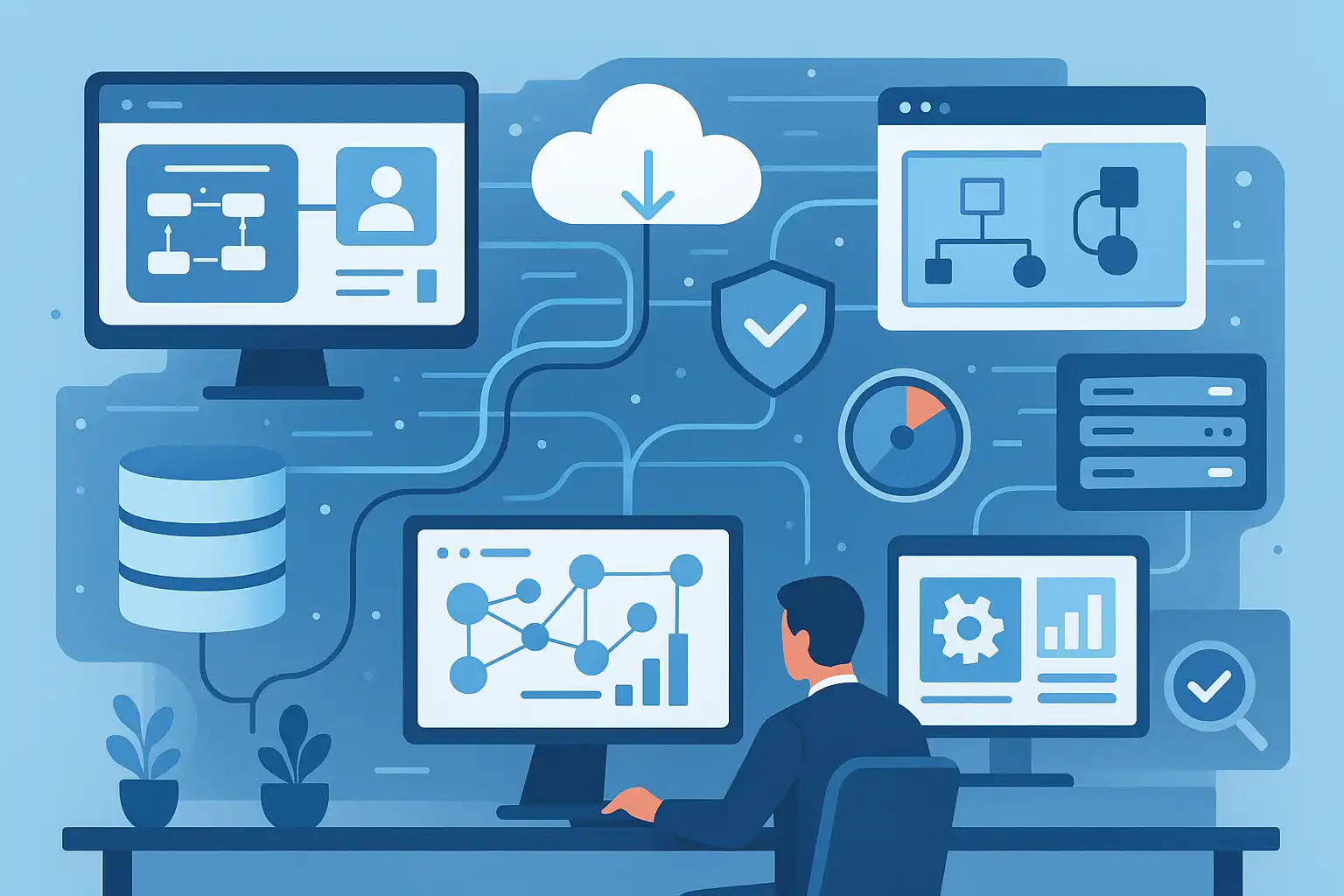
To vet a local data science solutions provider for ongoing support, prioritize technical expertise, transparency, integration capabilities, and compliance with regulations like GDPR and CCPA. Evaluate their ability to maintain high data quality, offer consultative and tailored support, and ensure seamless integration with your existing systems such as CRM and marketing platforms. Assess responsiveness through real-world case studies, timely updates, and proactive communication. Confirm the provider’s flexibility to adapt to evolving business needs, including scalability, compliance updates, and integration with new technologies. Use measurable KPIs like data accuracy and update frequency to compare options. Essential vetting steps include defining your requirements, reviewing portfolios, testing responsiveness, verifying compliance, and checking scalability. Choose providers offering clear SLAs, regular data updates, a mix of automated and manual error checks, and additional consulting services. Reliable partners function as strategic allies, delivering long-term value through sustained data quality, smooth system integration, and cost-effective support. This approach ensures your data science provider supports growth, regulatory changes, and operational efficiency effectively.

Choosing the right data science agency for startups with limited data maturity involves finding partners who understand early-stage challenges and can work with unstructured or incomplete data. Startups often have messy, scattered information and lack clear analytics goals, so agencies should focus on practical guidance, flexible project scopes, and collaborative processes rather than complex models. Key factors include experience with startups, the ability to handle noisy data, transparent communication, and an advisory mindset that helps build scalable data practices. Agencies typically support growth by organizing data, identifying actionable metrics, setting up cost-effective infrastructure, and training teams. Popular tools include Google Sheets, Airtable, Tableau, and cloud platforms like AWS or Google Cloud. Benefits of hiring an agency include quick access to expertise, faster insights, and establishing data-driven habits without immediate full-time hires, while risks involve possible misalignment and overspending. Clear expectations, pilot projects, and knowledge transfer are essential to mitigate risks. Aligning data strategy with business goals ensures meaningful analytics that drive startup success. Flexible pricing and phased approaches make data science accessible for startups, even those with minimal data, enabling gradual development from basic reporting to advanced analytics.
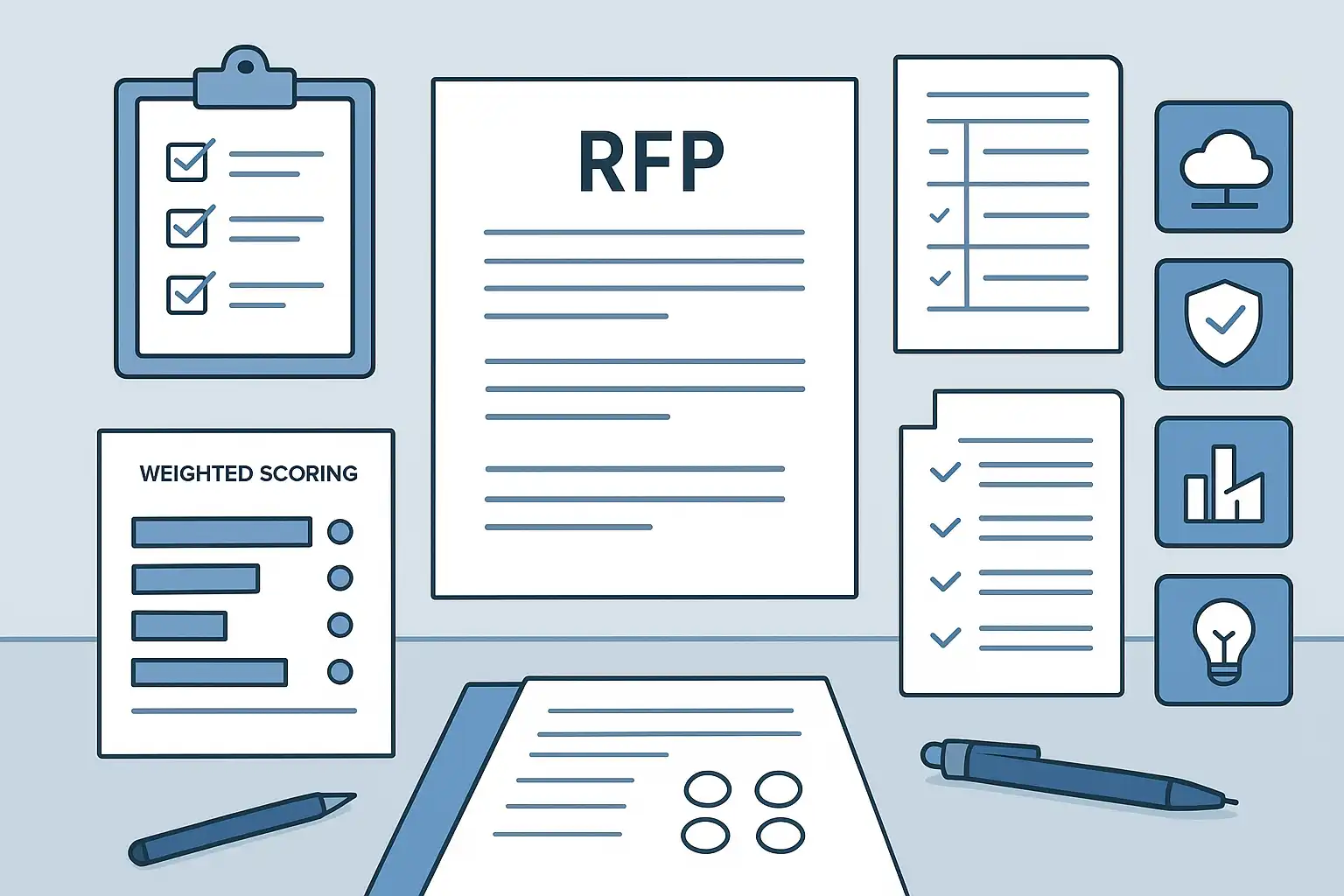
This guide explains how to use a data science service provider RFP template to effectively shortlist the right partner. Key RFP criteria include technical expertise, relevant industry experience, and business alignment, with weighted scoring to prioritize factors like technical skills (25%), business fit (30%), security (15%), experience (20%), and cost (10%). It emphasizes evaluating providers on specific technical capabilities such as machine learning, data engineering, security compliance, and scalability. The RFP should also assess providers’ domain experience through case studies and certifications. Business alignment criteria focus on cultural fit, communication, innovation, and ROI to ensure the partner supports long-term goals. Structuring the evaluation with pass/fail screening and detailed weighted scoring enhances fairness and efficiency. Including KPIs, proof of concept, and team augmentation capabilities further improves selection accuracy. Common pitfalls to avoid are vague requirements, overemphasizing cost, neglecting references, and ignoring cultural fit. Incorporating these best practices leads to smoother onboarding, reduced project risks, and successful data science collaborations tailored to your business needs.
This comprehensive checklist guides businesses in evaluating data science vendors by focusing on three key areas: technical skills, process management, and risk mitigation. It emphasizes assessing vendors’ team expertise, technology stacks, and proven project success, while also examining their workflows, communication practices, and adaptability to change. Effective project management frameworks like Agile or Scrum, clear milestones, and transparent reporting are highlighted as essential for timely delivery. Risk management involves ensuring data security, legal compliance (e.g., GDPR, HIPAA), clear pricing structures, and contingency plans to protect against disruptions. The guide encourages reviewing past projects, client testimonials, and certifications to verify vendor credibility and business impact. Additionally, it warns against choosing vendors solely based on cost, advocating a balanced approach that values quality and transparency. The inclusion of a vendor comparison table helps streamline decision-making. Overall, this checklist empowers organizations to make informed, risk-aware, and strategic choices when selecting data science partners, ensuring alignment with business goals and data governance standards.

This comprehensive checklist guides businesses in selecting the best data science vendors by evaluating technical skills, project processes, and risk management. Focus on vendors’ certified expertise in tools like Python, TensorFlow, and cloud platforms (AWS, Azure, Google Cloud), alongside their experience with data cleaning, modeling, and visualization. Assess project management methodologies such as Agile or Scrum, communication transparency, and flexibility to adapt to changing needs. Prioritize vendors with strong risk controls, including data security compliance (GDPR, HIPAA), clear pricing, contingency plans, and business continuity strategies. Reviewing past projects, client testimonials, and case studies helps validate claims and measure real-world impact. Avoid choosing solely based on price; instead, balance cost with proven results and reliable processes. Use a structured checklist comparing certified teams, workflow transparency, security policies, pricing, and references to make informed decisions. This approach minimizes hidden risks and ensures a trustworthy partnership that delivers actionable business insights.
A data science managed services provider can significantly enhance your team’s performance by offering expert support in complex data projects. Key signs you need such a provider include unclear KPIs, misaligned data efforts, resource constraints, low ROI, and data quality issues. Managed services deliver faster results through proven workflows, continuous model optimization, risk management, and scalability without the need for large in-house teams. These services benefit rapidly growing companies, stretched teams, and organizations aiming to standardize practices across departments. When choosing a provider, prioritize business alignment, technical expertise, transparency, and collaboration. While in-house teams suit small projects or companies with mature data capabilities and strict compliance needs, managed providers offer specialized skills and cost efficiencies ideal for broader data initiatives. To start, define your goals, identify KPIs, assess gaps, research providers, and establish a clear roadmap. Benefits include faster outcomes, access to advanced tools, and continuous improvement, while risks involve potential skill loss and data privacy concerns. With careful selection and communication, managed data science services can drive measurable business impact across industries and company sizes.
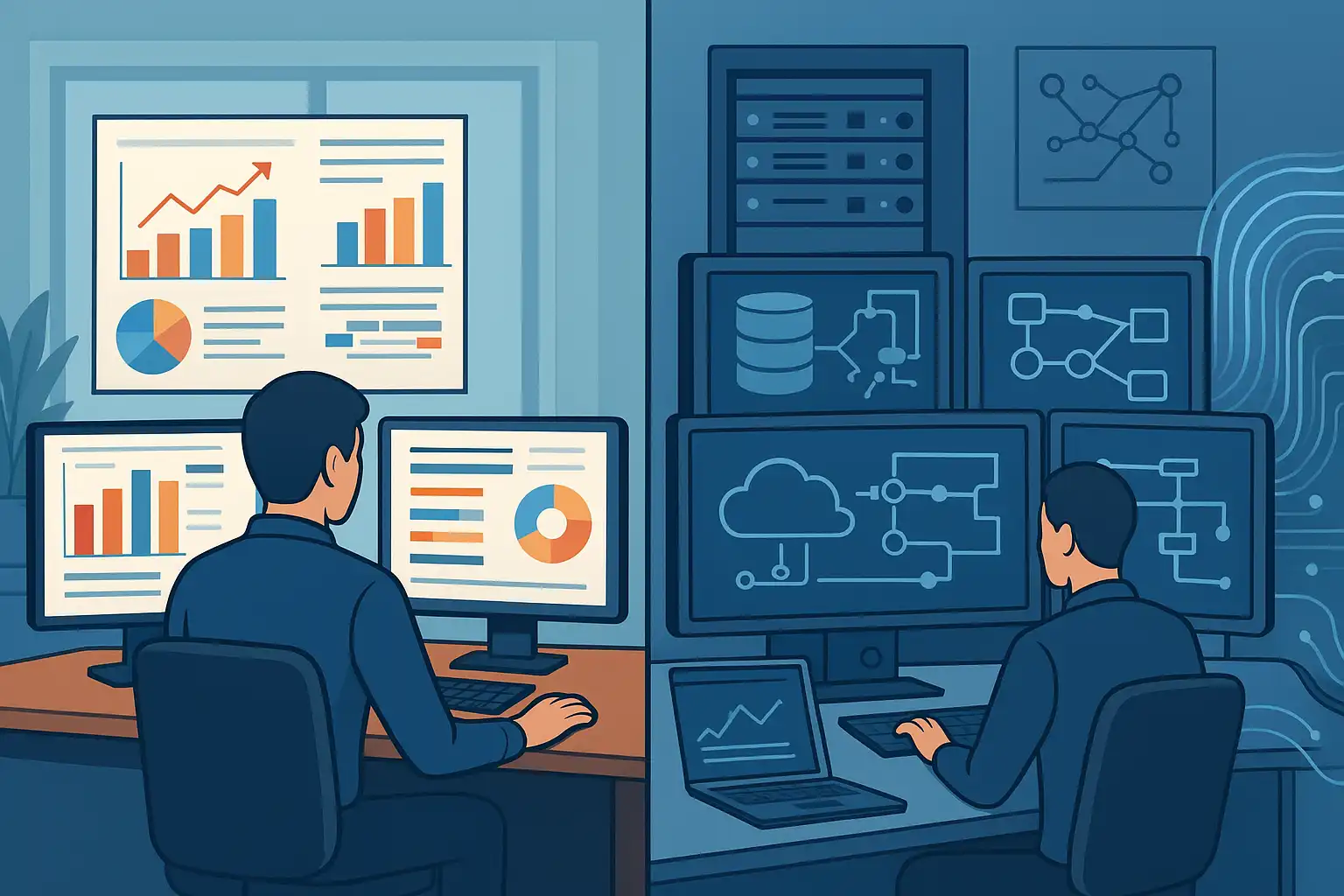
Business Intelligence (BI) analysts and BI engineers play distinct but complementary roles in data-driven organizations. BI analysts focus on translating data into actionable business insights using dashboards, reports, and visualization tools like Tableau and Power BI. Their responsibilities include analyzing trends, preparing performance reports, and communicating findings to stakeholders. In contrast, BI engineers build and maintain the technical infrastructure—data warehouses, pipelines, and integrations—that enable data collection, processing, and storage. They work with ETL tools, databases, and cloud platforms such as AWS and Snowflake to ensure data reliability and scalability. Key skills for analysts include data storytelling, basic SQL, and business acumen, while engineers require advanced SQL, programming, and system architecture expertise. Deliverables differ: analysts provide user-friendly insights and visualizations, whereas engineers deliver automated workflows, database schemas, and technical documentation. Collaboration between these roles is essential for efficient, accurate business intelligence. Organizations should hire analysts when they have solid data infrastructure but need insight generation, while engineers are critical when building or scaling data systems. Both roles benefit industries like retail, healthcare, and finance, where robust data infrastructure and insightful analysis drive better decision-making. Proper coordination, clear communication, and ongoing training maximize their combined value in achieving strategic business goals.

BI Analyst vs Data Analyst roles differ significantly in focus, skills, and daily tasks. Data analysts concentrate on collecting, cleaning, and analyzing raw data using technical tools like SQL, Python, and R to uncover trends and generate detailed reports for internal use. In contrast, BI analysts translate these technical insights into actionable business strategies by creating dashboards and reports with tools like Power BI and Tableau, working closely with stakeholders to support decision-making and track KPIs. While data analysts emphasize statistical analysis and coding, BI analysts prioritize business acumen, communication, and visualization skills. Collaboration often involves data analysts preparing accurate datasets and analyses, which BI analysts then use to address business questions and recommend strategic actions. Career paths vary: data analysts suit those interested in technical problem-solving, while BI analysts fit those drawn to business strategy and cross-departmental communication. Industries such as finance, healthcare, and retail benefit from both roles to optimize operations and growth. Although some professionals may blend these skills, each role requires distinct expertise. Understanding these differences helps organizations build balanced teams that maximize data-driven business intelligence and strategic impact.
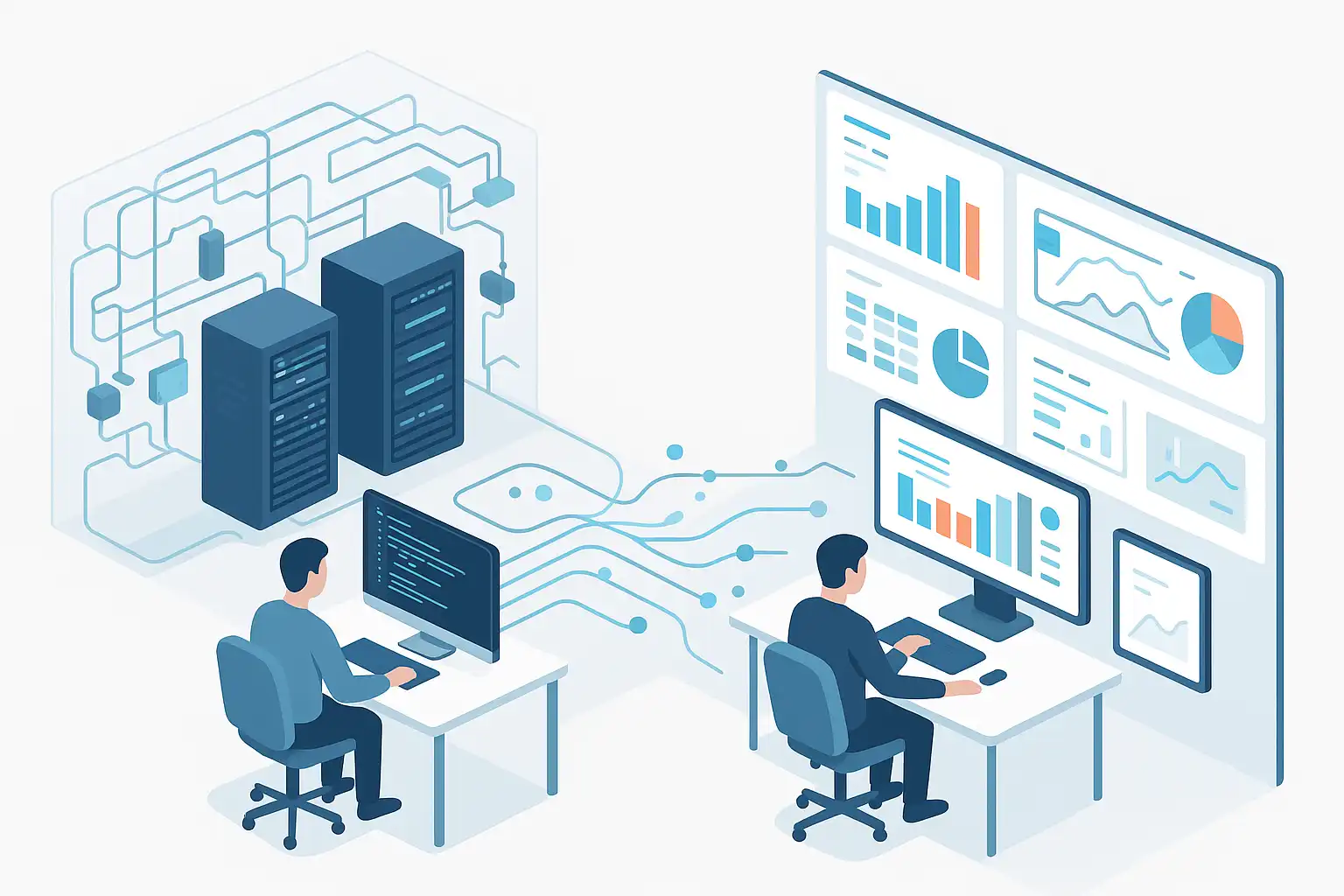
Business intelligence (BI) developers and analysts play distinct but complementary roles essential for data-driven decision-making. BI analysts focus on collecting, cleaning, analyzing data, and presenting insights through reports and dashboards to guide business strategies. In contrast, BI developers work behind the scenes, designing and maintaining databases, managing ETL processes, and ensuring data quality and accessibility. Their collaboration begins with defining data requirements, continues through data preparation and analysis, and involves ongoing feedback to refine BI systems. Analysts rely on developers to provide reliable, up-to-date data, while developers depend on analysts to specify business needs and interpret insights. Key tools include Tableau, Power BI, SQL, Python, and ETL platforms like Informatica and Talend. Strong communication and teamwork between these roles lead to faster, more accurate reporting, actionable insights, and greater organizational agility. While analysts excel in business understanding and communication, developers bring technical expertise in database management and system architecture. Effective collaboration benefits industries such as retail, finance, healthcare, and manufacturing by improving data reliability and decision speed. Organizations should foster open communication, shared goals, and regular collaboration to maximize BI performance and drive business success.

A Business Intelligence (BI) Engineer plays a crucial role in modern data teams by transforming raw data into actionable insights for informed decision-making. They design, maintain, and optimize ETL pipelines, data warehouses, and data models, ensuring data accuracy, security, and accessibility. BI engineers collaborate closely with analysts and data scientists, aligning data infrastructure with business goals and refining models based on feedback. They utilize tools like Apache Airflow, SQL, Python, Snowflake, Power BI, and AI-powered platforms to automate workflows and enhance analytics. The role is increasingly vital due to growing data volumes, complex cloud ecosystems, regulatory compliance, and the integration of AI and automation in BI processes. Successful BI engineers combine technical expertise with strong communication, problem-solving, and adaptability skills, enabling them to support diverse industries including finance, retail, and healthcare. Their ability to implement reliable data systems and foster self-service BI empowers organizations to leverage data-driven strategies efficiently.

A Business Intelligence (BI) analyst transforms raw data into actionable insights, enabling non-technical managers to make informed, data-driven decisions. Their core responsibilities include collecting and analyzing data from diverse sources, generating clear reports and dashboards, supporting decision-making with practical recommendations, ensuring data privacy, and collaborating across departments. BI analysts follow a structured BI cycle: defining business problems, gathering and cleaning data, analyzing trends, visualizing insights, and advising management. Essential skills include database knowledge, SQL, ETL, cloud platforms, data visualization tools like Tableau and Power BI, statistical analysis, strong communication, and problem-solving abilities. BI analysts enhance operational efficiency, reduce risks, and provide competitive advantages by turning complex data into understandable business strategies. They help organizations of all sizes adapt quickly to market changes and improve continuously. Unlike data scientists, BI analysts focus on descriptive analytics and business improvement, making their role vital for everyday decision-making. Hiring a BI analyst bridges the gap between technical data and business goals, driving growth and smarter strategies without requiring managers to master technical skills.

This article clarifies the distinctions and collaboration between BI engineers and data engineers. Data engineers build and maintain the infrastructure that collects, processes, and stores raw data, focusing on backend systems, ETL processes, and data pipelines to ensure data reliability and availability. In contrast, BI engineers use this infrastructure to transform data into actionable business insights through dashboards, reports, and analytics, working closely with business users. While their roles differ, overlaps occur—especially in smaller teams—requiring shared skills like SQL, data modeling, and cloud platform familiarity. Effective collaboration involves clear communication, thorough documentation, and defined responsibilities to manage handoffs smoothly and maintain data quality. Challenges include changing business requirements, misaligned metrics, and tool access issues, which can be mitigated through cross-training, collaborative platforms, and regular team interactions. The article emphasizes that as data complexity grows, distinct BI and data engineering roles enhance efficiency and insight quality, though professionals can transition between roles by expanding their skill sets. Modern cloud tools facilitate tighter integration but underline the ongoing need for teamwork and clear boundaries to maximize data’s business value.

Business Intelligence (BI) architects and engineers play distinct yet complementary roles in data management. BI architects focus on the strategic design and high-level planning of data systems, including data architecture, security, scalability, and alignment with business goals. They determine the “why” and “what” of BI projects by setting vision, selecting data sources, and establishing standards. In contrast, BI engineers handle the technical execution—building, testing, and maintaining data pipelines, optimizing queries, and troubleshooting. They own the “how,” implementing the architect’s frameworks using tools like ETL platforms, coding languages (Python, SQL), and cloud services (AWS, Azure). Effective collaboration between architects and engineers ensures well-designed, robust BI systems. Architects lead strategy and stakeholder communication, while engineers focus on operational reliability and system performance. Transition from engineer to architect is common as professionals gain broader strategic insight. Both roles require a blend of technical expertise and soft skills, adapting to evolving trends like AI-driven BI. Understanding these roles clarifies BI team dynamics and supports successful data initiatives. BI architects design the roadmap, engineers build the journey—together driving data-driven business growth.

A well-structured Business Intelligence (BI) team is essential for growing organizations to transform data into actionable insights that drive strategic decisions. Key BI roles include BI Manager, Data Analyst, Data Engineer, Data Scientist, BI Developer, Data Architect, Business Analyst, Visualization Specialist, and Database Administrator, each contributing uniquely to data management, analysis, and visualization. Effective BI teams enable faster response to market changes, identify new opportunities, reduce costs, and focus on critical KPIs aligned with business goals. Growing companies often start with centralized BI teams before adopting distributed models embedded in business units. Successful BI teams combine technical skills (SQL, Python, Power BI) with strong communication, collaboration, and continuous improvement. Measuring BI success involves adoption rates, time to insight, data quality, business impact, and user satisfaction. Common challenges like data silos, poor data quality, and talent shortages can be overcome through data governance, stakeholder engagement, and upskilling. Even small businesses benefit from BI by tailoring team size and tools to their needs. Regular cross-department collaboration and ongoing skill development are vital to maintaining a competitive, data-driven organization poised for sustainable growth.

A Business Intelligence (BI) analyst transforms raw data into actionable insights, enabling companies to make evidence-based decisions. They collect, analyze, and report on data related to sales, customers, and operations, helping businesses identify trends, solve problems, and improve efficiency. BI analysts design data collection methods, ensure data accuracy, collaborate with stakeholders, and use tools like SQL, Excel, Power BI, and Looker to create clear reports and dashboards. Their role differs from data scientists and data analysts by focusing on business context and practical recommendations for decision-makers. BI analysts are essential across industries such as retail, finance, healthcare, and manufacturing, supporting teams like marketing and operations with timely data insights. As business intelligence evolves with AI and cloud technologies, BI analysts remain crucial for interpreting complex data while adapting to new tools and ethical standards. Their skills combine technical expertise, analytical thinking, communication, and project management. Growing demand for BI analysts is driven by companies’ need to leverage advanced BI tools for competitive advantage and strategic growth.

A Business Intelligence (BI) Engineer is a data professional who designs, builds, and manages systems that collect, organize, and analyze company data to enable informed, data-driven decisions. They develop centralized data warehouses, ensure data accuracy and security, and create dashboards and reports for business stakeholders. BI engineers bridge the gap between technical systems and business needs by collaborating with analysts and developers, making complex data accessible and actionable. Common tools include Amazon Redshift, Snowflake, Tableau, Power BI, and cloud platforms like AWS and Azure. Companies should consider hiring a BI engineer when data becomes too complex to manage, reporting is slow or inaccurate, or during digital transformation projects such as cloud migration. Essential skills include database management, data modeling, analytics tools proficiency, data governance, system integration, and strong communication. BI engineers play a crucial role within data teams by enabling faster, more reliable insights, supporting advanced analytics, and improving decision-making confidence. While hiring a BI engineer requires investment and collaboration, the benefits include enhanced data security, compliance, automation, and competitive advantage. Small businesses can also benefit by gaining clearer data insights. Successful BI solutions depend on experienced professionals and adherence to best practices to avoid risks like insecure or incomplete systems.

Business intelligence (BI) tools transform raw data into actionable insights, enabling faster, informed decision-making across industries. Popular BI platforms include Microsoft Power BI, Tableau, Qlik Sense, and Google Data Studio, each offering features like ease of use, integration, real-time analysis, collaboration, scalability, security, and customization. Integration capabilities are crucial, as they unify data from diverse sources, reduce errors, and support real-time reporting, enhancing overall data strategy. Choosing the right BI stack depends on your business needs, user profiles, data sources, growth plans, budget, security, and compliance requirements. Successful BI implementation involves defining objectives, mapping data, evaluating options, integrating and cleaning data, designing dashboards, training users, and continuous improvement. Scalability and user adoption are essential; tools should support growth, intuitive use, collaboration, and secure access. Deployment options vary: cloud-based BI offers flexibility and scalability, on-premises ensures control and compliance, while hybrid models balance both. Real-time data analysis empowers agile responses to business changes through live data updates and alerts. The future of BI lies in AI-driven automation, smarter integration, predictive analytics, and enhanced security, making BI tools increasingly accessible and insightful. Prioritize ease of use, integration, scalability, and security to build a robust, future-proof BI stack that drives data-driven success.
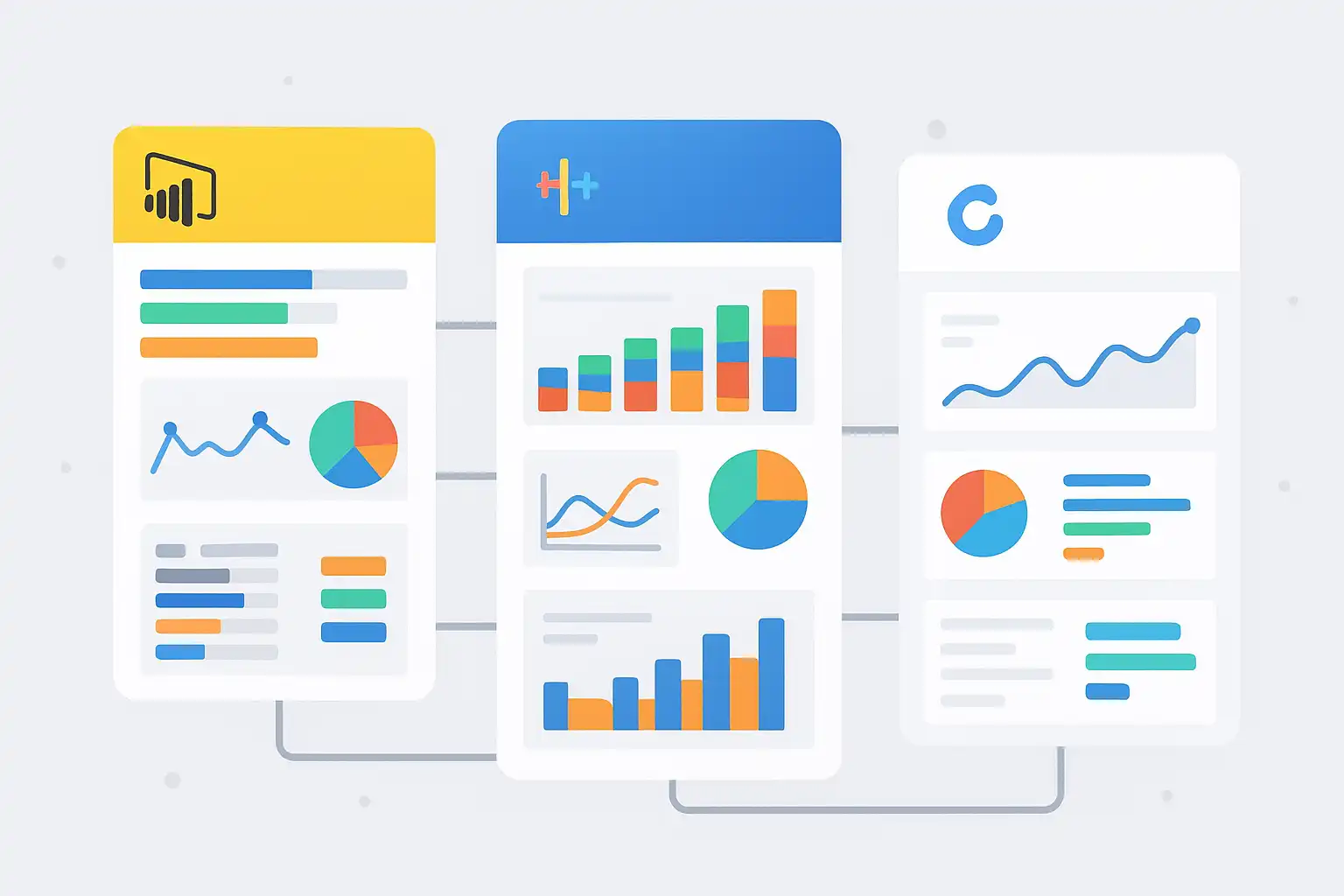
Power BI, Tableau, and Looker are leading business intelligence (BI) platforms, each suited to different organizational needs. Power BI, developed by Microsoft, excels in complex data modeling, offering over 250 connectors and strong integration with Microsoft products, making it ideal for enterprises needing scalable, in-depth analytics at an affordable price. Tableau is favored for its intuitive drag-and-drop interface and superior visualization capabilities, supporting both Windows and macOS, perfect for business users and executives who prioritize visual storytelling and interactive dashboards despite higher licensing costs. Looker Studio, a web-based tool integrated with Google services, provides ease of use and rapid dashboard creation for startups and marketing teams but has limitations in data sources and advanced modeling, often requiring SQL knowledge for complex tasks. Cost-effectiveness varies: Power BI offers flexible pricing for growing teams, Tableau is more expensive but powerful for sophisticated visual analytics, and Looker Studio is mostly free but less scalable. Choosing the right BI tool depends on your industry, data complexity, team skill level, and existing tech stack. Power BI suits finance, operations, and SaaS; Tableau fits marketing and data exploration; Looker Studio works well for Google-centric digital marketing and small businesses. Successful adoption involves aligning BI tools with business goals, providing training, and considering long-term scalability and integration needs.

This article highlights the best business intelligence (BI) tools tailored for small businesses needing fast, reliable reporting. Key features for efficient BI solutions include automated reporting, customizable dashboards, real-time data updates, no-code/low-code interfaces, and seamless integration with common data sources like Excel and Google Sheets. Leading BI platforms such as Microsoft Power BI, Domo, Sisense, Datapine, and Looker offer cost-effective options with scalable pricing, user-friendly designs, and strong integration capabilities. Cloud-based BI tools provide added benefits like low upfront costs, instant access, scalability, and automatic updates. When choosing a BI tool, small businesses should consider ease of use, integration, customization, support, mobile access, security, and pricing flexibility. Real-time reporting enables agile decision-making by delivering live data, alerts, and quick insights crucial for inventory, sales, and customer management. Popular BI tools vary in pros and cons but generally support non-technical users through drag-and-drop features and automated insights. Overall, modern BI solutions empower small businesses to make data-driven decisions quickly and efficiently without heavy technical expertise or large budgets.

This comprehensive comparison of self-service BI tools highlights the critical balance between user autonomy and data governance in governed analytics. Effective self-service BI platforms empower business users to independently explore data while embedding robust governance features such as role-based permissions, centralized data models, data lineage, and auditing. Leading tools like Power BI, Tableau, Yellowfin, and Qlik Sense offer varying strengths—from AI-driven insights and natural language queries to automated anomaly detection and standardized reporting templates. These features reduce IT bottlenecks, minimize human error, and ensure consistent, accurate analytics across organizations. AI integration enhances user experience by providing guided insights, automated data quality checks, and personalized recommendations, thereby accelerating decision-making without compromising security or compliance. Despite challenges like initial governance complexity and the risk of shadow analytics, organizations benefit from improved efficiency, data trustworthiness, and scalability. Choosing the right platform depends on aligning governance needs, user skill levels, and integration capabilities. Ultimately, modern self-service BI tools foster a data-driven culture that balances flexibility with control, driving better business outcomes through governed, reliable analytics.
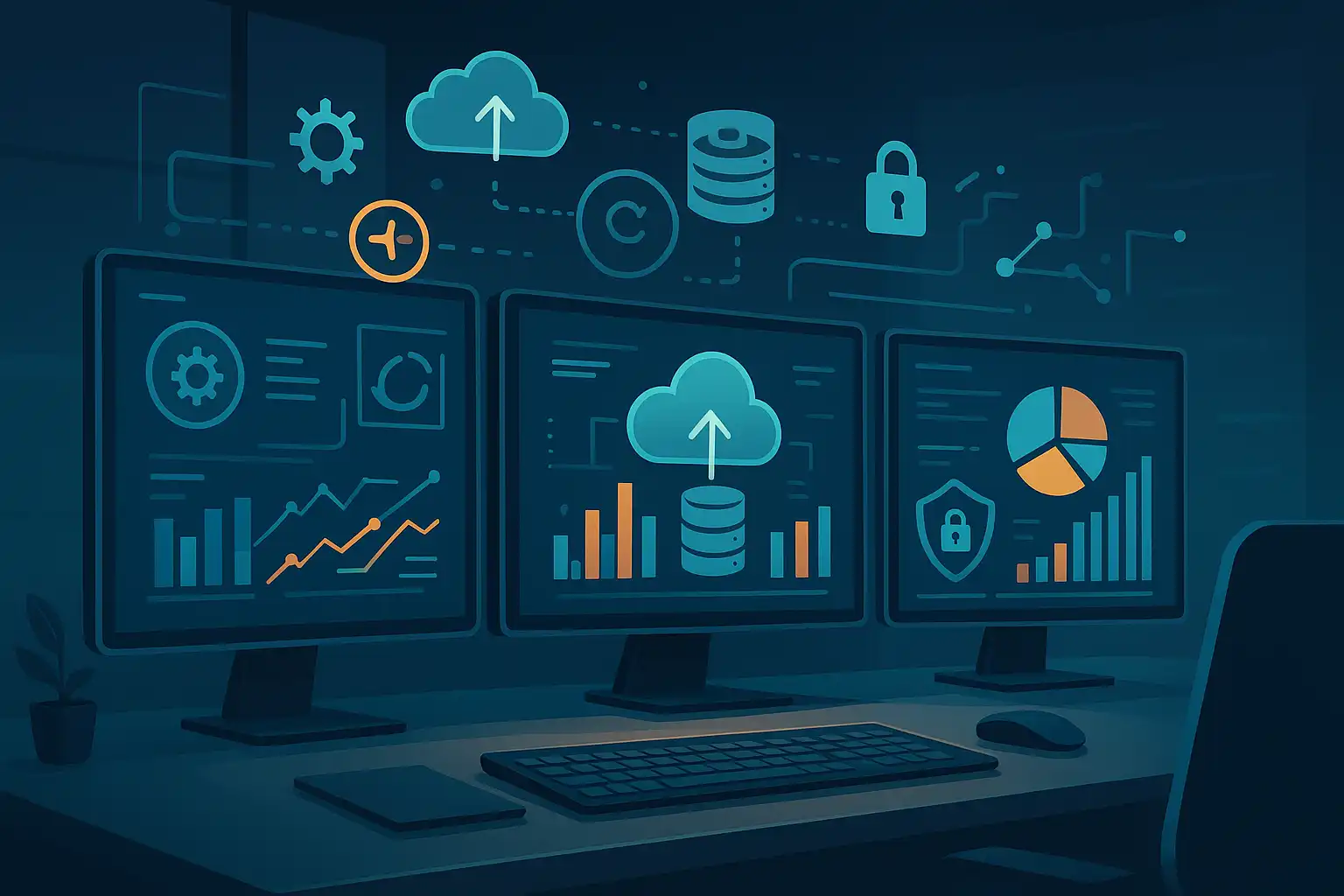
Open-source BI platforms in 2026 offer flexible, cost-effective solutions for creating interactive dashboards and data exploration without expensive licenses. Popular tools like Metabase, Apache Superset, Redash, KNIME, and Helical Insight provide features ranging from drag-and-drop builders to advanced scripting, supporting various data sources and scalable architectures. Compared to proprietary platforms like Power BI and Tableau, open-source BI excels in customization, transparency, and community support, though it may require more technical expertise for setup and maintenance. Key factors for selecting the right open-source BI tool include business goals, data integration, user skills, security, scalability, and total cost of ownership. These platforms increasingly support robust data governance with role-based access, audit logs, and integration with authentication systems, enhancing data trust and compliance. Organizations can maximize BI success by clear planning, building skilled teams, enforcing governance, training users, and iterating dashboards. Future trends emphasize cloud-native deployment, AI-powered analytics, improved user experience, collaborative features, and deeper governance integration. While challenges like support and user adoption exist, open-source BI continues to grow as a transparent, innovative alternative for organizations seeking control, flexibility, and cost savings in business intelligence.
Embedded analytics tools are vital for SaaS products to enhance user engagement, streamline data interaction, and ensure scalable growth. Key priorities include seamless data integration from diverse sources, intuitive self-service dashboards, robust automation, and advanced AI/ML capabilities for predictive insights. Security is crucial, with features like row-level security, secure embedding methods, compliance with regulations (GDPR, HIPAA), and data isolation to protect sensitive information. Developer-friendly embedding options, such as APIs and JavaScript widgets, enable deep customization and multi-tenancy support. White-labeling ensures a consistent and trustworthy user experience by blending analytics seamlessly into the SaaS interface. Scalability and flexible deployment—cloud-native, hybrid, or on-premise—allow SaaS providers to meet varied client needs without sacrificing performance. Popular platforms like Looker, Tableau Embedded, Power BI Embedded, GoodData, and Sisense focus on these aspects. Prioritizing these features drives higher user retention, better decision-making, and competitive differentiation. Evaluating vendors should involve testing integration ease, security, automation, developer support, and future-proof AI capabilities. Overall, embedding the right analytics transforms SaaS products by empowering users with actionable insights, enhancing workflows, and fostering sustained business success.

This comprehensive comparison of cloud BI platforms highlights their advantages over traditional BI tools in scalability, governance, and cost-efficiency. Cloud BI connects directly to modern data warehouses like Snowflake, BigQuery, and AWS Redshift, enabling real-time insights without heavy IT infrastructure. These platforms effortlessly scale to handle massive data volumes and concurrent users through automatic resource allocation and parallel processing. Essential governance features include role-based access control, audit logs, semantic layers, data lineage, and encryption to ensure security and compliance. Pricing models favor flexibility with pay-as-you-go SaaS options ideal for small to medium businesses, while self-managed solutions offer customization for larger enterprises. Leading providers such as Microsoft Power BI, Tableau, Google Looker, and Amazon QuickSight offer unique strengths, with many incorporating AI and self-service analytics to empower users across departments. Cloud BI platforms also support collaborative, real-time reporting, fostering a data-driven culture and faster decision-making. When selecting a platform, organizations should assess use cases, data sources, governance needs, scalability, and total cost of ownership. Overall, cloud BI delivers agile, secure, and cost-effective business intelligence solutions that accelerate insights and support growth in dynamic environments.

BI reporting tools for executive dashboards are vital for delivering clear, real-time, and actionable insights that empower leadership teams to make informed decisions. These tools automate data integration from multiple sources, provide customizable visualizations, and ensure accurate, board-ready metrics by minimizing manual errors through validation and governance. Key features include interactive data visualization, real-time updates, predictive analytics, security controls, and flexibility tailored to various industries and leadership needs. While initial setup and integration may pose challenges, partnering with trusted BI providers can ease adoption and maximize benefits. BI dashboards transform decision-making by offering instant access to critical KPIs, enabling executives to quickly identify trends, risks, and opportunities, and pivot strategies efficiently. Popular BI solutions include self-service platforms like Tableau and Power BI, cloud-based tools, industry-specific options, and comprehensive enterprise suites. When selecting a BI tool, organizations should consider ease of use, compatibility, security, scalability, and vendor support. Ultimately, BI reporting tools enhance transparency, accelerate decision-making, and provide strategic oversight, making them indispensable for modern executive leadership.

When evaluating business intelligence (BI) software, focus on key criteria that ensure real value and long-term success. Prioritize ease of use with low-code/no-code interfaces to empower both technical and non-technical users. Real-time data access from cloud warehouses like Snowflake and AWS enables timely, accurate insights. Integration flexibility is crucial—your BI tool should seamlessly connect to diverse data sources, including structured and semi-structured formats, while supporting secure data handling through role-based permissions and compliance with standards such as GDPR and HIPAA. Data preparation and semantic modeling streamline workflows, reducing manual effort and ensuring consistent analysis. Interactive dashboards and collaboration features facilitate team-based decision-making and knowledge sharing. Scalability and future-proofing matter: choose cloud-native platforms that handle large data volumes, offer elastic scalability, and maintain up-to-date security compliance. Avoid common pitfalls like overemphasizing flashy features, neglecting ease of use, scalability, security, or collaboration. Leading BI platforms like Tableau, Power BI, and Looker excel in these areas, often incorporating AI-powered insights and natural language queries for enhanced analytics. For businesses aiming to maximize BI value, focusing on integration, real-time analytics, and collaborative capabilities drives actionable insights and competitive advantage across industries and sizes.
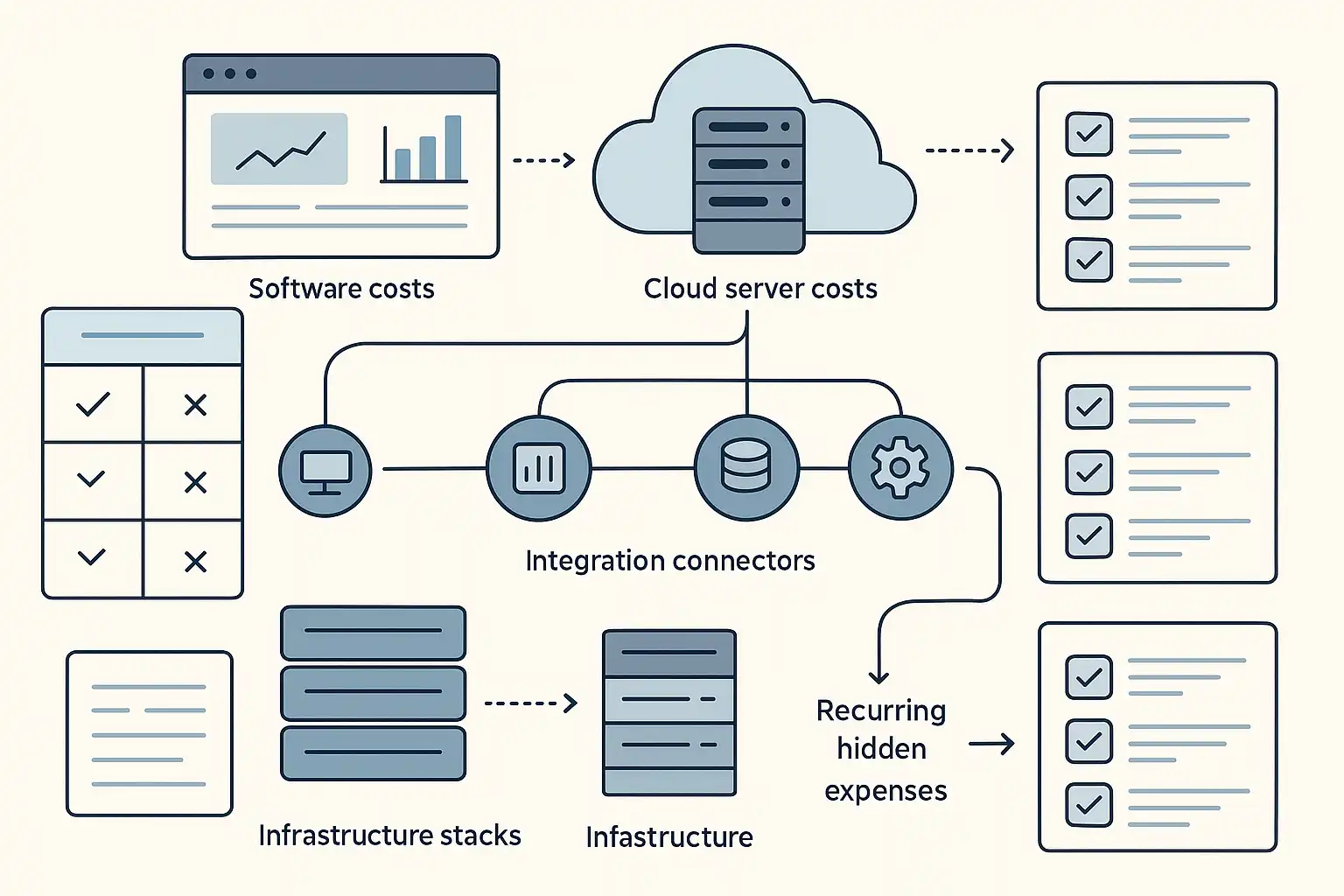
This comprehensive guide on comparing BI tool pricing highlights the importance of evaluating total cost of ownership (TCO) beyond initial license fees. It outlines key steps including defining business needs, identifying all cost elements—such as licensing, infrastructure, training, and hidden fees—and comparing various pricing models like per-user, subscription, on-premises, and usage-based plans. The guide emphasizes uncovering hidden costs such as implementation, ongoing maintenance, integration, ETL tools, migration, and opportunity costs like downtime or lost productivity. It advises calculating TCO over several years, factoring in both hard costs and soft costs like staff labor and training. Cloud versus on-premises BI deployments come with distinct cost implications, where cloud offers scalability and lower upfront fees, while on-premises requires higher initial investment but may suit strict compliance needs. The guide stresses vendor transparency, recommending detailed inquiries about extra fees, support costs, and scalability options to avoid budget surprises. Practical tips include documenting all expenses, consulting real users, projecting long-term costs, and reviewing contracts carefully. Ultimately, a thorough, methodical pricing comparison aligned with organizational needs ensures selecting a BI tool that delivers the best value and supports sustainable growth.

Business intelligence (BI) analyst salaries vary widely based on experience, industry, location, and skills. The average base salary is approximately $78,431 annually, with total compensation including bonuses and profit sharing ranging from $59,000 to $113,000. Entry-level analysts earn around $65,489, while experienced professionals with 10+ years can make $107,000 or more, especially in management roles. Industries like technology, insurance, and finance offer the highest pay due to their reliance on data-driven decisions. Key salary factors include location, education, technical skills (SQL, Power BI, Python), employer size, and job responsibilities. To maximize earnings, BI analysts should pursue advanced degrees, certifications, develop technical expertise, target high-paying sectors, build professional networks, and consider relocation. High-earning analysts excel in data analysis, visualization, database management, business operations understanding, and communication. Staying updated with new technologies and industry trends enhances career growth and compensation potential.
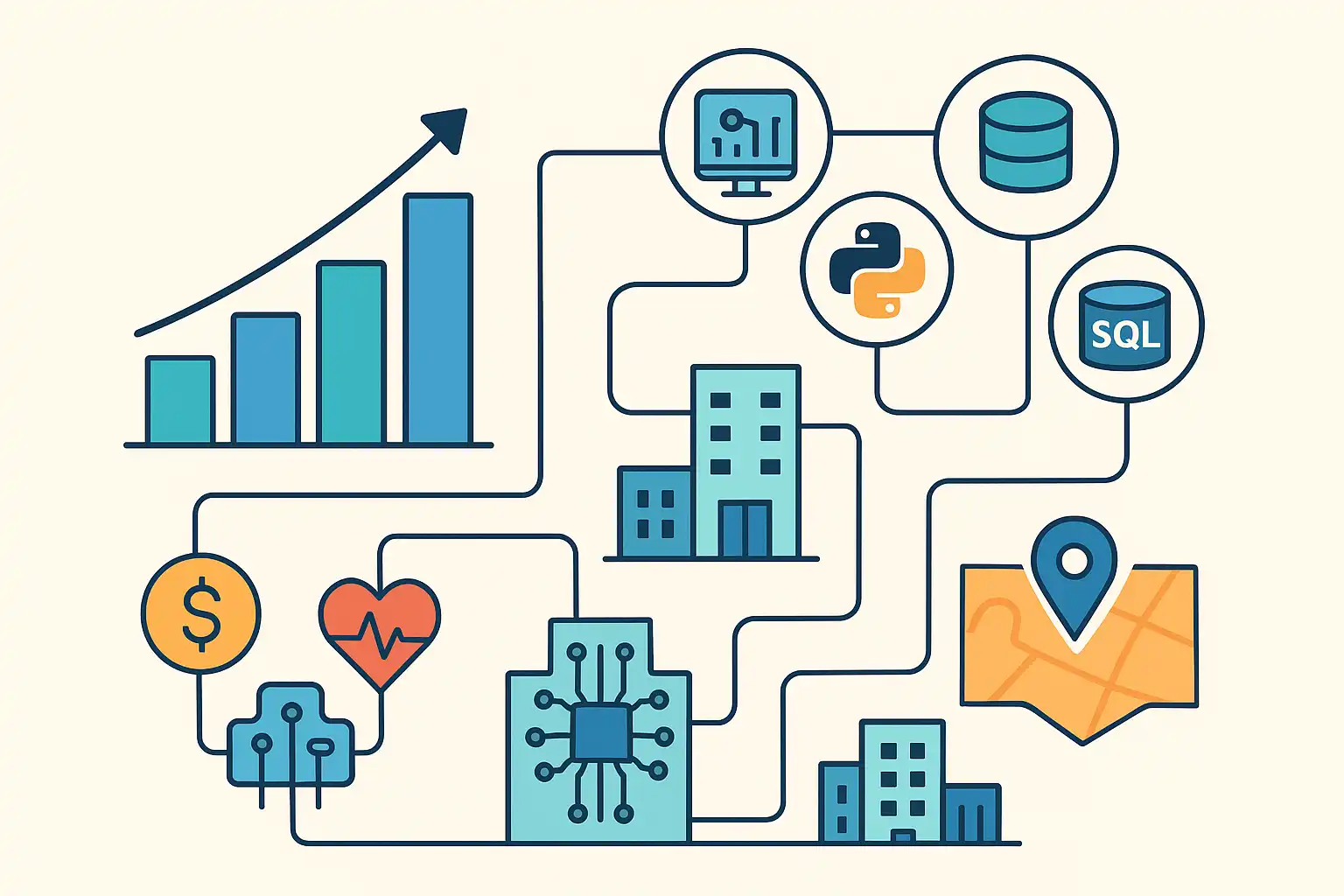
Business intelligence engineer salaries are influenced by several key factors, including experience, technical skills, education, industry, company size, and location. Entry-level BI engineers typically earn $70,000 to $90,000, mid-level professionals with 3-5 years of experience make $95,000 to $115,000, while senior engineers with 6+ years can earn $120,000 to $140,000 or more. Proficiency in tools like Power BI, Tableau, and programming languages such as SQL, Python, and R significantly boosts earning potential. Advanced degrees and certifications—such as Microsoft Certified: Data Analyst Associate, Tableau Specialist, and AWS Certified Data Analytics—further enhance salaries. Industry choice also matters, with finance, technology, and healthcare sectors offering higher pay than retail or education. Larger companies tend to offer structured salaries and benefits, whereas startups may provide equity and growth opportunities. Geographic location impacts compensation, but remote work is narrowing these gaps, enabling competitive pay regardless of location. To maximize salary, BI engineers should deepen technical expertise, pursue relevant certifications, network professionally, target high-value industries, and leverage remote work options. As demand for data-driven decision-making grows, the outlook for BI engineer salaries remains strong, rewarding those who continuously update their skills and adapt to evolving technologies.

Senior BI analyst salaries vary widely based on experience, education, location, industry, certifications, and responsibilities. In the U.S., typical base salaries range from $95,000 to $135,000 annually, reaching over $145,000 in major tech hubs like New York or San Francisco, with bonuses and stock options increasing total compensation by 10–20%. Industries like tech and finance offer higher pay compared to healthcare or manufacturing. Key salary influencers include over 8–10 years of experience, advanced degrees, proficiency in BI tools (Power BI, Tableau), and leadership roles managing teams or projects. Senior BI analysts translate complex data into actionable business insights, optimize data pipelines, create advanced dashboards, advise on data strategy, and mentor junior staff. Compared to related roles, they focus more on business value from data rather than infrastructure or predictive modeling. Benefits commonly include health coverage, retirement plans, remote work, and professional development budgets. To boost salaries, analysts should develop advanced technical skills, pursue leadership opportunities, network, and negotiate effectively. Continuous learning and strong communication skills are essential for career growth and maximizing compensation in this competitive field.
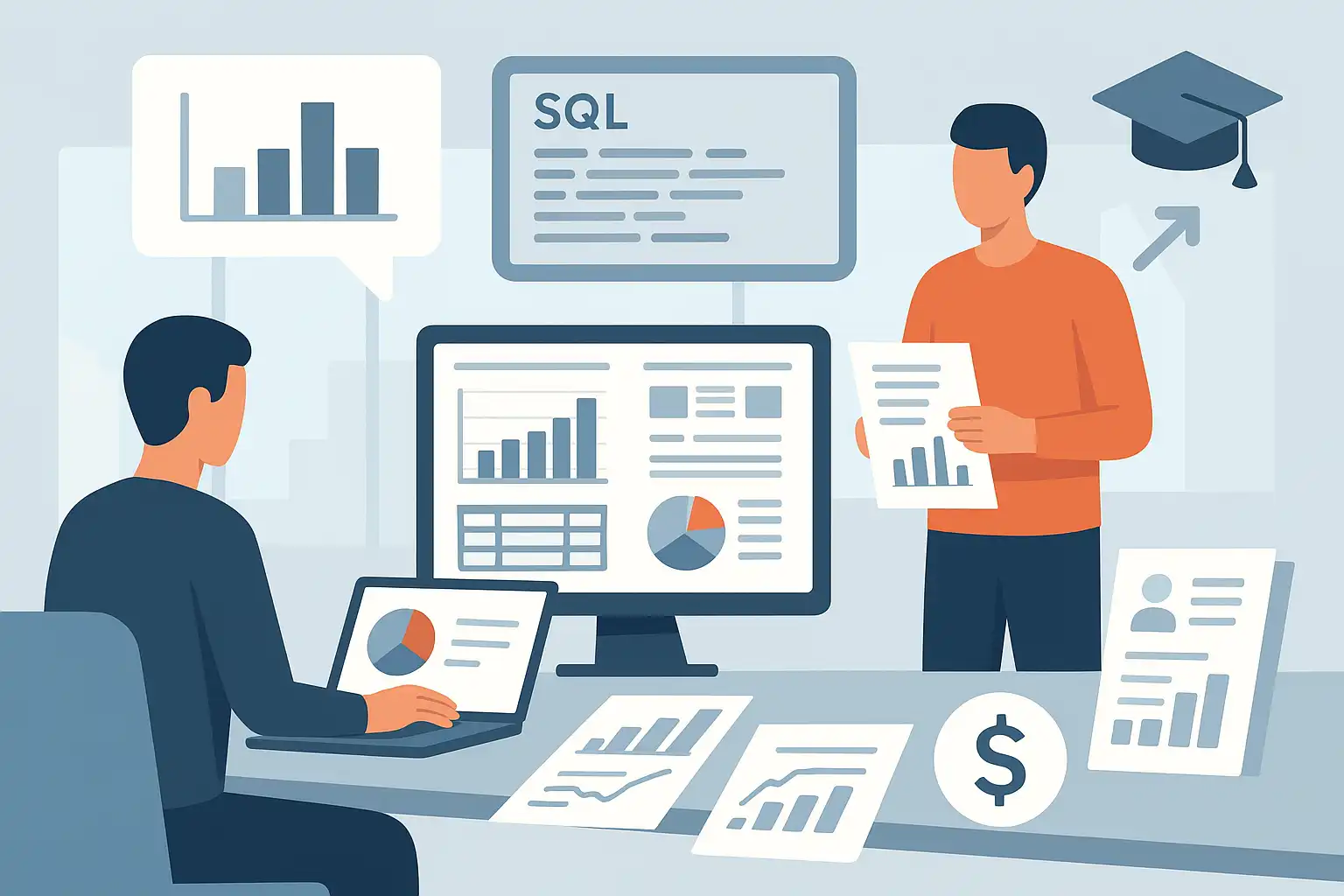
Entry-level business intelligence (BI) analysts in the U.S. typically earn between $63,676 and $90,273 annually, with variations influenced by education, location, industry, and skills. Bachelor’s degree holders average around $83,982, while advanced degrees can push salaries above $92,000. High-paying states include California and New Hampshire, whereas lower salaries are common in Hawaii and South Dakota. Proficiency in tools like SQL, Tableau, and Microsoft Power BI, along with relevant certifications, can significantly enhance earning potential. To maximize starting salary, candidates should build strong technical skills, earn industry certifications, highlight relevant experience, research company pay structures, and consider total compensation packages. Effective salary negotiation involves thorough market research, clear communication of skills, flexibility, and professionalism. Before accepting an offer, review the full compensation package, including benefits and growth opportunities. Entry-level BI analyst roles focus on data extraction, cleaning, reporting, and dashboard creation, with potential for advancement into strategic or specialized positions. Salaries tend to be higher in tech and finance sectors, and negotiation is common and encouraged to secure competitive pay.

Business Intelligence (BI) analysts in contract roles typically earn between $40 and $90 per hour, with rates rising above $100 for highly experienced professionals or specialized industries like finance and healthcare. Key factors influencing hourly pay include experience, education, certifications (e.g., Power BI, Tableau, AWS), and strong communication skills. Location also affects rates; urban centers like New York or San Francisco offer higher wages compared to smaller cities. Industry demand varies, with tech, finance, and healthcare generally paying more than retail or manufacturing. Skilled analysts proficient in SQL, Python, data modeling, and ETL processes command premium rates, especially when coupled with business insight and project management abilities. Contract roles offer flexibility and diverse project opportunities but lack traditional benefits, leading to higher hourly rates to offset costs like insurance and downtime. Setting competitive rates involves thorough market research, assessing personal skills and certifications, and factoring in business expenses. Remote work is increasingly common, allowing access to competitive pay regardless of location. New BI analysts can boost earnings by gaining experience, obtaining certifications, and building strong client relationships. Contracting provides freedom and income potential but requires self-discipline and strategic planning to manage workload variability and income gaps effectively.
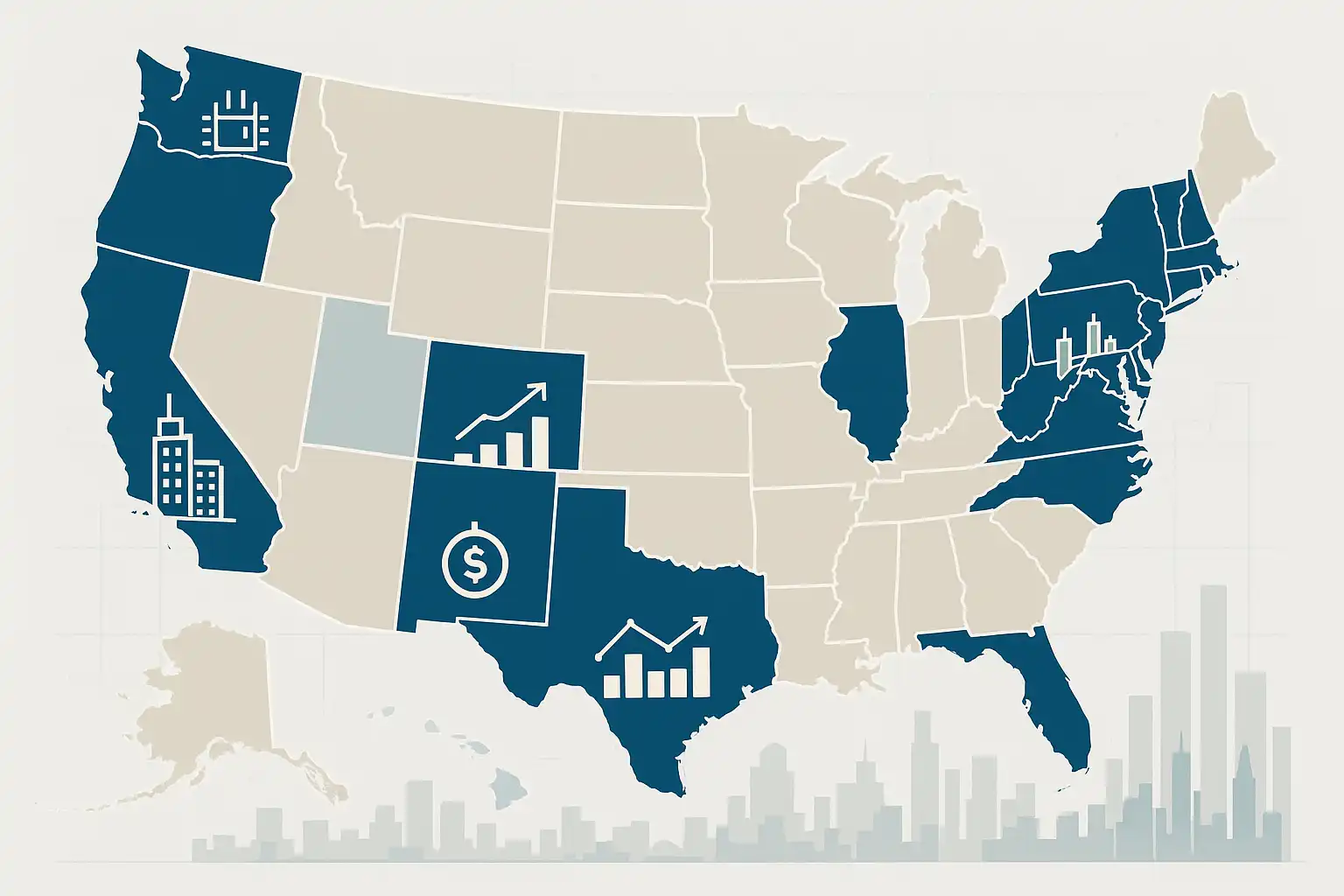
Business Intelligence (BI) analyst salaries vary significantly across U.S. states, influenced by cost of living, industry presence, experience, and company size. As of May 2024, the highest-paying states for BI analysts are California ($107,052), New York ($105,549), Washington ($104,098), New Jersey ($102,505), and Texas ($101,952). These states benefit from strong tech and finance sectors that drive demand and higher wages. While cost of living often dictates salary levels, states like Texas offer competitive pay with lower living expenses, enhancing purchasing power. Lower-paying states in the Midwest and South typically have smaller tech markets but offer a better cost of living balance. High-paying BI roles usually require advanced skills in tools like Power BI, Tableau, SQL, Python, and cloud platforms. Certifications and experience in data visualization and predictive analytics further boost earning potential. Remote BI positions may adjust pay based on the candidate’s location, while salary negotiations should consider total compensation and market trends. Ultimately, balancing salary with living costs and career growth opportunities is crucial for maximizing BI analyst compensation and quality of life across different states.

Remote BI analyst salaries vary significantly based on location and company size. Despite the remote nature of the role, many employers use location-based pay, adjusting salaries according to cost of living and local market rates. Analysts in high-cost areas like New York or San Francisco typically earn more than those in smaller towns or abroad. Company size also influences pay: large companies offer structured salary bands, comprehensive benefits, and clearer career paths, while smaller firms provide flexible negotiations but often lower and less consistent pay. Other factors affecting salary include experience level, legal compliance, industry demand, and market competition. Global talent pools increase competition, sometimes suppressing salaries but expanding job opportunities. Transparency and understanding a company’s compensation approach are crucial for negotiation success. Remote BI analysts benefit from knowing regional salary trends and leveraging their skills to advocate for fair pay. Overall, while location and company size remain primary salary drivers, evolving market dynamics and remote work trends continue to shape compensation in this field.

Business Intelligence (BI) analyst salaries in healthcare are competitive, with entry-level roles starting around $60,000–$75,000 and experienced professionals earning $85,000 to over $120,000 annually. Factors influencing pay include experience, education, location, employer type, and skill set. Advanced degrees and certifications like CHDA, alongside expertise in tools such as SQL, Tableau, and healthcare compliance (e.g., HIPAA), significantly boost earning potential. Urban centers typically offer higher salaries, though remote work is narrowing geographical gaps. BI analysts in pharmaceutical firms and large hospital systems usually earn the most, while nonprofit roles offer lower pay but greater flexibility. Benefits often include health coverage, retirement plans, education stipends, and remote work options. Career progression can lead from junior analyst to senior, team lead, or managerial positions, with opportunities in emerging areas like AI and predictive analytics driving faster salary growth. Continuous training, networking, demonstrating impact, and negotiation are key strategies to maximize compensation. Healthcare BI salaries generally surpass those in retail or government sectors and align closely with finance and tech industries, reflecting the sector’s growing investment in data analytics to improve patient outcomes and operational efficiency.
Business Intelligence (BI) analysts in finance earn competitive salaries, typically ranging from $62,000–$75,000 for entry-level to over $120,000 for experienced professionals, especially in major financial hubs like New York and San Francisco. Compensation includes base salary plus bonuses, stock options, and incentives. Key factors influencing pay are experience, location, company prestige, technical skills (e.g., SQL, Python, machine learning), and certifications such as CBIP or Tableau Specialist. Specialized skills in predictive analytics, risk compliance, and financial modeling can increase salaries by 10–20%. Advanced education, including master’s degrees in data science or analytics, further boosts earning potential by $10,000–$20,000. Career progression leads from BI analyst roles to senior, managerial, or data science positions, with senior analysts earning $130,000+ including bonuses. Regional salary variation is significant, with top financial centers offering the highest pay. BI analysts who continuously upskill and gain certifications enjoy steady salary growth and greater opportunities. Mastery of coding and advanced analytics tools is increasingly essential for higher compensation in financial analytics roles.

Business Intelligence (BI) analyst compensation extends well beyond base salary, encompassing bonuses, benefits, and stock options that together form a comprehensive rewards package. Key components include annual performance bonuses, short- and long-term incentives like stock options or RSUs, and benefits such as health insurance, retirement plans, paid time off, and professional development support. Bonuses can add 10-40% or more to base pay, especially in high-growth sectors like tech, finance, and healthcare. Stock options align analysts’ interests with company success, offering significant long-term value. Compensation varies by employer size, industry, and location, with higher packages common in major tech and financial hubs due to cost of living and demand. When evaluating offers, candidates should assess bonus structures, benefits coverage, stock vesting, paid leave, and growth opportunities. Flexibility, including remote work, increasingly factors into total compensation. Negotiation is typical and can improve salary or bonus terms. Benefits often add 20-35% to base pay, making them a crucial consideration. Understanding the full mix of salary, incentives, benefits, and career progression prospects ensures a well-rounded evaluation of BI analyst compensation packages.
Data analytics enables business leaders to transform raw data into actionable insights for smarter decision-making. By examining patterns in sales, customer behavior, and market trends, leaders can identify growth opportunities, optimize operations, and manage risks effectively. The data analytics process involves defining clear goals, collecting and cleaning relevant data, analyzing it using various techniques like predictive modeling and data visualization, interpreting results, and taking informed actions. Key types include descriptive, diagnostic, predictive, and prescriptive analytics, each serving different decision-making needs. Tools range from spreadsheets and BI platforms to advanced AI and cloud services, making data accessible for businesses of all sizes. Despite challenges such as data quality and skill gaps, starting small and building a data-driven culture helps overcome obstacles. Future trends highlight increasing automation, AI integration, and growing importance of data literacy for leaders. Ultimately, embracing data analytics fosters objective, evidence-based strategies that boost efficiency, innovation, and competitive advantage across industries.
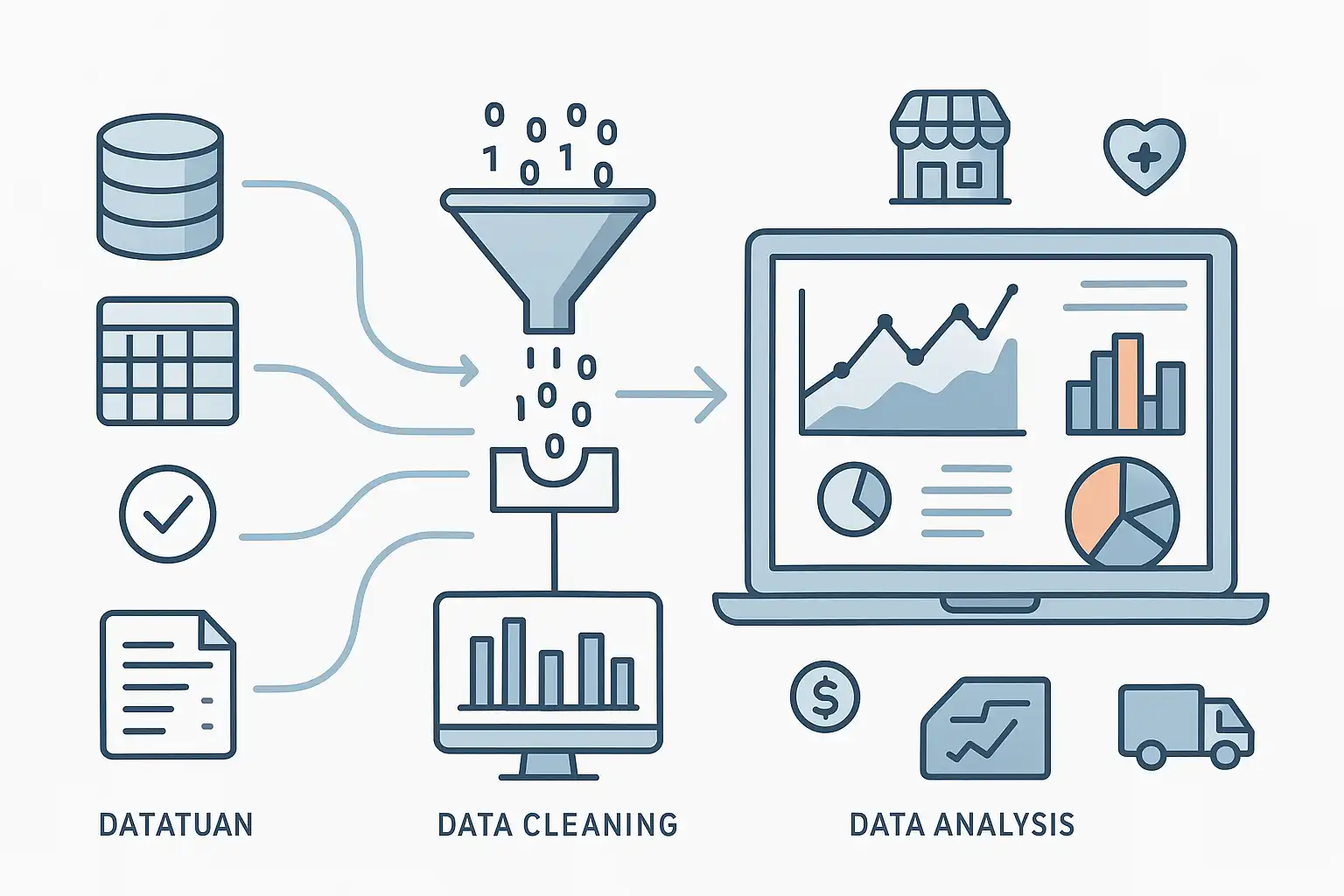
Data analytics is the process of examining raw data to uncover patterns, draw conclusions, and support informed decision-making across various fields like business, healthcare, finance, and more. The main steps include defining the problem, collecting and cleaning data, analyzing it, visualizing results, and interpreting findings to guide actions. Clean data is crucial for accuracy, preventing misleading outcomes and enhancing trust in insights. Data analytics answers descriptive (what happened), predictive (what will happen), and prescriptive (what should be done) questions, helping organizations optimize operations, understand customers, manage risks, and innovate. Tools range from spreadsheets and statistical software to advanced machine learning libraries and business intelligence platforms. Visualization simplifies complex data, making insights accessible to diverse audiences. Despite challenges like data quality, integration, skill gaps, and privacy concerns, starting small and using accessible tools can help any organization, including small businesses, benefit from analytics. Beginners can learn data analytics through online courses, tutorials, and hands-on practice. Ultimately, data analytics transforms data into actionable knowledge, enabling smarter strategies and improved outcomes across industries.
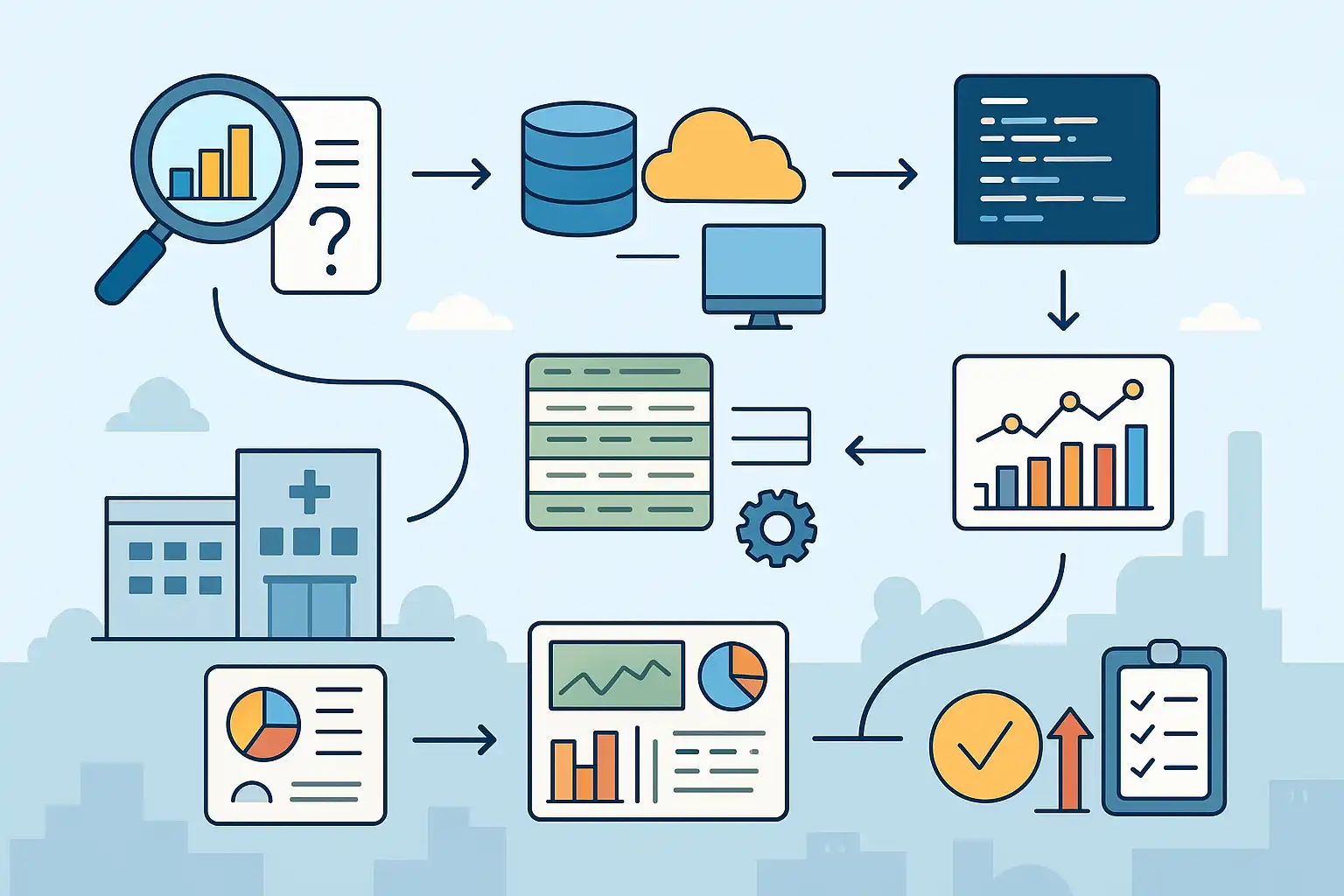
The data analytics process transforms raw data into actionable business decisions through six key steps: defining the problem, collecting data, cleaning and preparing data, analyzing, visualizing results, and interpreting findings for decision-making. Defining a clear problem guides the entire process, while thorough data collection and meticulous cleaning ensure accuracy and reliability. Data analysis uncovers trends and insights, which are then communicated effectively through visualizations like charts and dashboards. This enables stakeholders to make informed decisions and monitor outcomes, creating a feedback loop for continuous improvement. Common challenges include data accessibility, quality issues, siloed teams, and complex analysis, which can be overcome with user-friendly tools, training, and collaboration. The process applies across industries such as retail, healthcare, finance, manufacturing, and small businesses, each tailoring tools and goals to their needs. Best practices emphasize consistent data cleaning using tools like Python or R and clear visualization to simplify complex insights. Ultimately, this structured approach empowers organizations of all sizes to leverage data effectively, turning information into strategic actions that drive growth and efficiency.
This guide explains the four key types of data analytics—descriptive, diagnostic, predictive, and prescriptive—and their roles in enhancing business decisions. Descriptive analytics summarizes historical data to reveal what happened, using reports and dashboards. Diagnostic analytics investigates why events occurred, employing statistical tests to identify causes. Predictive analytics forecasts future outcomes through models like machine learning, aiding in planning and risk management. Prescriptive analytics recommends optimal actions based on predictions, using optimization and simulations. Businesses often combine these analytics sequentially to gain comprehensive insights, starting from understanding past trends to making data-driven decisions. Each type has distinct tools and benefits: descriptive analytics is quick and simple; diagnostic uncovers root causes; predictive supports forecasting but requires quality data; prescriptive offers actionable advice but demands expertise. Companies should select analytics methods based on their goals, data readiness, and resources, starting simple and scaling complexity as needed. Key considerations include data quality, privacy, clear communication, and ongoing maintenance. Both small and large businesses can leverage these analytics types to improve performance, optimize operations, and drive growth by aligning analytics strategies with their specific needs and capabilities.
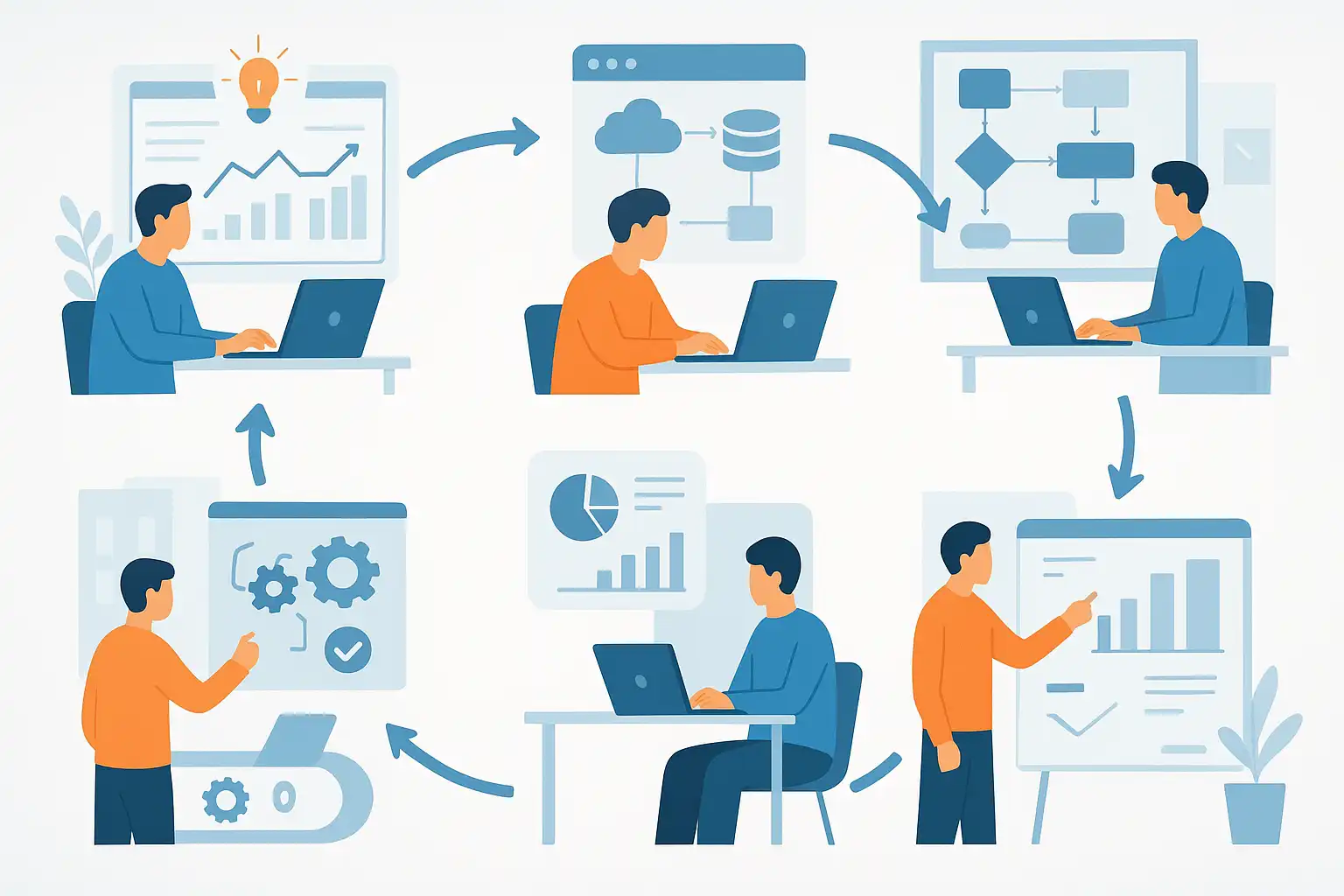
A practical data analytics lifecycle is vital for teams aiming to build accurate, reliable, and repeatable reports that support data-driven decisions. This lifecycle consists of six key stages: discovering the problem, preparing data, planning the model, building the model, communicating results, and operationalizing the process. Each phase ensures clarity, reduces errors, and enhances collaboration by standardizing workflows and automating repetitive tasks. Utilizing collaborative tools like version control, automated pipelines, and visualization software streamlines teamwork and improves report quality. To maintain accuracy and consistency, teams should define clear objectives, perform rigorous data quality checks, standardize processes, continuously validate models, communicate effectively, and monitor deployed models regularly. Automation and comprehensive documentation further boost efficiency and reliability. Regular reviews and updates of the lifecycle ensure alignment with evolving business needs. Essential roles include data analysts, data engineers, and business stakeholders, all working together for meaningful insights. This structured approach benefits teams of all sizes by fostering consistent, scalable, and high-quality reporting, ultimately saving time and enhancing decision-making capabilities.

Data analytics and statistics both extract insights from data but differ in methods and goals. Data analytics emphasizes rapid exploration of large datasets to identify trends, patterns, and actionable business insights, focusing on questions like "What’s happening?" and "What will happen next?" In contrast, statistics applies scientific rigor to validate these findings through hypothesis testing, confidence intervals, and experimental design, ensuring results are reliable and not due to chance. Analytics uses modern computing tools such as machine learning and data visualization for quick decision-making, while statistics relies on mathematical models to confirm significance and avoid errors like confusing correlation with causation. In practice, analytics helps organizations respond swiftly to market changes, while statistics provides depth and certainty, crucial for high-stakes decisions in healthcare, finance, and research. Teams often collaborate, with analysts generating hypotheses and statisticians validating them, combining speed with accuracy. Choosing between the two depends on organizational needs, but integrating both enhances decision-making quality and business agility. Tools range from Tableau and Python in analytics to SPSS and Stata in statistics. Ultimately, the synergy of data analytics and statistics empowers businesses to innovate confidently and stay competitive.

Data analytics and data engineering play complementary but distinct roles in building a data-driven organization. Data engineers focus on designing, building, and maintaining scalable data infrastructures and pipelines, ensuring data quality, accessibility, and integration. They use tools like Hadoop, Spark, and cloud platforms to manage big data and ETL processes. Data analysts, on the other hand, transform this clean, reliable data into actionable insights through analysis, visualization, and reporting, using tools such as Python, SQL, Power BI, and Tableau. Hiring priorities depend on your organization's data maturity: early-stage companies should invest in data engineering to establish a solid data foundation, while mature organizations with stable pipelines benefit more from analysts who extract business value from data. Successful teams promote collaboration between both roles, recognizing their interdependence. Industries like retail, healthcare, and manufacturing leverage these roles to optimize operations and gain competitive advantages. As data demands grow with AI, IoT, and cloud technologies, these roles will become more specialized. Avoid common pitfalls by balancing investments—ensure robust data infrastructure before expanding analytics capabilities. Measuring success involves tracking data reliability and integration for engineers, and actionable business impact for analysts. Building the right mix of data engineering and analytics talent is key to driving informed decisions and long-term business growth.
Choosing between data analytics and data science depends on your background and career goals. Beginners should start with data analytics, which focuses on examining existing data to identify trends and insights using tools like Excel, SQL, and Tableau. It requires less complex math and coding, making it an accessible entry point that builds a strong foundation for transitioning into data science. Data science encompasses analytics but adds advanced skills like programming (Python, R), machine learning, predictive modeling, and handling big data with technologies such as Hadoop and Spark. While data science offers broader and more senior career opportunities, it demands stronger technical expertise and a steeper learning curve. Key skills for analytics include data visualization, SQL, and basic statistics, whereas data science requires advanced math, programming, and experience with machine learning frameworks. Many professionals start in analytics and progress to data science by gradually acquiring programming and statistical skills. Ultimately, your choice should align with your interests—whether solving business problems or developing AI-driven solutions—and your readiness for technical challenges. Continuous learning and practical experience are essential for success in both fields. Starting with data analytics provides a practical, career-friendly path with ample job opportunities and a smoother progression into data science roles.