Business Intelligence Engineer Role Definition in Modern Data Teams

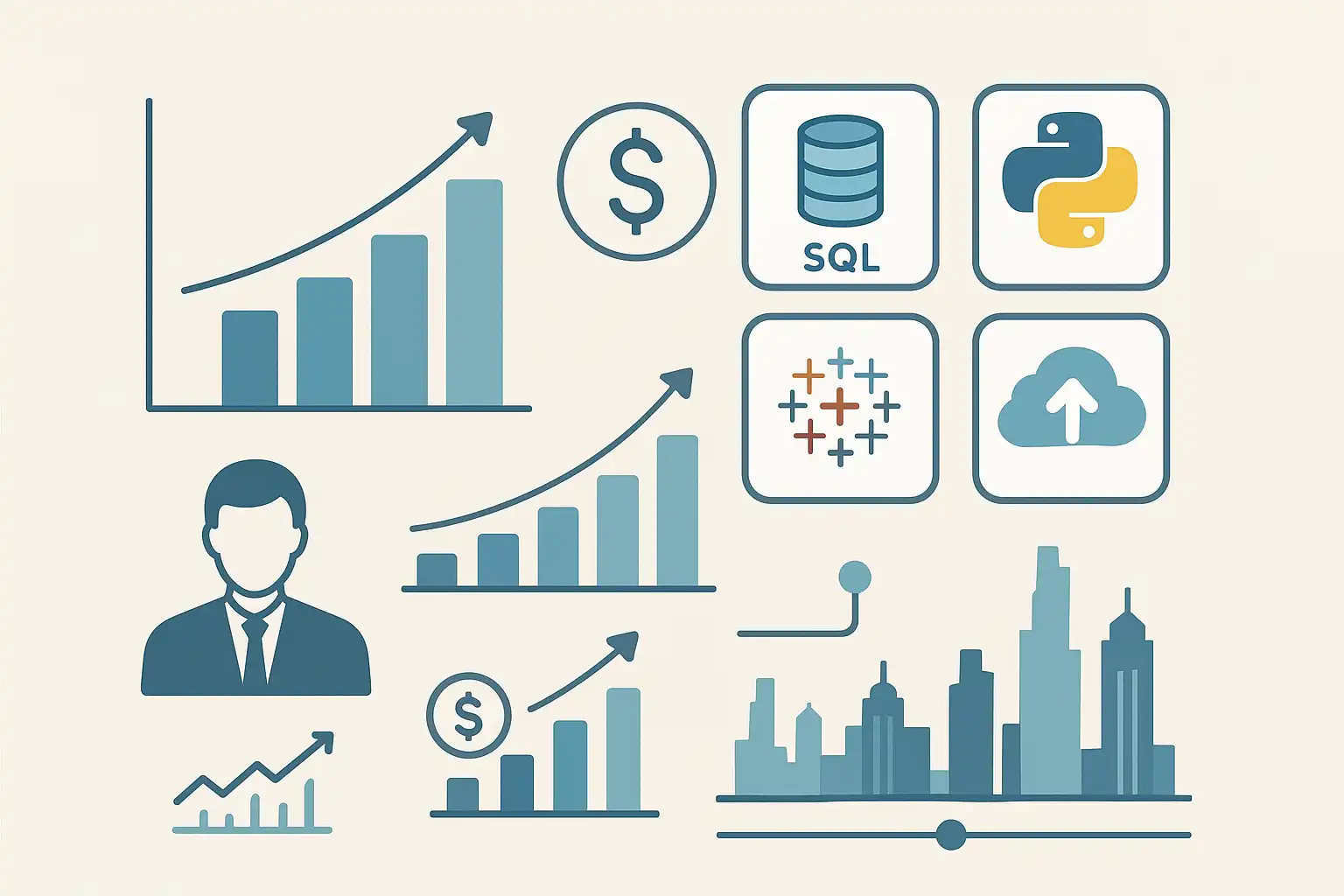
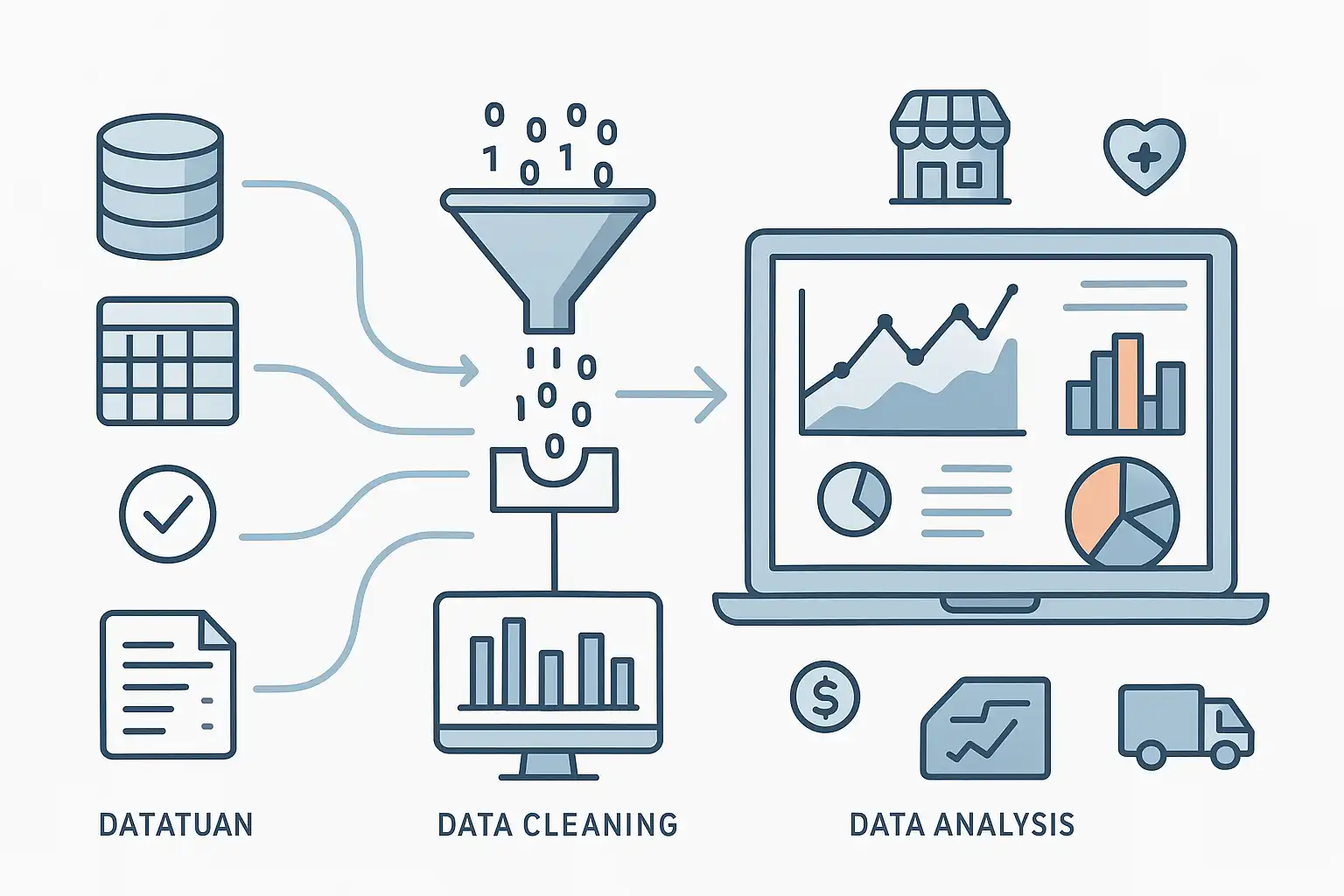
A Business Intelligence (BI) Engineer plays a crucial role in modern data teams by transforming raw data into actionable insights for informed decision-making. They design, maintain, and optimize ETL pipelines, data warehouses, and data models, ensuring data accuracy, security, and accessibility. BI engineers collaborate closely with analysts and data scientists, aligning data infrastructure with business goals and refining models based on feedback. They utilize tools like Apache Airflow, SQL, Python, Snowflake, Power BI, and AI-powered platforms to automate workflows and enhance analytics. The role is increasingly vital due to growing data volumes, complex cloud ecosystems, regulatory compliance, and the integration of AI and automation in BI processes. Successful BI engineers combine technical expertise with strong communication, problem-solving, and adaptability skills, enabling them to support diverse industries including finance, retail, and healthcare. Their ability to implement reliable data systems and foster self-service BI empowers organizations to leverage data-driven strategies efficiently.

Business intelligence developer vs analyst: how the roles collaborate

Business intelligence (BI) developers and analysts play distinct but complementary roles essential for data-driven decision-making. BI analysts focus on collecting, cleaning, analyzing data, and presenting insights through reports and dashboards to guide business strategies. In contrast, BI developers work behind the scenes, designing and maintaining databases, managing ETL processes, and ensuring data quality and accessibility. Their collaboration begins with defining data requirements, continues through data preparation and analysis, and involves ongoing feedback to refine BI systems. Analysts rely on developers to provide reliable, up-to-date data, while developers depend on analysts to specify business needs and interpret insights. Key tools include Tableau, Power BI, SQL, Python, and ETL platforms like Informatica and Talend. Strong communication and teamwork between these roles lead to faster, more accurate reporting, actionable insights, and greater organizational agility. While analysts excel in business understanding and communication, developers bring technical expertise in database management and system architecture. Effective collaboration benefits industries such as retail, finance, healthcare, and manufacturing by improving data reliability and decision speed. Organizations should foster open communication, shared goals, and regular collaboration to maximize BI performance and drive business success.

BI Analyst vs Data Analyst: Where the Day-to-Day Work Differs

BI Analyst vs Data Analyst roles differ significantly in focus, skills, and daily tasks. Data analysts concentrate on collecting, cleaning, and analyzing raw data using technical tools like SQL, Python, and R to uncover trends and generate detailed reports for internal use. In contrast, BI analysts translate these technical insights into actionable business strategies by creating dashboards and reports with tools like Power BI and Tableau, working closely with stakeholders to support decision-making and track KPIs. While data analysts emphasize statistical analysis and coding, BI analysts prioritize business acumen, communication, and visualization skills. Collaboration often involves data analysts preparing accurate datasets and analyses, which BI analysts then use to address business questions and recommend strategic actions. Career paths vary: data analysts suit those interested in technical problem-solving, while BI analysts fit those drawn to business strategy and cross-departmental communication. Industries such as finance, healthcare, and retail benefit from both roles to optimize operations and growth. Although some professionals may blend these skills, each role requires distinct expertise. Understanding these differences helps organizations build balanced teams that maximize data-driven business intelligence and strategic impact.

Business intelligence analyst vs business intelligence engineer: responsibilities, skills, and deliverables

Business Intelligence (BI) analysts and BI engineers play distinct but complementary roles in data-driven organizations. BI analysts focus on translating data into actionable business insights using dashboards, reports, and visualization tools like Tableau and Power BI. Their responsibilities include analyzing trends, preparing performance reports, and communicating findings to stakeholders. In contrast, BI engineers build and maintain the technical infrastructure—data warehouses, pipelines, and integrations—that enable data collection, processing, and storage. They work with ETL tools, databases, and cloud platforms such as AWS and Snowflake to ensure data reliability and scalability. Key skills for analysts include data storytelling, basic SQL, and business acumen, while engineers require advanced SQL, programming, and system architecture expertise. Deliverables differ: analysts provide user-friendly insights and visualizations, whereas engineers deliver automated workflows, database schemas, and technical documentation. Collaboration between these roles is essential for efficient, accurate business intelligence. Organizations should hire analysts when they have solid data infrastructure but need insight generation, while engineers are critical when building or scaling data systems. Both roles benefit industries like retail, healthcare, and finance, where robust data infrastructure and insightful analysis drive better decision-making. Proper coordination, clear communication, and ongoing training maximize their combined value in achieving strategic business goals.

When a Data Science Managed Services Provider Makes Sense for Your Team

A data science managed services provider can significantly enhance your team’s performance by offering expert support in complex data projects. Key signs you need such a provider include unclear KPIs, misaligned data efforts, resource constraints, low ROI, and data quality issues. Managed services deliver faster results through proven workflows, continuous model optimization, risk management, and scalability without the need for large in-house teams. These services benefit rapidly growing companies, stretched teams, and organizations aiming to standardize practices across departments. When choosing a provider, prioritize business alignment, technical expertise, transparency, and collaboration. While in-house teams suit small projects or companies with mature data capabilities and strict compliance needs, managed providers offer specialized skills and cost efficiencies ideal for broader data initiatives. To start, define your goals, identify KPIs, assess gaps, research providers, and establish a clear roadmap. Benefits include faster outcomes, access to advanced tools, and continuous improvement, while risks involve potential skill loss and data privacy concerns. With careful selection and communication, managed data science services can drive measurable business impact across industries and company sizes.

Checklist for Comparing Data Science Vendors on Skills, Process, and Risk

This comprehensive checklist guides businesses in selecting the best data science vendors by evaluating technical skills, project processes, and risk management. Focus on vendors’ certified expertise in tools like Python, TensorFlow, and cloud platforms (AWS, Azure, Google Cloud), alongside their experience with data cleaning, modeling, and visualization. Assess project management methodologies such as Agile or Scrum, communication transparency, and flexibility to adapt to changing needs. Prioritize vendors with strong risk controls, including data security compliance (GDPR, HIPAA), clear pricing, contingency plans, and business continuity strategies. Reviewing past projects, client testimonials, and case studies helps validate claims and measure real-world impact. Avoid choosing solely based on price; instead, balance cost with proven results and reliable processes. Use a structured checklist comparing certified teams, workflow transparency, security policies, pricing, and references to make informed decisions. This approach minimizes hidden risks and ensures a trustworthy partnership that delivers actionable business insights.

Checklist for Comparing Data Science Vendors on Skills, Process, and Risk

This comprehensive checklist guides businesses in evaluating data science vendors by focusing on three key areas: technical skills, process management, and risk mitigation. It emphasizes assessing vendors’ team expertise, technology stacks, and proven project success, while also examining their workflows, communication practices, and adaptability to change. Effective project management frameworks like Agile or Scrum, clear milestones, and transparent reporting are highlighted as essential for timely delivery. Risk management involves ensuring data security, legal compliance (e.g., GDPR, HIPAA), clear pricing structures, and contingency plans to protect against disruptions. The guide encourages reviewing past projects, client testimonials, and certifications to verify vendor credibility and business impact. Additionally, it warns against choosing vendors solely based on cost, advocating a balanced approach that values quality and transparency. The inclusion of a vendor comparison table helps streamline decision-making. Overall, this checklist empowers organizations to make informed, risk-aware, and strategic choices when selecting data science partners, ensuring alignment with business goals and data governance standards.

How to Use a Data Science Service Provider RFP Template to Shortlist the Right Partner

This guide explains how to use a data science service provider RFP template to effectively shortlist the right partner. Key RFP criteria include technical expertise, relevant industry experience, and business alignment, with weighted scoring to prioritize factors like technical skills (25%), business fit (30%), security (15%), experience (20%), and cost (10%). It emphasizes evaluating providers on specific technical capabilities such as machine learning, data engineering, security compliance, and scalability. The RFP should also assess providers’ domain experience through case studies and certifications. Business alignment criteria focus on cultural fit, communication, innovation, and ROI to ensure the partner supports long-term goals. Structuring the evaluation with pass/fail screening and detailed weighted scoring enhances fairness and efficiency. Including KPIs, proof of concept, and team augmentation capabilities further improves selection accuracy. Common pitfalls to avoid are vague requirements, overemphasizing cost, neglecting references, and ignoring cultural fit. Incorporating these best practices leads to smoother onboarding, reduced project risks, and successful data science collaborations tailored to your business needs.

How to Choose a Data Science Agency for Startups With Limited Data Maturity

Choosing the right data science agency for startups with limited data maturity involves finding partners who understand early-stage challenges and can work with unstructured or incomplete data. Startups often have messy, scattered information and lack clear analytics goals, so agencies should focus on practical guidance, flexible project scopes, and collaborative processes rather than complex models. Key factors include experience with startups, the ability to handle noisy data, transparent communication, and an advisory mindset that helps build scalable data practices. Agencies typically support growth by organizing data, identifying actionable metrics, setting up cost-effective infrastructure, and training teams. Popular tools include Google Sheets, Airtable, Tableau, and cloud platforms like AWS or Google Cloud. Benefits of hiring an agency include quick access to expertise, faster insights, and establishing data-driven habits without immediate full-time hires, while risks involve possible misalignment and overspending. Clear expectations, pilot projects, and knowledge transfer are essential to mitigate risks. Aligning data strategy with business goals ensures meaningful analytics that drive startup success. Flexible pricing and phased approaches make data science accessible for startups, even those with minimal data, enabling gradual development from basic reporting to advanced analytics.

How to vet a local data science solutions provider for ongoing support?

To vet a data science solutions provider near you, focus on proven local experience, transparent support processes, strong data security, and clear contracts with measurable service levels. Start by defining your business needs, data sources, compliance requirements, and success criteria. Evaluate providers based on relevant industry expertise, familiarity with regulations like GDPR or CCPA, and technical skills in tools such as Python, SQL, TensorFlow, and cloud platforms. Request case studies or proofs of concept to verify performance, documentation, and reproducibility. Assess ongoing support quality by reviewing service level agreements (SLAs) that specify response times, uptime, communication channels, and incident management. Ensure the provider actively monitors models for drift, data freshness, and pipeline health, with clear retraining and rollback plans. Contract terms must clarify ownership, data location, security responsibilities, audit rights, support metrics, and exit conditions, ideally aligned with recognized frameworks like NIST AI Risk Management. Consider scalability for future data growth, regulatory changes, and workload expansion, and understand whether support is managed services or staff augmentation. Beware of vague explanations about support or security. Use a checklist covering industry experience, named support teams, SLAs, security, monitoring, and fair contracts to compare at least three providers. Prioritize clear communication, transparency, and proven expertise to ensure long-term success.