Cloud Based Analytics Tools for Modern Teams: A Clear Guide

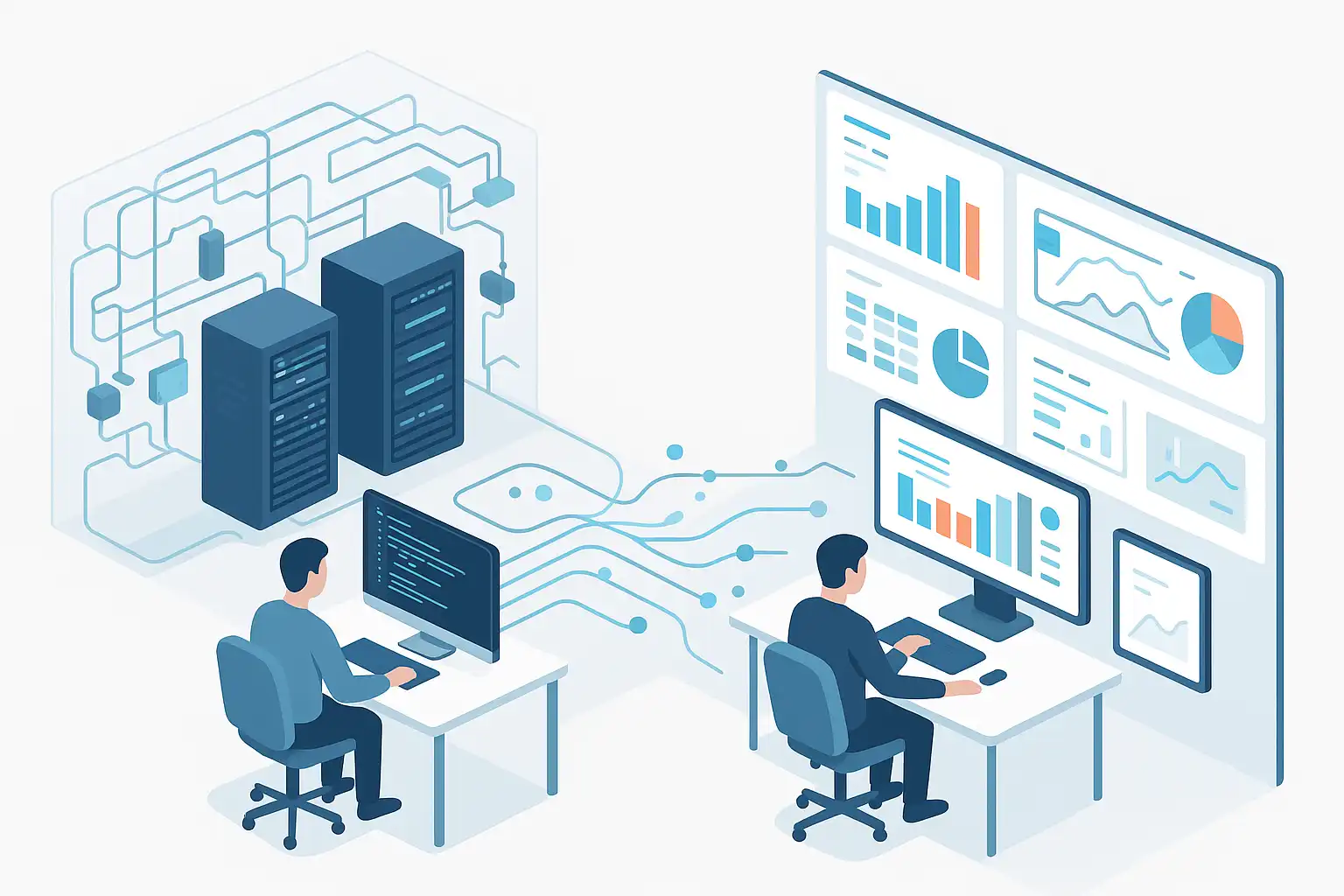
Cloud-based analytics tools revolutionize modern teamwork by enabling real-time data collection, processing, and collaboration from any location. These platforms, such as Microsoft Power BI, Google Data Studio, and Tableau Online, offer secure, scalable, and cost-effective solutions that eliminate the need for on-premise hardware. Key benefits include enhanced accessibility, seamless collaboration with AI-powered features like meeting summaries and action item tracking, and integration with communication platforms such as Microsoft Teams. These tools support smarter decision-making through instant access to fresh data, automated alerts, and clear visualizations, helping teams respond rapidly to market changes. Popular types range from data visualization and AI-driven BI suites to low-code customization platforms and real-time analytics tools. To adopt cloud analytics successfully, teams should assess needs, select appropriate tools, start with pilot groups, train users, and ensure strong security protocols. Despite requiring stable internet and ongoing subscriptions, the productivity gains from automated workflows, cross-team insights, and agile adaptability make cloud analytics indispensable for businesses across industries. With robust encryption and compliance standards, cloud analytics tools provide secure environments for sensitive data, empowering modern teams to collaborate efficiently and make faster, data-driven decisions in today’s fast-paced business landscape.

Data Science Team Augmentation Plan for Rapid Scaling

A well-structured Data Science Team Augmentation Plan enables rapid scaling of data initiatives by integrating skilled professionals to fill critical skill gaps without lengthy hiring processes. This strategy is essential for businesses facing tight deadlines, expanding analytics capabilities, or launching data-driven services. Key steps include assessing current team skills, defining short- or long-term scaling goals, selecting reliable augmentation partners with flexible engagement models, and ensuring fast onboarding with clear communication protocols. Effective integration relies on agile methodologies, dedicated supervision, and collaboration tools like Slack, Jira, and Asana to maintain productivity and alignment. Challenges such as skill mismatches, cultural barriers, and knowledge continuity are mitigated through thorough vetting, cultural onboarding, clear roles, and documentation. Benefits of team augmentation include speed, flexibility, cost-effectiveness, access to global expertise, and innovation, making it ideal for dynamic business environments. Best practices emphasize knowledge sharing, inclusive participation, ongoing learning, and performance monitoring to maximize outcomes. This approach supports organizations in accelerating project delivery while maintaining quality and adaptability, offering a scalable solution for sustained growth and competitive advantage in data science initiatives.

Data Migration Consultant Salary: Pay Ranges and What to Expect

Data migration consultant salaries in the U.S. range widely, typically between $61,000 and $145,000 annually, depending on experience, location, industry, and job role. Entry-level consultants earn around $61,000–$75,000, mid-level $80,000–$100,000, and senior roles, including solutions architects, can exceed $120,000. Key factors influencing pay include geographic location, technical skills, certifications (AWS, Azure, Informatica), education, and industry sector, with finance and technology paying higher rates. Essential skills encompass database technologies (SQL, Oracle), ETL tools, cloud platforms, programming (Python, PowerShell), and project management. Remote work opportunities are expanding, allowing broader access to higher salaries. Career growth is supported by gaining certifications, leadership roles, and specialization in compliance-heavy sectors. While the role offers strong earning potential, consistent demand, and flexible work, it also involves challenges like tight deadlines and continuous learning. The future outlook is positive due to increasing digital transformation and cloud adoption, ensuring sustained demand for skilled data migration consultants.

Data Compliance and Security ServiceNow Best Practices: How to Safeguard Your Enterprise

Data compliance and security in ServiceNow are vital for protecting sensitive enterprise data and ensuring regulatory adherence. ServiceNow, a leading cloud-based workflow platform, requires organizations to implement strong governance frameworks, role-based access control (RBAC), data encryption, continuous monitoring, automated compliance reporting, and regular patch management to mitigate risks. Compliance with standards like GDPR, HIPAA, ISO 27001, and PCI DSS is essential to avoid legal penalties and maintain customer trust. Key best practices include defining clear policies, restricting access based on roles, documenting data flows, and conducting employee training and incident response planning. ServiceNow’s built-in features such as Security Operations Suite, Policy and Compliance Management, and automated reporting streamline compliance efforts and enhance security posture. Challenges in managing ServiceNow environments include access permission complexities, patch delays, audit trail maintenance, and human error, which can be addressed through automation, monitoring, and continuous training. Prioritizing compliance improves operational resilience, audit readiness, and competitive advantage. Continuous improvement is supported by monitoring trends, automating updates, integrating with SIEM systems, and gathering feedback. Automated compliance reporting simplifies audits by providing real-time, accurate compliance insights, reducing manual workload. Overall, leveraging ServiceNow’s security capabilities ensures enterprises safeguard data, meet regulatory demands, and foster trust while optimizing efficiency.

Pattern Recognition Solutions for Automation: Practical Uses, Technologies, and Challenges

Pattern recognition solutions are revolutionizing automation by enabling machines to identify and act on patterns in data, images, and signals, enhancing efficiency and decision-making across industries. Powered by machine learning and deep learning technologies like neural networks, support vector machines, and clustering, these solutions automate complex tasks in healthcare, finance, manufacturing, autonomous vehicles, agriculture, and more. They improve accuracy, speed, and scalability while reducing costs and human error. Developing effective pattern recognition systems involves defining goals, gathering quality labeled data, selecting appropriate algorithms, training models, and integrating them into workflows. Despite challenges such as data quality, privacy concerns, algorithm selection, system integration, and talent shortages, businesses benefit from increased consistency, actionable insights, improved safety, and innovation opportunities. High-quality data and advanced deep learning models, particularly CNNs and RNNs, significantly enhance the capabilities of these solutions, enabling real-time video analysis, natural language processing, and predictive analytics. Organizations starting with pattern recognition should focus on clear objectives, pilot projects, compliance, and continuous improvement. The future promises advances like automated edge computing, self-learning systems, real-time processing, and broader accessibility via cloud platforms, making pattern recognition a vital component of smart, efficient automation strategies across sectors.

Predictive Analytics Expert for Data-Driven Decisions: What You Need to Know

A predictive analytics expert uses data, statistical models, and machine learning to forecast future business outcomes, enabling informed, data-driven decisions. Combining skills in statistics, programming (Python, R, SQL), and data preprocessing, these professionals transform raw data into actionable insights, helping companies optimize marketing, operations, and resource allocation. Key techniques include regression, classification, clustering, and neural networks, supported by tools like IBM SPSS Modeler, Microsoft Azure ML, and SAP Analytics Cloud. Predictive analytics experts collaborate across teams to define goals, build and validate models, and communicate results clearly to non-technical stakeholders. Their work enhances forecasting accuracy, reduces risks, improves customer targeting, and drives strategic planning across industries such as retail, finance, healthcare, manufacturing, and telecommunications. Challenges include data quality, model maintenance, communication barriers, and privacy concerns, which experts address through rigorous data cleaning, adaptable models, and clear visualizations. Organizations can integrate predictive analytics by hiring experts, training staff, or consulting specialists, starting with focused projects and scaling as capabilities grow. This approach empowers businesses of all sizes to anticipate trends, respond proactively to market changes, and maintain a competitive edge through evidence-based strategies.

Business Intelligence Implementation Examples That Inspire Real Change

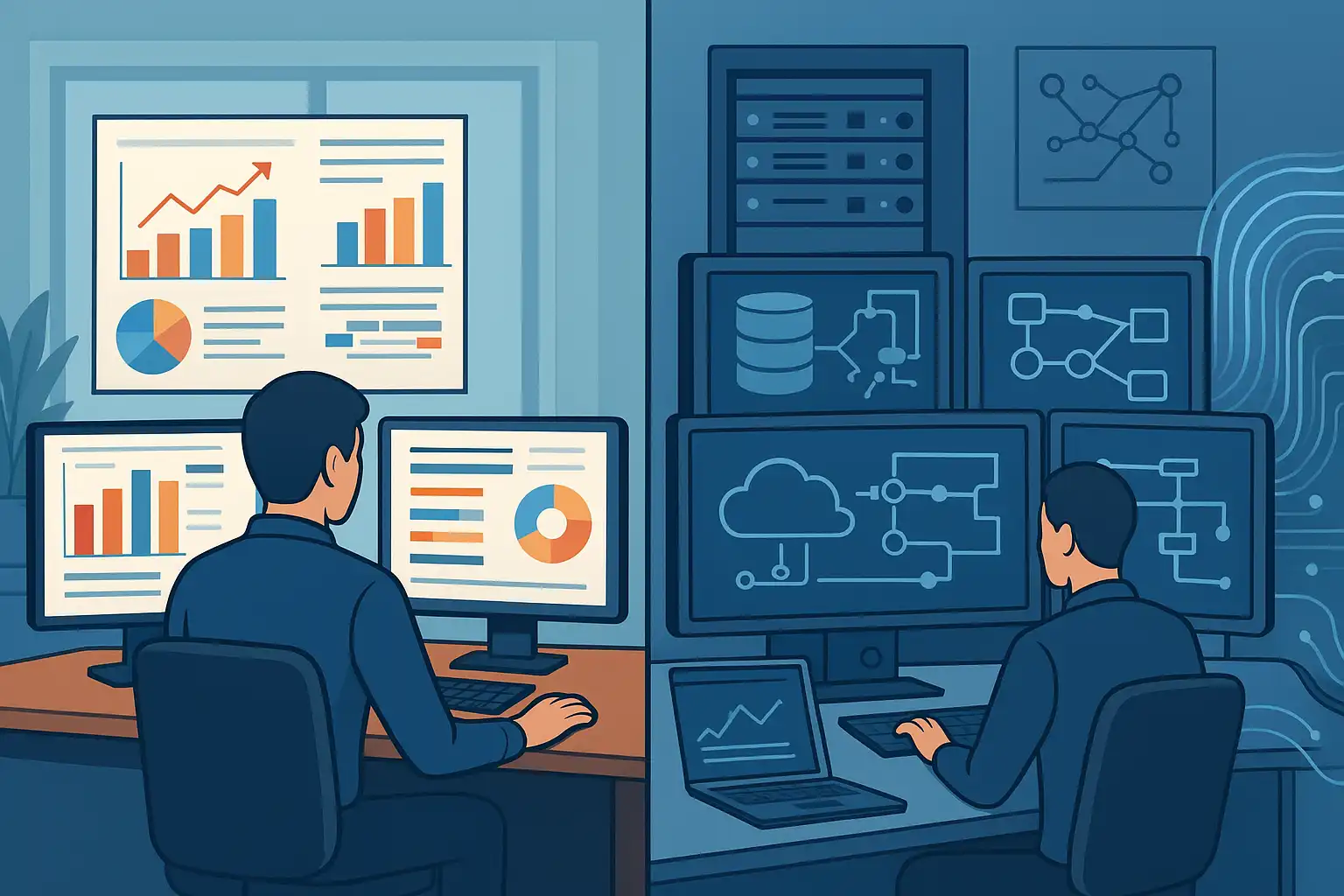
Business intelligence (BI) transforms raw data into actionable insights, driving smarter decisions and operational efficiency across industries. Leading companies like Lotte.com, Cementos Argos, Baylis & Harding, Sabre Airline Solutions, and Univision showcase BI’s impact—from optimizing inventory and forecasting demand to personalizing marketing and enhancing customer engagement. Industries such as retail, finance, manufacturing, airlines, and media leverage BI for real-time analytics, fraud detection, production management, and customer trend forecasting. Successful BI implementation involves setting clear goals, assessing data quality, selecting appropriate tools, integrating data, developing intuitive dashboards, training staff, and continuous refinement. Key success factors include robust data integration, advanced analytics, user-friendly visualizations, scalability, and fostering a data-driven culture. Despite challenges like data quality issues, integration hurdles, and user resistance, effective planning and change management mitigate risks. BI tools like data warehouses, ETL processes, Tableau, Power BI, predictive analytics, and mobile BI enhance accessibility and decision-making speed. Small and medium businesses also benefit from scalable, affordable cloud-based BI solutions, enabling competitive growth and market responsiveness. Ultimately, organizations that embed BI into their strategy and culture achieve faster, evidence-based decisions, improved customer targeting, increased revenue, and sustained competitive advantage.

Unlocking Insights: Choosing Data Visualization Partners for Impactful Dashboards

Choosing the right data visualization partners is essential for creating impactful dashboards that transform complex data into clear, actionable insights. These experts go beyond basic chart creation by aligning visuals with business goals, audience needs, and datasets to drive informed decision-making. Effective partners focus on clarity, simplicity, and accessibility, using appropriate chart types—such as line, bar, scatter, funnel, and geographical maps—to highlight key messages. They embrace modern tools like Tableau and Power BI and integrate automated reporting to ensure up-to-date information. Collaboration with these partners involves setting clear goals, sharing context, iterative feedback, and user testing to optimize dashboard usability. Key industries benefiting from such partnerships include finance, healthcare, retail, logistics, manufacturing, and government. Avoiding common pitfalls like cluttered visuals and ignoring accessibility ensures dashboards remain user-friendly and impactful. Ultimately, successful data visualization partnerships enhance data storytelling, empower faster, confident decisions, and improve business outcomes through continuous refinement and alignment with evolving needs.

How Cloud Data Engineering Providers Power Analytics for Modern Businesses

Cloud data engineering providers play a crucial role in enabling modern businesses to harness advanced analytics by managing data collection, transformation, storage, and orchestration in the cloud. They simplify complex technical processes, allowing organizations to focus on deriving actionable insights. Key features to look for include scalability, robust ETL and warehousing, semantic business intelligence, data governance, AI-driven analytics, multi-cloud support, automation, and strong security compliance. Integration with existing infrastructure is seamless through hybrid cloud environments, containerization, and plug-and-play connectors, ensuring smooth transitions without disrupting legacy systems. Cost benefits arise from pay-as-you-go models, elastic scaling, and reduced operational overhead, enabling businesses to scale analytics efficiently and innovate without heavy upfront investments. Leading providers like AWS, Microsoft Azure, Google Cloud, Snowflake, and Databricks offer diverse tools and multi-cloud capabilities tailored to various business needs. AI integration enhances data quality, predictive analytics, and security. To start, businesses should define analytics goals, assess current systems, pilot projects, and prioritize automation and training. Overcoming challenges such as data silos, legacy system integration, and compliance is easier with expert partners. Cloud data engineering is flexible, scalable, and accessible for businesses of all sizes, supporting both real-time and batch analytics for timely decision-making across industries.

Essential Guide to Data Strategy Roadmap PPT Template Download

This essential guide explains how to use a data strategy roadmap PPT template to create clear, actionable plans for organizational data initiatives. A data strategy roadmap template visually maps out goals, timelines, phases, responsibilities, budgets, and risk management, aligning data projects with business objectives. It enhances communication among stakeholders, improves coordination, tracks progress, and manages risks through data governance and security features. The guide outlines key components of a good template, including vision, phases, deliverables, timelines, and governance, while emphasizing customization to fit unique organizational needs. It also details steps to download, customize, and maintain a roadmap, encouraging regular reviews and stakeholder feedback to keep the plan relevant. Various roadmap types—from three-month to five-year plans—are discussed, catering to different project scopes. The guide highlights critical template features like multi-phase planning, clear visuals, security elements, and flexible alignment with business strategies. Using these templates streamlines data management by clarifying roles, timelines, and risks, fostering strategic alignment and continuous improvement. Overall, a well-crafted data strategy roadmap PPT template saves time, enhances clarity, and supports effective execution of data initiatives across organizations.