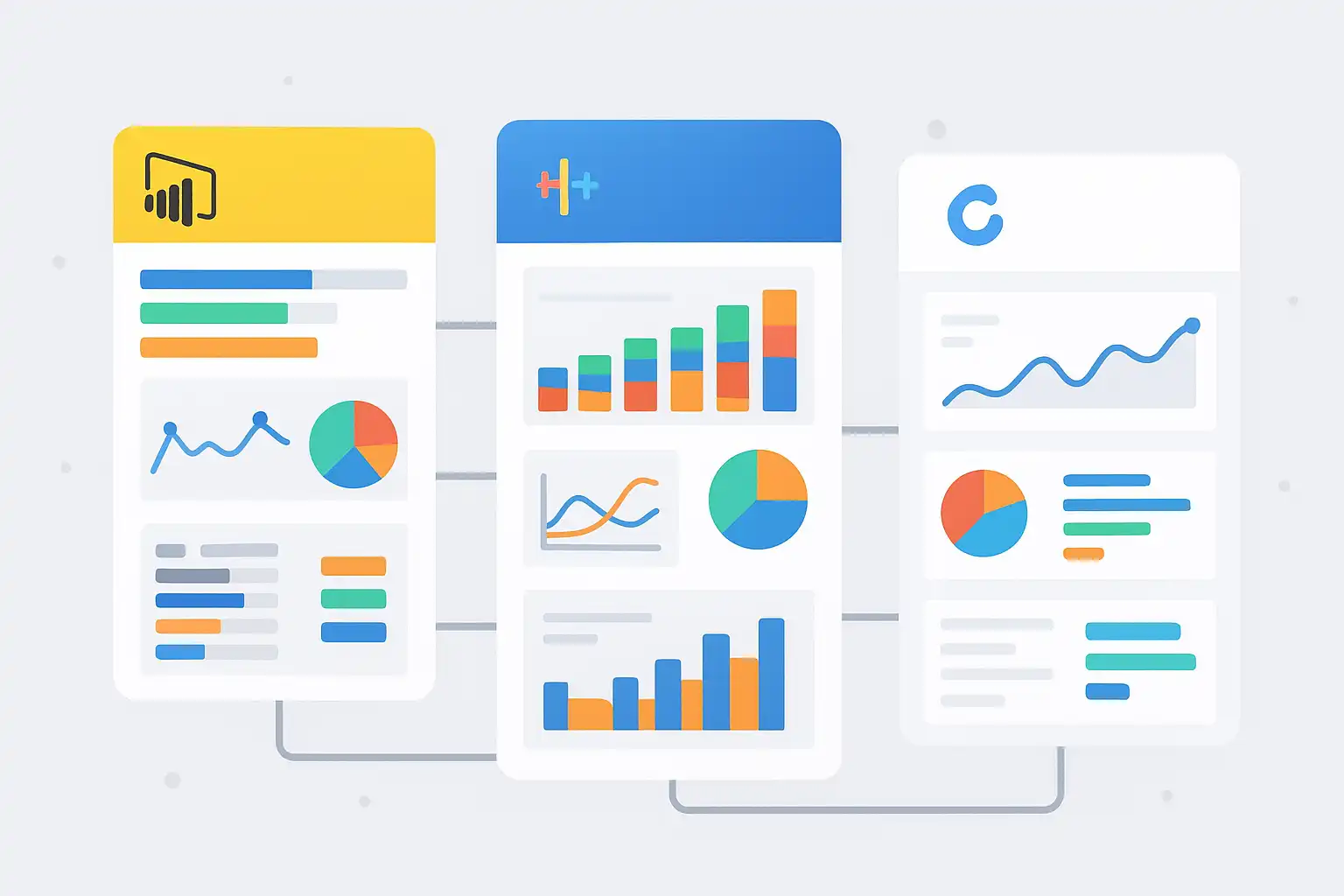
Professional Data Labeling Tools for ML Teams: What You Need to Know

Professional data labeling tools are essential for machine learning (ML) teams to convert raw data into accurately annotated datasets, crucial for training effective AI models. These specialized platforms support diverse data types—including images, text, audio, and video—and enhance labeling through automation, collaboration, and quality assurance features. Unlike basic methods like spreadsheets, professional tools offer scalable workflows, real-time collaboration, audit trails, and integration with ML pipelines. Key features to consider include multi-format support, customizable interfaces, AI-assisted automation, robust quality control, security compliance, and scalability. Popular platforms such as Labelbox, Scale AI, and Amazon SageMaker Ground Truth provide advanced annotation and management capabilities. Quality assurance is maintained via consensus labeling, review workflows, and automated validations, ensuring consistent, high-quality data essential for model accuracy. Teams can manage labeling in-house, outsource, or adopt hybrid models depending on control, scalability, and cost needs. Best practices include clear guidelines, ongoing training, continuous feedback, and leveraging automation where appropriate. Despite challenges like onboarding complexity and security concerns, professional tools significantly improve productivity and model outcomes. The future of data labeling is moving toward greater automation, smarter QA, domain-specific workflows, enhanced privacy, and global collaboration, helping ML teams build more accurate, fair, and responsible AI systems.

Companies Providing AI Solutions to Watch

Leading AI solution providers in 2024 include OpenAI, DeepSeek, Microsoft, Anthropic, Alphabet (Google), Nvidia, Meta, IBM, Baidu, and Alibaba. These companies drive AI innovation across sectors by offering unique strengths such as OpenAI’s advanced generative models, DeepSeek’s coding-focused AI, Microsoft’s cloud infrastructure, and Anthropic’s ethical AI development. Alphabet leads broad AI applications from search to autonomous vehicles, while Nvidia powers AI with high-performance hardware. Meta focuses on social media and immersive AI experiences, IBM delivers enterprise AI solutions in healthcare and finance, and Baidu and Alibaba emphasize natural language processing and e-commerce AI, respectively. Industries benefiting most include healthcare, finance, supply chain, e-commerce, social media, cloud computing, and autonomous transportation. When choosing an AI partner, businesses should consider experience, scalability, data security, ethical standards, customization, and support. Successful AI adoption involves identifying key areas for improvement, piloting solutions, training staff, and scaling proven applications. Both global giants and innovative startups like DeepSeek offer scalable, ethical, and industry-specific AI solutions, making AI accessible to enterprises and smaller businesses alike. This dynamic ecosystem continues to transform how organizations automate workflows, enhance decision-making, and innovate for the future.

Business Analysis Service Framework Guide: A Practical Approach

The Business Analysis Service Framework is a structured approach that helps organizations identify needs, analyze challenges, and deliver actionable solutions to improve decision-making and project success. It comprises six core components: goals and objectives alignment, stakeholder identification and engagement, data gathering and analysis, tools and techniques application, clear roles and responsibilities, and best practices for implementation. By following a repeatable process—from defining problems and setting clear objectives to tracking progress with KPIs and fostering continuous improvement—businesses can reduce risks, optimize resources, and enhance collaboration. Key tools like SWOT, PESTLE, root cause analysis, and requirements management software support accurate analysis and actionable insights. Early and consistent stakeholder engagement is critical for clarifying requirements, building trust, and minimizing resistance. Challenges such as unclear goals, poor engagement, and resistance to change can be overcome with clear communication, training, and iterative feedback. The framework is adaptable across industries and supports remote teams through digital collaboration tools. Regular reviews ensure the framework remains effective and aligned with evolving business needs. Overall, implementing this framework drives higher project success rates, better resource use, risk mitigation, and continuous organizational growth.

Understanding the Data Engineer Support Role: Responsibilities and Essential Skills

The data engineer support role is crucial for organizations managing large data volumes, ensuring smooth, reliable data flow for business insights. Responsibilities include designing and maintaining scalable data infrastructure, automating ETL processes, monitoring workflows, troubleshooting errors, and enforcing data governance. Proficiency in programming languages like Python, Java, or Scala, advanced SQL skills, and experience with ETL tools and workflow orchestrators (e.g., Apache Airflow) are essential. Familiarity with cloud platforms (AWS, Azure, Google Cloud) and data warehousing solutions (Snowflake, Redshift) enhances effectiveness. Support engineers focus on maintaining existing systems, optimizing performance, and cost control while enabling self-service data access. Soft skills such as communication, problem-solving, adaptability, and collaboration are vital for translating business needs into technical solutions. Automation and thorough documentation reduce manual errors, improve consistency, and facilitate compliance. Common data sources include transactional databases, SaaS platforms, cloud storage, and streaming services. This role directly impacts operational efficiency, data quality, cost management, and timely business intelligence. Growing demand for skilled data engineer support professionals highlights its importance in sustaining trustworthy, scalable data environments critical for strategic decision-making.

Customer Behavior Analysis ServiceNow Use Cases: Unlocking Value and Improving Customer Experiences

Customer behavior analysis in ServiceNow enables organizations to leverage data-driven insights to optimize workflows, improve support processes, and enhance customer experiences. By analyzing user interactions across self-service portals, case channels, and communication touchpoints, businesses can identify trends, detect bottlenecks, and prioritize improvements. Key use cases include optimizing case management, enhancing self-service portals with AI-powered search, workforce scheduling, automating routine tasks, managing multi-channel communications, enriching customer profiles, and proactively resolving issues. ServiceNow’s AI tools—such as predictive intelligence, analytics dashboards, and automated workflows—help transform complex behavioral data into actionable strategies, enabling smarter decision-making and resource allocation. Industries like financial services, healthcare, retail, government, and telecommunications benefit significantly from these insights. Despite challenges like data silos, privacy concerns, and the need for change management, adopting strong data governance and staff training maximizes value. Best practices include defining clear objectives, consolidating data, continuous monitoring, and leveraging user feedback. Overall, ServiceNow’s customer behavior analysis drives faster resolution, higher self-service adoption, personalized support, and improved operational efficiency, making it a vital tool for organizations aiming to enhance customer satisfaction and stay competitive.

Data Scientist for Small Business: On-Demand Expertise for Smarter Decisions

On-demand data scientists offer small businesses flexible, cost-effective expertise to transform raw data into actionable insights for smarter decision-making. They analyze sales, customer behavior, and operations to identify trends, optimize marketing, forecast demand, and improve inventory management without the overhead of hiring full-time staff. Typical projects include customer segmentation, sales forecasting, website analytics, and feedback analysis, using tools like Excel, Python, Tableau, and machine learning. Small businesses benefit from faster results, tailored solutions, and scalable support that align with their budget and goals. Success depends on clear project scopes, high-quality data, and strong communication between business owners and data experts. Even businesses with limited data can gain value by leveraging free tools combined with professional analysis. The growing availability of affordable data science services enables small businesses to compete by personalizing marketing, streamlining operations, and making data-driven decisions. Challenges include ensuring data privacy, clarity of project goals, and integrating insights into existing workflows. Overall, on-demand data science empowers small businesses to improve profitability, customer experience, and operational efficiency through expert analysis delivered exactly when needed.

Data Driven Decision Making in Financial Services That Works

Data-driven decision making in financial services leverages real-time data, analytics, and advanced technologies to enhance accuracy, speed, and risk management. Banks, insurers, and investment firms use data to detect fraud, optimize credit approvals, forecast market trends, and improve customer service. Key technologies include data analytics platforms, cloud computing, AI, machine learning, and automation, which together enable real-time monitoring and predictive insights. Despite its benefits, challenges such as data literacy, system integration, data diversity, and trust in analytics hinder adoption. Successful implementation requires a clear data strategy, strong governance, staff training, and alignment with business goals. Real-world examples demonstrate improved fraud prevention, personalized products, market prediction, and streamlined compliance. Financial institutions are advised to define objectives, ensure data quality, invest in modern tools, foster a data-centric culture, and continuously monitor outcomes. Future-proofing relies on ongoing investment in technology and skills to adapt to evolving risks, regulations, and customer needs. This data-driven approach empowers financial organizations to make confident, informed decisions, enhancing resilience and competitive advantage in a dynamic industry.

Data Science Training Course in Pune – Sign Up for a Transformative Learning Experience

Data Science Training Courses in Pune offer a comprehensive learning experience ideal for beginners and professionals seeking career growth in data science. These courses cover core and advanced Python programming, data analytics, visualization using tools like Tableau and Power BI, mathematics and statistics, machine learning with TensorFlow and Keras, and database management with SQL and Flask. Emphasizing hands-on projects, students gain practical skills by working on real-world datasets, building predictive models, and creating dashboards. Pune’s thriving tech ecosystem, expert instructors, industry exposure, and career support enhance learning outcomes and job readiness. Flexible schedules and project-based learning help learners build strong portfolios, boosting employability across sectors such as IT, finance, healthcare, and retail. Graduates are prepared for roles like data analyst, data scientist, machine learning engineer, and business intelligence analyst. With beginner-friendly curriculums, mentorship, and career services, Pune stands out as a prime destination for data science education that bridges theory and practice, enabling learners to thrive in the competitive data-driven job market.

Data Science Consulting Jobs Remote – Apply Now for Flexible Opportunities

Remote data science consulting jobs offer flexible, work-from-home opportunities where professionals analyze data, build models, and provide strategic advice across industries like finance, healthcare, retail, and marketing. These roles require strong technical skills in Python, R, SQL, and machine learning, combined with business acumen, problem-solving, communication, and project management abilities. Applicants should have relevant degrees or experience, certifications, and a proactive learning mindset. To secure remote consulting positions, candidates should build a strong online presence, tailor resumes to highlight consulting and remote work skills, network actively, and prepare for interviews with clear explanations of their projects and remote work capabilities. Typical responsibilities include data assessment, cleaning, modeling, visualization, reporting, and client support. Remote consulting offers benefits such as flexible schedules, diverse projects, global opportunities, and improved work-life balance, though challenges like isolation and time management require discipline and effective communication. Job seekers can find openings on major job boards, freelance platforms, and company career pages, with engagement models ranging from full-time remote employment to freelance and agency-based contracts. Salaries vary widely, from $50,000 for entry-level to over $150,000 for experienced consultants, with freelance rates up to $200 per hour. Success in this career depends on staying organized, continuously learning, maintaining strong client relationships, and leveraging key tools like Tableau, Slack, GitHub, and cloud platforms.

Data Science Consulting That Drives Measurable Impact

Data science consulting empowers organizations to transform raw data into actionable insights that drive measurable business growth. By combining advanced analytics, strategic guidance, and industry-specific expertise, consultants help businesses improve decision-making, operational efficiency, innovation, risk management, and customer experience. The consulting process involves discovery, data auditing, strategy development, implementation of predictive models and dashboards, training, and continuous optimization. Utilizing tools like Power BI, Python, and cloud platforms, consultants address challenges such as data quality, silos, security, and compliance. Key strategies include robust data governance, integration, advanced analytics, continuous monitoring, and collaboration between technical and business teams. Industries benefiting most include healthcare, finance, retail, manufacturing, energy, and private equity, with tailored solutions for each sector. Success hinges on aligning data strategy with business goals through clear objectives, stakeholder engagement, and adaptable roadmaps. Risks include poor data quality, lack of buy-in, overcomplexity, and privacy concerns, which skilled consultants mitigate through best practices and transparency. Results typically begin within weeks to months, with sustained value from measured milestones. Data science consulting is valuable for businesses of all sizes, helping ensure compliance with data privacy laws while maximizing the impact of data-driven initiatives.