How to Build a Data Governance Strategy and Roadmap for Compliance and Trust

A robust data governance strategy and roadmap is vital for organizations managing personal, financial, or operational data to ensure regulatory compliance and build stakeholder trust. Key components include a clear operating model aligned with business goals, defined roles using frameworks like RACI/DACI, adequate skills and funding, structured process phases, modular and scalable technology, centralized metadata management, and automation powered by AI. Engaging stakeholders and enhancing data literacy across all levels further strengthens the governance framework. To comply with regulations like GDPR, HIPAA, or CCPA, organizations should prioritize risk-based projects, assign clear ownership, leverage modern governance platforms, centralize policies, and regularly measure and update compliance efforts. Building trust involves transparent, reliable data practices, executive sponsorship, consistent communication, and cross-functional collaboration. Implementing a successful data governance roadmap requires assessing current processes, defining goals, building a dedicated team, mapping workflows, selecting appropriate technology, ongoing training, and continuous improvement. Leading tools such as Collibra, Informatica, Alation, Microsoft Purview, and cloud platforms like AWS and Azure support these efforts with features like metadata management and policy automation. Even small organizations benefit from data governance, which enables secure, compliant, and data-driven decision-making while reducing risks and fostering business growth.

Cloud-Based Analytics Solutions for Agile Insights

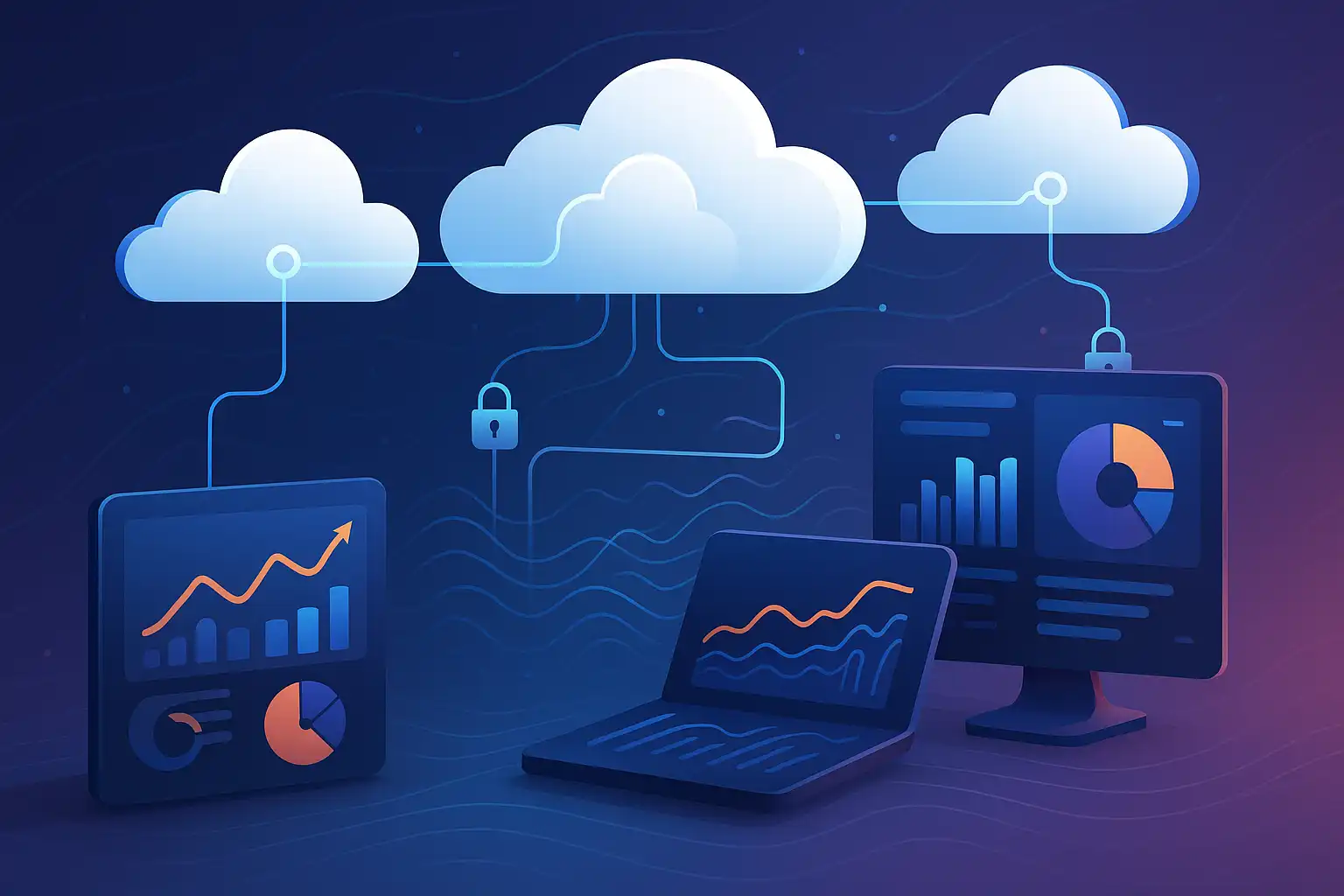
Cloud-based analytics solutions empower organizations with agile, real-time insights by centralizing data access, analysis, and sharing in the cloud. These platforms enhance decision-making speed, scalability, and cost efficiency, eliminating the need for heavy on-premises infrastructure. Key benefits include instant data integration, advanced security, seamless collaboration, and powerful data visualization. Businesses can process massive data sets, spot trends, and respond immediately to opportunities or challenges, staying competitive in fast-changing markets. Features to seek in a cloud analytics platform include real-time dashboards, predictive analytics, robust security, multi-source integration, and user-friendly collaboration tools. Popular solutions like Microsoft Power BI, TIBCO, and Google Cloud offer flexible options for different needs. Cloud analytics supports a variety of industries—retail, finance, healthcare, manufacturing, and marketing—by enabling use cases such as sales optimization, fraud detection, patient monitoring, supply chain management, and campaign analysis. Implementation is straightforward with careful planning, phased rollout, and staff training. The cloud approach also improves disaster recovery and supports remote work, though businesses should consider connectivity, vendor lock-in, and compliance. Overall, cloud-based analytics solutions drive smarter, faster, and more secure business decisions for agile organizations.

Understanding the Data Science Team Augmentation Process That Accelerates Delivery

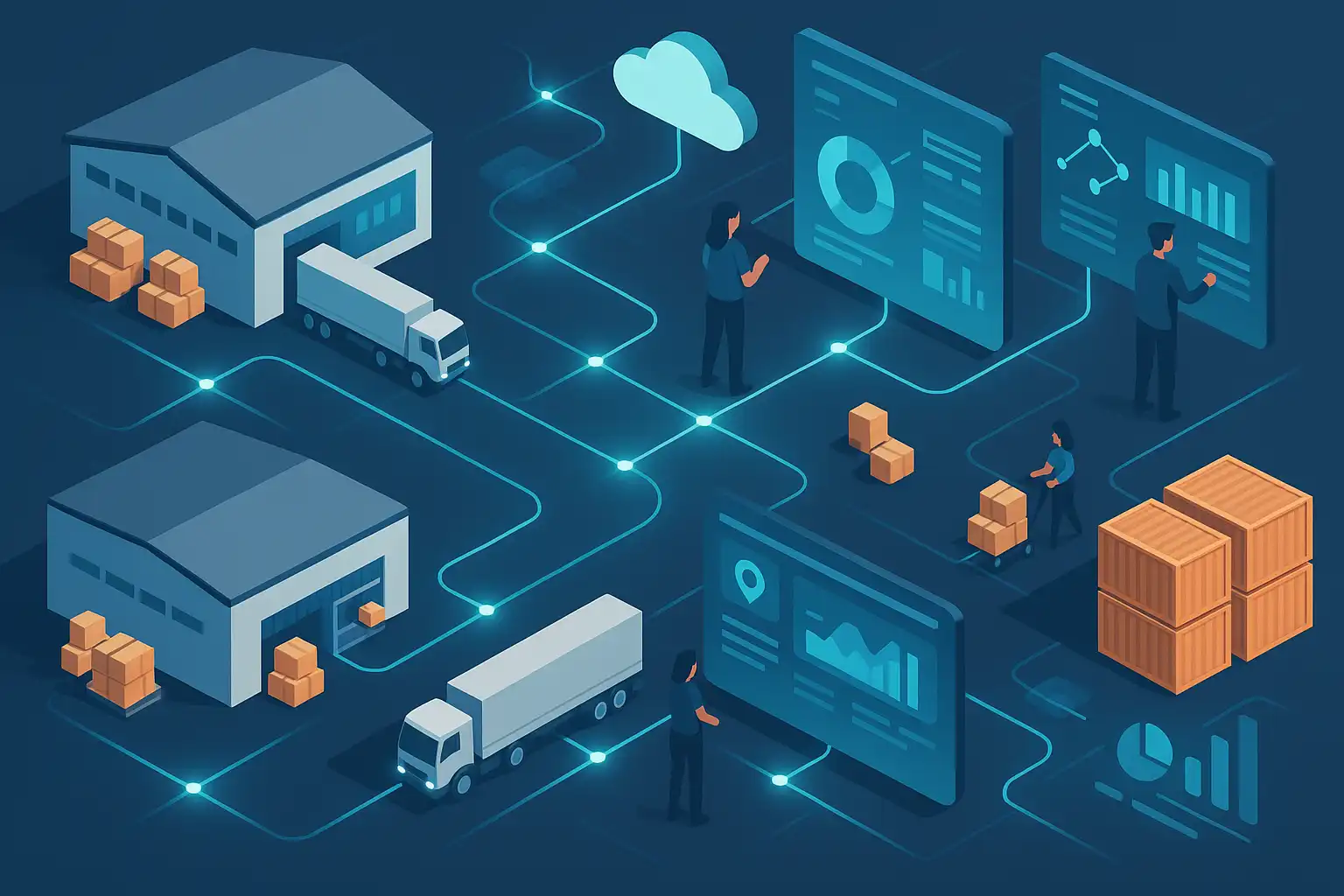
The data science team augmentation process enables organizations to accelerate project delivery and improve flexibility by temporarily adding external data experts to their in-house teams. This approach allows businesses to quickly bridge skill gaps, scale resources for urgent or specialized tasks, and access advanced expertise in machine learning, analytics, and engineering without long-term hiring commitments. Key benefits include rapid onboarding, reduced recruitment cycles, improved team morale, and exposure to the latest tools and best practices. Successful team augmentation relies on clear role definitions, strong communication, robust project management tools (like Jira, Trello, Slack), and thorough onboarding. Leading brands such as IBM and Deloitte utilize this model to drive digital transformation. While it offers quick, scalable talent and cost-effectiveness for short-term projects, challenges include integration, data confidentiality, and potential limits to organizational learning. Measuring success involves tracking project delivery times, quality, cost savings, and knowledge transfer. Suitable for organizations of all sizes, data science team augmentation ensures agility, high-quality outcomes, and future readiness by blending internal strengths with external expertise.

How Healthcare Data Solutions in Fabric Modernize Patient Care

Healthcare data solutions in fabric are revolutionizing patient care by integrating and harmonizing data from multiple sources such as EHRs, imaging, labs, and social determinants of health. By breaking down data silos, these platforms enable unified, real-time access to patient information, supporting faster, safer, and more personalized medical decisions. Key technologies like FHIR, OMOP, and DICOM ensure data interoperability, while AI and advanced analytics deliver actionable insights, automate diagnostics, and streamline care delivery. Fabric-based solutions enhance operational efficiency, lower costs, and support compliance with privacy laws like HIPAA and GDPR. Leading platforms, including Microsoft Fabric and Azure Health Data Services, empower healthcare organizations to move past legacy systems and manual processes, enabling proactive risk identification, tailored treatments, and advanced research capabilities. Ultimately, healthcare data fabric fosters a modern, secure, and flexible environment, driving innovation and improving patient outcomes across hospitals, clinics, and research centers.

Data Conversion Services to Clean and Migrate Your Data

Data conversion services are essential for organizations aiming to migrate, upgrade, or consolidate their data across new systems, platforms, or software. These services go beyond simple data transfer—they clean, deduplicate, standardize, and transform data for compatibility, accuracy, and immediate usability. Key industries like healthcare, finance, retail, technology, and manufacturing benefit most from professional data conversion, as it ensures regulatory compliance, protects sensitive information, and supports seamless operations. The typical process involves data assessment, preparation, mapping, transformation, verification, and finalization, ensuring high data quality and reduced business risk. Techniques vary for structured and unstructured data, utilizing tools like ETL software, OCR, and NLP for optimal results. Data cleaning is a critical step, boosting accuracy, efficiency, and compliance while minimizing post-migration issues. Professional services offer advantages such as expert oversight and reduced downtime but may involve additional costs and require collaboration. Best practices include thorough planning, early data validation, clear documentation, and stakeholder communication. Data conversion is vital for successful data migration, especially during legacy system upgrades, and ensures data security through encryption and strict protocols, supporting modern business needs with reliable, organized data.

What is Time Series Forecasting? Simple Guide and Examples

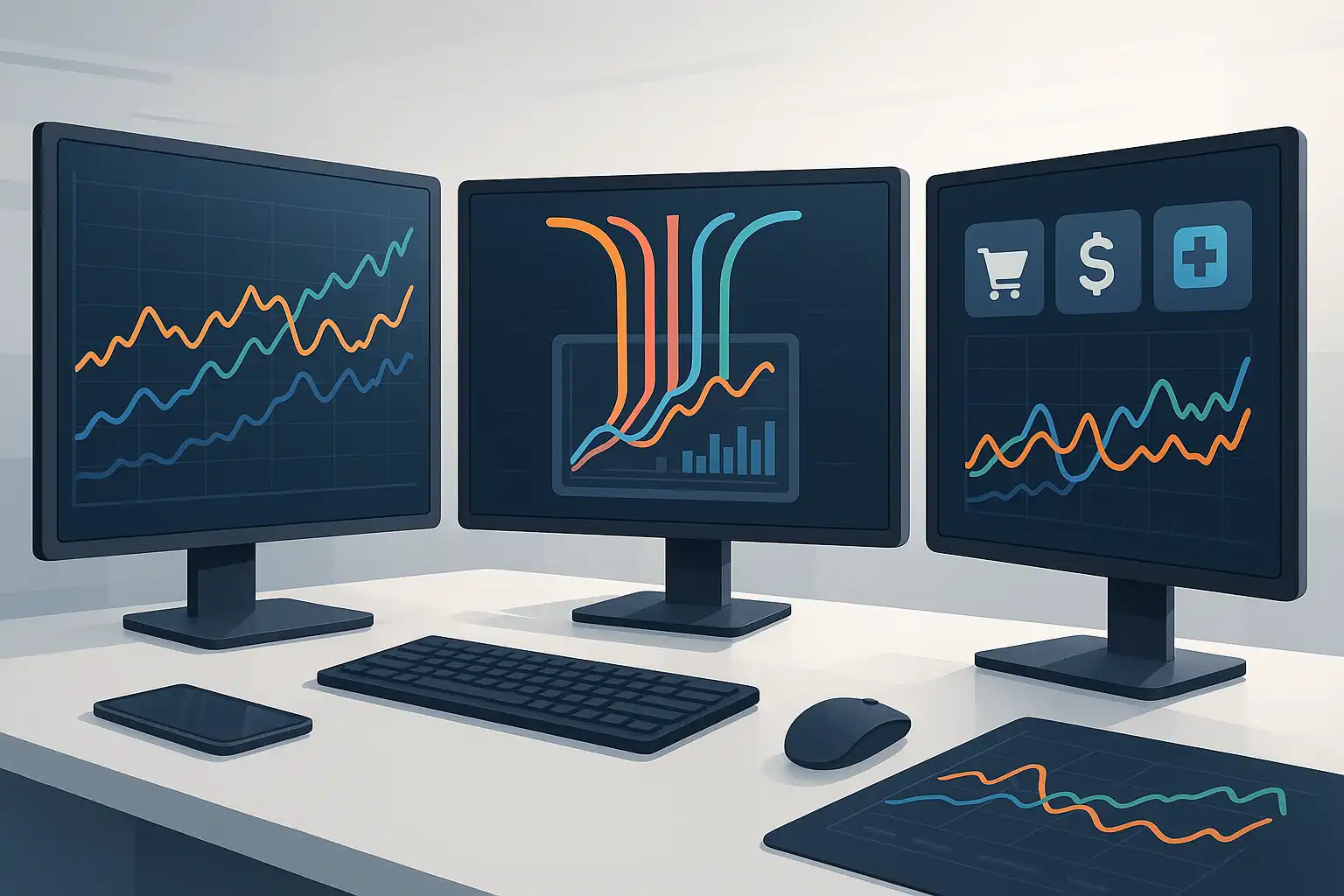
Time series forecasting is a specialized data analysis technique that predicts future values based on historical, time-ordered data. Unlike traditional prediction models that assume data points are independent, time series forecasting accounts for temporal patterns such as trends, seasonality, and cycles—making it essential for applications like financial market analysis, retail sales predictions, energy demand planning, weather forecasting, healthcare resource management, and supply chain optimization. Key forecasting models include ARIMA, Exponential Smoothing, Facebook Prophet, and LSTM neural networks, each suited for different data characteristics. The forecasting process involves data exploration, cleaning, feature engineering (like adding lagged variables), model selection, validation using time-series-specific metrics (RMSE, MAPE), and ongoing model refinement. Popular tools include Microsoft Excel, Python libraries (pandas, statsmodels, Prophet), R packages, and cloud platforms like AWS Forecast and Google Cloud AI. Benefits of time series forecasting include improved planning, resource optimization, and proactive trend identification. Challenges involve ensuring data quality, model selection, and adapting to unexpected events. Best practices emphasize thorough visualization, careful handling of missing data, maintaining time order during validation, and regularly updating models. Effective time series forecasting enables businesses to gain actionable insights, drive automated reporting, and make data-driven decisions.

Data science bootcamp online free: start learning today

Start your data science career with a free online bootcamp—no experience or financial investment required. Free online data science bootcamps offer structured, intensive training on foundational topics such as Python, Excel, SQL, statistics, data analysis, and real-world project work. Leading platforms like Correlation One’s Data Science For All (DS4A), Fullstack Academy’s Data Analyst Accelerator, and Hack the Hood provide immersive learning, mentorship, and career support, often focusing on underrepresented groups or specific regions. Most bootcamps are remote, flexible, and designed for beginners, students, and career changers. To get started, define your goals, research eligibility, prepare basic skills, apply thoughtfully, and engage with mentors and peers. Build a strong portfolio through hands-on projects and leverage career services to enhance job prospects. While free bootcamps may have competitive entry and cover mainly fundamentals, they deliver job-ready skills for entry-level roles in analytics and data science. With commitment and continued self-study, graduates can secure interviews, internships, or junior positions. Certificates may be offered, but practical projects and networking matter most to employers. Start learning data science online for free and unlock new career opportunities today.

Industry-Specific Data Science Challenges and How to Solve Them

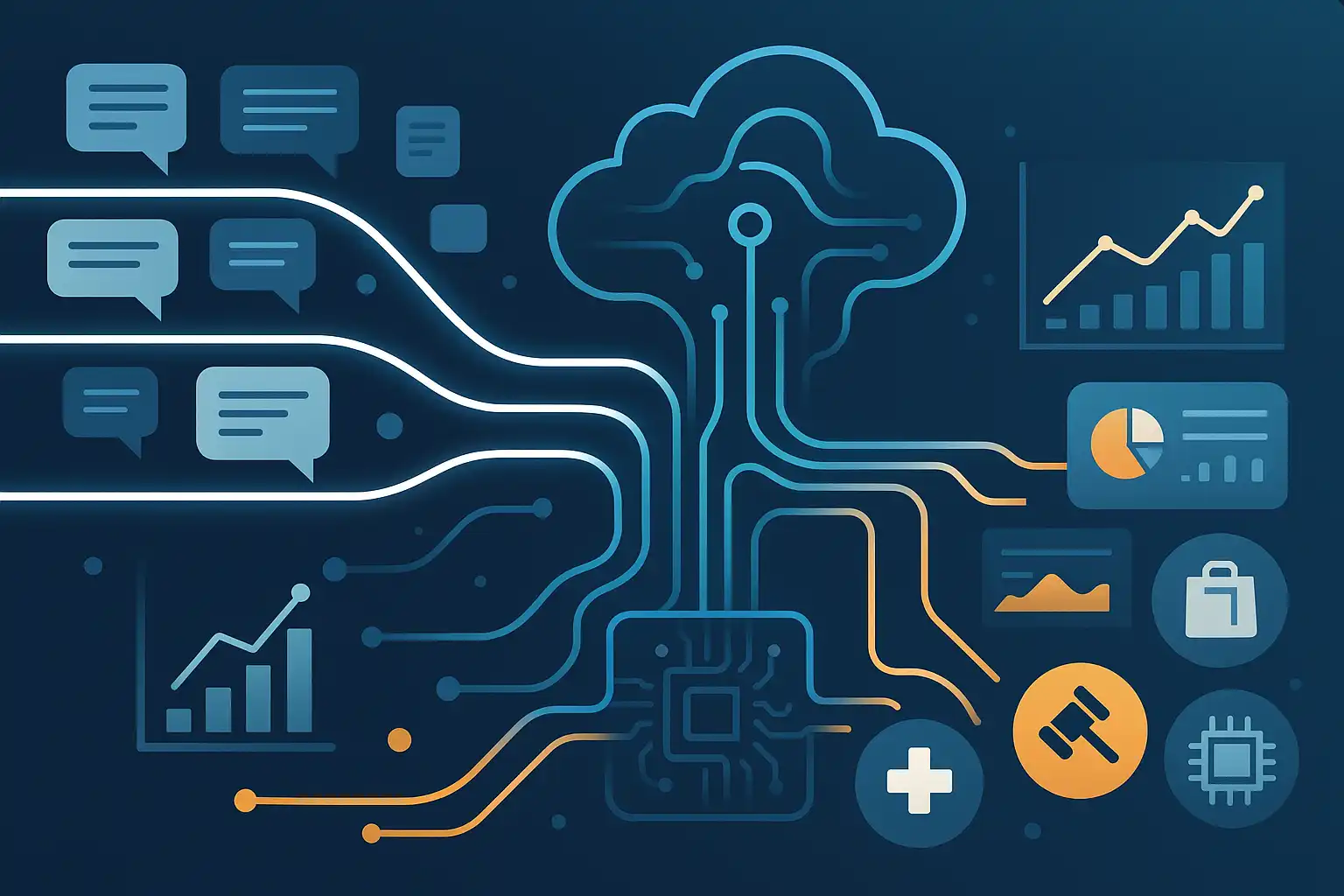
Industry-specific data science challenges are critical hurdles for organizations aiming to leverage data for strategic advantage. Key obstacles include integrating data from diverse sources, a shortage of skilled data scientists, ensuring data privacy and regulatory compliance, cleaning and preparing messy datasets, and effectively communicating insights to non-technical stakeholders. Sectors such as healthcare, finance, retail, and manufacturing face unique issues—like patient privacy, fraud detection, omni-channel analysis, and IoT integration—requiring tailored solutions. To overcome these challenges, businesses should adopt robust data integration tools, invest in ongoing staff training, implement strong data governance and security measures, automate data cleansing, and prioritize clear, visual communication of results. Customizing approaches for each industry, fostering collaboration between technical and business teams, and staying current with regulations are essential for successful data-driven strategies. Both large enterprises and small businesses can benefit from applying these best practices, enabling more efficient operations and better decision-making.

How an Automated Reporting System Delivers Accurate, Timely Insights

An automated reporting system streamlines data collection, analysis, and reporting, enabling businesses to access accurate, timely insights with minimal manual effort. By integrating with various platforms and automating repetitive tasks, these systems minimize human error, ensure data consistency, and deliver real-time information essential for agile decision-making. Key benefits include increased accuracy, speed, resource savings, and the ability to customize reports for specific business needs. Leading tools like Power BI, Tableau, Google Data Studio, and Zoho Analytics offer scalable, user-friendly solutions with robust integration and security features. Automated reporting empowers organizations across finance, marketing, sales, and operations to spot trends, respond swiftly to market changes, and drive growth. Best practices for implementation include setting clear goals, involving key users, ensuring data quality, and providing staff training. While challenges such as complex setup, data quality issues, and user resistance may arise, regular audits and tailored solutions can mitigate risks. Automated reporting systems—whether scheduled, on-demand, or alert-based—are vital for modern businesses seeking to enhance decision-making, boost efficiency, and stay competitive in a data-driven landscape.

Customer Behavior Analysis Service Industry: Insights and Trends

Customer behavior analysis in the service industry is vital for understanding what drives customer choices and enhancing services across sectors like hospitality, healthcare, and retail. By leveraging both quantitative methods (such as purchase history and web analytics) and qualitative techniques (like interviews and feedback surveys), businesses gain actionable insights to personalize offerings, streamline operations, and boost satisfaction. Key trends shaping this field include real-time feedback, predictive analytics, omnichannel data integration, and a growing focus on data privacy. Best practices involve mapping the customer journey, responding promptly to feedback, personalizing experiences, aligning cross-functional teams, and measuring success through satisfaction and retention metrics. Tools such as CRM platforms, analytics software, and sentiment analysis solutions help organizations of all sizes turn data into meaningful improvements. Overcoming challenges like data quality, privacy, and resource constraints ensures even small businesses can benefit. Regular customer behavior analysis enables companies to anticipate needs, reduce churn, and increase revenue, providing a crucial competitive edge in today’s dynamic service environment.