Business Analysis Service Framework Guide: A Practical Approach
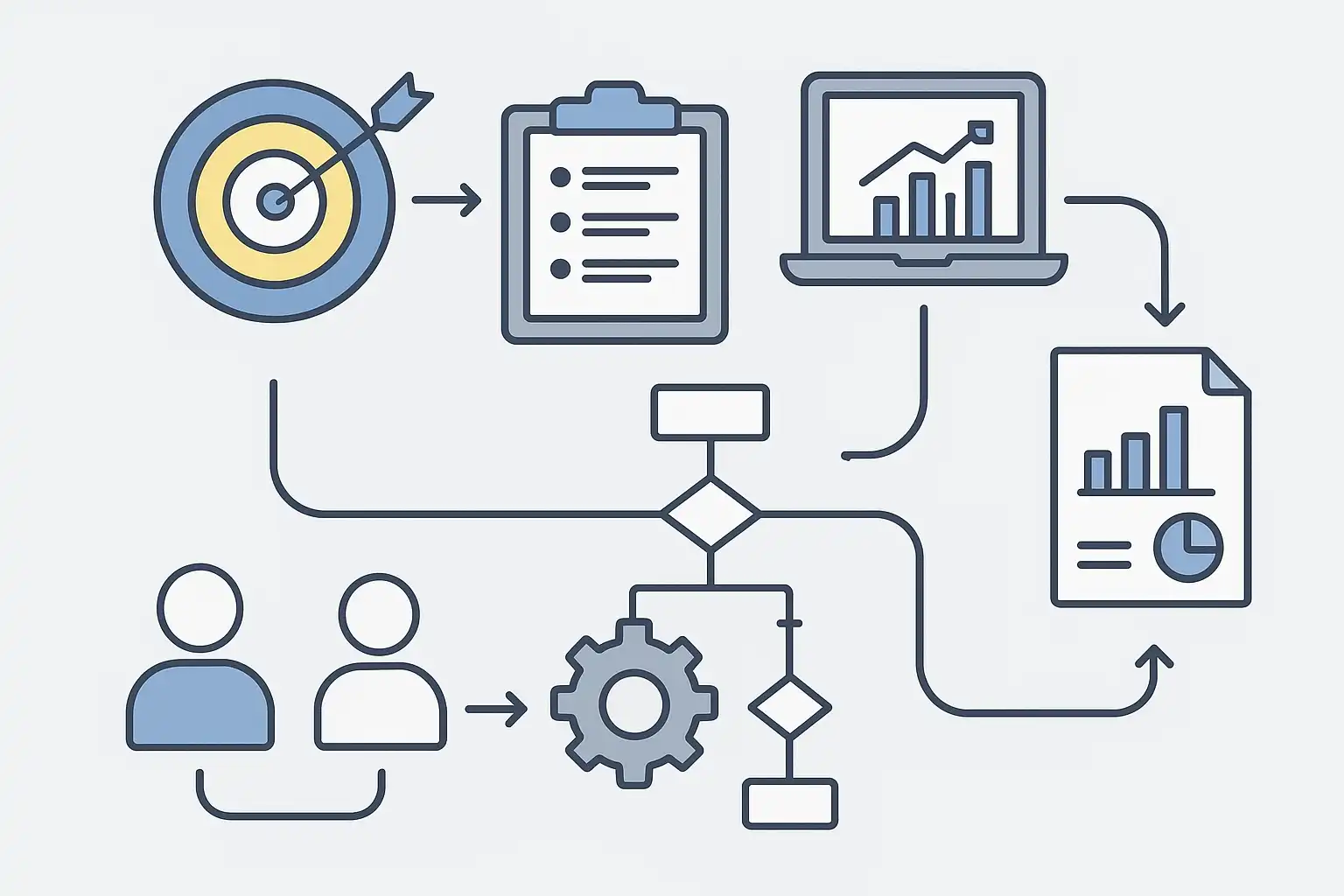
The Business Analysis Service Framework is a structured approach that helps organizations identify needs, analyze challenges, and deliver actionable solutions to improve decision-making and project success. It comprises six core components: goals and objectives alignment, stakeholder identification and engagement, data gathering and analysis, tools and techniques application, clear roles and responsibilities, and best practices for implementation. By following a repeatable process—from defining problems and setting clear objectives to tracking progress with KPIs and fostering continuous improvement—businesses can reduce risks, optimize resources, and enhance collaboration. Key tools like SWOT, PESTLE, root cause analysis, and requirements management software support accurate analysis and actionable insights. Early and consistent stakeholder engagement is critical for clarifying requirements, building trust, and minimizing resistance. Challenges such as unclear goals, poor engagement, and resistance to change can be overcome with clear communication, training, and iterative feedback. The framework is adaptable across industries and supports remote teams through digital collaboration tools. Regular reviews ensure the framework remains effective and aligned with evolving business needs. Overall, implementing this framework drives higher project success rates, better resource use, risk mitigation, and continuous organizational growth.