Should you learn data analytics or data science first?
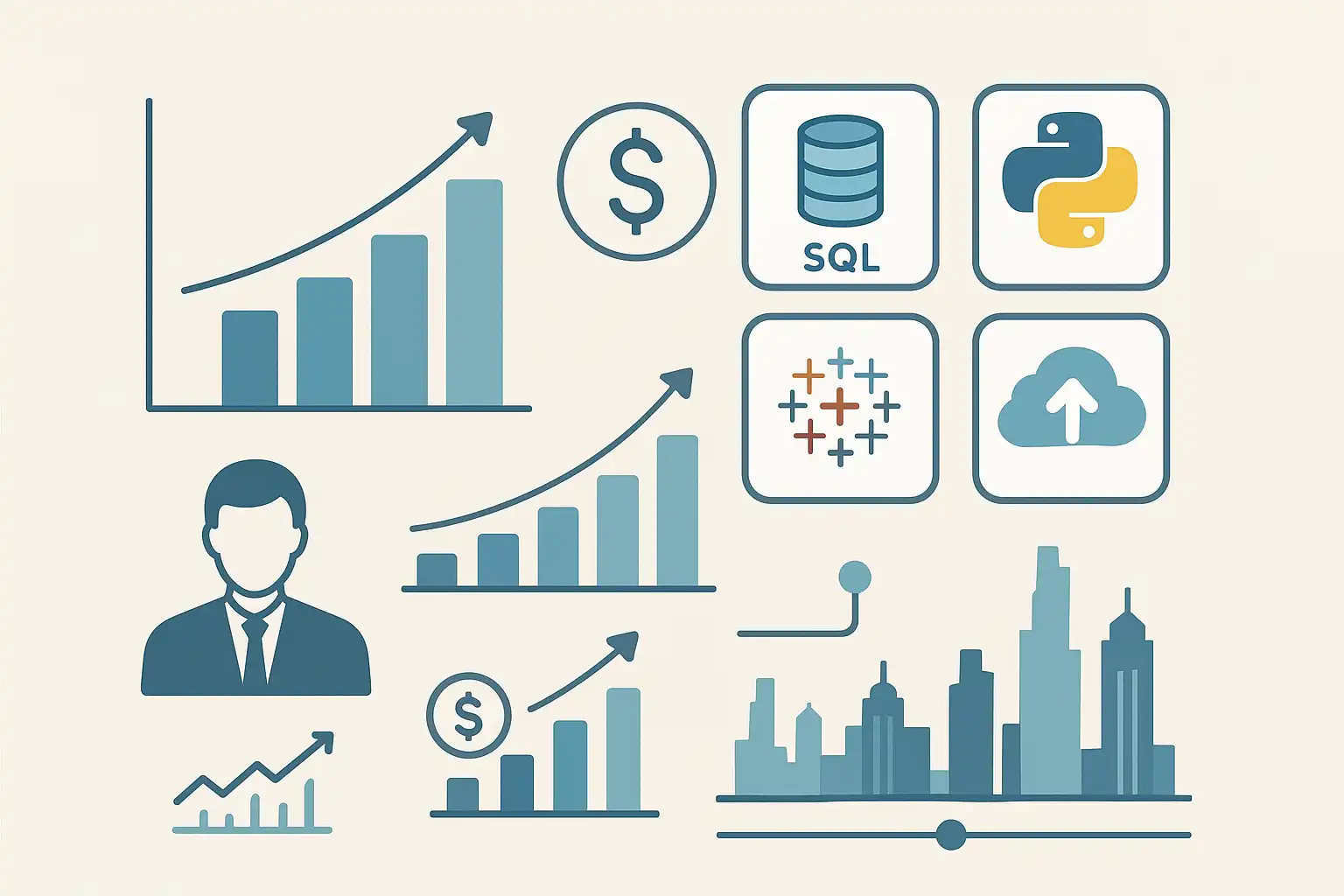
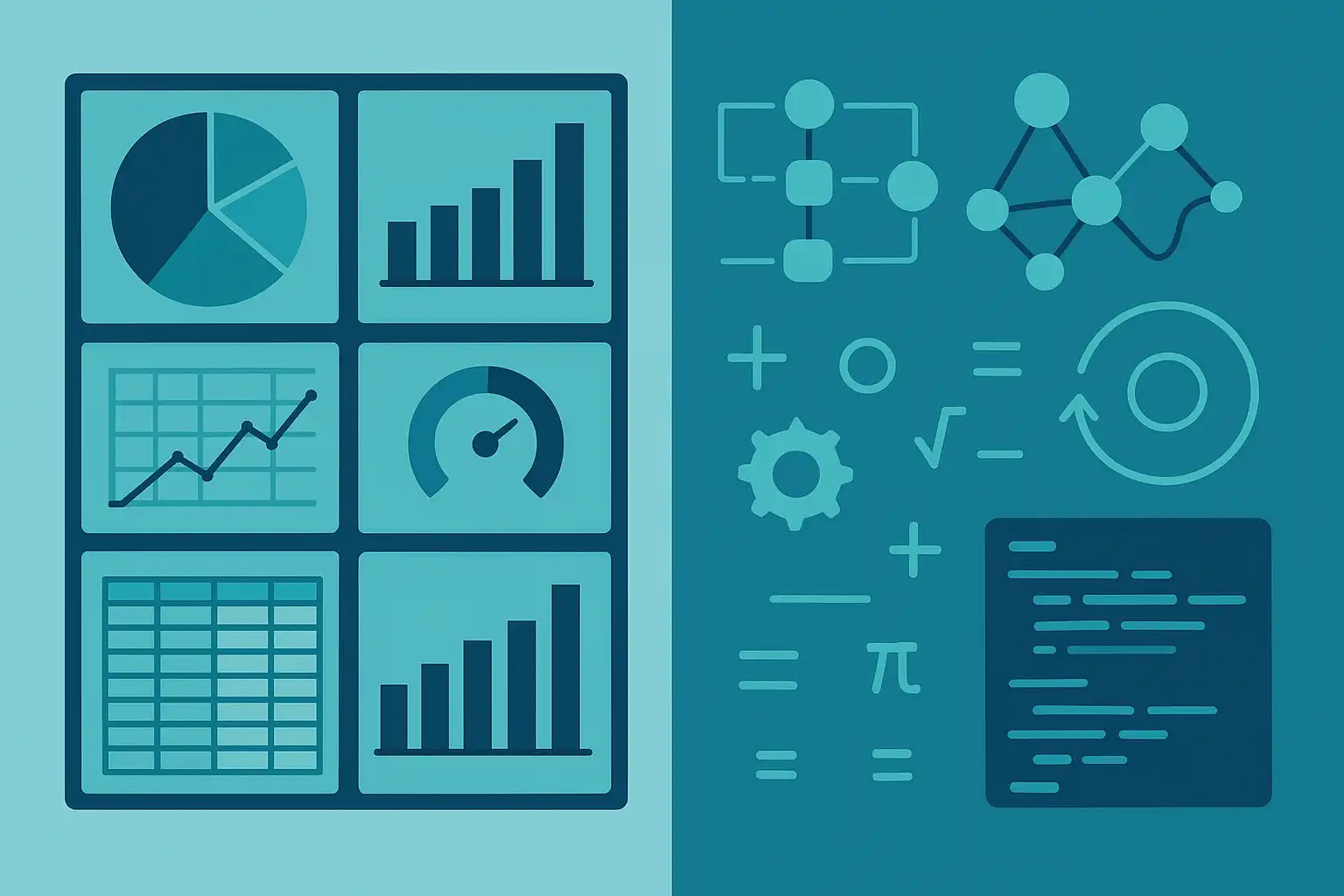
Choosing between data analytics and data science depends on your background and career goals. Beginners should start with data analytics, which focuses on examining existing data to identify trends and insights using tools like Excel, SQL, and Tableau. It requires less complex math and coding, making it an accessible entry point that builds a strong foundation for transitioning into data science. Data science encompasses analytics but adds advanced skills like programming (Python, R), machine learning, predictive modeling, and handling big data with technologies such as Hadoop and Spark. While data science offers broader and more senior career opportunities, it demands stronger technical expertise and a steeper learning curve. Key skills for analytics include data visualization, SQL, and basic statistics, whereas data science requires advanced math, programming, and experience with machine learning frameworks. Many professionals start in analytics and progress to data science by gradually acquiring programming and statistical skills. Ultimately, your choice should align with your interests—whether solving business problems or developing AI-driven solutions—and your readiness for technical challenges. Continuous learning and practical experience are essential for success in both fields. Starting with data analytics provides a practical, career-friendly path with ample job opportunities and a smoother progression into data science roles.