
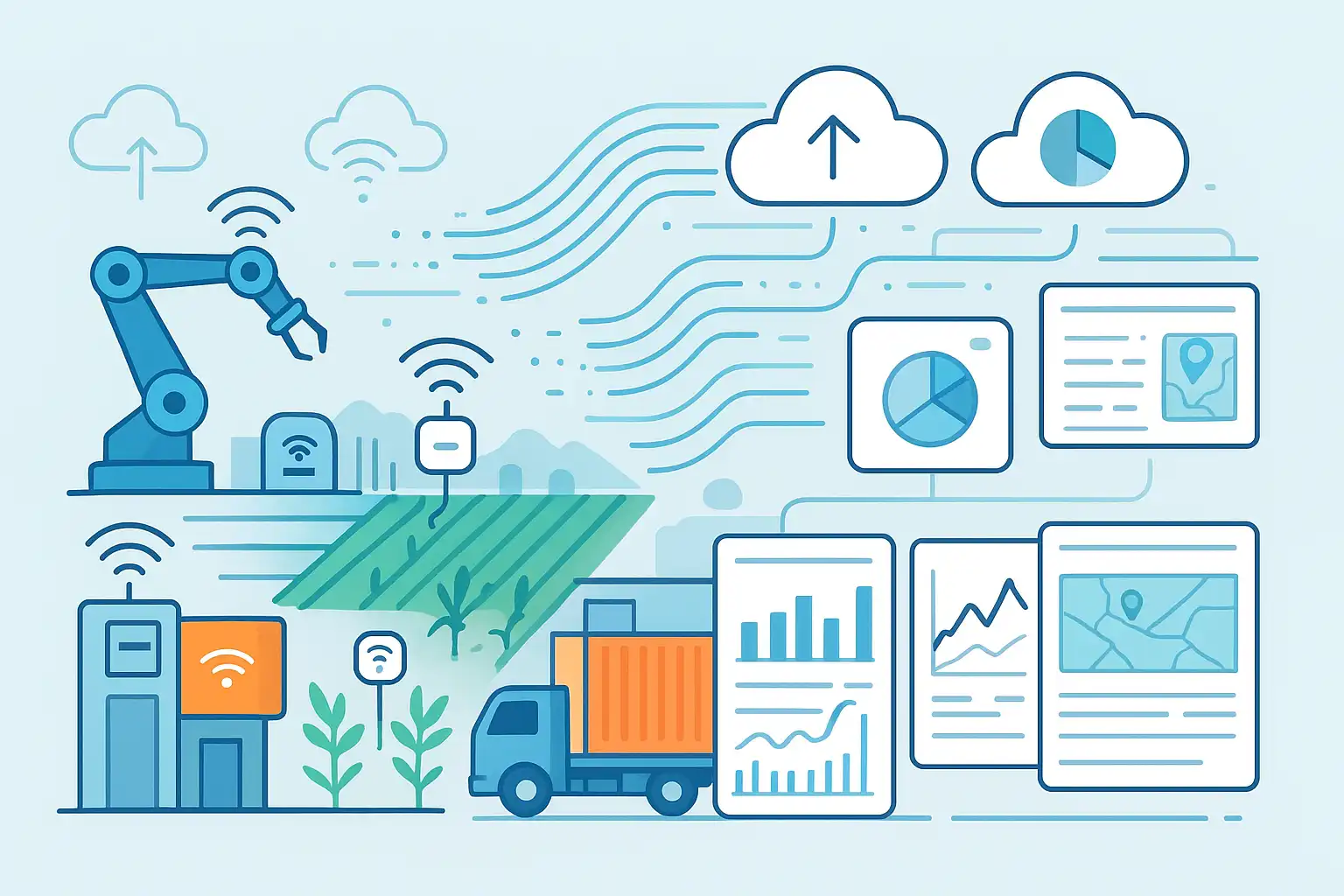
Are you trying to get more value from the data generated by your IoT sensors? IoT data analytics consulting is the expert service that helps businesses turn vast streams of raw sensor data into actionable insights. This means moving beyond just collecting numbers from devices—it’s about finding patterns, unlocking business opportunities, and making real improvements in operations and revenue. In this article, you will discover exactly how consulting in IoT data analytics works, which industries benefit most, what challenges you might face, and how you can unleash the full potential of your sensor networks—no technical jargon required.
How Does IoT Data Analytics Consulting Transform Sensor Data Into Business Value?
Imagine your company has hundreds or thousands of IoT sensors capturing things like temperature, vibration, or machine usage. These devices generate a constant flow of data, but alone, these raw numbers don’t mean much. This is where IoT data analytics consulting comes in—it uses a clear, structured workflow to make sense of all that information and help your business make smarter decisions.
The process usually starts with collecting and storing data securely. Next comes data processing: cleaning up, organizing, and integrating the information from different sensors and sources. Once the data is ready, advanced analytics methods—such as descriptive analytics (summarizing what’s happened), diagnostic analytics (why it happened), predictive analytics (what could happen), and prescriptive analytics (what to do next)—are applied. Consulting teams often use platforms that handle all these stages and offer dashboards for easy visualizations. This makes it easy for even non-technical teams to spot trends, monitor usage, and act on new opportunities.
For example, in a manufacturing facility, consulting experts can help use vibration sensors to spot which machines are likely to break down next, letting you schedule preventive maintenance and avoid costly downtime. Or, in a logistics company, analyzing GPS and temperature sensors can highlight the fastest and safest shipping routes for perishable goods. These are real business insights that can directly boost efficiency, revenue, and customer satisfaction.
With the right IoT analytics solution, you gain full visibility into how your devices are performing, where there may be inefficiencies, or which products could be better optimized for different markets. This ability to turn raw data into actionable strategies is the heart of the value created by data science service and IoT data analytics consulting.
What Are the Main Steps in an IoT Data Analytics Consulting Workflow?
If you are wondering what to expect when working with an IoT data analytics consulting team, their job usually follows a series of well-defined steps. Here’s a typical workflow:
- Discovery and Needs Assessment: Understanding your business goals, current technology, and types of sensor data available.
- Data Collection: Gathering data from all your IoT devices—these could be smart meters, wearables, industrial sensors, or cameras.
- Data Integration: Combining data from different sources and formats, and making sure everything fits together.
- Cleaning and Preparation: Removing errors, filling in gaps, and standardizing the data for analysis.
- Analytics and Modeling: Applying statistical, machine learning, or AI models to identify patterns or predict outcomes.
- Visualization: Presenting results in easy-to-understand dashboards, reports, or alerts.
- Deployment and Continuous Improvement: Embedding analytics into everyday business and updating models as more data arrives.
This workflow ensures that your company doesn’t just collect data, but actually puts it to work—improving day-to-day decisions, long-term strategies, and customer experiences.

Which Industries Benefit the Most from IoT Data Analytics Consulting?
Many industries are rapidly adopting IoT sensor technology, but some get especially strong returns from expert analytics consulting. Sectors that depend on real-time monitoring, high-value assets, and efficient processes gain the most. Here are a few examples:
- Agriculture: Sensors in fields and greenhouses measure soil moisture, temperature, and sunlight. Analytics consulting helps farmers optimize water use, increase crop yields, and reduce waste.
- Industrial Products and Manufacturing: Machine health sensors prevent breakdowns by predicting failures early, saving both time and money.
- Transportation & Logistics: GPS, humidity, and temperature sensors track shipments in real time. Analytics can fine-tune delivery routes and ensure compliance.
- Security & Surveillance: Cameras and motion detectors produce data used to spot intrusions or unsafe patterns, helping to lower risks.
- Consumer Electronics and Smart Homes: Insights from connected devices allow for new features, better energy use, and personalized customer experiences.
- Digital Signage & Media: Connected screens collect usage stats, enabling targeted advertising and content optimization.
With customized consulting, businesses can align their specific needs and workflows—such as primary wireless internet, failover, or backhaul over new cellular standards (like 5G or LTE-M)—to get the very most out of their IoT data analytics investments.
What Are the Key Challenges in Integrating IoT Sensor Data Across Platforms?
While IoT data analytics consulting promises big business gains, it also comes with real-world challenges, especially when dealing with lots of devices and data sources. Here are some common hurdles:
- Device and Data Fragmentation: Different brands or types of sensors often use unique formats, making integration complex.
- Data Quality: Unreliable or missing sensor data can distort results, so cleaning and validation are crucial.
- Scalability: As the number of sensors grows, so does the volume of data. Storage, processing power, and bandwidth must keep up.
- User Accessibility: Not every employee has a technical background. Analytics platforms and reports must be easy to understand and use.
- Security and Compliance: Sensitive data must be protected both in storage and transit, often under tight regulations.
- Backend Integration: Analytics must fit into existing business systems and workflows without disrupting operations.
Addressing these challenges requires a mix of skilled consulting, reliable platforms, and clear communication. The right combination gives you dashboards with real-time insights, supports data-driven decisions, and keeps your business agile and safe.

How Do Analytics Consulting Teams Turn Sensor Data Into Revenue Opportunities?
It’s not just about spotting problems or preventing failures—IoT data analytics consulting can directly uncover new sources of revenue. Here’s how:
- Usage-Based Monetization: By tracking device usage or subscription levels, companies can shift to billing models that reflect actual use. This is common in telecom, SaaS, or IoT device brands, helping create new, recurring revenue streams.
- Optimizing Pricing: Detailed analysis of customer and device data can reveal what users value most, letting pricing teams craft smarter packages that reduce churn and maximize profits.
- Identifying Upsell Opportunities: Usage patterns often reveal where add-on services or premium features will be most attractive, supporting tailored marketing.
- New Product Development: Real-world usage data helps product teams design better devices, apps, or connectivity services, meeting customer needs more precisely.
For example, companies working with consulting partners can shift from selling hardware alone to offering analytics-driven, subscription-based packages that provide continuous value to users. This approach is especially powerful when combined with real-time dashboards and clear reporting, making it simple to act on insights.
Such analytics-driven transformation is enhanced when businesses also consider the broader data science workflow, integrating best practices at every stage from data collection to insight deployment.
Why Is Real-Time Visualization Essential in IoT Data Analytics Consulting?
With so much data flowing from sensors every second, timely action can be the difference between catching problems early and missing out. Real-time visualization means you see up-to-date metrics, trends, or alerts the moment they happen, not hours or days later. This is vital for several reasons:
- Immediate Response: Catching a spike in temperature can help prevent equipment damage or product spoilage.
- Operational Efficiency: Managers can track the performance of assets and teams, quickly fixing any issues and keeping operations smooth.
- Role-Specific Insights: Dashboards can be customized for different departments—maintenance teams see machine status, while executives monitor financial KPIs.
- Financial Impact: Real-time analytics allows for quick adjustments to pricing or offers based on live demand and usage.
Modern analytics platforms offer intuitive, customizable dashboards with charts, maps, and alerts, putting actionable information in the hands of those who need it—right when they need it. This capability is central to successful IoT data analytics consulting projects.
What Tools and Platforms Power IoT Data Analytics Consulting?
Several well-known brands and platforms support each stage of the IoT analytics journey. These include:
- Cloud Platforms: AWS IoT Analytics, Microsoft Azure IoT, and Google Cloud IoT provide scalable tools for data collection, storage, and processing.
- Connectivity Solutions: Technologies like 5G, LoRaWAN, LTE-M, and NB-IoT offer reliable ways to transfer sensor data from the edge to the cloud.
- Analytics Software: Tools such as Tableau, Power BI, or Grafana provide powerful dashboards and visualization options tailored to IoT data.
- IoT Management Platforms: Examples include Zipit, PTC ThingWorx, and Siemens MindSphere, which offer device management and analytics workflows in a user-friendly package.
- Custom Integrations: Many consulting teams also build custom applications or APIs to link analytics with your business systems or mobile apps.
The best solution is usually a combination of these tools, chosen to match your data volumes, industry, and business goals. Working with expert consulting helps you select and implement the right mix to unlock the most value from your IoT sensors.
How Can You Get Started with IoT Data Analytics Consulting?
Embarking on an IoT data analytics consulting journey starts with clear goals and a commitment to transforming your business with data-driven insights. Here are a few practical steps to help you begin:
- Define Your Objectives: Decide what questions you want your sensor data to answer—whether it’s reducing costs, improving safety, or discovering new revenue.
- Evaluate Your Current Infrastructure: Review what IoT devices you already have, how data is collected, and any existing reporting tools.
- Find the Right Consulting Partner: Look for teams with experience in your industry and a strong track record in handling IoT analytics projects.
- Start with a Pilot Project: Test the approach on a small set of sensors or a single department before rolling it out across the business.
- Commit to Ongoing Improvement: Analytics is never finished—keep refining your models and dashboards as you learn more from your data.
If your business is in a highly regulated field or handles sensitive data, you may also need to look at security practices and compliance standards as part of your project setup.
For organizations looking to scale their IoT analytics practice, collaboration with experienced data mining consultants can make a significant difference in extracting actionable patterns from sensor data.
What Makes an IoT Analytics Solution Effective for Agriculture and Industrial Sectors?
While many industries benefit from IoT analytics, agriculture and industrial sectors have unique challenges—large-scale deployments, unpredictable environments, and critical equipment. An effective solution should offer:
- Robust Device Management: The ability to monitor, update, and fix thousands of devices without sending teams into the field.
- Edge Analytics: Analyzing data closer to where it’s generated reduces latency and saves on cloud processing costs.
- Scalable Connectivity: Support for low-power, long-range networks like LoRa or NB-IoT.
- Specialized Dashboards: Visualization tools tailored for field managers, plant operators, or logistics coordinators.
- Integration with External Data: Weather reports, market prices, and supply chain data can provide valuable context for sensor readings.
Modern consulting services make it possible for even traditional businesses to use advanced analytics and machine learning, revolutionizing how they operate every day. Furthermore, cloud-based platforms such as AWS data engineering allow companies to process and scale large sensor datasets efficiently and affordably.
FAQ
How does IoT data analytics consulting help transform raw sensor data into actionable business insights?
IoT data analytics consulting turns raw sensor data into actionable business insights through a structured analytics workflow. This includes collecting, storing, processing, and visualizing data. Modern platforms support all types of analytics—descriptive, diagnostic, predictive, and prescriptive—so businesses move past raw data toward specific actions that improve revenue, efficiency, and customer satisfaction. Consulting experts make device status and usage patterns visible and actionable, leading to better pricing, reduced churn, and new revenue streams. Structured data is essential for monetization and scalable IoT business models.
What are the key challenges faced in IoT data analytics consulting when integrating sensor data across multiple platforms?
Integrating sensor data across different platforms brings challenges like device and data fragmentation, data quality management, and scaling infrastructure for storage and bandwidth. Another big challenge is making the analytics accessible for people without technical backgrounds. This requires careful normalization, backend integration, and easy-to-use dashboards that deliver real-time, role-specific insights. Overcoming these challenges is crucial for converting data into clear operational and financial indicators.
Which industries benefit the most from IoT data analytics consulting to maximize the value derived from their sensor networks?
Industries that gain the most from IoT data analytics consulting include agriculture, consumer electronics, digital signage and media, industrial manufacturing, transportation and logistics, and security. These sectors often rely heavily on sensor networks and get significant benefits from improved connectivity, tailored analytics, and monetization features. Consulting helps them improve asset use, reduce costs, enhance customer experiences, and develop new revenue streams by aligning solutions—such as wireless failover or 5G connectivity—with their specific use cases.
How can businesses ensure their IoT data analytics consulting projects deliver a positive return on investment?
To maximize ROI, companies should clearly define business goals, select the right consulting partners, and begin with focused pilot projects. Ensuring data quality, starting with high-impact use cases, involving all relevant stakeholders, and choosing scalable analytics platforms are key steps. Continuous monitoring and improvement, combined with strong data security practices, help ensure that analytics projects translate into measurable business growth and sustainable competitive advantages.