
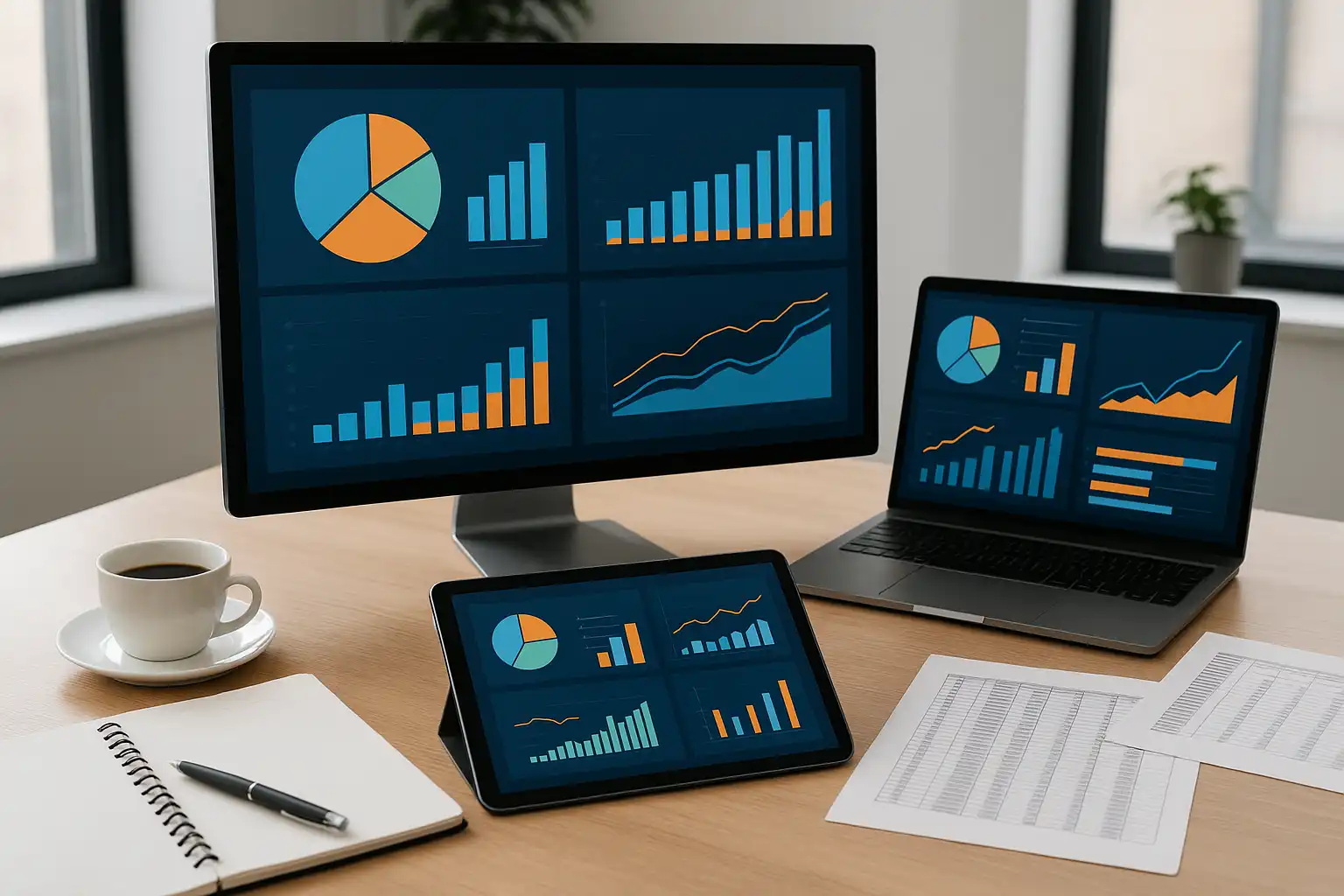
Can a data scientist for small business really make a difference? Absolutely. If you run or manage a small business, an on-demand data scientist can help you turn your data into valuable insights—fast. Instead of guesswork, you get clear answers from your sales, customers, and day-to-day operations. With on-demand expertise, you don’t need to hire a full-time employee; you get specialized help exactly when you need it, at a scale that fits your budget.
What does a data scientist for small business actually do?
Small businesses today generate lots of data, from website visits and sales transactions to customer feedback and inventory logs. But raw data alone won’t help you grow. A data scientist helps you uncover the stories inside your numbers. They collect, prepare, and analyze data to reveal patterns, trends, and opportunities you might not see otherwise. This expertise allows you to make decisions based on facts, not just gut feelings.
For example, a bakery owner might want to know which pastries are most popular on weekends, or a local retailer may want to optimize stock to avoid over-ordering. A data scientist can help answer specific business questions by building clear dashboards, running statistical tests, or designing simple models to forecast sales. By focusing on practical outcomes, a data scientist for small business helps you take the next best step—whether it’s refining a marketing campaign or streamlining inventory.
Why choose on-demand expertise over hiring full-time?
Hiring a full-time data scientist can be costly and may not make sense for smaller businesses. On-demand expertise means you get support when you need it and only pay for the work delivered. This approach saves money, increases flexibility, and lets you tackle specific projects as your business grows or changes. In this way, you can access advanced analytics, machine learning, or predictive tools without the overhead of a full team member.

How can on-demand data scientists improve decision-making for small businesses?
An on-demand data scientist for small business begins by working closely with you to understand your needs and challenges. Then, they dig into your data, extracting and analyzing both structured (like spreadsheets) and unstructured (like emails or reviews) information. This process, called data mining, uses scientific methods and statistical analysis to find useful insights. For instance, they might identify which marketing channels bring in the most valuable customers or spot seasonal trends affecting your sales. With these insights, you can:
- Refine marketing strategies to target the right audience.
- Optimize inventory to meet demand and reduce waste.
- Personalize customer experiences for greater loyalty.
- Allocate resources more efficiently to maximize profits and minimize risks.
Small businesses benefit the most from actionable insights—clear steps you can take based on what the data reveals. Whether you want to identify your best-selling products, streamline logistics, or launch a new service, on-demand data science helps you move forward with confidence.
Real examples: Small business challenges solved by data science
Let’s look at some scenarios. Imagine you run an independent coffee shop. Business fluctuates by day and hour. By hiring a data scientist on demand, you can analyze sales trends, weather patterns, and event calendars to forecast peak times. As a result, you can schedule staff more efficiently and reduce waste from unsold pastries. Or, if you manage an online shop, a data scientist could track abandoned carts and discover at which point customers leave, so you can adjust your website for better conversion.
Another example: A local service provider wanted to know how different customer segments responded to email marketing. An on-demand data expert segmented the audience, ran A/B tests, and recommended personalized messaging, resulting in higher open and conversion rates. These improvements aren’t just for large companies—small businesses can see real, measurable changes with the right help.
What are the key benefits of hiring a data scientist for small business on a project basis?
Engaging a data scientist for small business on a project basis offers clear advantages:
- Cost Efficiency: You only pay for the expertise you need, avoiding the expense of a full-time salary and benefits.
- Flexibility: Scale your data science resources up or down as your business changes, matching busy periods or new projects.
- Expert Insights: Gain access to specialized knowledge and tools that would be hard to maintain in-house.
- Faster Results: Get answers to pressing business questions quickly, without waiting for lengthy hiring processes.
- Reduced Risk: Test out new analytics solutions or data-driven strategies in small steps, minimizing financial risk.
For instance, if you want to improve marketing performance, an on-demand data scientist could analyze your channels and recommend where to invest more (or less). If you notice inventory issues, they could build a demand forecasting model so you always have the right products in stock. These targeted solutions help you adapt and thrive in a competitive market.
What types of projects can on-demand data scientists handle?
The range of work a data scientist for small business can tackle is broad. Here are typical project types:
- Customer segmentation and targeting for marketing campaigns.
- Sales and revenue forecasting using historical trends.
- Inventory optimization and supply chain analysis.
- Customer feedback analysis from surveys and reviews.
- Website analytics and conversion rate improvement.
- Designing dashboards and automated reports for operations.
Each project begins with a clear problem statement—what business outcome do you want? The data scientist then gathers data, chooses the right analysis methods, and translates findings into simple, actionable steps.
Which tools and techniques do data scientists use for small businesses?
Data scientists bring a toolkit that includes both technical software and practical methods. Even if you’re not familiar with complex terms, here’s what you should know: they use simple spreadsheets, advanced programming tools, and visualization software to clarify your business performance. Common tools and techniques include:
- Spreadsheet analysis (Excel, Google Sheets) for basic tasks.
- Data cleaning tools to prepare and organize information for analysis.
- Statistical software (like R or Python) to run deeper analyses.
- Data visualization platforms (Tableau, Power BI) to help you “see” patterns.
- Machine learning algorithms for forecasting and prediction.
- Customer segmentation and clustering for targeted marketing.
- Natural language processing (text analysis) to mine reviews and comments.
Imagine a retail owner exploring new markets. The data scientist might use software to analyze competitor prices or run predictive models to estimate sales if the owner opens on Sundays. For busy business owners, these advanced techniques translate into clear, usable reports—not confusing technical output.
In fact, to support these processes, many small businesses take advantage of external data science service providers who bring both tools and expertise on demand.
Why does data quality matter?
No matter how skilled the data scientist, the quality of your data is crucial. Cleaning and organizing data ensures reliable results. This includes removing duplicates, fixing errors, and making sure information is up to date. High-quality data leads to better decisions and stronger business outcomes. A good data scientist pays close attention to this—before any analysis begins.

How do I find and work with an on-demand data scientist?
Finding the right expert starts with defining your project goals. Are you trying to increase online sales, spot the best customers, or reduce delivery times? Clear questions make it easier to find a specialist suited to your needs.
There are several ways to connect with data scientists for small businesses:
- Freelance Platforms: Sites like Upwork or Fiverr let you post projects and review candidates.
- Consultancies: Firms specializing in data science workflow often offer short-term services tailored to small businesses.
- Referrals: Ask fellow business owners about their experiences and recommendations.
- Online Marketplaces: Some platforms match you with vetted data experts for specific industries.
Once you identify a candidate, discuss your goals, available data, expected timeline, and budget. Communication is key: the best results come from tight collaboration, where both sides clarify needs and expectations early on. Once the project starts, you’ll likely see progress in stages: problem definition, data collection, analysis, and delivery of insights or recommendations.
What are the typical steps in a small business data science project?
A small business data project usually follows these stages:
- Define the business problem: What decision or challenge will the analysis address?
- Gather and clean data: Collect relevant information and ensure it’s accurate.
- Analyze the data: Use statistical or machine learning methods to uncover insights.
- Visualize and report findings: Build clear charts, dashboards, or brief reports.
- Recommend actions: Present straightforward steps you can take based on the analysis.
- Measure outcomes: Track what changes after implementing recommendations.
For reference, companies seeking to rapidly add expertise sometimes consider data science team augmentation as a flexible way to match skills with immediate needs.
What skills should a small business look for in a data scientist?
A great data scientist for small business will combine technical skills with the ability to communicate clearly. Look for:
- Experience with analytics tools relevant to your needs.
- Ability to explain technical findings in plain English.
- Understanding of small business challenges and priorities.
- Project management skills to meet deadlines and budgets.
- References or a portfolio of previous relevant work.
Above all, choose someone who listens well and focuses on practical results. Their goal should align with yours: driving business growth and efficiency through data-driven decisions.
How do I know my data project is successful?
Success looks different for every business, but key signs include:
- You receive clear recommendations you can act on.
- Your business questions are answered with evidence from your data.
- Results are easy to understand, even if you aren’t a data expert.
- You see measurable improvements, such as cost savings, increased sales, or happier customers.
Many small businesses find that even simple projects—like understanding the best time to post on social media or identifying loyal customer groups—deliver strong returns. Tracking the impact of changes made from data insights ensures ongoing improvement.
What if my business doesn’t have much data—can I still benefit?
Absolutely. Even small amounts of data, when analyzed well, can uncover useful patterns. A skilled data scientist can help you combine different data sources, such as customer feedback, transactions, or free tools like Google Analytics. They can often recommend low-cost ways to begin gathering more useful data for future projects.
In fact, many small businesses start by working with a specialist for just a few hours, focusing on one key problem. This approach lets you try data-driven decision-making without big commitments.
What’s the future of data science for small business?
The role of data science in small business is only growing. As more affordable tools and cloud services become available, even micro-businesses can compete with larger firms by using their own data smartly. Personalized marketing, efficient operations, and smarter spending are all within reach—especially when you can hire data scientists on demand for specific needs.
With advances in artificial intelligence and automation, common tasks like predicting sales, spotting market shifts, or even chatting with customers can be streamlined. The businesses most ready for this future are those that start small—learning from each project and building their data confidence over time.
What are the limitations or challenges when using on-demand data science in a small business?
While on-demand data scientists offer many benefits, there are a few factors to keep in mind:
- Data Privacy: Sharing your business information requires trust and sometimes formal agreements.
- Scope Clarity: The project should have clear goals to avoid confusion and wasted budget.
- Integration: Implementing recommendations may require changes to your processes or systems.
- Continuity: Ongoing support may be limited if you hire someone for a single project.
Open communication helps address these challenges. Don’t hesitate to ask for examples of past work, expected timelines, or guarantees of confidentiality before starting.
FAQ
How quickly can a data scientist deliver actionable insights for my small business?
This depends on the project’s complexity and how much data you have. However, for most small businesses, a skilled data scientist can begin delivering practical insights within days or weeks of starting. Defining a clear project scope and sharing data early speeds up the process. Simple projects, such as sales trend analysis, often yield results in less than two weeks, while more complex modeling or integration may take a bit longer.
Is technical knowledge required to work with an on-demand data scientist?
No advanced technical skills are needed. A good data scientist for small business will communicate in plain English and explain each step. Your main role is to define business goals and answer questions about your operations or customers. The technical aspects—collecting, cleaning, and analyzing data—are handled by your expert, who will translate findings into clear recommendations.
Can I use free or low-cost tools instead of hiring a data scientist?
Many small business owners begin with free analytics tools such as Google Analytics or spreadsheet analysis. These tools are helpful for basic tracking and trends. However, if you want deeper insights—such as advanced forecasting, customer segmentation, or multi-channel analysis—working with a data scientist offers much greater value. The combination of specialized skills and professional tools unlocks more actionable information from your data.
How do I measure the return on investment (ROI) from an on-demand data science project?
ROI is measured by comparing the benefits you receive (such as increased sales, reduced costs, or improved customer satisfaction) to the amount spent on data science services. Before starting a project, define clear success metrics—like a percentage increase in sales or reduced inventory costs. After implementation, review results regularly to see if those targets are met or exceeded. Good communication and project planning set the stage for a strong return on your investment.