
Understanding the business analysis service framework is crucial for organizations aiming for smarter decisions and improved results. Right from the start, this guide addresses your main question: what is a business analysis service framework, and why does it matter? Simply put, this framework offers a structured way to identify business needs, analyze challenges, and deliver actionable solutions. By using proven steps and engaging key people early, you raise your odds of project success. Whether you lead a business, manage projects, or analyze requirements, knowing how to apply this framework can make your work more effective and less risky.
The business analysis service framework acts as a blueprint. It clearly lays out what needs to be done, by whom, and when. You get a repeatable process to follow for each project, reducing confusion and driving results. In the sections below, you’ll discover essential components, practical steps, and real-world examples. This guide helps you avoid jargon and stick to the facts, so you can use it no matter your background or business size.
What are the core components of a business analysis service framework guide?
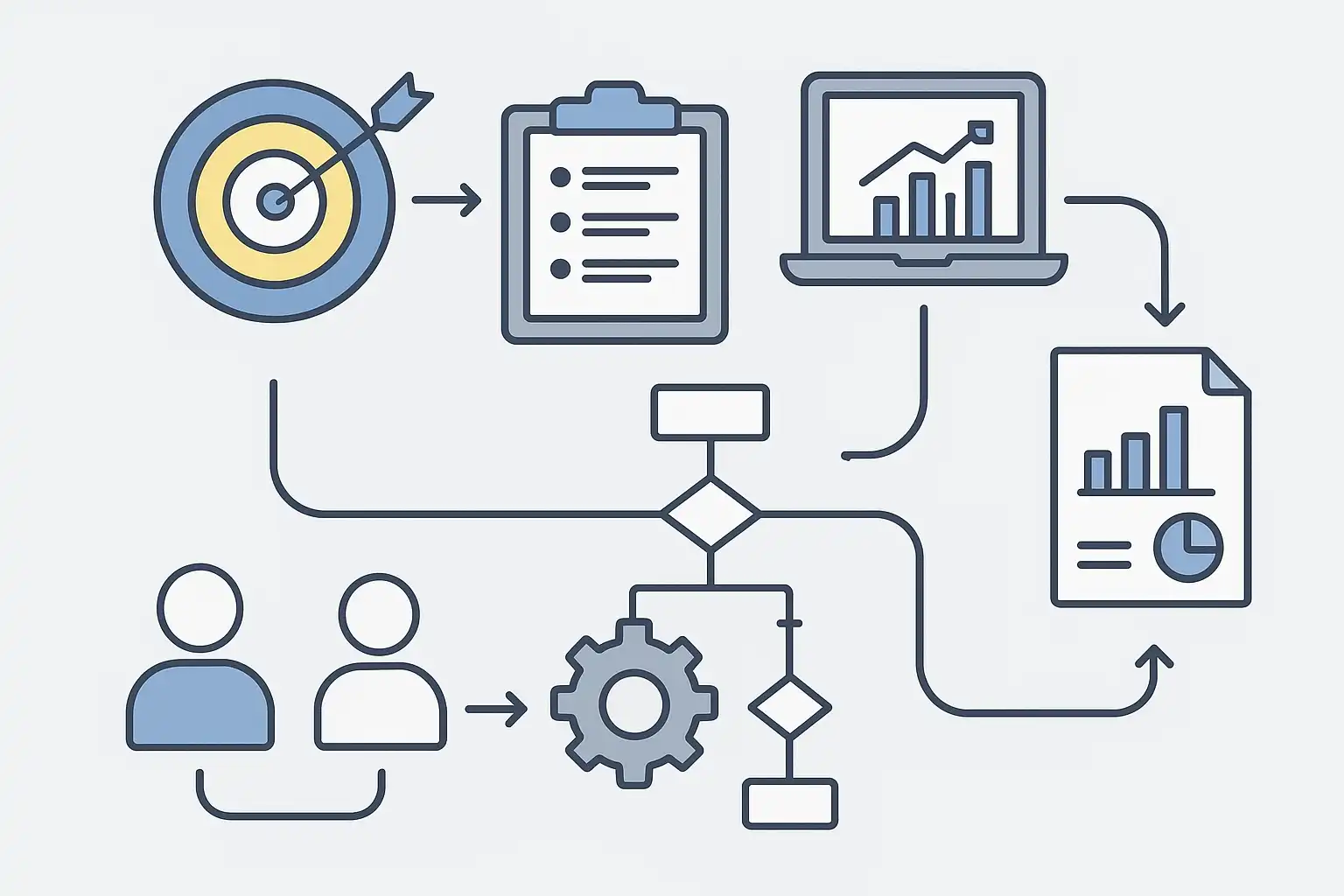
To start, let’s break down the key building blocks. A well-designed business analysis service framework typically includes six main components. Each plays a unique role in guiding the project from idea to solution:
- Goals and Objectives Alignment: Before any action, clarify what the project hopes to achieve. Clearly defined objectives ensure everyone moves in the same direction, and they set a benchmark for every decision that follows.
- Stakeholder Identification and Engagement: Identify all relevant parties—internal and external—early in the process. By engaging them, you gather valuable insights and gain their support, which can be vital for smooth operations and adoption.
- Data Gathering and Analysis Techniques: Collect necessary information using methods suited to your situation. This might be market research, interviews, or feedback forms. Then, use analysis frameworks to make sense of the data, pinpointing challenges or new opportunities.
- Tools and Techniques: Apply practical tools like SWOT Analysis, which looks at strengths, weaknesses, opportunities, and threats, or use PESTLE Analysis for broader environmental factors. Root Cause Analysis helps diagnose problems, and Key Performance Indicators (KPIs) help track progress and measure success.
- Roles and Responsibilities: Assign clear duties to team members. When business analysts, project managers, and stakeholders know their roles, collaboration improves and goals stay aligned.
- Best Practices for Implementation: Encourage habits like frequent feedback, clear communication, and the use of supportive technologies to keep improving results.
Understanding Framework Structure
Each component builds on the other, creating a logical sequence. For instance, aligning goals is meaningless if stakeholders are not involved, as their needs or pain points might be missed. Effective frameworks also include cycles for review and improvement, so lessons learned from one project can be applied to the next.
Comparison Table: Key Components and Their Purpose
| Component | Purpose |
|---|---|
| Goals Alignment | Define the project direction and measure success |
| Stakeholder Engagement | Capture diverse insights and ensure buy-in |
| Data Analysis | Uncover real problems and opportunities |
| Tools & Techniques | Make analysis accurate and actionable |
| Roles Defined | Smooth collaboration and accountability |
| Best Practices | Foster ongoing improvement and communication |
How can organizations implement a business analysis service framework effectively?
Adopting a business analysis service framework need not be complicated. Here’s a straightforward step-by-step process any organization can follow:
- Define the Problem or Opportunity: Begin by understanding what you wish to change or improve. Is it a process bottleneck, a new market opportunity, or a regulatory need?
- Set Clear Objectives: Make your goals specific, measurable, and realistic. Objectives give your team a shared target and provide metrics for success.
- Conduct Research and Gather Data: Use surveys, interviews, document analysis, and external research. Collect data relevant to your objectives and challenges.
- Engage Stakeholders Early: Bring in those affected by the outcome or who have expertise. Early engagement secures valuable insights and support throughout the process.
- Apply Analysis Tools: Use suitable frameworks—such as process mapping, SWOT, or PESTLE—to turn raw data into clear findings.
- Define Roles and Assign Tasks: Make sure each participant knows their responsibility. This improves accountability and speeds up execution.
- Document Requirements and Solutions: Write clear, detailed specifications and proposed changes. Avoid ambiguity so all parties understand the plan.
- Track Progress with KPIs: Choose the right metrics to monitor if objectives are being met, and adjust tactics if progress stalls.
- Solicit Feedback and Review Results: Schedule regular check-ins and post-project reviews. Ask what worked, what didn’t, and update your framework accordingly.
- Foster Continuous Improvement: Treat each project as a learning experience. Incorporate lessons into future efforts for better efficiency and results.
Implementation Tips
Start small—pick a pilot project to test the framework. Adapt as you go, inviting feedback from all stakeholders, not just senior leaders. Leverage technology, like project management or requirements gathering tools, to streamline activities and documentation. Many organizations also use cloud-based collaboration platforms for real-time communication and updates.
It’s helpful to reference proven methodologies along the way. For example, aligning your analysis with data strategy alignment ensures that the business analysis not only considers current challenges but also positions the organization for future growth.

What benefits does a business analysis service framework bring to project outcomes?
A structured framework offers many tangible benefits:
- Improved Decision-Making: By following a structured process, managers and leaders get all the facts before making critical choices. This increases the quality of decisions and reduces costly mistakes.
- Stronger Stakeholder Buy-in: When everyone is brought in early, you gain champions for the project and minimize resistance to change.
- Higher Project Success Rates: Setting clear goals, measuring with KPIs, and learning from each cycle drive more projects to successful completion.
- Efficient Use of Resources: The framework ensures time, money, and people are focused on the right tasks. Less duplication and clearer priorities save effort.
- Risk Mitigation: By identifying issues and potential failures upfront, you can develop solutions early and avoid surprises.
- Continuous Improvement: Regular reviews and adapting the framework ensure your process gets better with every cycle.
Real-World Example
Consider a retail company launching a new product line. By applying a business analysis service framework, they clearly defined customer needs, mapped competitors, and evaluated internal processes. Stakeholder feedback led to changes in the launch strategy. As a result, the company avoided costly missteps and achieved faster adoption in the market. Using a similar approach, organizations of all sizes can reach better results by working through problems in a disciplined, structured way.
Which tools and techniques are most effective in business analysis service frameworks?
Choosing the right tools helps translate analysis into results. Here are some widely used methods and platforms within business analysis:
- SWOT Analysis: This tool identifies internal strengths and weaknesses, along with external opportunities and threats. It delivers a balanced view of where your organization stands.
- PESTLE Analysis: Used to assess the macro-environment—covering political, economic, social, technological, legal, and environmental factors that may affect your plan.
- Business Process Modeling: Visualizes current workflows and highlights inefficiencies or areas for improvement.
- Requirements Management Software: Tools like Jira or Trello help document, track, and manage evolving requirements throughout the project lifecycle.
- Root Cause Analysis: Finds the underlying cause of problems, not just surface symptoms, enabling more effective solutions.
- Key Performance Indicators (KPIs): Metrics tailored to your project goals, such as customer satisfaction, cost savings, or delivery timeframes.
Organizations can also benefit from integrating data governance strategy principles, ensuring data used in analysis is accurate, secure, and trustworthy. This leads to more reliable outcomes and supports regulatory compliance.
Simple Steps for Tool Selection
- Start with your goals: What do you need to measure or understand?
- Consider your resources: Time, technical skills, and budget can influence your tool choices.
- Match the tool to your analysis: Use SWOT for internal reviews, PESTLE for market shifts, and process modeling for workflow changes.
- Ensure compatibility: Tools should work well with your team’s existing processes and technology stack.
How does stakeholder engagement impact the business analysis service framework?
Stakeholder engagement is often the difference between success and failure. Here’s why their involvement matters so much:
- Clarifies Requirements: Stakeholders bring unique perspectives, revealing needs or risks others may miss.
- Builds Trust: Early and consistent involvement establishes buy-in, making it easier to implement changes.
- Reduces Resistance: When stakeholders feel heard, they are more likely to support outcomes and adopt new solutions.
- Uncovers Insights: Their experience can help refine analysis, expose hidden challenges, and suggest creative solutions.
This is especially important for compliance-driven sectors. For instance, incorporating data compliance security considerations early on ensures that all solutions respect legal and regulatory boundaries, minimizing potential risks down the line.
Stakeholder Involvement Steps
- Map all stakeholders: Who is affected directly or indirectly?
- Prioritize: Identify key influencers, decision-makers, and users.
- Engage: Use interviews, workshops, and updates to involve them regularly.
- Act: Show how their feedback shapes decisions and outcomes.

What are the main challenges and how can they be overcome?
While a business analysis service framework offers many advantages, several challenges can arise:
- Lack of Clear Objectives: Without precise goals, teams can lose focus and waste time. Solution: Use SMART criteria—specific, measurable, achievable, relevant, and time-bound objectives.
- Poor Stakeholder Engagement: If key voices aren’t included, vital requirements or risks could be missed. Solution: Communicate early and often, and schedule regular feedback sessions.
- Information Overload: Too much data can delay decisions. Solution: Prioritize data collection, focusing on what directly supports the objectives.
- Conflicting Priorities: Different departments may compete for the same resources. Solution: Document and agree on priorities in advance, keeping the business case visible to all involved.
- Resistance to Change: Team members may be hesitant to adopt new processes or tools. Solution: Offer training and highlight success stories from previous projects. Linking business analysis to clear benefits such as cost savings or improved results helps build enthusiasm.
Continuous Learning and Adaptation
No framework is perfect out of the box. Foster a culture where feedback is not only welcomed but expected. This includes reviewing both successes and failures. Organizations that invest in ongoing training, and who are willing to evolve their frameworks, see better long-term results. For example, integrating Business Intelligence tools can unlock deeper insights and allow you to adapt to changing business environments more quickly.
FAQ
What is the first step when starting with a business analysis service framework?
The very first step is to define the problem or opportunity that needs attention. This means having honest conversations with stakeholders to clarify what needs to change and why. Setting clear, measurable objectives at the start gives your team a target and ensures resources are focused where they count most.
Which industries benefit most from applying a business analysis service framework?
Nearly every sector can benefit—from healthcare and finance to manufacturing, retail, and IT. Any organization facing complex decisions, competing priorities, or regulatory demands stands to gain from a structured, repeatable approach. The framework’s flexibility allows it to be tailored to both large enterprises and smaller businesses, ensuring no one is left behind.
Do business analysis service frameworks work for remote or distributed teams?
Absolutely. Modern frameworks are designed to be flexible and support collaboration, even across different time zones or locations. Digital tools for project management, requirements gathering, and communication make it easier than ever to engage remote teams. Establishing clear roles and regular check-ins ensures everyone stays aligned and involved.
How often should an organization review its business analysis service framework?
Regular reviews are essential—ideally after every major project or at least annually. Use feedback from project outcomes, stakeholder input, and changes in strategy or technology to update and improve the framework. This keeps it relevant, effective, and capable of supporting your organization’s evolving needs.