
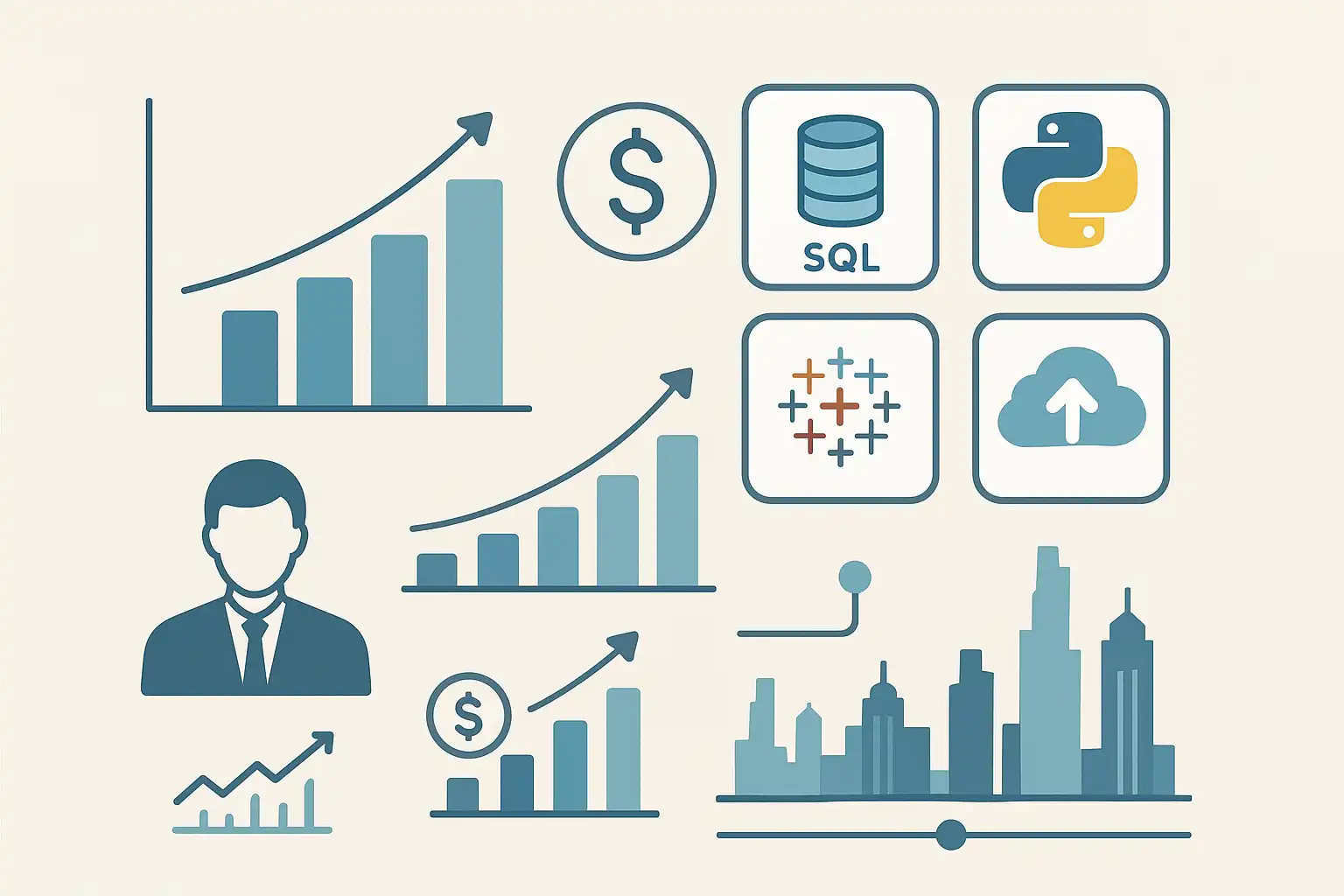
If you’re curious about the business intelligence analyst salary in finance, you’re not alone. Many professionals and newcomers want to know how much BI analysts make, what influences their pay, and which skills can boost their compensation in the finance sector. Let’s look at the numbers, the drivers behind the ranges, and how skill premiums can make a difference for those working in financial analytics.
What is the typical salary range for BI analysts in finance?
Business intelligence (BI) analysts in the finance industry enjoy competitive salaries compared to many other sectors. The typical base salary for an entry-level BI analyst in finance starts between $62,000 and $75,000 per year in the United States, with mid-level professionals often earning from $80,000 up to $105,000. For experienced BI analysts with specialized finance knowledge or advanced technical skills, compensation can climb above $120,000, especially in major cities or large financial institutions.
It’s important to note that base salary is only one part of the compensation package. Financial firms often offer performance bonuses, stock options, and other incentives that can add 10–30% or more to the total pay, depending on the organization and role.
Several well-known finance companies—such as JPMorgan Chase, Goldman Sachs, and Citigroup—regularly seek BI analysts to support their data-driven decision making. The sector’s focus on risk, compliance, and regulatory analytics makes BI roles especially valuable.

Which factors influence business intelligence analyst salary in finance?
Several important factors shape how much a BI analyst earns in the finance world. While education serves as a foundation, real impact comes from:
- Experience: Years of hands-on work directly improve earning power. Someone with three years in financial analytics can command much more than a recent graduate.
- Location: Cities like New York, San Francisco, and Chicago offer higher salaries due to living costs and concentration of financial institutions. For regional salary differences, it’s helpful to look at resources like BI analyst salary by state to see where pay is strongest.
- Company size and prestige: Larger, global firms usually pay more—sometimes significantly so—than small or regional banks.
- Technical skills: Analysts with expertise in data visualization tools (like Tableau), SQL, Python, and machine learning can expect higher offers.
- Certifications: Having industry-recognized credentials, such as a Certified Business Intelligence Professional (CBIP), often gives candidates an edge during hiring and salary negotiations.
Another key factor is the complexity of the role. BI analysts working on high-impact projects—such as fraud detection or regulatory compliance—typically earn more than those focused on standard reporting.
What are the skill premiums for BI analysts in finance?
Skill premiums refer to the extra compensation BI analysts can earn by bringing specialized or in-demand abilities to the table. In finance, where technology and regulation constantly evolve, firms are willing to pay more for talent who can deliver valuable insights quickly and securely.
Technical skills are the main driver for these premiums. For example, analysts who know predictive analytics, machine learning, or big data technologies (like Spark or Hadoop) are often paid 10–20% more than those with only basic Excel knowledge. Similarly, expertise in financial modeling, regulatory reporting, or risk analytics pushes salaries upward.
In some teams, business domain expertise can command as much of a premium as technical skills. For instance, BI analysts who understand credit risk, anti-money laundering (AML), or investment analytics can be rewarded for their ability to translate complex business needs into actionable data solutions.
Top skills with the highest pay impact
- Advanced SQL and database management
- Python and R for data analytics
- Data visualization with Tableau, Power BI, or Qlik
- Machine learning tools for financial prediction
- Experience with cloud platforms (AWS, Azure)
- Knowledge of risk, compliance, and regulations
For those with several years of experience and these skills, the next step often includes aiming for Senior BI analyst compensation levels, which are even higher and often come with substantial bonuses or leadership responsibilities.
How do certifications and education affect BI analyst pay?
While a bachelor’s degree in a relevant field (like computer science, finance, or statistics) is typically the minimum, many analysts invest in further education or certifications to set themselves apart. Earning a master’s degree, especially in data science or business analytics, can boost your earning potential by $10,000–$20,000 compared to peers with only undergraduate degrees.
Certifications signal up-to-date knowledge and dedication. Some of the most-valued certifications in finance BI roles are:
- Certified Business Intelligence Professional (CBIP)
- Microsoft Certified: Data Analyst Associate
- Tableau Desktop Specialist
- AWS Certified Data Analytics
Obtaining one or more of these credentials allows candidates to negotiate for higher starting salaries or quick raises. Many employers even reimburse certification costs or offer bonuses upon completion, reflecting the high value placed on ongoing learning in financial analytics.

What career paths and pay growth can BI analysts expect?
Starting as a BI analyst in finance provides a solid base for long-term career and salary growth. With two to three years of experience and strong performance, professionals can move into senior analyst roles. At this level, compensation and responsibility grow substantially.
It’s not uncommon for senior BI analysts at major banks or insurance companies to earn $130,000 or more, especially when factoring in profit-sharing, annual bonuses, and other incentives. For those interested in leadership, management, or data science, options include promotion to BI manager, analytics lead, or even data science roles.
If you want to explore other specializations, knowing how business intelligence engineer salary compares to BI analyst roles can help you plan your career strategically. Some professionals may pivot toward technical roles, while others move into project management or even strategic consulting as they gain expertise.
Is there regional variation in business intelligence analyst salary in finance?
Yes—regional pay differences can be significant. For example, BI analysts in New York City can earn 20–30% more than those in smaller cities, reflecting both the higher cost of living and the intense demand for financial analytics talent. Other financial hubs, like Boston or San Francisco, also offer lucrative pay, but competition is fierce.
For those open to relocation or remote roles, researching regional trends provides valuable insight. Comparing offers from different locations or checking tools such as Business intelligence analyst salary guides can help ensure negotiation is based on accurate, up-to-date numbers.
Job titles and progression
- Business Intelligence Analyst (entry to mid-level)
- Senior Business Intelligence Analyst
- BI Manager / Lead Analyst
- Business Intelligence Engineer or Architect
- Director of Analytics or Data Science
Each step up usually brings not just a boost in base salary, but also new forms of compensation—such as equity, long-term bonuses, or profit sharing—especially in larger finance organizations.
Your questions about business intelligence analyst salary in finance—answered
How much can an early-career BI analyst expect to earn in their first job?
Most new BI analysts in finance start between $62,000 and $75,000. Firms may offer signing bonuses or annual performance incentives in addition to base pay.
What’s the fastest way to increase pay as a BI analyst?
Investing in in-demand skills, gaining certifications, and focusing on complex financial projects are the most direct strategies for earning higher compensation.
Do BI analysts in finance need to code?
While not always required, knowing SQL, Python, or R makes an analyst much more valuable and likely to receive offers at the higher end of the pay scale.
Is salary growth steady for BI analysts in financial services?
Yes, especially for those who keep learning and move into senior or specialist roles. Financial institutions reward expertise, so ongoing education and skill development pay off.