How Cloud Data Engineering Providers Power Analytics for Modern Businesses
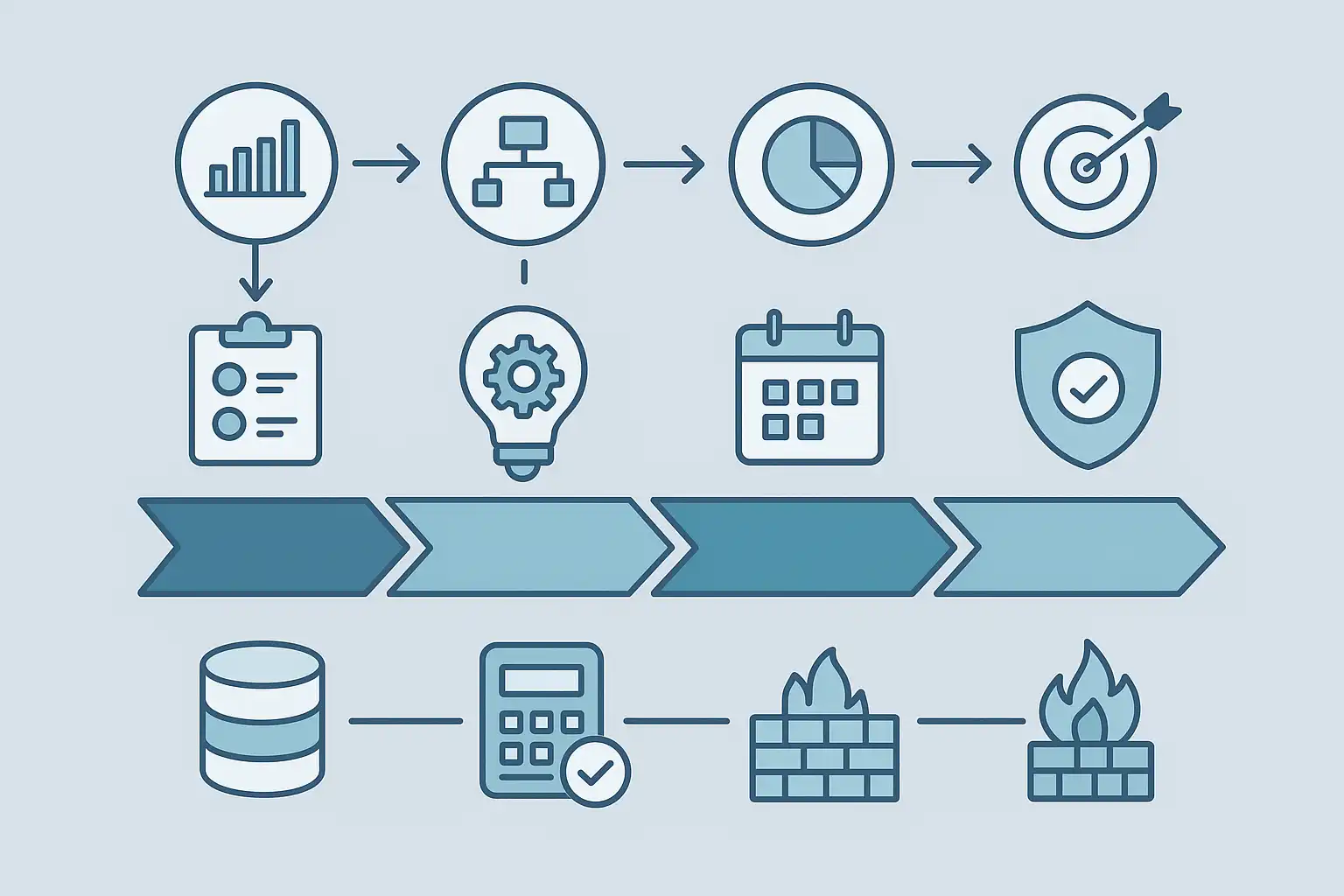
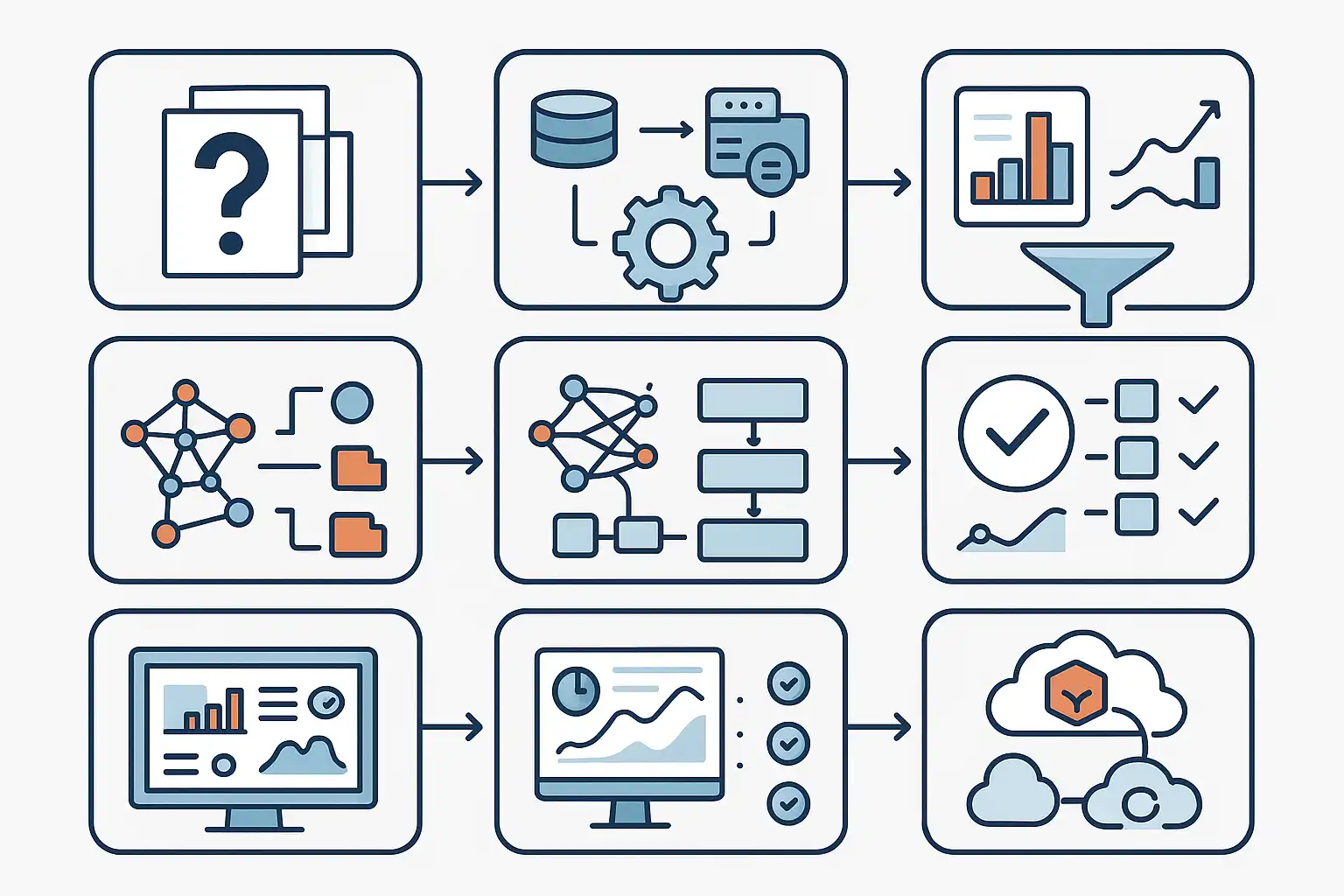
Cloud data engineering providers play a crucial role in enabling modern businesses to harness advanced analytics by managing data collection, transformation, storage, and orchestration in the cloud. They simplify complex technical processes, allowing organizations to focus on deriving actionable insights. Key features to look for include scalability, robust ETL and warehousing, semantic business intelligence, data governance, AI-driven analytics, multi-cloud support, automation, and strong security compliance. Integration with existing infrastructure is seamless through hybrid cloud environments, containerization, and plug-and-play connectors, ensuring smooth transitions without disrupting legacy systems. Cost benefits arise from pay-as-you-go models, elastic scaling, and reduced operational overhead, enabling businesses to scale analytics efficiently and innovate without heavy upfront investments. Leading providers like AWS, Microsoft Azure, Google Cloud, Snowflake, and Databricks offer diverse tools and multi-cloud capabilities tailored to various business needs. AI integration enhances data quality, predictive analytics, and security. To start, businesses should define analytics goals, assess current systems, pilot projects, and prioritize automation and training. Overcoming challenges such as data silos, legacy system integration, and compliance is easier with expert partners. Cloud data engineering is flexible, scalable, and accessible for businesses of all sizes, supporting both real-time and batch analytics for timely decision-making across industries.