
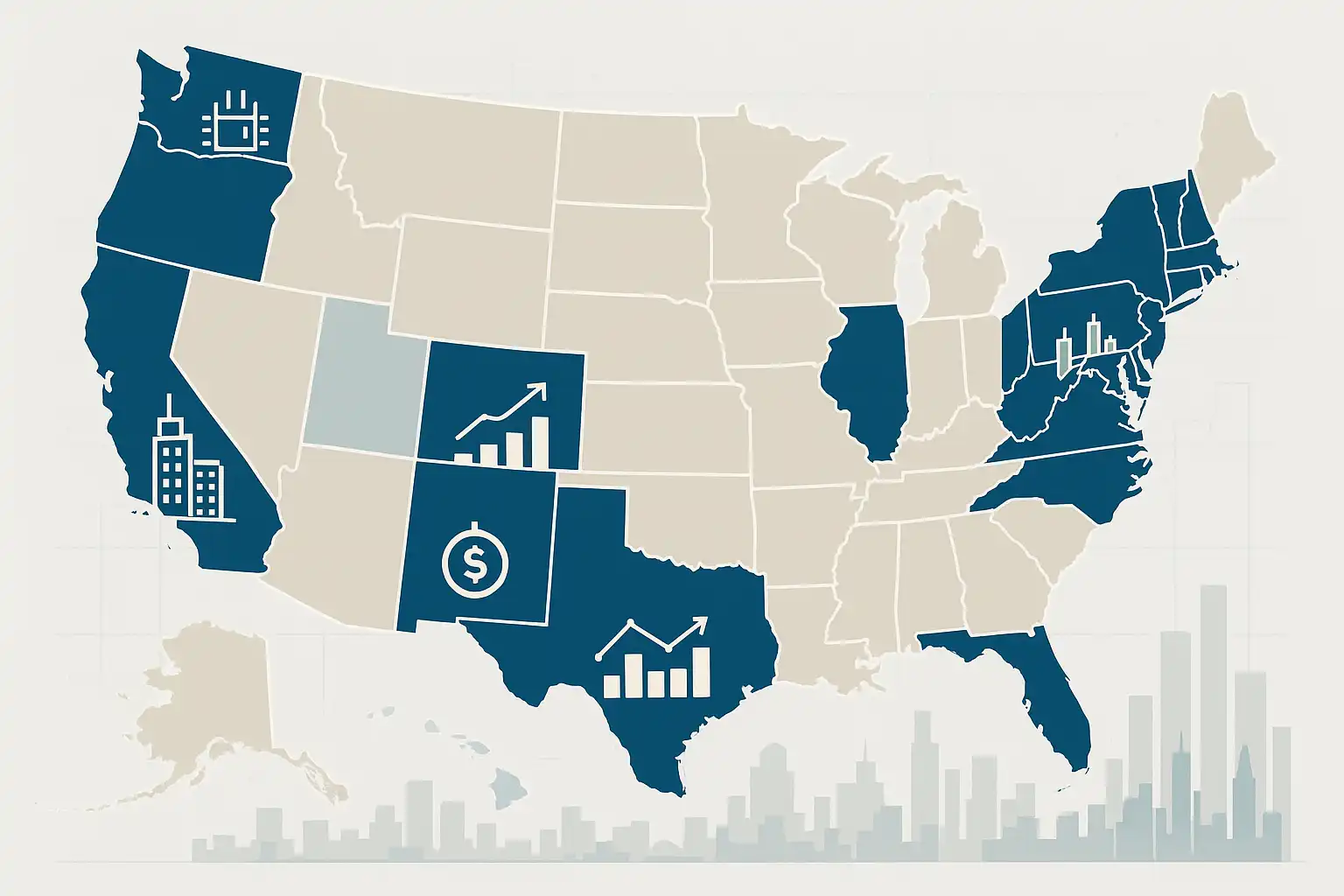
BI analyst salary by state: where the highest-paying markets are
If you are looking to understand the business intelligence analyst salary by state, you likely want to know where BI analysts are paid the most, how pay varies across the country, and what makes some locations more lucrative than others. In this guide, we’ll dive straight into real salary figures, explore what drives differences state to state, and answer some of the most common questions job seekers have about BI analyst compensation in the United States.
Where do BI analysts earn the highest salaries?
Right now, BI analysts can expect the highest average salaries in a handful of states, thanks mainly to thriving tech industries and intense employer demand. According to recent data, as of May 2024, the top five states for BI analyst pay are:
- California: $107,052 average annual salary
- New York: $105,549 average annual salary
- Washington: $104,098 average annual salary
- New Jersey: $102,505 average annual salary
- Texas: $101,952 average annual salary
These five states lead the nation not just in overall pay but often in career opportunities, industry variety, and access to large employer networks. The strong job market and competition for skilled BI professionals in these states have a big impact on local salary trends, often setting benchmarks for other regions. If you are considering a move for your BI career, these numbers provide a helpful starting point for comparing options.

What factors cause state-by-state salary differences in BI?
There are a few main contributors to why business intelligence analyst salary by state can vary significantly:
- Cost of Living: States with expensive cities (like California and New York) tend to offer higher pay to offset living costs.
- Industry Presence: Areas with a strong technology or finance presence usually pay more, due to demand for data-driven roles.
- Experience & Skills: Senior roles or specialized skill sets can command higher salaries in any state, but especially in competitive markets.
- Company Size: Large enterprises and tech firms may offer more generous compensation packages than smaller employers.
For example, while both New York and California offer top salaries, they also have some of the highest housing, transportation, and general living costs in the country. By contrast, Texas—though offering a lower cost of living—still ranks in the top five for BI analyst salaries, which can give you more purchasing power if you choose to work there.
Is cost of living always a key factor in BI analyst salary?
Cost of living is one of the biggest reasons salaries differ from state to state. In high-cost areas like San Francisco, Seattle, or Manhattan, companies must pay more to attract and keep skilled BI analysts. However, there are exceptions. For example, Texas stands out because its cities like Austin and Dallas offer both competitive BI analyst pay and a lower-than-average cost of living. Similarly, places like North Carolina and Georgia offer respectable salaries while letting analysts enjoy lower expenses for housing and everyday needs. This makes them attractive options for professionals seeking both good pay and a better quality of life.
Does salary always equal better take-home pay?
Not necessarily. While a higher business intelligence analyst salary by state may look appealing, you need to balance your potential earnings against local living expenses. States with higher salaries may also mean higher income taxes, pricier homes, and costlier daily expenses. It’s wise to calculate what your real take-home pay would be after taxes and typical expenses in any state you are considering.
Which states pay less, and is it always a disadvantage?
States with smaller tech industries, smaller urban centers, or lower costs of living tend to report lower BI analyst wages. For example, states in the Midwest or South may offer lower average salaries than coastal tech hubs. However, these regions often have lower costs for housing, food, and transportation, which can stretch your income further. As you plan your next career move, think not only about base salary, but also about your life outside of work and how comfortable you can be on that income.
What are typical job requirements for higher BI analyst pay?
Most higher-paying roles call for strong technical skills. Employers value experience with business intelligence tools (like Power BI, Tableau, or Looker), advanced SQL or Python knowledge, and familiarity with cloud data platforms. If you have experience in data visualization, predictive analytics, or machine learning, you’re more likely to attract offers from higher-paying employers. For those aiming at the next level, looking into Senior BI analyst compensation trends can help you understand what further skills or certifications you might need.
How can you compare BI analyst salaries across states?
It’s smart to take a broad look when comparing salaries. One way to do this is by using salary comparison tables, which put state averages side by side. Here’s a simplified table to visualize the differences among top-paying and midrange states:
| State | Average Salary | Cost of Living Index |
|---|---|---|
| California | $107,052 | High |
| New York | $105,549 | Very High |
| Washington | $104,098 | High |
| New Jersey | $102,505 | High |
| Texas | $101,952 | Moderate |
| North Carolina | $92,700 | Lower |
| Georgia | $90,200 | Lower |
While the highest paying states are easy to spot, you can also use resources to compare roles. For example, looking at business intelligence engineer salary differences can help you see how job titles and related roles impact pay by region.
How do BI analyst opportunities differ by industry and region?
Major differences in BI analyst salary by state are often tied to the dominant industries in each area. States with strong tech, healthcare, or finance sectors tend to pay the most. While there isn’t always public data on which specific industries offer the most, large employers in technology and financial services frequently lead the way, especially in states like California, New York, and Washington. For those seeking sustainable salaries and advancement, researching companies and industries locally is a helpful strategy.
It’s also worth exploring broader Business intelligence analyst salary trends, which show how demand, upskilling, and employer preference are changing across the country.
How can you increase your earning potential as a BI analyst?
To boost your salary, focus on gaining advanced technical skills, certifications (like Microsoft Power BI or Tableau certification), and experience with cloud technologies. Many analysts find that building expertise and moving into related fields, such as Business Intelligence Engineer roles, opens new earning opportunities. Networking, attending conferences, and staying updated with trends in data analytics can also help you land better-paying roles in competitive states.

Your BI analyst salary by state Q&A: what people want to know
Do remote BI analyst jobs pay the same as on-site positions?
Remote roles are increasingly common and can offer competitive pay, but employers may adjust salaries based on your home state’s market rates. Some companies pay based on their headquarters’ location, while others tailor offers to the candidate’s local cost of living.
Are big city salaries always worth it?
High pay in large cities often comes with high living costs. Salary offers in places like San Francisco or New York can be much higher, but these may not translate to better savings or life quality after factoring in rent, taxes, and expenses.
What’s the best way to negotiate a BI analyst salary?
Do your research on business intelligence analyst salary by state, consider total compensation (including bonuses and benefits), and highlight your technical and industry experience. Being informed about market trends helps you make a strong case during negotiations.
Which credentials help BI analysts earn more?
Certifications in Power BI, Tableau, or related data tools, along with practical experience in SQL, Python, or cloud data management, can help you stand out and command higher pay in most states.