
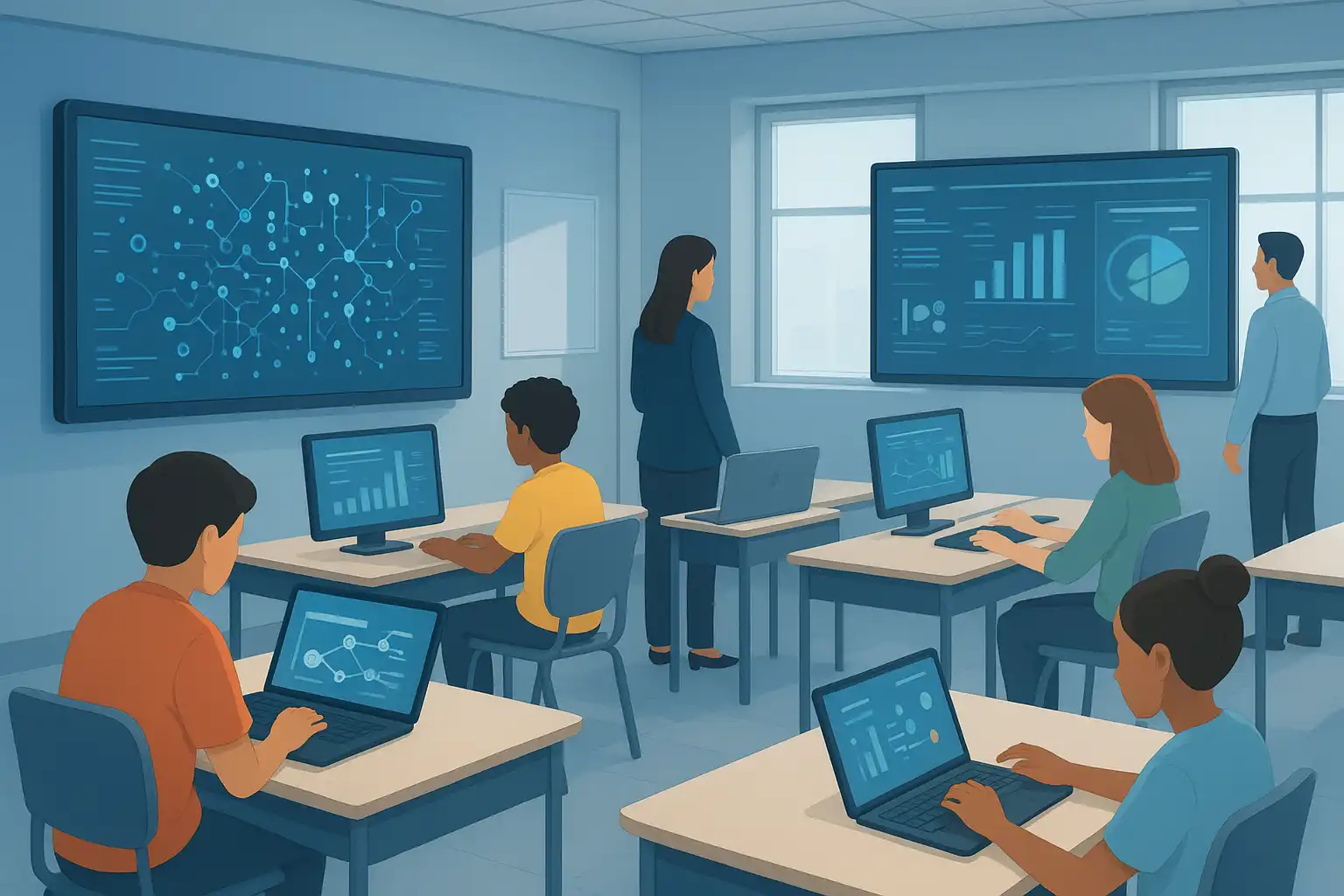
Personalized Learning Machine Learning Use Cases: Unlocking Student Potential
Personalized learning machine learning is transforming how students learn, teachers teach, and education evolves. The core idea is simple: every learner is unique, with different needs, skills, and learning speeds. Machine learning, or ML, helps educational platforms tailor lessons, feedback, and resources to fit each person. This approach is not just theory. Schools, universities, and companies are already using these systems to boost engagement, reduce frustration, and help everyone reach their full learning potential. In this article, you’ll discover exactly how personalized learning machine learning works, where it’s making a difference, and what it means for students, teachers, and education as a whole.
How does machine learning personalize education for different learners?
Imagine a classroom where every student gets a lesson plan designed just for them. With machine learning, this is possible. ML algorithms analyze student data—like quiz scores, homework patterns, and even how long it takes to answer each question. By studying this data, systems spot trends and predict where a learner might struggle. Then, they adjust the content, pace, and difficulty of lessons individually. This means a student who learns math quickly isn’t held back, while another who finds reading tough gets extra support. Instead of a one-size-fits-all model, each student follows their own path, guided by smart technology.
This process relies on several key steps:
- Data collection: Learning platforms collect information as students interact with exercises, videos, and quizzes.
- Pattern detection: Algorithms identify what topics or skills need more practice for each student.
- Content adjustment: Lessons are adapted in real time, reinforcing weak areas and moving faster through mastered skills.
- Feedback and tracking: The system gives immediate feedback, helping students understand mistakes and progress.
For instance, adaptive learning systems in classrooms use ML to make these adjustments seamless. The result is a classroom where technology supports teachers and empowers students at every step.
What are the main use cases of personalized learning machine learning in education?
Today, personalized learning machine learning is used in many ways across schools, universities, and online learning platforms. Here are some important use cases:
- Adaptive learning systems: These platforms, like DreamBox or Knewton, change lessons on the fly based on individual student performance. If a student keeps missing a math concept, the software gives more practice and simpler examples.
- Intelligent tutoring systems (ITS): These are computer programs that act like personal tutors, providing hints, explanations, and support. Carnegie Learning and ALEKS are two popular examples.
- Predictive analytics for student performance: ML models forecast which students might fall behind or drop out, helping teachers intervene early. This supports better outcomes and reduces frustration for students who feel lost.
- Personalized recommendations: Just like Netflix suggests movies, learning platforms suggest articles, videos, or practice problems matched to each learner’s interests and needs.
- Real-time assessment and feedback: As students work, the system provides instant feedback, helping them correct mistakes and build confidence.
- Support for learners with special needs: Adaptive technologies adjust content for students with disabilities, such as dyslexia-friendly fonts or speech-to-text tools.
- Curriculum planning for teachers: ML helps educators design lessons that match class strengths and weaknesses, saving time and improving results.
For example, when schools use AI-driven personalized education tools, teachers gain insights that help them tailor instruction for the whole class or each individual. This leads to a more engaging and motivating environment for everyone involved.
Adaptive Learning Systems: How Do They Work?
An adaptive learning system uses machine learning algorithms to monitor students’ progress in real time. As students answer questions or complete activities, the system adjusts the difficulty, provides hints, or suggests extra practice. Some platforms even change the order of topics to better match a student’s learning pace. This continuous feedback loop keeps learners challenged but not overwhelmed. By tracking each student’s growth, these systems support both fast learners and those who need more time.
Intelligent Tutoring Systems for Deeper Engagement
Intelligent tutoring systems are like having a personal assistant who is always ready to help. They use AI to “tutor” students, asking questions, providing feedback, and offering encouragement. For instance, if a student gets stuck on a math problem, an ITS can break down each step or offer hints. These systems learn from every student interaction, getting better at predicting what support is needed. As a result, engagement increases, and learners feel more confident tackling new challenges.

Which machine learning algorithms are often used in personalized learning?
While the details can be technical, the main idea is that machine learning depends on algorithms—sets of instructions a computer follows to learn from data. In education, common types include:
- Classification algorithms: These group students based on learning styles or needs. For example, a system might sort students into “needs help with fractions” or “excels at reading.”
- Recommendation systems: Much like how Amazon suggests products, these ML algorithms recommend lessons or exercises suited to each learner.
- Regression models: Useful for predicting outcomes, like estimating how likely a student is to pass a course.
- Clustering algorithms: These find patterns in large groups, such as students with similar learning gaps or strengths.
Most adaptive learning platforms rely on a blend of these approaches. The goal is always to turn data about student behavior into actionable changes that improve the learning experience.
How can personalized learning machine learning improve student outcomes?
Personalized learning has a powerful impact on student success. Here are some of the main benefits:
- Increased engagement: Lessons matched to interests and challenges keep learners motivated and curious.
- Targeted support: Immediate feedback and customized practice strengthen weak skills without wasting time on what’s already mastered.
- Reduced frustration and anxiety: Students learn at their own pace, lowering stress and raising confidence.
- Greater independence: Self-directed pathways give students more control over their learning journey.
- Better outcomes for all learners: Adaptive systems support students with disabilities or language barriers, creating an inclusive environment.
- Teacher empowerment: Educators gain new tools and insights, allowing for early intervention and smarter lesson planning.
Research shows that machine learning personalized learning in education leads to improved grades, higher course completion rates, and more positive attitudes toward school. For example, students using intelligent tutoring systems for student engagement often show dramatic growth in tricky subjects like math or reading, where they might have struggled in traditional classrooms.
Supporting Learners with Special Needs
One of the most exciting areas is using AI-driven personalized education tools for students with special needs. Speech recognition, text-to-speech, and adaptive interfaces can support learners who have trouble reading, writing, or speaking. These tools help bridge the gap, allowing every student to learn and participate fully. In some cases, students who once needed a lot of teacher help can now work more independently, gaining confidence with every step.
Data Privacy and Ethical Considerations
While the benefits are real, it’s important to handle student data responsibly. Schools and platforms must follow strict privacy rules, keeping information secure and sharing it only with consent. Many countries have laws for this, and trustworthy platforms make privacy a top priority. Always check that an educational tool uses data just to improve learning, not for unrelated reasons.

What are the challenges and limitations of using machine learning in personalized learning?
Even with all its promise, personalized learning machine learning faces some obstacles. Here are a few challenges:
- Data quality: If the collected information is incomplete or inaccurate, algorithms can make poor recommendations.
- Access to technology: Not all schools or families have the devices or internet access needed for advanced learning platforms.
- Teacher training: Educators need support and training to use new tools effectively.
- Bias in algorithms: If ML systems are trained on biased data, they can unfairly favor or disadvantage certain groups of students.
- Privacy concerns: Managing and securing personal student data is a serious responsibility.
Solving these problems requires teamwork between teachers, parents, policymakers, and technology providers. Many schools partner with a Machine Learning Service Provider to help roll out these solutions in a safe and ethical way. This ensures the technology is reliable and accessible for everyone involved.
Balancing Technology and Human Touch
Another key point is remembering that machine learning is a tool—not a replacement for teachers. The best results happen when technology supports, but does not replace, the expertise and empathy of educators. Personal relationships, encouragement, and inspiration from teachers remain critical, especially in complex or sensitive learning situations.
Can machine learning personalize learning outside traditional classrooms?
Yes! Personalized learning machine learning is not limited to schools. Many companies use these tools to teach employees new skills, from coding to customer service. Online platforms like Coursera and Khan Academy use adaptive learning systems in classrooms and beyond. They offer custom recommendations, quizzes, and feedback—so people can learn anywhere, anytime, at their own speed.
Here are some real-world applications:
- Corporate training: Businesses use ML to assess employee skills and suggest tailored courses, helping workers stay up to date with industry changes.
- Professional development: Platforms recommend learning paths for certifications, promotions, or new job roles.
- Language learning: Apps like Duolingo adapt lessons to a user’s strengths and weaknesses, speeding up progress.
- Test preparation: Adaptive tools help students focus on weak areas when studying for exams like the SAT, GRE, or language tests.
Supporting Lifelong Learning
Personalized learning through ML isn’t just for kids. Adults use these tools to learn new skills or hobbies, pivot careers, or simply stay sharp. The growing availability of AI-driven platforms means everyone, regardless of age or background, can have personalized, effective learning experiences right from their devices. In fact, if you’re starting a data science journey, you can quickly build ML model and see how these systems work behind the scenes.
What does the future hold for personalized learning powered by machine learning?
The future of personalized learning machine learning is bright. As technology gets smarter and more accessible, we can expect even greater benefits and more creative applications. Some trends on the horizon include:
- Deeper personalization: Systems will use more data (with consent) to create even more accurate learning profiles and recommendations.
- Improved natural language processing: AI will better understand student questions, writing, and conversations, leading to richer feedback and support.
- More immersive environments: Virtual reality (VR) and augmented reality (AR) will combine with ML to create hands-on, engaging learning experiences.
- Cross-platform integration: Learning won’t be limited to one app or device—students will have connected experiences across home, school, and work.
- Greater inclusion: As costs drop and access improves, more students worldwide will benefit from adaptive learning technologies.
Ultimately, the hope is that personalized learning will help close achievement gaps, empower teachers, and make education more fair and inspiring for everyone. Educational leaders are already working with teams offering Machine Learning Project Help to design new programs that use these advances. With the right planning and partnerships, every learner can have the support and challenge they need to succeed.
Preparing for the Next Generation of Learning
As we look ahead, it’s important to keep asking: How can technology help teachers and students, rather than replace them? How do we make sure every student, no matter where they live, can benefit from these technologies? Answering these questions will shape the next wave of progress in education.
FAQs on Personalized Learning Machine Learning
How is machine learning transforming personalized learning experiences in education?
Machine learning is revolutionizing personalized learning by enabling technologies that adapt educational content to each student’s needs, preferences, and learning pace. By analyzing large amounts of data from student performance and behavior, these systems create unique learning journeys, give instant feedback, and focus on areas that need improvement. This approach boosts engagement, reduces frustration, and helps students, especially those with special needs, become more confident. Tools like intelligent tutoring systems watch progress in real time and adjust lessons, helping students learn independently and achieve better results. Overall, machine learning moves education away from one-size-fits-all models toward more inclusive, effective learning for everyone.
What types of machine learning algorithms are most effective for personalized learning?
There are several types, but the most common include classification algorithms (to group students by learning needs), recommendation systems (to suggest lessons or activities), regression models (to predict outcomes like test scores), and clustering algorithms (to find patterns across many learners). Modern personalized learning systems often combine these approaches. The aim is to support adaptive curricula, provide targeted feedback, track progress, and make ongoing adjustments that help each student succeed.
In what ways can personalized learning machine learning improve student outcomes?
This approach improves outcomes by tailoring content to each learner’s style, speed, and interests. Students get instant feedback and real-time monitoring, which helps them focus on areas for growth and gain mastery faster. Machine learning also supports students with special needs, giving them resources and adjustments traditional teaching might not provide. Teachers benefit too, using insights from data to plan lessons and step in when needed. All of this leads to better grades, more confidence, and a more inclusive environment for learning.
Are there privacy concerns with using machine learning in education?
Yes, privacy is a key concern. Schools and technology providers must follow strict rules to keep student data safe and confidential. Most reputable platforms encrypt data, use secure servers, and limit access. Always check that the educational tool or platform you’re using is transparent about how it collects and uses data. Protecting sensitive information is important for building trust in personalized learning solutions.