banner

Should you learn data analytics or data science first?

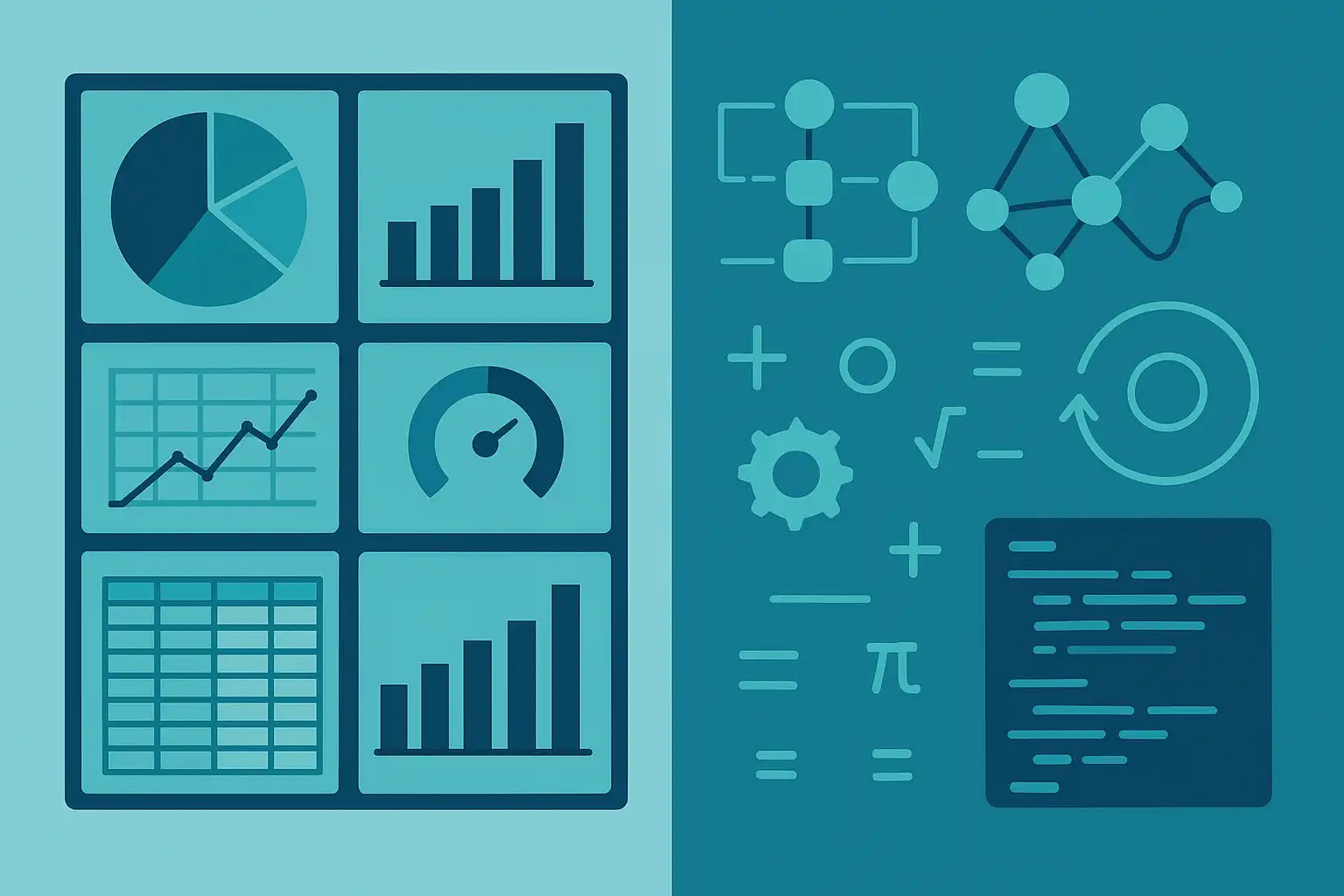
Choosing between data analytics and data science depends on your background and career goals. Beginners should start with data analytics, which focuses on examining existing data to identify trends and insights using tools like Excel, SQL, and Tableau. It requires less complex math and coding, making it an accessible entry point that builds a strong foundation for transitioning into data science. Data science encompasses analytics but adds advanced skills like programming (Python, R), machine learning, predictive modeling, and handling big data with technologies such as Hadoop and Spark. While data science offers broader and more senior career opportunities, it demands stronger technical expertise and a steeper learning curve. Key skills for analytics include data visualization, SQL, and basic statistics, whereas data science requires advanced math, programming, and experience with machine learning frameworks. Many professionals start in analytics and progress to data science by gradually acquiring programming and statistical skills. Ultimately, your choice should align with your interests—whether solving business problems or developing AI-driven solutions—and your readiness for technical challenges. Continuous learning and practical experience are essential for success in both fields. Starting with data analytics provides a practical, career-friendly path with ample job opportunities and a smoother progression into data science roles.

Data analytics vs data engineering: choosing roles for your org

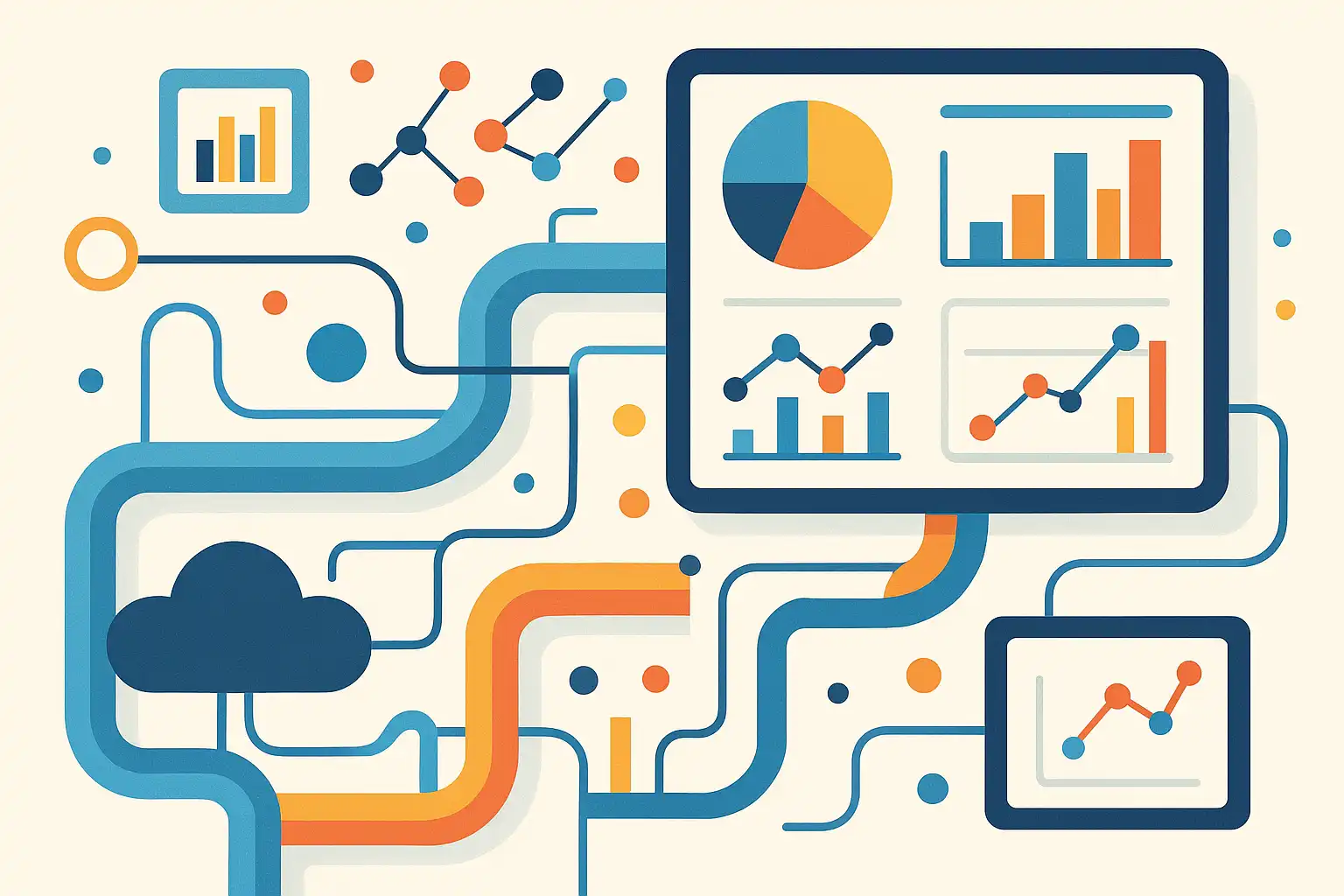
Data analytics and data engineering play complementary but distinct roles in building a data-driven organization. Data engineers focus on designing, building, and maintaining scalable data infrastructures and pipelines, ensuring data quality, accessibility, and integration. They use tools like Hadoop, Spark, and cloud platforms to manage big data and ETL processes. Data analysts, on the other hand, transform this clean, reliable data into actionable insights through analysis, visualization, and reporting, using tools such as Python, SQL, Power BI, and Tableau. Hiring priorities depend on your organization’s data maturity: early-stage companies should invest in data engineering to establish a solid data foundation, while mature organizations with stable pipelines benefit more from analysts who extract business value from data. Successful teams promote collaboration between both roles, recognizing their interdependence. Industries like retail, healthcare, and manufacturing leverage these roles to optimize operations and gain competitive advantages. As data demands grow with AI, IoT, and cloud technologies, these roles will become more specialized. Avoid common pitfalls by balancing investments—ensure robust data infrastructure before expanding analytics capabilities. Measuring success involves tracking data reliability and integration for engineers, and actionable business impact for analysts. Building the right mix of data engineering and analytics talent is key to driving informed decisions and long-term business growth.

Data analytics vs statistics: how methods and goals differ

Data analytics and statistics both extract insights from data but differ in methods and goals. Data analytics emphasizes rapid exploration of large datasets to identify trends, patterns, and actionable business insights, focusing on questions like “What’s happening?” and “What will happen next?” In contrast, statistics applies scientific rigor to validate these findings through hypothesis testing, confidence intervals, and experimental design, ensuring results are reliable and not due to chance. Analytics uses modern computing tools such as machine learning and data visualization for quick decision-making, while statistics relies on mathematical models to confirm significance and avoid errors like confusing correlation with causation. In practice, analytics helps organizations respond swiftly to market changes, while statistics provides depth and certainty, crucial for high-stakes decisions in healthcare, finance, and research. Teams often collaborate, with analysts generating hypotheses and statisticians validating them, combining speed with accuracy. Choosing between the two depends on organizational needs, but integrating both enhances decision-making quality and business agility. Tools range from Tableau and Python in analytics to SPSS and Stata in statistics. Ultimately, the synergy of data analytics and statistics empowers businesses to innovate confidently and stay competitive.

A practical data analytics lifecycle for teams building repeatable reporting

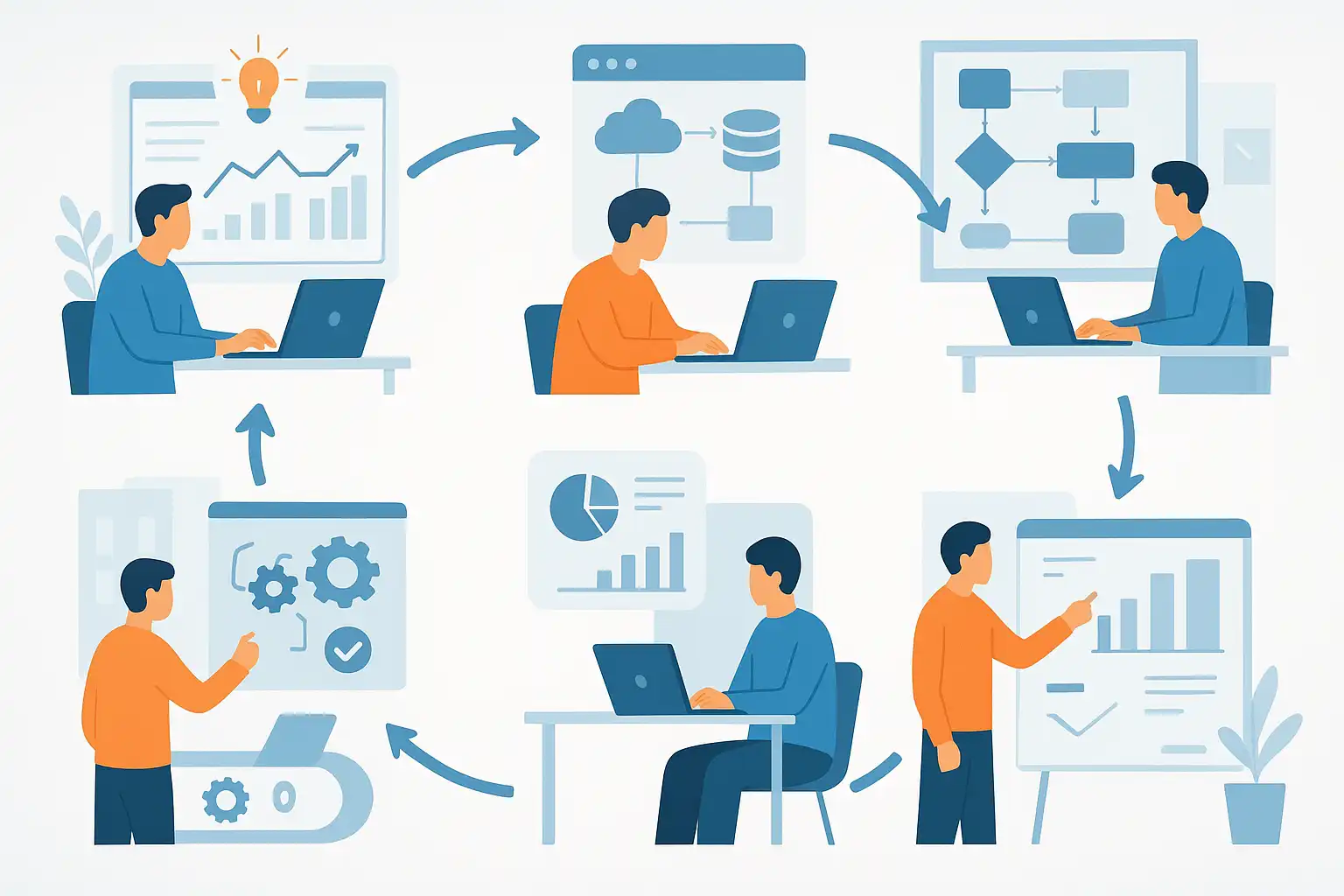
A practical data analytics lifecycle is vital for teams aiming to build accurate, reliable, and repeatable reports that support data-driven decisions. This lifecycle consists of six key stages: discovering the problem, preparing data, planning the model, building the model, communicating results, and operationalizing the process. Each phase ensures clarity, reduces errors, and enhances collaboration by standardizing workflows and automating repetitive tasks. Utilizing collaborative tools like version control, automated pipelines, and visualization software streamlines teamwork and improves report quality. To maintain accuracy and consistency, teams should define clear objectives, perform rigorous data quality checks, standardize processes, continuously validate models, communicate effectively, and monitor deployed models regularly. Automation and comprehensive documentation further boost efficiency and reliability. Regular reviews and updates of the lifecycle ensure alignment with evolving business needs. Essential roles include data analysts, data engineers, and business stakeholders, all working together for meaningful insights. This structured approach benefits teams of all sizes by fostering consistent, scalable, and high-quality reporting, ultimately saving time and enhancing decision-making capabilities.

Types of data analytics and when each one fits

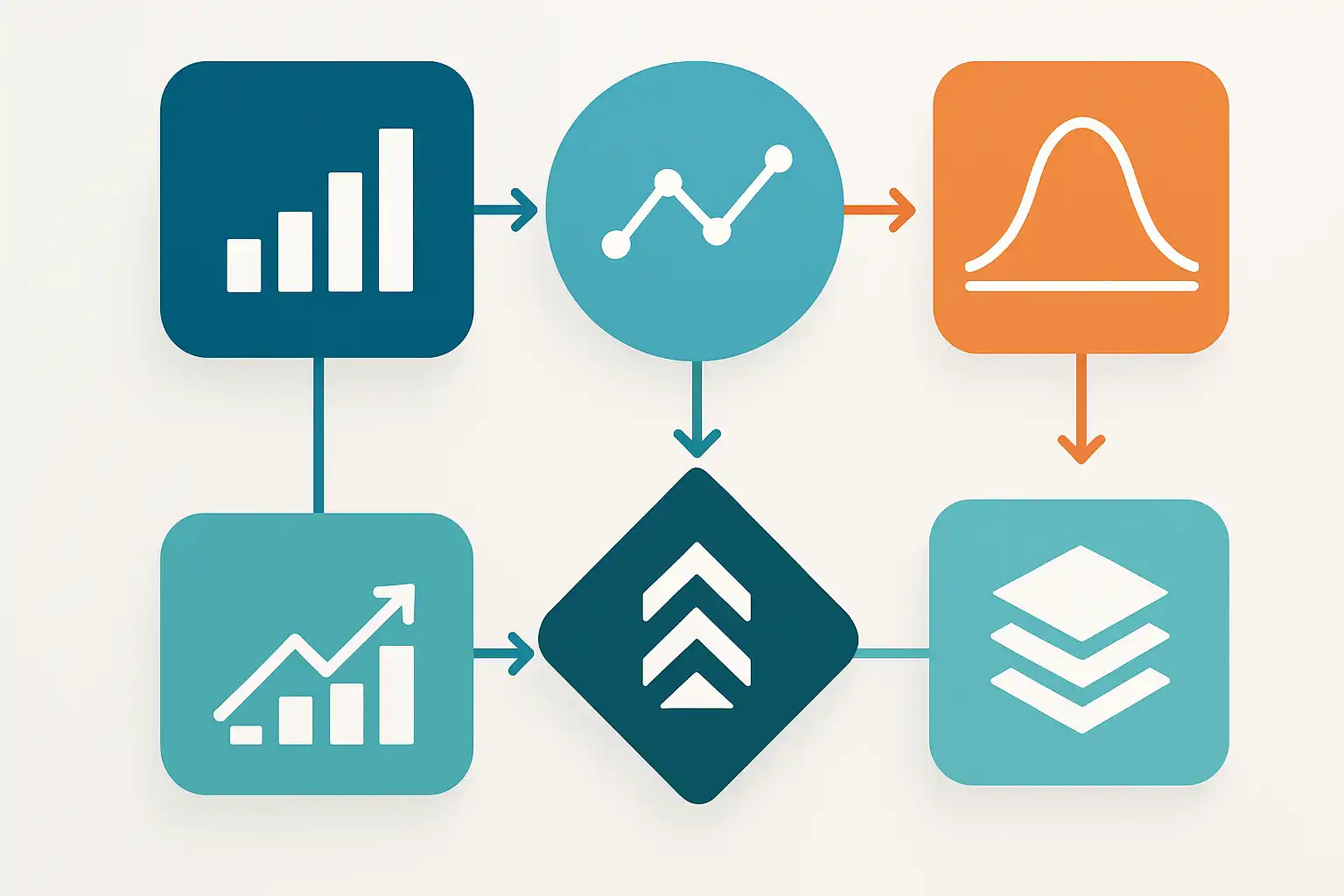
This guide explains the four key types of data analytics—descriptive, diagnostic, predictive, and prescriptive—and their roles in enhancing business decisions. Descriptive analytics summarizes historical data to reveal what happened, using reports and dashboards. Diagnostic analytics investigates why events occurred, employing statistical tests to identify causes. Predictive analytics forecasts future outcomes through models like machine learning, aiding in planning and risk management. Prescriptive analytics recommends optimal actions based on predictions, using optimization and simulations. Businesses often combine these analytics sequentially to gain comprehensive insights, starting from understanding past trends to making data-driven decisions. Each type has distinct tools and benefits: descriptive analytics is quick and simple; diagnostic uncovers root causes; predictive supports forecasting but requires quality data; prescriptive offers actionable advice but demands expertise. Companies should select analytics methods based on their goals, data readiness, and resources, starting simple and scaling complexity as needed. Key considerations include data quality, privacy, clear communication, and ongoing maintenance. Both small and large businesses can leverage these analytics types to improve performance, optimize operations, and drive growth by aligning analytics strategies with their specific needs and capabilities.

The data analytics process from raw data to decisions

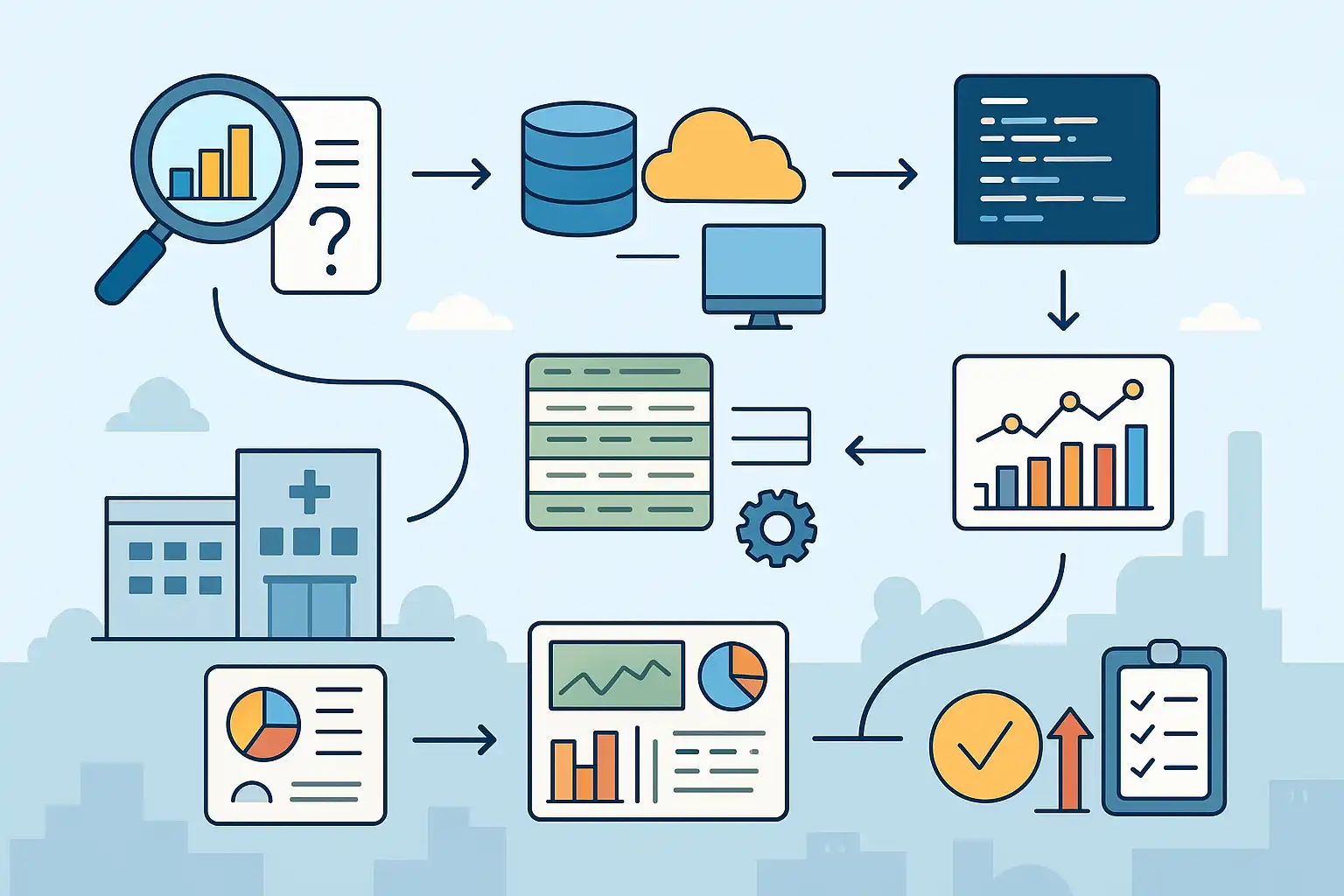
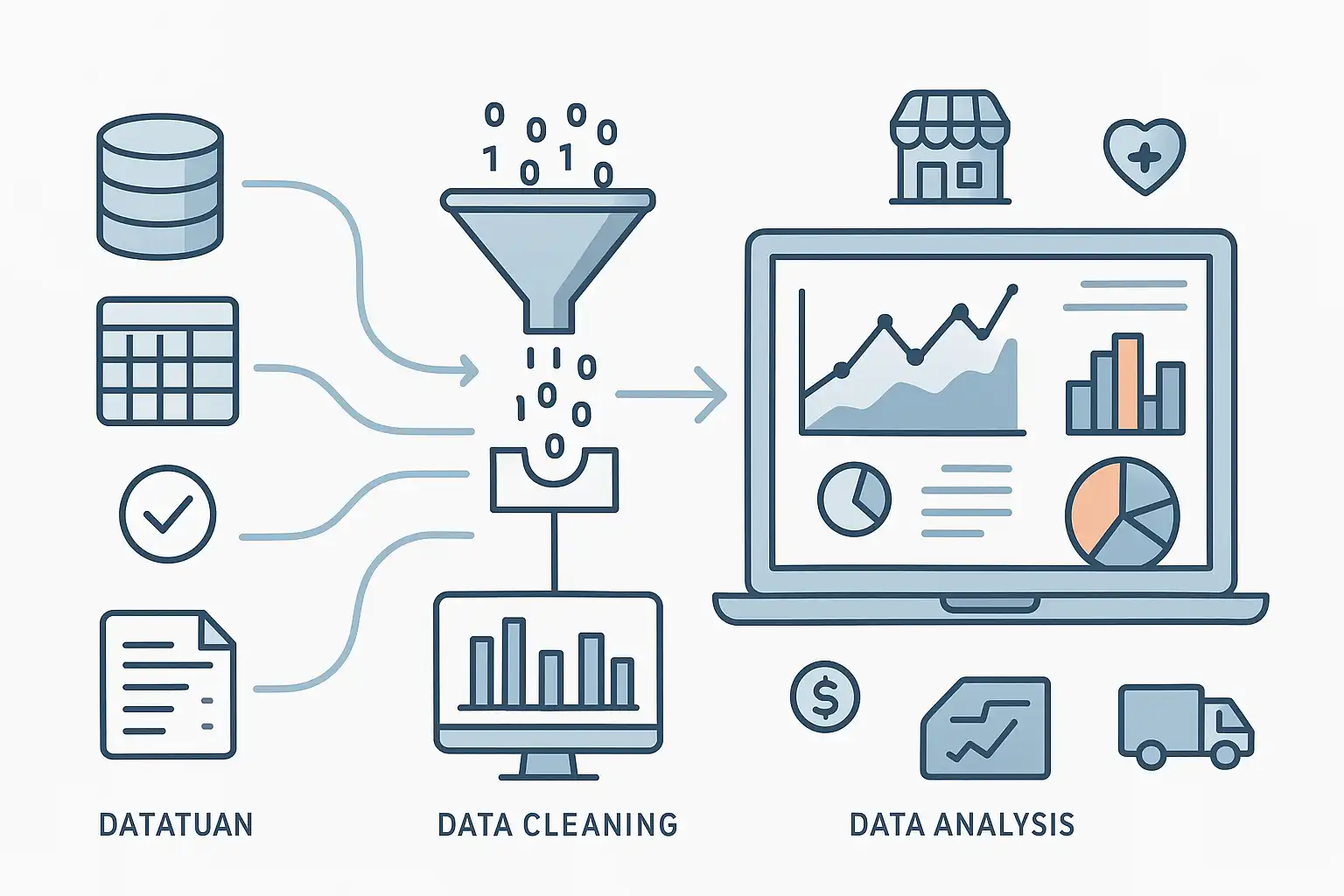
The data analytics process transforms raw data into actionable business decisions through six key steps: defining the problem, collecting data, cleaning and preparing data, analyzing, visualizing results, and interpreting findings for decision-making. Defining a clear problem guides the entire process, while thorough data collection and meticulous cleaning ensure accuracy and reliability. Data analysis uncovers trends and insights, which are then communicated effectively through visualizations like charts and dashboards. This enables stakeholders to make informed decisions and monitor outcomes, creating a feedback loop for continuous improvement. Common challenges include data accessibility, quality issues, siloed teams, and complex analysis, which can be overcome with user-friendly tools, training, and collaboration. The process applies across industries such as retail, healthcare, finance, manufacturing, and small businesses, each tailoring tools and goals to their needs. Best practices emphasize consistent data cleaning using tools like Python or R and clear visualization to simplify complex insights. Ultimately, this structured approach empowers organizations of all sizes to leverage data effectively, turning information into strategic actions that drive growth and efficiency.

What is data analytics and what questions can it answer?

Data analytics is the process of examining raw data to uncover patterns, draw conclusions, and support informed decision-making across various fields like business, healthcare, finance, and more. The main steps include defining the problem, collecting and cleaning data, analyzing it, visualizing results, and interpreting findings to guide actions. Clean data is crucial for accuracy, preventing misleading outcomes and enhancing trust in insights. Data analytics answers descriptive (what happened), predictive (what will happen), and prescriptive (what should be done) questions, helping organizations optimize operations, understand customers, manage risks, and innovate. Tools range from spreadsheets and statistical software to advanced machine learning libraries and business intelligence platforms. Visualization simplifies complex data, making insights accessible to diverse audiences. Despite challenges like data quality, integration, skill gaps, and privacy concerns, starting small and using accessible tools can help any organization, including small businesses, benefit from analytics. Beginners can learn data analytics through online courses, tutorials, and hands-on practice. Ultimately, data analytics transforms data into actionable knowledge, enabling smarter strategies and improved outcomes across industries.

Data analytics explained in plain English for business leaders

Data analytics enables business leaders to transform raw data into actionable insights for smarter decision-making. By examining patterns in sales, customer behavior, and market trends, leaders can identify growth opportunities, optimize operations, and manage risks effectively. The data analytics process involves defining clear goals, collecting and cleaning relevant data, analyzing it using various techniques like predictive modeling and data visualization, interpreting results, and taking informed actions. Key types include descriptive, diagnostic, predictive, and prescriptive analytics, each serving different decision-making needs. Tools range from spreadsheets and BI platforms to advanced AI and cloud services, making data accessible for businesses of all sizes. Despite challenges such as data quality and skill gaps, starting small and building a data-driven culture helps overcome obstacles. Future trends highlight increasing automation, AI integration, and growing importance of data literacy for leaders. Ultimately, embracing data analytics fosters objective, evidence-based strategies that boost efficiency, innovation, and competitive advantage across industries.

Understanding BI analyst compensation packages beyond base salary

Business Intelligence (BI) analyst compensation extends well beyond base salary, encompassing bonuses, benefits, and stock options that together form a comprehensive rewards package. Key components include annual performance bonuses, short- and long-term incentives like stock options or RSUs, and benefits such as health insurance, retirement plans, paid time off, and professional development support. Bonuses can add 10-40% or more to base pay, especially in high-growth sectors like tech, finance, and healthcare. Stock options align analysts’ interests with company success, offering significant long-term value. Compensation varies by employer size, industry, and location, with higher packages common in major tech and financial hubs due to cost of living and demand. When evaluating offers, candidates should assess bonus structures, benefits coverage, stock vesting, paid leave, and growth opportunities. Flexibility, including remote work, increasingly factors into total compensation. Negotiation is typical and can improve salary or bonus terms. Benefits often add 20-35% to base pay, making them a crucial consideration. Understanding the full mix of salary, incentives, benefits, and career progression prospects ensures a well-rounded evaluation of BI analyst compensation packages.

BI analyst compensation in finance: ranges and skill premiums

Business Intelligence (BI) analysts in finance earn competitive salaries, typically ranging from $62,000–$75,000 for entry-level to over $120,000 for experienced professionals, especially in major financial hubs like New York and San Francisco. Compensation includes base salary plus bonuses, stock options, and incentives. Key factors influencing pay are experience, location, company prestige, technical skills (e.g., SQL, Python, machine learning), and certifications such as CBIP or Tableau Specialist. Specialized skills in predictive analytics, risk compliance, and financial modeling can increase salaries by 10–20%. Advanced education, including master’s degrees in data science or analytics, further boosts earning potential by $10,000–$20,000. Career progression leads from BI analyst roles to senior, managerial, or data science positions, with senior analysts earning $130,000+ including bonuses. Regional salary variation is significant, with top financial centers offering the highest pay. BI analysts who continuously upskill and gain certifications enjoy steady salary growth and greater opportunities. Mastery of coding and advanced analytics tools is increasingly essential for higher compensation in financial analytics roles.