banner

Data Visualization Partnership to Tell Your Data Story

A data visualization partnership transforms complex data into clear, engaging stories that drive informed decision-making. By collaborating with experts—designers, analysts, or agencies—businesses turn raw data into meaningful visuals that highlight key insights and trends. This partnership bridges the gap between technical data and diverse audiences, enhancing clarity, focus, and actionable understanding. Choosing the right partner involves assessing their data reliability, narrative skills, purposeful visualization, audience awareness, and simplicity. Collaboration improves data interpretation by translating complexity into memorable, context-rich stories that build trust and align teams. Popular tools like Tableau, Power BI, and Google Data Studio support these efforts, with expertise in the chosen platform ensuring polished results. Best practices include defining clear goals, involving stakeholders, prioritizing data quality, selecting appropriate visuals, iterative design, and ensuring accessibility. Partnerships can be internal teams, external agencies, freelancers, or technology providers, depending on business needs. Storytelling is vital in making data memorable, engaging, and decision-ready. Common challenges such as misaligned expectations and data quality issues are overcome through communication and trust. Starting a partnership involves identifying needs, gathering data, selecting partners, setting objectives, and iterating on visuals and narratives. Ultimately, data visualization partnerships empower organizations of all sizes to harness data’s full value and foster a data-driven culture.
How a Data Driven Advertising Agency Can Boost Your ROI

A data driven advertising agency leverages analytics, automation, and expert insights to maximize ROI by targeting the right audience, optimizing budgets, and continuously refining campaigns based on real-time data. Unlike traditional advertising, these agencies focus on measurable results through precision targeting, ongoing optimization, and transparent tracking of key metrics like Customer Acquisition Cost (CAC), Customer Lifetime Value (CLV), conversion rates, and Return on Ad Spend (ROAS). They use advanced tools such as Google Analytics, CRM platforms, marketing automation, and business intelligence dashboards to analyze consumer behavior and allocate budgets efficiently. This approach reduces wasted spend, improves campaign performance, and enhances customer retention through personalized messaging and remarketing. Data driven agencies also address complex attribution challenges, providing clear insights across multiple channels for smarter investment decisions. Businesses of all sizes—from startups to enterprises—benefit by gaining deeper customer understanding, faster adjustments to underperforming ads, and stronger cross-channel collaboration. Partnering with the right agency involves transparency, proven case studies, and cultural alignment to ensure strategic growth. Ultimately, adopting a data driven advertising strategy empowers businesses to make evidence-based decisions, boost efficiency, and achieve measurable marketing success.

Choosing the Right Custom Generative AI Development Services Provider for Your Needs

Choosing the right custom generative AI development services provider is crucial for businesses seeking tailored AI solutions that drive innovation, efficiency, and competitive advantage. These providers create bespoke AI systems that automate workflows, generate content, and deliver predictive insights aligned with specific industry needs, including healthcare, finance, retail, and more. Key benefits include enhanced operational efficiency, innovation, revenue growth, scalability, and seamless integration with existing systems. Successful providers prioritize security, compliance, ongoing support, and transparent communication. The development process involves discovery, data preparation, model building, integration, training, and continuous improvement. Custom generative AI applications span content creation, conversational AI, image and video generation, code automation, personalization, and predictive analytics. Businesses facing unique challenges, requiring data privacy, or seeking innovative differentiation should consider custom AI solutions. Maximizing AI investment involves clear goal-setting, stakeholder involvement, quality data, iterative testing, and long-term collaboration with providers. As AI technology advances, custom generative AI will play an essential role in digital transformation across industries, offering ethical, scalable, and business-centric solutions that foster sustainable growth and market leadership.

IoT Data Analytics Consulting to Turn Sensors into Value

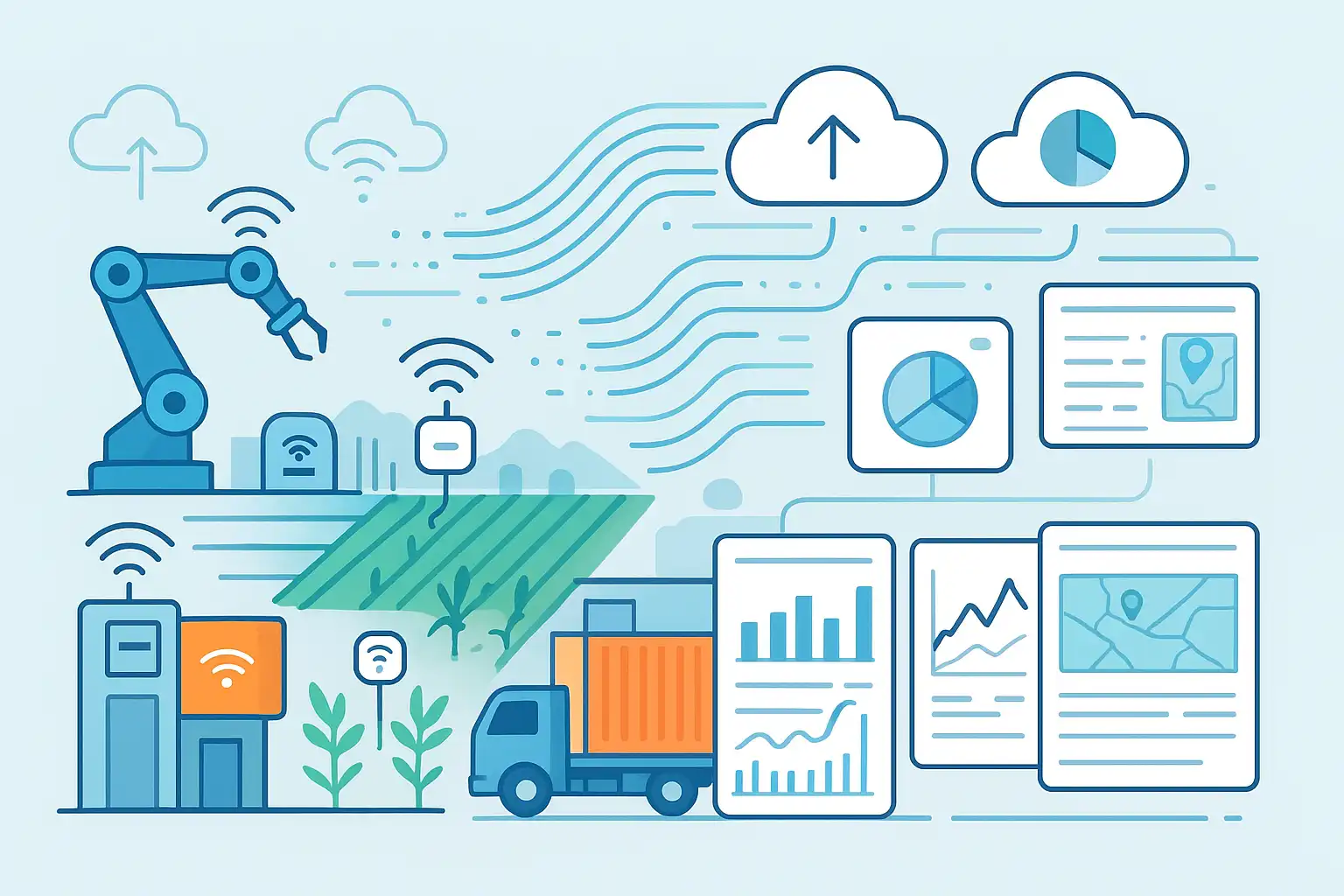
IoT data analytics consulting transforms raw sensor data into actionable business insights by applying structured workflows that include data collection, integration, cleaning, advanced analytics, and real-time visualization. This process helps industries like agriculture, manufacturing, transportation, security, and consumer electronics optimize operations, predict failures, enhance customer experiences, and unlock new revenue streams through usage-based monetization and tailored pricing. Key benefits include improved efficiency, reduced downtime, and smarter decision-making supported by customizable dashboards accessible to non-technical users. Challenges such as data fragmentation, quality issues, scalability, and security require expert consulting and robust platforms to ensure seamless integration and compliance. Leading tools include cloud services (AWS, Azure, Google Cloud), connectivity technologies (5G, LoRaWAN), and analytics software (Tableau, Power BI). Starting with clear objectives, pilot projects, and experienced partners maximizes ROI and supports continuous improvement. Specialized solutions for sectors like agriculture and industry emphasize scalable connectivity, edge analytics, and integration with external data for enhanced context. Overall, IoT data analytics consulting enables businesses to convert sensor networks into strategic assets that drive operational excellence and sustainable growth.

Healthcare Analytics Services for Better Care

Healthcare analytics services revolutionize patient care by transforming vast medical data into actionable insights, enabling healthcare providers to improve outcomes, personalize treatments, and enhance operational efficiency. These services leverage various analytics types—descriptive, diagnostic, predictive, prescriptive, and discovery—to identify risks, optimize workflows, and reduce costs while maintaining high-quality, ethical care. Key technologies include machine learning, data management platforms, clinical informatics systems, and visualization tools, supported by robust security measures to protect patient privacy. Successful implementation relies on data integrity, clinical relevance, compliance, and continuous improvement. Challenges such as data silos, privacy concerns, and cultural resistance can be addressed through integration, training, and collaboration. Emerging trends like AI-driven analytics, real-time monitoring via wearables, and population health management are shaping the future of healthcare analytics. These innovations support evidence-based medicine, enabling providers to deliver personalized, preventive, and cost-effective care. Both large and small healthcare organizations can benefit from scalable analytics solutions, fostering a data-driven culture essential for sustained improvement. Despite upfront costs and technical demands, healthcare analytics services offer significant long-term advantages, including improved patient safety, reduced readmissions, and enhanced regulatory compliance, ultimately driving better, more efficient healthcare delivery.

Business Analytics Service Providers for Growth: Your Guide to Smarter Decisions

Business analytics service providers empower businesses to unlock growth by transforming complex data into actionable insights. They utilize descriptive, diagnostic, predictive, and prescriptive analytics to help organizations identify profitable opportunities, forecast trends, optimize operations, and make faster, smarter decisions. These providers serve diverse industries such as retail, finance, healthcare, manufacturing, logistics, and technology, leveraging advanced tools like Tableau, Power BI, SAS, and cloud platforms to enhance data visualization and analysis. By offering expertise in data integration, quality assurance, and predictive modeling, they enable companies to improve efficiency, reduce risks, and innovate effectively. Selecting the right provider involves assessing their analytics capabilities, industry experience, technology stack, and ongoing support. Business analytics services also cater to small businesses with flexible, budget-friendly solutions. Ultimately, partnering with expert analytics firms drives evidence-based decision-making, enhances operational performance, and fosters sustainable revenue growth, giving companies a competitive edge in rapidly changing markets.

Business Intelligence Implementation Factors That Matter Most

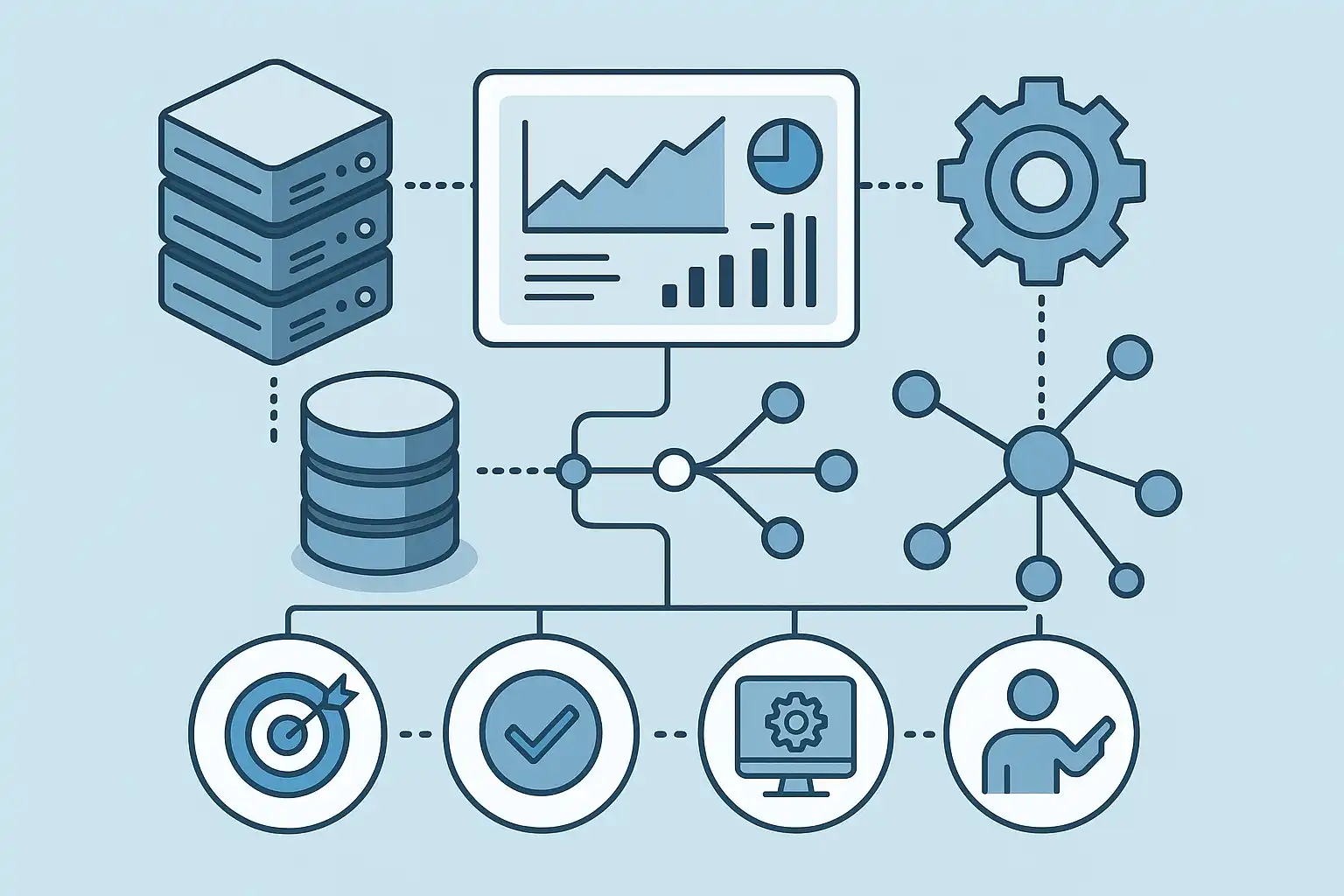
Business intelligence (BI) implementation hinges on several critical factors beyond just technology choices. Success requires clear goal setting, thorough business requirement analysis, strong stakeholder engagement, and leadership commitment. Selecting the right BI platform—such as Power BI, Tableau, or Qlik—ensures scalability, integration, and ease of use. High data quality, robust data warehousing, and seamless integration of diverse data sources are vital for accurate insights. Visualization tools and user-friendly dashboards promote adoption across teams. A systematic BI rollout involves defining objectives, gathering data, modeling, dashboard creation, testing, launching, and continuous improvement. Organizational culture and leadership play key roles; supportive leaders and a data-driven mindset accelerate adoption and maximize BI benefits. Common challenges include poor data quality, lack of user engagement, complex tools, insufficient training, and weak leadership support, all of which require proactive solutions like regular audits, inclusive communication, and ongoing education. Training tailored to user needs fosters confidence and tool utilization, directly impacting ROI. Measuring BI success combines tracking KPIs, user adoption, and business outcomes. Continuous monitoring and system upgrades ensure BI remains aligned with evolving business demands. Ultimately, effective BI implementation transforms raw data into actionable insights, driving informed decisions and sustainable growth across organizations of all sizes.

Data Science R&D Services Salary: What to Expect

Data science R&D services salaries vary widely based on experience, industry, location, education, and company size. Entry-level professionals in the US earn around $98,000, rising to over $113,000 mid-career, with senior roles reaching median salaries of $124,000 or more. Industries like real estate ($168,634), information technology ($166,562), and agriculture ($151,636) offer some of the highest median salaries. Advanced degrees (master’s or PhD) and specialized skills in AI, deep learning, and cloud computing significantly boost earning potential. Location impacts pay, with tech hubs like San Francisco and New York offering higher salaries due to demand and living costs. Large companies provide structured career paths, higher pay, and benefits, while startups offer equity and rapid growth opportunities. To increase salary, professionals should build in-demand skills, pursue certifications, stay current with technology, network actively, and demonstrate measurable project results. Common R&D roles include research data scientist, machine learning engineer, data engineer, AI researcher, and product data scientist, each with varying responsibilities and pay scales. Overall, data science R&D remains a lucrative and evolving field with diverse opportunities across sectors, driven by innovation and data-driven decision-making.

What is Data Outsourcing? Pros, Cons, and Tips for Businesses

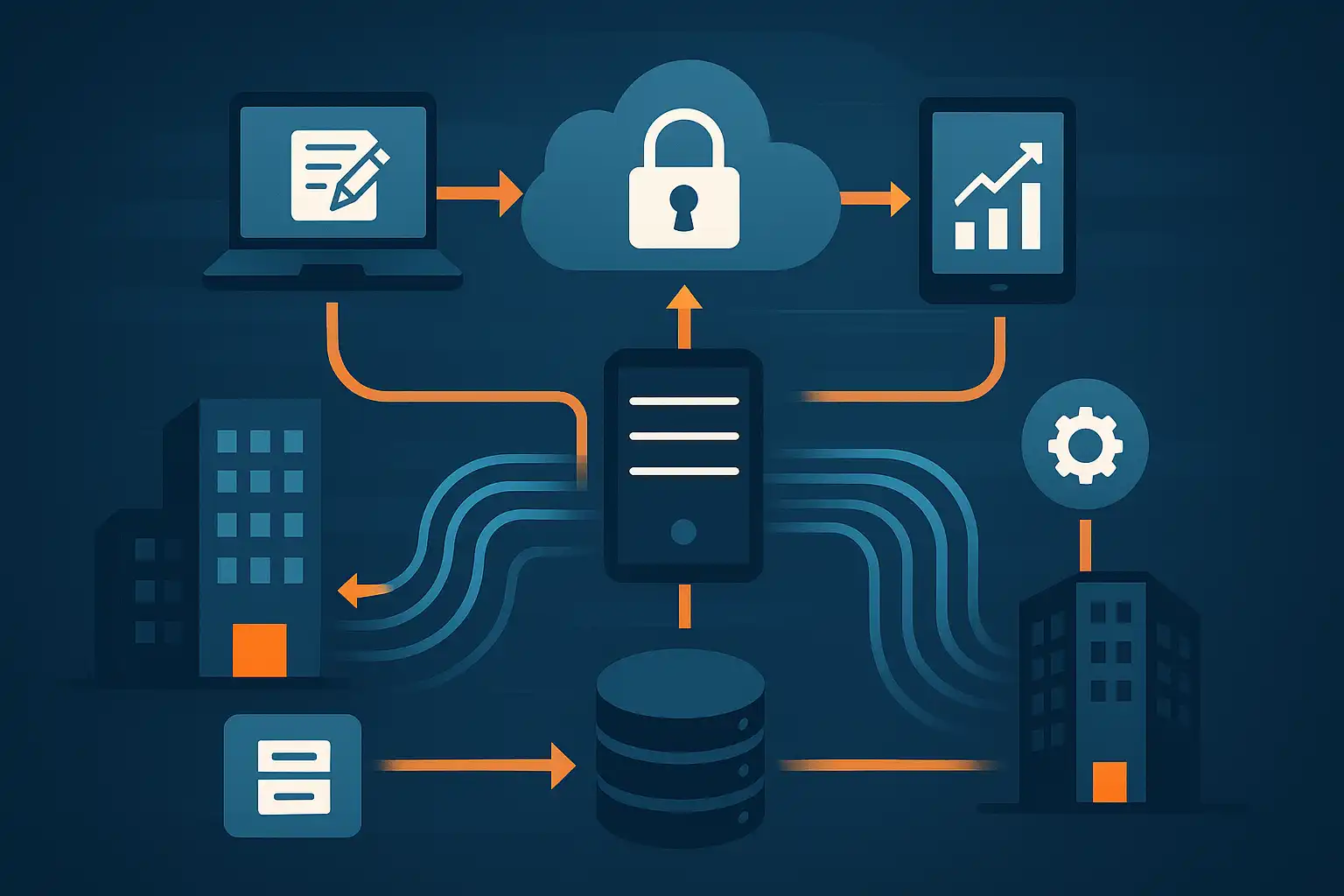
Data outsourcing involves hiring external providers to manage data-related tasks like entry, processing, migration, analytics, and storage. This practice helps businesses reduce costs, access specialized expertise and advanced technology, and focus on core operations. Common outsourcing types include data cleansing, visualization, and big data projects, often supported by AI and cloud-based platforms. Key benefits are cost savings, improved accuracy, scalability, enhanced compliance, and 24/7 support. However, challenges such as data security risks, integration issues, communication barriers, and potential hidden costs must be carefully managed. Successful data outsourcing requires selecting a reliable partner with proven expertise, strong security measures, transparent pricing, and good communication. Industry trends emphasize AI automation, cloud services, outcome-based contracts, and niche specialization. To ensure project success, businesses should clearly define objectives, set performance metrics, maintain open communication, plan onboarding, and continuously monitor security. Overall, data outsourcing offers scalable, efficient solutions for managing growing data demands while mitigating risks through strategic planning and trusted partnerships.

Personalized Learning Machine Learning Use Cases: Unlocking Student Potential

Personalized learning powered by machine learning (ML) is revolutionizing education by tailoring lessons, feedback, and resources to individual student needs, skills, and learning paces. ML algorithms analyze student data—such as quiz scores and response times—to adapt content in real time, enhancing engagement and reducing frustration. Key applications include adaptive learning systems, intelligent tutoring systems, predictive analytics for early intervention, personalized recommendations, and support for learners with special needs. Common ML techniques like classification, recommendation systems, regression, and clustering enable dynamic content adjustment and targeted feedback. Benefits include increased motivation, improved outcomes, reduced anxiety, and greater independence for students, while empowering teachers with actionable insights for curriculum planning. Challenges involve data quality, access to technology, algorithmic bias, and privacy concerns, requiring responsible data management and collaboration among educators, parents, and technology providers. Beyond traditional classrooms, ML-driven personalized learning extends to corporate training, professional development, language learning, and test preparation, supporting lifelong education. Future trends promise deeper personalization, enhanced natural language processing, immersive VR/AR experiences, cross-platform integration, and broader inclusion. Ultimately, ML-enhanced personalized learning aims to close achievement gaps, foster equitable education, and empower both learners and educators in diverse settings.