You don't have one reliable view of personal data
Customer, employee and prospect information may be copied between applications. Teams know their own tools but not how data moves through the whole organisation.
Home › Services › GDPR Data Management & Automation
Data Privacy & Workflow Automation
Data mapping
Access requests
Retention workflows
Make personal-data requests, retention and deletion easier to manage across the systems your business already uses.
Technical implementation, not legal GDPR certification or legal advice.
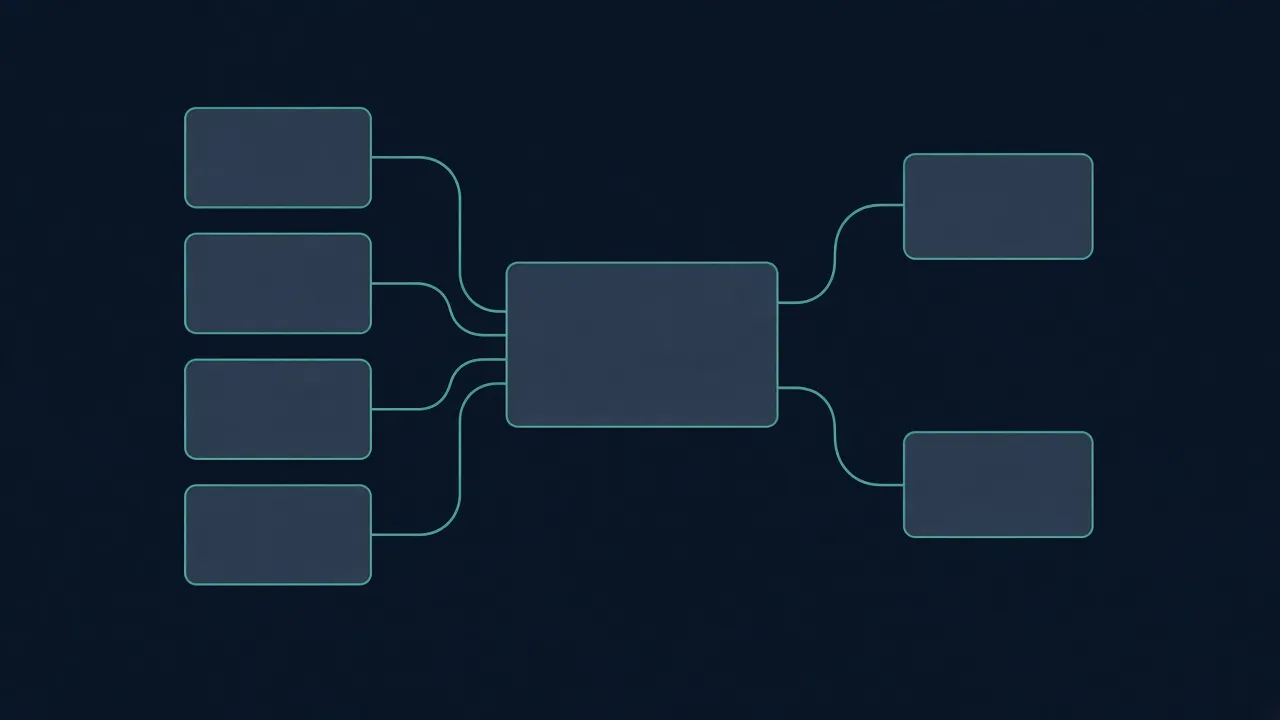
Personal information rarely lives in one place. It may sit in your CRM, HR software, support tickets, shared documents and databases. That makes finding records, coordinating requests and following approved data-handling rules a technical as well as an organisational challenge.
DataColab can help scope and build the software integrations and workflows behind privacy operations, from personal-data mapping to request tracking and policy-approved retention automation. We focus on technical implementation; your organisation and its advisers remain responsible for legal decisions.
Privacy responsibilities become difficult to carry out when the workflow depends on manual searches, scattered spreadsheets and email reminders.
Customer, employee and prospect information may be copied between applications. Teams know their own tools but not how data moves through the whole organisation.
Someone has to identify relevant systems, find the right records, request reviews and track what is ready to be disclosed. Different systems and owners make the task hard to repeat consistently.
A policy may define what should be kept or removed, but applying it safely across live applications, exports and backups requires technical planning and careful exception handling.
The right project depends on your existing systems, the process owner and the privacy rules already approved by your organisation. We begin with a focused need rather than recommending an entire new platform.
Document where relevant personal data lives, which team owns each source and how information moves between systems. A useful inventory should help the people managing privacy operations keep data locations and responsibilities up to date.
Possible first deliverable: a system inventory, data-flow diagram and maintainable register of data sources and responsible teams. Legal classifications and lawful bases require client or adviser approval.
Coordinate the operational steps behind a subject access request: recording the request, assigning systems and owners, searching approved sources, collecting results, tracking review and documenting the outcome. The system can support secure delivery after authorised human approval.
Possible first deliverable: a request tracking workspace with assignments, reminders, a search record and review stages connected to selected systems.
Turn approved retention schedules into practical tasks and controls. Depending on system capabilities, this might include identifying records due for review, generating deletion jobs, handling exclusions and logging completed actions.
Possible first deliverable: one tested retention or erasure workflow for a selected system, with an exception queue and audit log. Deletion is not automatically appropriate in every case, and backup handling needs explicit design.
Help privacy and operational teams see who owns outstanding work and what actions were completed. The technical design can cover access permissions, status tracking, activity records and reporting that makes the process easier to operate and assess.
Possible first deliverable: a dashboard of open requests, workflow stages, exceptions and documented follow-up tasks. This is an operations view, not an automatic compliance score.
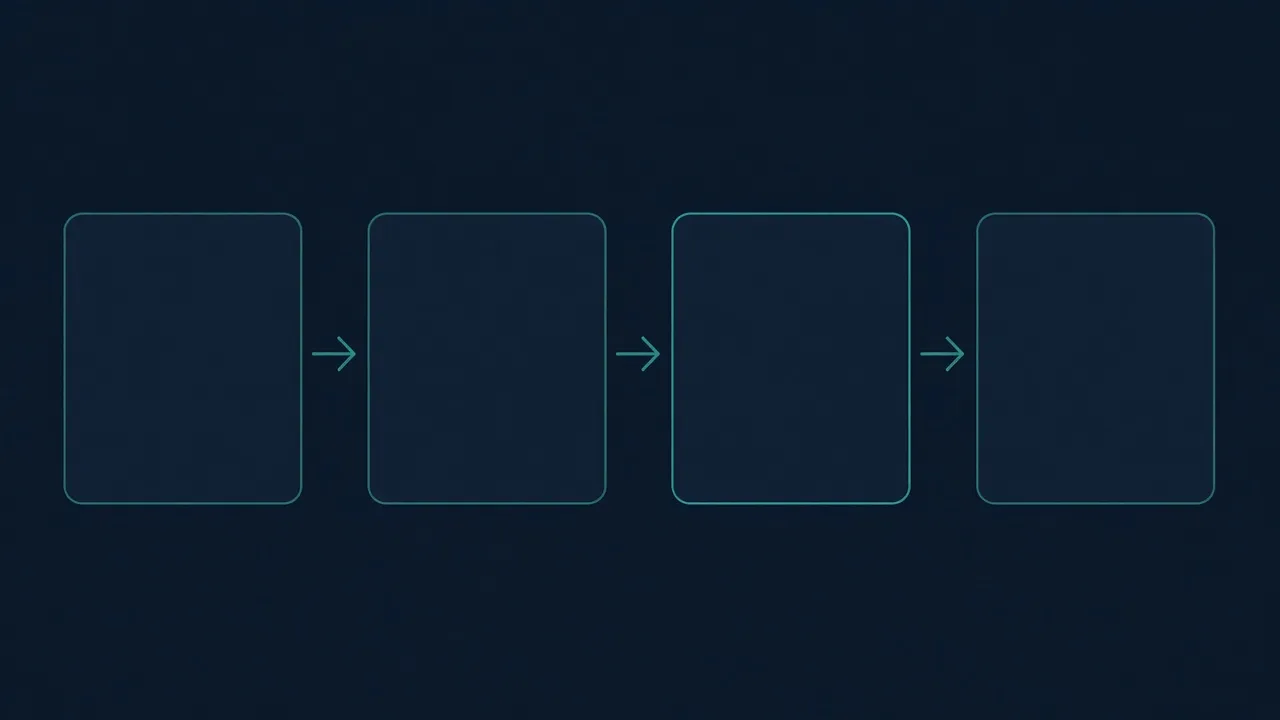
Imagine an employee or customer requests a copy of their personal information. Their records are distributed across a CRM, support platform, shared drive and internal database. A carefully designed workflow could coordinate the technical work without attempting to replace the privacy team's judgment.
01
Log the request received through any channel and identify the responsible privacy team. Identity or authority checks are carried out where appropriate.
02
Use the mapped system inventory and available integration methods to coordinate searches and document where teams looked.
03
Authorised staff review accuracy, third-party information, redactions and relevant legal exceptions rather than relying on an unreviewed automatic export.
04
After human approval, use an appropriate secure disclosure route and retain the permitted operational record of the process and its decisions.
This is an illustrative workflow, not a claim about a completed client project. Response deadlines and applicable exemptions are determined by law and the client's privacy advisers.
Many businesses should begin with the privacy features, export tools and integrations they already have. A dedicated privacy platform can also be sensible when it covers the organisation's requirements well.
Your data sits mainly in a few supported systems. Most request types follow common workflows. Your team can use built-in access, retention or export features. The product meets your security and reporting requirements.
Important records live in niche or legacy systems. Your current tools do not coordinate data searches or approvals. Retention actions need bespoke rules, reviews or human handoffs. There is a clear operational benefit from connecting what you already use.
DataColab can help assess an integration-first or custom-build approach after understanding your data sources, workflow and responsibilities. Avoid paying for a new application when configuring an existing system would solve the problem.
For broader integration and internal application work, see our custom software development service.
01
Tell us what is taking time, which applications are involved, how requests or records are handled today and who owns the privacy decisions.
02
Assess available APIs, data access, permissions, security controls, retention decisions and approval requirements. Sensitive production data access is not assumed.
03
Agree one bounded use case, owners, deliverables, testing scenarios and handover requirements before building.
04
Validate the agreed workflow with authorised reviewers and representative cases. Document supported systems, limitations, operational steps and any proposed follow-on work.
System mapping, integration design, access rules, workflow applications, task routing, automation, operational logging and testing can be scoped as engineering work.
Your organisation and qualified advisers decide which privacy laws apply, lawful bases, notices, disclosure and erasure exemptions, retention policies, contractual responsibilities and the final response to each person.
Installing software does not make an organisation automatically GDPR compliant. Project responsibilities, access to personal data and required data-processing contracts must be agreed before implementation.
This service is most relevant to a business with a defined privacy operations problem, multiple software or data sources, and someone authorised to specify the required data-handling rules. Teams do not need a finished technical specification, but they do need an accountable process owner.
It may not be the right fit when you only want a legal compliance audit, a privacy notice, a cookie banner or an outsourced Data Protection Officer. We would suggest an appropriate privacy or legal specialist for those needs.
No software implementation guarantees compliance with every GDPR obligation. We can help build and integrate technical workflows that support your approved privacy requirements; your organisation and advisers remain responsible for compliance decisions.
We can assess automation of request logging, task coordination, records gathering, tracking and audit trails. Identity checks, exceptions, third-party information, redaction decisions and release should remain subject to appropriate human oversight.
We can scope an inventory and retrieval workflow across specified, authorised data sources. Coverage depends on access rights, available APIs, file formats, legacy applications and the quality of the inventory.
No. Valid retention obligations and exemptions may require some data to be kept, and backup systems can need special handling. Any deletion workflow must implement rules approved by the client's responsible privacy team and include suitable controls and exceptions.
Not necessarily. Existing features, a specialist platform or a targeted integration may be better than building new software. We discuss those choices before defining a custom project.
It depends on the number of systems, available integrations, workflows, permissions, security requirements and testing needs. A scoped first workflow is usually more practical to estimate than an organisation-wide transformation. We do not list a fixed package price.
We can discuss technical workflows for organisations operating internationally, but the applicable legal requirements vary. Country-specific rules, transfer requirements and policy decisions need review by the customer's qualified advisers.
The project must agree roles, access controls, data minimisation, secure development practices, any required data-processing agreements and deletion or return of project data. Access to live personal records should only occur when justified and authorised.
Is the challenge locating data, coordinating access requests, connecting business systems, applying an approved retention schedule or documenting the steps taken? Describe the process and the tools involved. We can discuss whether a focused integration or custom solution makes sense.
Discuss Your Privacy WorkflowDo not submit personal records or confidential customer files in the first contact message.